Funadama Shrine (Hakodate City) Complete Guide | History, Deities, and Goshuin Information of Hokkaido’s Oldest Shrine
What is Funadama Shrine? | Overview of Hokkaido’s Oldest Shrine
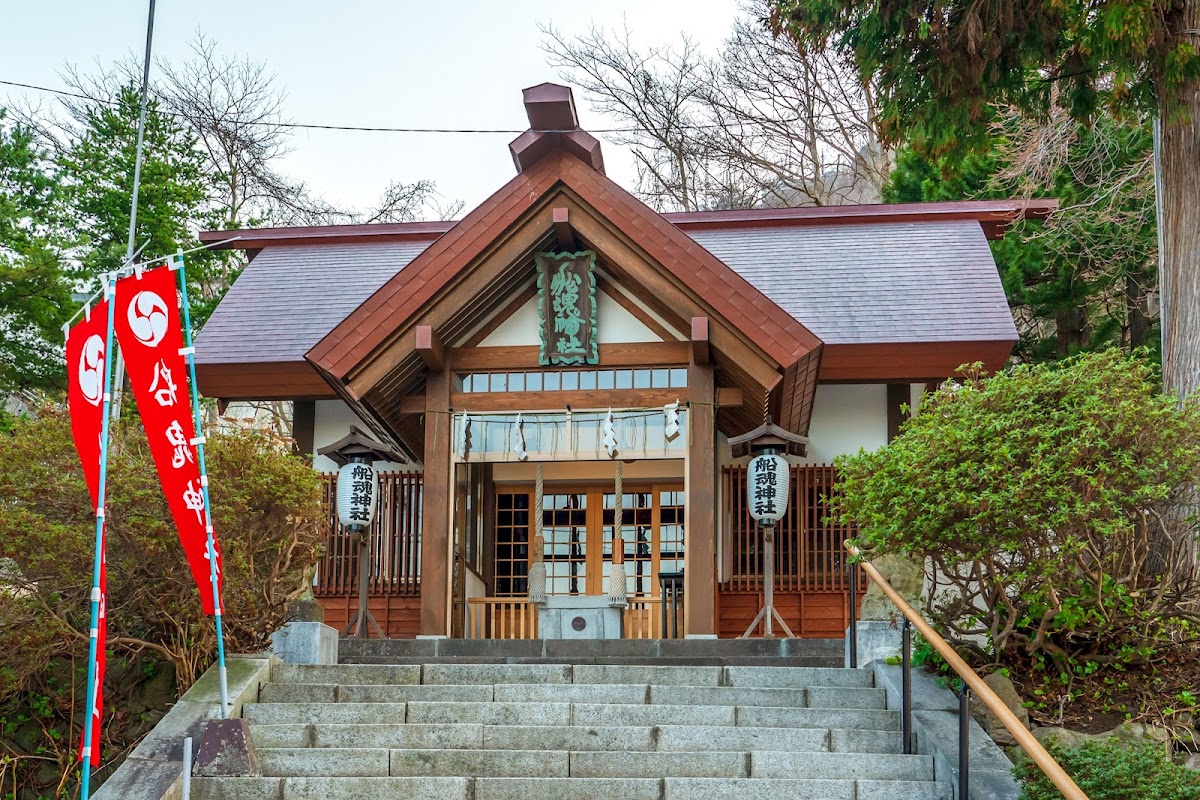
Funadama Shrine, located in Motomachi, Hakodate City, is the oldest shrine in Hokkaido. Situated at the foot of Mount Hakodate, at the top of Hiyorizaka Hill in the Motomachi area, the heart of Hakodate’s tourism, it boasts a superb location overlooking Hakodate Port (Tomoe Port).
Since its founding in 1135 (Hoen 1), for approximately 890 years, it has been revered as a guardian deity for maritime safety, safe voyages, and bountiful catches, and has been affectionately known as “Funadama-san” by the citizens of Hakodate. It is a place of worship visited not only by those involved in shipping and port work, but also by many worshippers from all over Japan seeking traffic safety and good fortune.
Located at the foot of Mount Hakodate, this shrine is easily accessible for those sightseeing in Hakodate and is often included in walking routes through the historic Motomachi area.
History of Funadama Shrine | A Lineage of Faith Continuing from the First Year of the Hōen Era
Origin of the Founding and Ryōnin Shōnin
The founding of Funadama Shrine dates back to the first year of the Hōen era (1135 AD), during the reign of Emperor Sutoku. It is said that when Ryōnin Shōnin, a high-ranking priest and founder of the Yūzū Nenbutsu sect, visited this area, he told the villagers that “this place is a dwelling place of divine spirits.”
At that time, the Tsugaru Strait, connecting Honshu and Hokkaido, had strong currents, and maritime accidents were frequent. Therefore, it is said that Ryōnin Shōnin prayed for maritime safety and established a shrine in this place. This is the oldest recorded instance of shrine construction in Hokkaido, and is why Funadama Shrine is called “Hokkaido’s oldest shrine.”
From the Edo Period to the Meiji Period
During the Edo period, it was enshrined as “Funadama Daimyojin” (Ship Spirit Great Deity) and, along with the development of Hakodate as a port town, attracted the fervent devotion of those involved in the shipping industry. As Hakodate flourished as the gateway to the development of Hokkaido, the importance of Funadama Shrine also increased.
In 1879 (Meiji 12), it was designated a village shrine, officially recognizing its historical value and religious significance. Since the Meiji era, it has continued to receive unwavering reverence as a spiritual center for the citizens of Hakodate and as a guardian deity of maritime safety.
Shrine Renovation in the Showa Period
The current shrine building was renovated during the Showa period and harmonizes with the historical landscape of Hakodate. From the shrine, built on a slope at the foot of Mount Hakodate, one can enjoy a panoramic view of Hakodate Port, truly appreciating its excellent location as a shrine watching over maritime safety.
Deities and Divine Virtues | Gods Enshrined at Funadama Shrine
Main Deity
Funadama Shrine enshrines several deities related to the sea. The main deity is a spirit considered the guardian deity of ships, and has been revered since ancient times as the guardian deity of safe voyages and maritime safety.
Divine Virtues (Benefits)
The main divine virtues that can be received at Funadama Shrine are as follows:
- Maritime Safety and Navigation Safety: Protects the safety of those involved in shipping and fishing.
- Prayer for a Bountiful Catch: Attracts the faith of fishermen praying for a good catch.
- Traffic Safety: Prayers are offered not only for safety at sea but also for safety on land.
- Guidance to Good Fortune: Guides one’s life’s course in the right direction.
- Business Prosperity: Faithful alongside the commercial development of the port town of Hakodate.
The shrine is particularly revered by those involved in shipping and port work, and worshippers praying for maritime safety come from all over Japan, not just Hokkaido. ## The Legend of Minamoto no Yoshitsune and Funadama Shrine
Funadama Shrine holds an interesting legend related to Minamoto no Yoshitsune.
The Legend of Yoshitsune’s Journey North
In the late Heian period, Minamoto no Yoshitsune and his party, pursued by his brother Minamoto no Yoritomo, were caught in a fierce storm while crossing the Tsugaru Strait to escape to Ezo (Hokkaido). Though in dire straits, Yoshitsune and his group were guided by the spirits of Funadama Shrine and safely reached Hakodate.
This legend of Yoshitsune is still recounted today as an episode illustrating the strong spiritual power of Funadama Shrine for maritime safety. While it is historically uncertain whether Yoshitsune actually crossed to Hokkaido, this legend undoubtedly deepens the faith in Funadama Shrine.
Water-Dissolving Prayer Talismans | A Unique Method of Worship
A particularly popular way to pray at Funadama Shrine is with the “water-dissolving prayer talismans.” This is known as a unique method of prayer specific to Funadama Shrine.
How to Use the Prayer Talismans
- Obtain a water-dissolving prayer talisman at the shrine office.
- Write your wish on the talisman.
- Float the talisman in the water of the stone basin on the shrine grounds.
- The talisman will eventually dissolve in the water.
- It is believed that your wish will reach the gods and be granted.
This prayer talisman is based on the belief that wishes reach the gods with the water. As a shrine that prays for maritime safety, this prayer method incorporating the element of water is popular with many worshippers.
Goshuin Information | Items Offered at Funadama Shrine
Regular Goshuin
At Funadama Shrine, you can receive a goshuin (shrine stamp) as proof of your visit. The shrine office handles requests for Goshuin (temple/shrine stamps), and the Goshuin itself is a magnificent piece that reflects the history of Hokkaido’s oldest shrine.
Limited Edition Goshuin
Funadama Shrine sometimes offers special limited edition Goshuin in accordance with the seasons and festivals. The “paper-cut Goshuin” is particularly popular, and since it is offered in limited quantities, it is recommended to visit early if you wish to obtain one.
During special periods such as New Year’s and the annual festival, Goshuin with different designs than usual may be offered, so those collecting Goshuin are advised to check the official information.
Issuance Hours and Reservations
Goshuin can be obtained during the shrine office’s opening hours. It can get crowded during peak seasons and festival periods, so it is recommended to visit with plenty of time to spare. If you wish to receive prayers, it is best to inquire about reservations at the shrine office in advance.
Annual Festivals | Major Events at Funadama Shrine
Funadama Shrine holds various festivals throughout the year.
Spring Grand Festival & Harvest Festival
The Harvest Festival, held in spring, is an important festival to pray for a bountiful harvest and safety throughout the year. Prayers are offered for a rich harvest of grains, as well as maritime safety and a bountiful catch.
Annual Grand Festival (August)
The most important festival at Funadama Shrine is the Annual Grand Festival, held every August. Many worshippers attend to pray for maritime safety and the prosperity of the region. Shinto rituals, including a portable shrine procession, are performed, making it a summer tradition in Hakodate.
Maritime Safety Prayer Festival
This is a special festival to pray for maritime safety, the core principle of Funadama Shrine. Many people involved in shipping and fishing attend to pray for safe voyages and operations throughout the year.
Setsubun Festival
The Setsubun Festival is held in February, with bean-throwing taking place. It is a traditional event cherished by the local community to ward off evil and invite good fortune. ### Soot Cleaning
At the end of the year, a soot cleaning ceremony is held to express gratitude for the past year. This traditional Shinto ritual purifies the shrine and prepares it for the new year.
Access and Visiting Information for Funadama Shrine
Location
Address: 7 Motomachi, Hakodate City, Hokkaido
Funadama Shrine is located at the foot of Mount Hakodate, at the top of Hiyorizaka Hill in the Motomachi area. It is in the heart of Hakodate’s tourist area, surrounded by historical buildings such as the Old Hakodate Public Hall, Hakodate Orthodox Church, and Catholic Motomachi Church.
Access
By Tram
- Get off at the “Suehirocho” tram stop on the Hakodate City Tram, approximately 10 minutes on foot.
- The most common route is up Hiyorizaka Hill.
By Bus
- Get off at the “Motomachi” bus stop on the Hakodate Bus, approximately 5 minutes on foot.
By Car
- Approximately 10 minutes by car from Hakodate Station.
- Approximately 25 minutes by car from Hakodate Airport.
- Parking is limited, so using public transportation is recommended.
Visiting Hours
While visiting the shrine grounds is generally free, the shrine office has limited operating hours. If you wish to receive a Goshuin (shrine stamp) or prayers, it is recommended to check the shrine office’s opening hours in advance.
During the New Year period, visiting hours may be extended.
Nearby Tourist Attractions | Highlights of the Motomachi Area
Funadama Shrine is located in the Motomachi area, the heart of Hakodate tourism, and there are many tourist attractions nearby.
Mount Hakodate
Mount Hakodate, towering behind Funadama Shrine, is a symbol of Hakodate and known as one of the world’s three greatest night views. You can reach the summit by ropeway and enjoy the magnificent scenery day and night.
Historic Buildings of Motomachi
- Former Hakodate Public Hall: A masterpiece of Meiji-era Western-style architecture
- Hakodate Orthodox Church: Japan’s oldest Russian Orthodox church
- Catholic Motomachi Church: A beautiful Gothic-style church
- Former British Consulate: A Western-style building overflowing with exotic charm
Hachiman-zaka and Hiyori-zaka
These are some of Hakodate’s most beautiful slopes. Hachiman-zaka, in particular, is famous for its spectacular view of Hakodate Port. Hiyori-zaka, leading to Funadama Shrine, is also a charming slope steeped in history.
Bay Area
Within walking distance of Motomachi, the Bay Area features the Kanemori Red Brick Warehouses, offering shopping and dining opportunities.
Points and Manners for Visiting Funadama Shrine
Etiquette for Visiting
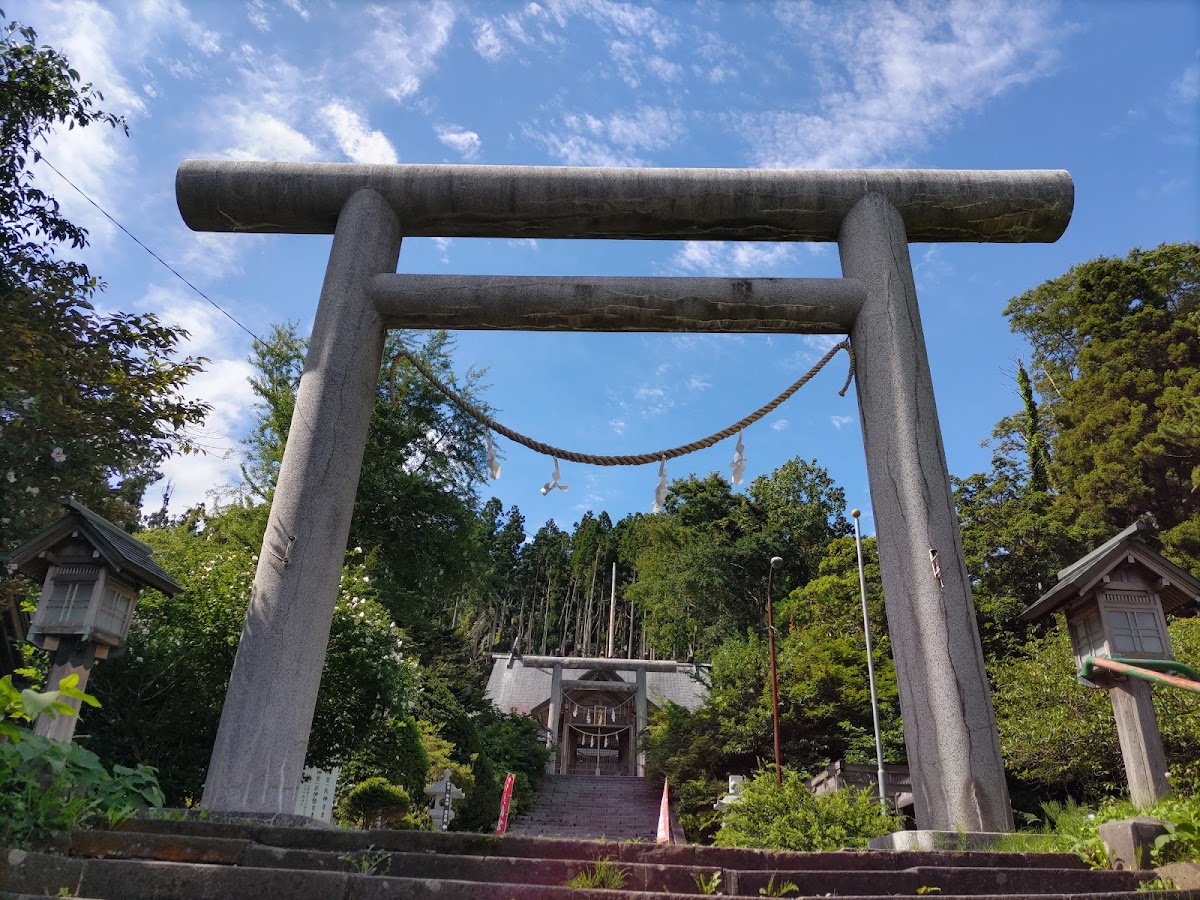
- Bow before passing through the torii gate
- Cleanse your hands and mouth at the water basin
- Bow twice, clap twice, and bow once in front of the main hall
- Make your wish quietly in your heart
- After praying, turn around and bow once as you leave the torii gate
Photography
Photography is generally permitted on the shrine grounds, but consideration should be given to avoiding disturbing other visitors. Refrain from taking photos inside the shrine or during religious ceremonies, or obtain permission before taking pictures.
Attire
There are no strict dress code regulations, but it is desirable to wear clothing that reflects the sacred nature of the place. If receiving prayers, somewhat formal attire is preferable.
The Four Seasons of Funadama Shrine | Seasonal Charms
Spring (April-June)
During Hakodate’s cherry blossom season, the entire Motomachi area is enveloped in a vibrant atmosphere. The Spring Grand Festival is also held, and the shrine is bustling with worshippers praying for safety and prosperity in the new year.
Summer (July-September)
The annual festival in August is the most important event at Funadama Shrine. It is a beloved festival among locals, adding color to Hakodate’s short summer. The greenery of Mount Hakodate deepens, and the shrine grounds are enveloped in a refreshing atmosphere.
Autumn (October-November)
During Hakodate’s autumn foliage season, the street trees in the Motomachi area change color, further enhancing the beauty of the historic cityscape. The view from the shrine grounds overlooking Hakodate Port in the crisp autumn air is exceptional.
Winter (December-March)
The shrine is bustling with worshippers for the New Year’s pilgrimage. The snow-covered shrine buildings and the view of Mount Hakodate are fantastic. The Setsubun Festival in February includes bean-throwing, a warm event held even amidst the harsh winter.
Funadama Shrine Office Information | Prayers and Souvenirs
Types of Prayers
Funadama Shrine offers various types of prayers:
- Prayer for Maritime Safety
- Prayer for Safe Voyages
- Prayer for a Bountiful Catch
- Prayer for Traffic Safety
- Prayer for Family Safety
- Prayer for Business Prosperity
- Prayer for Protection from Evil
- Prayer for Good Fortune
If you wish to receive a prayer, it is recommended that you contact the shrine office in advance to make a reservation. Especially during peak seasons and festival periods, congestion is expected.
Souvenirs
In addition to Goshuin (shrine stamps), the shrine office offers amulets, talismans, and water-soluble prayer charms. The maritime safety amulet is particularly popular among those involved in shipping.
Hakodate’s Port Town Culture and Funadama Shrine
Funadama Shrine is closely linked to the history of Hakodate’s development as a port town. Located overlooking Hakodate Port (Tomoe Port), the shrine has watched over maritime safety for approximately 900 years.
Throughout the changing times from the Edo period through the Meiji, Taisho, Showa, Heisei, and Reiwa eras, Hakodate has played a vital role as the gateway to Hokkaido’s development and as an international trading port. This development was supported by those engaged in the shipping and fishing industries, and the Funadama Shrine was at the heart of their faith.
Even today, many people involved with the sea, including those working in Hakodate’s port, fishermen, and those operating tourist boats, visit the Funadama Shrine to pray for safety.
Summary | The Significance of Visiting Funadama Shrine
Funadama Shrine, as the oldest shrine in Hokkaido, boasts a history of approximately 890 years and is a place of worship deeply intertwined with Hakodate’s port town culture. Since its founding in 1135, Funadama Shrine has attracted the faith of many as the guardian deity of maritime safety, and has been affectionately known as “Funadama-san” by the citizens of Hakodate.
Located at the foot of Mount Hakodate, in Motomachi, the heart of Hakodate’s tourist area, it stands amidst a beautiful streetscape lined with historical buildings. With its unique charm, including legends of Minamoto no Yoshitsune and prayer talismans that dissolve in water, it is a popular spot for tourists.
Beyond prayers for maritime safety, safe voyages, and bountiful catches, the shrine also caters to the needs of modern worshippers, offering blessings for traffic safety and good fortune, attracting visitors from all over Japan.
When visiting Hakodate, why not visit Funadama Shrine, which can be considered the origin of Hokkaido’s history, and feel the power of faith cultivated over a long history? Visiting in conjunction with a stroll through Motomachi will allow you to gain a deeper understanding of Hakodate’s history and culture.