Complete Guide to Matsumae Shrine (Matsumae Town): A Historic Prefectural Shrine in Hokkaido Dedicated to Lord Takeda Nobuhiro
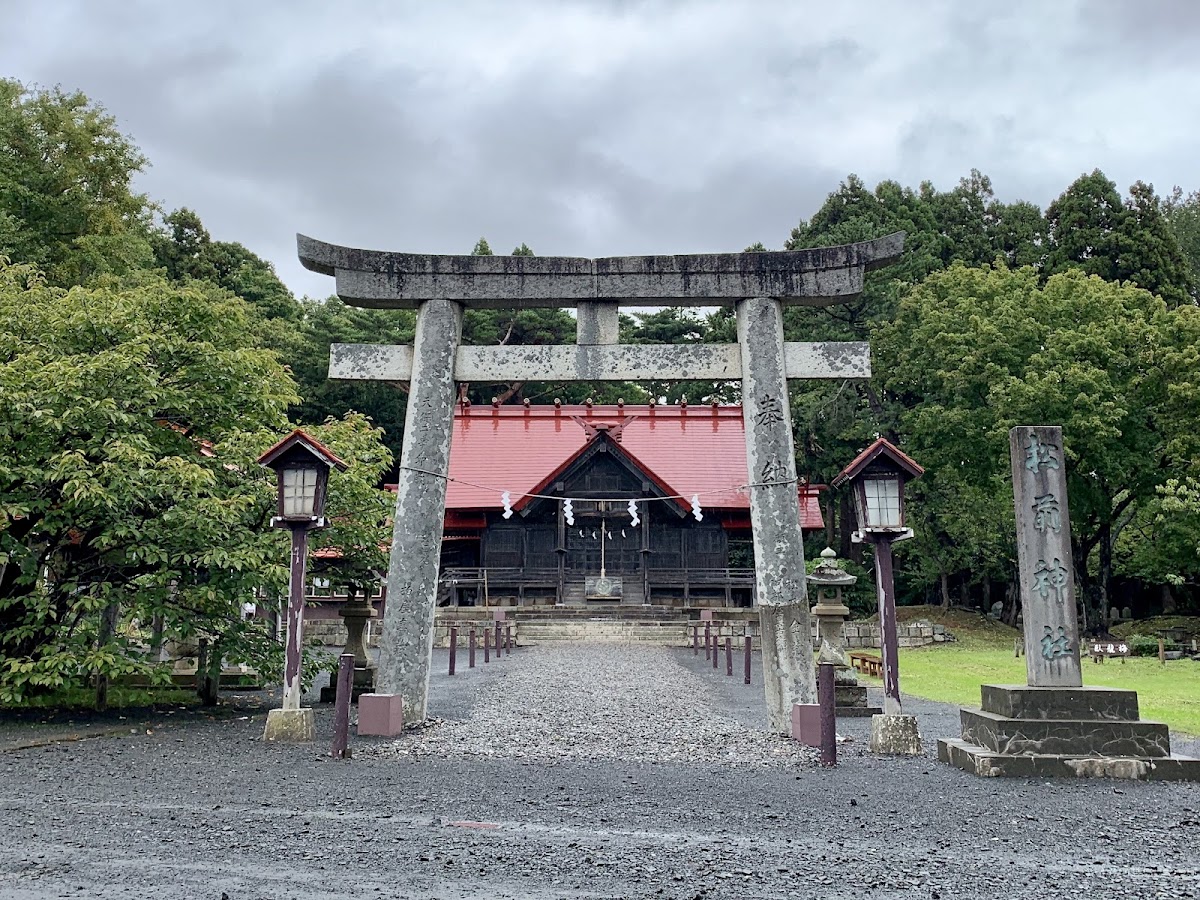
Matsumae Shrine, located in Matsumae Town, Matsumae District, Hokkaido, is a historic shrine dedicated to Lord Takeda Nobuhiro, the founder of the Matsumae Domain. Built on the historical site of the former Fukuyama Castle (Matsumae Castle), it has attracted local devotion since the Meiji era. This article provides a detailed explanation of everything you need to know before visiting, including the history of Matsumae Shrine, its enshrined deities, highlights of the grounds, valuable shrine treasures, and access information.
History and Origins of Matsumae Shrine
Founding and Construction in the Meiji Era
The founding of Matsumae Shrine dates back to the Meiji era. In 1879 (Meiji 12), local residents submitted a request to the Hokkaido Development Commission for the construction of a shrine dedicated to Lord Takeda Nobuhiro, the founder of the Matsumae Domain. This request was accepted and officially permitted on February 8, 1881 (Meiji 14). Prior to this, the Matsumae family had established the “Matsuyo Shrine,” where they enshrined the spirits of successive generations, including Lord Takeda Nobuhiro. However, with the establishment of the shrine system after the Meiji Restoration, it was formally established as a shrine.
Location on the Former Fukuyama Castle North Bailey Site
The Matsumae Shrine is located on the site of the former Fukuyama Castle (present-day Matsumae Castle). This site was part of Fukuyama Castle, the residence of the Matsumae clan, and retains a strong sense of history from the feudal era. This chosen location for the shrine grounds is a sacred space deeply intertwined with the history of the Matsumae clan.
North of Matsumae Castle, numerous shrines and temples are clustered, and Matsumae Shrine quietly sits in one corner. Its location on the castle ruins creates a special atmosphere that allows visitors to feel the history of Matsumae firsthand.
Reconstruction of the Shrine Building in the Taisho Era
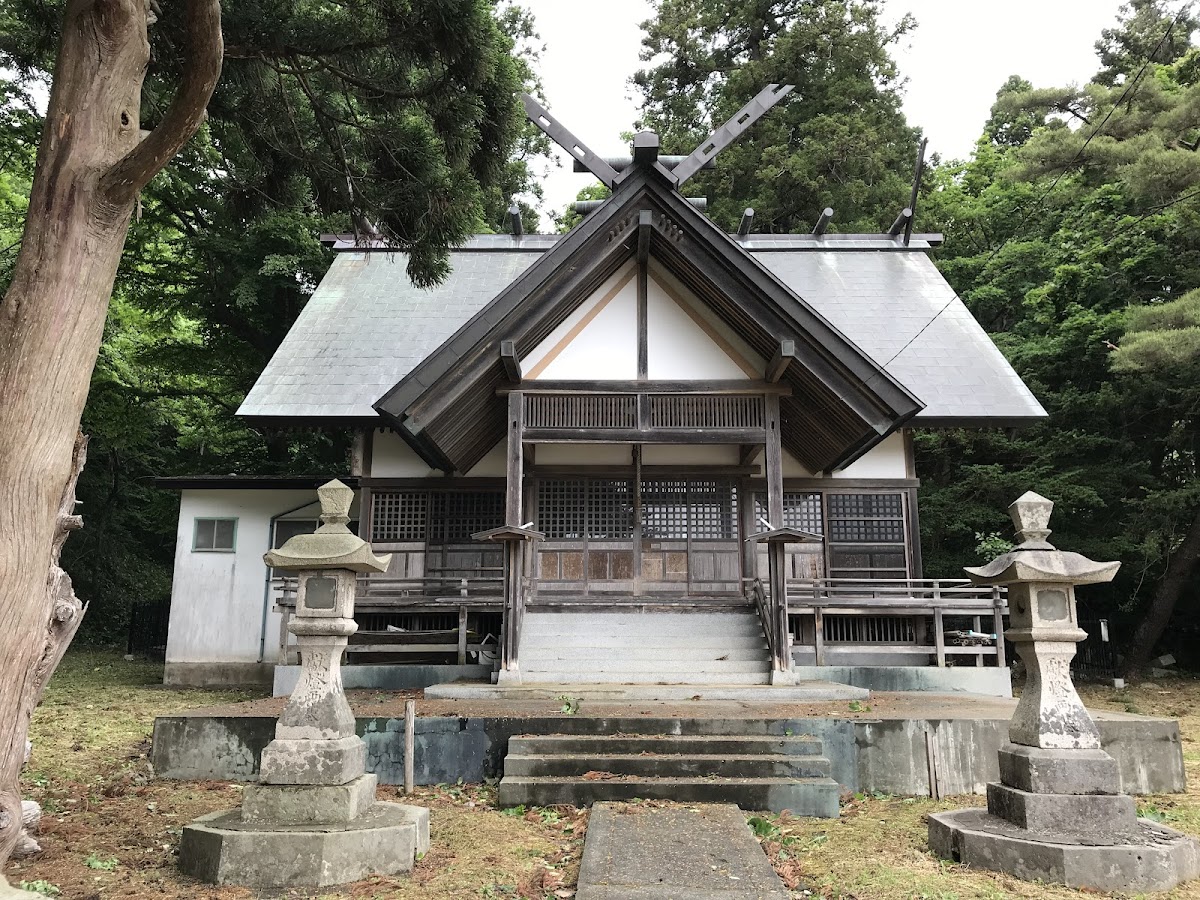
The current shrine building of Matsumae Shrine was rebuilt in 1923 (Taisho 12) using cypress wood. Adopting the traditional Japanese architectural style known as Shinmei-zukuri, the shrine building possesses a simple yet majestic atmosphere.
Shinmei-zukuri is an architectural style exemplified by Ise Grand Shrine, characterized by its linear and simple beauty. Following this traditional style, Matsumae Shrine’s building has been carefully maintained to this day as a dignified structure imbued with the fragrance of cypress wood.
Former Shrine Rank: Prefectural Shrine
Matsumae Shrine’s former shrine rank was Prefectural Shrine. A Prefectural Shrine, under the modern shrine ranking system, refers to a high-ranking shrine above the Gosha (village shrine) among those managed by prefectures. Its position as a Prefectural Shrine in Hokkaido indicates the important role Matsumae Shrine has played in the region.
Deity Enshrined: Lord Takeda Nobuhiro
Founder of the Matsumae Domain
The deity enshrined at Matsumae Shrine is Lord Takeda Nobuhiro. Takeda Nobuhiro was a samurai who was active from the Muromachi period to the Sengoku period, and is known as the founder of the Matsumae Domain.
Born in Wakasa Province (present-day Fukui Prefecture), Takeda Nobuhiro traveled to Ezo (present-day Hokkaido) and established control over southern Ezo in the late 15th century. He was adopted by the local powerful Kakizaki clan, taking the name Kakizaki Nobuhiro, and later laid the foundation for the family that would develop into the Matsumae clan.
Pioneer of Hokkaido Development
Lord Takeda Nobuhiro is not merely a samurai, but is also recognized as a pioneer of Hokkaido development. He managed trade between the Japanese and the Ainu people in Ezo, establishing the political and economic foundation of the region.
Throughout the Edo period, the Matsumae Domain, as the only daimyo in Hokkaido, enjoyed the privilege of monopolizing trade with Ezo (present-day Hokkaido). The foundation of this prosperity was laid by Lord Takeda Nobuhiro, and his achievements are still recounted in Matsumae today.
Matsumae Shrine Grounds and Highlights
Shinmei-zukuri Style Shrine Building
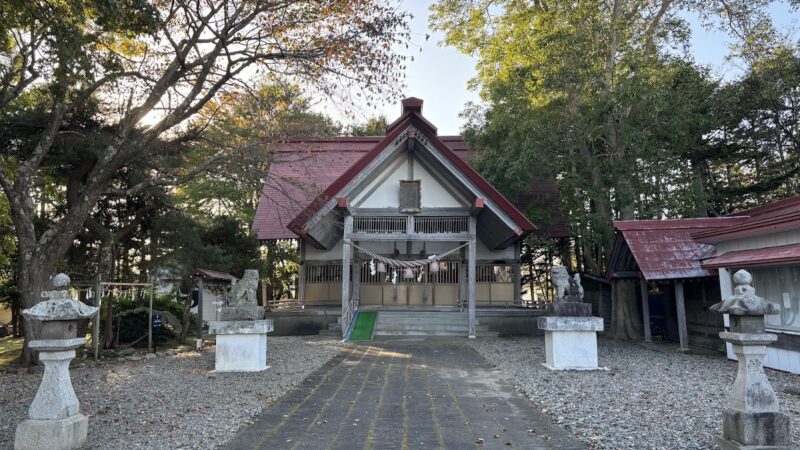
The greatest highlight of Matsumae Shrine is its shrine building, rebuilt in 1923 (Taisho 12) using cypress wood. The traditional Shinmei-zukuri architectural style is characterized by its simple yet powerful beauty, featuring a gabled roof and chigi and katsuogi (decorative roof elements).
The shrine building has gained character with age, and the beautiful grain of the cypress wood in the pillars and beams conveys the splendor of Japanese architecture to visitors. Especially on sunny days, the warmth unique to wooden architecture and a sacred atmosphere fill the entire grounds.
Garyu-bai (Sleeping Dragon Plum)
Within the temple grounds stands a famous tree called “Garyu-bai” (Sleeping Dragon Plum). This plum tree is said to have been bestowed upon the Matsumae Domain by Tokugawa Iemitsu, the third shogun of the Tokugawa shogunate, making it a historically significant tree.
The name Garyu-bai comes from the way its branches resemble a dragon crawling along the ground. In spring, it blooms with beautiful flowers, and combined with its historical background, it delights the eyes of many worshippers and tourists. Its origin as a gift from the Tokugawa shogunate is valuable evidence of the importance the Matsumae Domain was placed on by the Edo shogunate.
Hobu-matsu (Phoenix Dancing Pine)
Another famous tree is the “Houbu-matsu” (Phoenix Dancing Pine). This pine tree has an unusual shape, appearing as if two trees are holding hands, and its name comes from its elegant appearance, resembling a phoenix dancing.
The Hobu-matsu is also popular as a symbol of matchmaking, making it a must-see spot for couples and married couples. The beautiful forms created by nature make the atmosphere of the shrine grounds even more mystical.
Scenery of the Four Seasons
The grounds of Matsumae Shrine show different expressions throughout the four seasons. In spring, cherry blossoms bloom profusely, attracting many tourists in conjunction with the cherry blossom festival around Matsumae Castle. Matsumae Town is known as a “famous cherry blossom spot,” and the area around the shrine is one of the most beautiful cherry blossom viewing spots.
In autumn, the autumn leaves color the grounds, and the sight of trees dyed red and yellow surrounding the shrine buildings is breathtaking. In winter, the snow-covered shrine buildings exude a solemn atmosphere, and the tranquil grounds offer a sense of peace.
Precious Shrine Treasures and Cultural Assets
Paulownia Emblem bestowed by Toyotomi Hideyoshi
Matsumae Shrine houses a paulownia emblem (a carving of paulownia wood) as a shrine treasure, which is said to have been given by Toyotomi Hideyoshi to Matsumae Yoshihiro, the first lord of the Matsumae domain. This paulownia crest is a valuable historical artifact that demonstrates the relationship between the Toyotomi regime and the Matsumae clan.
The paulownia crest is also known as the family crest of the Toyotomi family, and its origin, having been bestowed by Hideyoshi, demonstrates the authority and historical importance of the Matsumae domain. This treasure is not usually on public display, but it is exhibited on special occasions.
Portable Shrine from 1766
A portable shrine made in 1766 (Meiwa 3) is stored on the shrine grounds. This shrine, which conveys the craftsmanship of the mid-Edo period, is a valuable cultural asset with a history of over 250 years.
The decorations and structure of the shrine demonstrate the high level of craftsmanship of the time, and it played an important role in festivals. It is in good condition and is an important legacy that conveys the festival culture of Matsumae to the present day.
The Famous Sword “Raikunitoshi Tachi”
Among the treasures of Matsumae Shrine, the most precious is the famous sword “Raikunitoshi Tachi.” Raikunitoshi was a renowned swordsmith of the Kamakura period, and his works are highly regarded as masterpieces of Japanese swords.
While the circumstances of how this sword came to be at Matsumae Shrine are unclear, it is a valuable treasure that demonstrates the samurai culture and deep appreciation for swordsmanship of the Matsumae domain. It is a treasure that will be of great interest to sword enthusiasts.
Map of Matsumae Castle Town from the Edo Period
Matsumae Shrine also houses an old map depicting the castle town of the Matsumae domain during the Edo period. This map meticulously records the townscape, building layouts, and road conditions of the time, making it a valuable resource for historical research.
It is an important historical document for understanding the development and changes of the castle town, and an indispensable cultural asset for learning about the history of Matsumae. These shrine treasures demonstrate that Matsumae Shrine is not merely a place of worship, but also plays a vital role in preserving the history and culture of the region.
Annual Festival and Other Annual Events
Annual Festival Date: August 5th
The annual festival of Matsumae Shrine is held every year on August 5th. This is the most important festival at the shrine, a ceremony to honor the enshrined deity, Lord Takeda Nobuhiro, and to offer gratitude and prayers.
On the day of the festival, a solemn ceremony is performed by Shinto priests, and local people come to pay their respects. This festival, which inherits the history and traditions of Matsumae, is an important annual event for the local community.
Other Annual Events
In addition to the annual festival, Matsumae Shrine holds various Shinto rituals throughout the year, including the New Year’s Day Festival, the Spring Harvest Festival, and the Autumn Harvest Festival. These rituals pray for a bountiful harvest and peace in the region, and are traditional events that have continued since ancient times.
During the New Year’s pilgrimage season, many worshippers visit the shrine to pray for safety and prosperity in the coming year. Many also combine their visit with sightseeing around Matsumae Castle, making it a vibrant and characteristic sight in Matsumae during the New Year.
Access and Visiting Information for Matsumae Shrine
Location
Address: 145 Matsushiro, Matsumae-cho, Matsumae-gun, Hokkaido
Matsumae Shrine is located just north of Matsumae Castle and can be visited while strolling through the castle ruins park.
Access Information
Access by Car:
- Approximately 2 hours from Hakodate city via National Route 228
- Parking is available at Matsumae Castle (free of charge)
- The shrine is a few minutes’ walk from the parking lot.
Access by Public Transportation:
- Take the Hakodate Bus bound for “Matsumae Branch Office” from JR Hakodate Station (approximately 3 hours)
- Get off at the “Matsushiro” bus stop and walk for about 5 minutes.
Matsumae Town is located at the southern tip of Hokkaido, and while access takes time, you can enjoy the historically rich townscape and beautiful nature.
Visiting Hours and Admission Fee
The grounds of Matsumae Shrine are generally open for free worship. The shrine office is open during the day (generally from 9:00 AM to 5:00 PM), but worship itself is possible from sunrise to sunset.
Admission is free, but there may be a separate fee for special exhibitions of shrine treasures. If you wish to receive a Goshuin (shrine stamp), it is recommended to visit during the shrine office’s opening hours.
Nearby Tourist Attractions
When visiting Matsumae Shrine, we recommend also visiting the nearby tourist attractions.
Matsumae Castle (Fukuyama Castle): A short walk away. The only Japanese-style castle in Hokkaido, and famous for its cherry blossoms.
Matsumae Clan Residence: A theme park recreating the townscape of Matsumae during the Edo period. Experience life in that era.
Tokuyama Grand Shrine: A shrine located within Matsumae town, a prestigious shrine known as the Ichinomiya (first shrine) of Oshima.
Temple District: Many temples are concentrated around Matsumae Castle, making it ideal for historical walks.
The Charm and Significance of Visiting Matsumae Shrine
A Special Place to Experience Hokkaido’s History
Matsumae Shrine is an indispensable place when discussing the history of Hokkaido. This shrine, which enshrines the founder of the Matsumae Clan, the only daimyo (feudal lord) in Hokkaido, symbolizes the cultural identity of Hokkaido, which has a unique history distinct from Honshu.
The foundation of the Matsumae Domain, established by Lord Takeda Nobuhiro, influenced the subsequent development of Hokkaido. Visiting this place allows you to touch upon the origins of Hokkaido’s history.
Finding Peace in a Tranquil Precinct
Despite being a tourist destination, Matsumae Shrine maintains a quiet and peaceful atmosphere. Located slightly away from the hustle and bustle of Matsumae Castle, it offers a peaceful setting for worship and a chance to find peace of mind.
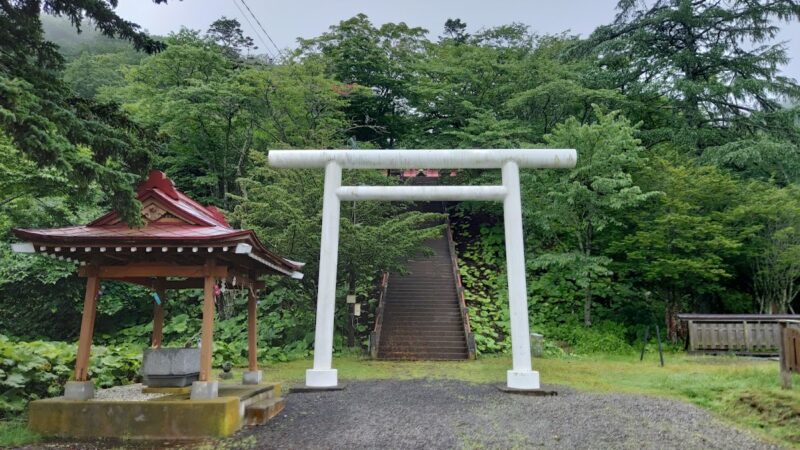
The scent of cypress wood emanating from the cypress-built shrine, the ancient trees within the grounds, and the historically significant stone steps create a space where history and nature can be experienced with all five senses.
A Must-Visit Spot in Matsumae
For tourists visiting Matsumae Town, Matsumae Shrine is a must-see, alongside Matsumae Castle. Especially during cherry blossom and autumn foliage seasons, you can enjoy breathtaking scenery where the beauty of nature and historical buildings harmonize.
For those collecting Goshuin (shrine stamps), the stamps from this historic Hokkaido shrine hold special value. As a memento of your trip, be sure to get a Goshuin (temple/shrine stamp) at the shrine office.
Summary: Experiencing Hokkaido’s History at Matsumae Shrine
Matsumae Shrine is an important shrine that conveys the history and culture of Hokkaido to the present day, enshrining Lord Takeda Nobuhiro, the founder of the Matsumae Domain. Built in 1881 on the site of the former Fukuyama Castle’s northern bailey, the Shinto shrine building, constructed entirely of cypress wood in the Shinmei-zukuri style, rebuilt in 1923, evokes a solemn atmosphere for visitors.
Within the shrine grounds are famous trees such as the Garyuume plum tree, said to have been bestowed by Tokugawa Iemitsu, and the Houmaimatsu pine tree, where two trees grow close together, allowing visitors to enjoy the beautiful scenery of each season. Furthermore, many valuable shrine treasures are preserved, including a paulownia crest bestowed by Toyotomi Hideyoshi, a portable shrine from 1766, and the famous sword “Raikoku Toshitachi.”
When visiting Matsumae Town, be sure to visit Matsumae Shrine along with Matsumae Castle and experience the origins of Hokkaido’s history. As you offer your prayers in the tranquil grounds, you can feel the history of Matsumae, built by Lord Takeda Nobuhiro, and the aspirations of the people who live in this land.
With its former status as a prefectural shrine and its continued role as a place of worship deeply rooted in the community, Matsumae Shrine is a historical and cultural spot that I highly recommend to everyone visiting Hokkaido.