Kitamura Shrine (Iwamizawa City, Hokkaido) Complete Guide | History, Deities, Access, and Highlights
Kitamura Shrine, located in Kitamura, Iwamizawa City, Hokkaido, has been a place of worship for the local people since the Meiji era’s pioneering period. This shrine, which enshrines the three pioneering deities and has been revered as the guardian shrine of Kitamura, is steeped in the history of Hokkaido’s development. This article provides detailed information you should know before visiting, including the history of Kitamura Shrine, its enshrined deities, annual festivals, highlights of the grounds, and access methods.
Basic Information about Kitamura Shrine
Kitamura Shrine is located at 620 Kitamura Hokuto, Iwamizawa City, Hokkaido, and belongs to the Hokkaido Shrine Association. Its former shrine rank was Village Shrine, and it is a historical shrine with a Shinto-style shrine building.
Location: 620 Kitamura Hokuto, Iwamizawa City, Hokkaido
Annual Festival Day: September 8th
Former Shrine Rank: Village Shrine
Shrine Building Style: Shinmei-zukuri
Shrine Grounds Area: 1260 tsubo
Number of Parishioner Households: Approximately 650 households
The corporate number is 6430005006415, and it is officially registered as a religious corporation. The shrine grounds are spacious and offer an environment where one can enjoy the changing seasons.
History and Origins of Kitamura Shrine
From Founding to Construction
The history of Kitamura Shrine dates back to the pioneering period of the Meiji era. It is said that the shrine was founded in 1895 (Meiji 28) when Takeshi Shiraishi, the manager of Uno Farm, erected and enshrined a sacred marker for Amaterasu Omikami using lumber near the farm office.
This period was when the development of Hokkaido was in full swing, and the pioneers lived in a harsh natural environment. The erection of the shrine marker by Takeshi Shiraishi held significant meaning as it created a spiritual anchor for the pioneers.
Formal Founding and the Three Deities of Pioneer
In 1919 (Taisho 8), Kitamura Shrine was formally founded, receiving a divided spirit of the Three Deities of Pioneer from Sapporo Shrine (present-day Hokkaido Shrine). The Three Deities of Pioneer are the gods particularly worshipped during the development of Hokkaido, and refer to the following four deities:
- Amaterasu Omikami: The supreme deity in Japanese mythology
- Okunitama no Kami: The guardian deity of the land
- Onamuchi no Kami: Another name for Okuninushi no Kami, the god of nation-building
- Sukunahikona no Kami: The god of medicine, hot springs, and sake brewing
These deities were revered during the development of Hokkaido as objects of prayer for land stability, agricultural prosperity, and protection from disease.
Relationship with Daianji Temple and the Continuation of Rituals
After its founding, the shrine’s sacred marker was moved to Daianji Temple, where the rituals were continued. Daianji Temple, as a local Buddhist temple, was involved in the shrine’s rituals within the context of the era of syncretism between Shinto and Buddhism. During this period in Hokkaido, it was not uncommon for shrines and temples to cooperate in supporting local faith.
Consolidation of Mori Farm and Development
In the early Showa period, Mori Farm was consolidated into the shrine, further solidifying Kitamura Shrine’s position as a central shrine in the region. The consolidation of multiple farms led to a wider range of residents revering Kitamura Shrine, strengthening its role as the guardian shrine of Kitamura.
Shrine Reconstruction and Relocation Ceremony
During the Showa era, the shrine was reconstructed, and a relocation ceremony was held. A relocation ceremony is an important Shinto ritual in which the deity is temporarily moved to another location, the shrine is reconstructed, and then welcomed back to its original location. This reconstruction resulted in the current Shinto-style shrine building.
Promotion to Village Shrine and Registration as a Religious Corporation
During the Showa era, the shrine was promoted to a village shrine, gaining recognition for its status in the region. After the war, it was officially registered as a religious corporation, and to this day, it continues to be revered by local residents as the guardian shrine of Kitamura.
Deities and Divine Virtues
The four deities enshrined at Kitamura Shrine each possess different divine virtues and respond to the various wishes of worshippers.
Amaterasu Omikami
The supreme deity in Japanese mythology, the goddess who personifies the sun. She is considered the ancestral deity of the Imperial family and the principal deity of Ise Grand Shrine.
Divine Virtues: National peace and security, good fortune, increased vitality, fulfillment of all wishes
Okunitama no Kami
A deity who personifies the land itself, bringing blessings and fertility from the earth. He is also known as the principal deity of Okunitama Shrine, the main shrine of Musashi Province.
Divine Virtues: Abundant harvests, business prosperity, land protection, industrial development
Ōnamuchi-no-kami
Another name for Ōkuninushi-no-kami, known as the god of nation-building. The principal deity of Izumo Taisha Shrine, also famous as the god of matchmaking.
Divine Virtues: Matchmaking, family safety, healing from illness, industrial development, agricultural protection
Sukunahikona-no-kami
A small god who worked with Ōnamuchi-no-kami in nation-building, worshipped as the god of medicine, hot springs, and sake brewing.
Divine Virtues: Healing from illness, health and longevity, protection of medicine, prosperity of the brewing industry
These gods are collectively known as the “Three Gods of Development” and were considered particularly important in the development of Hokkaido. In the harsh natural environment, the protection of these gods was sought to cultivate new land, engage in agriculture, and maintain health.
Annual Festival and Regular Events
Annual Festival (September 8th)
The annual festival of Kitamura Shrine is held every year on September 8th. This is the most important festival for the shrine, where gratitude for the past year is offered to the gods and prayers are offered for the prosperity of the region.
On the day of the festival, a solemn ceremony is conducted by Shinto priests, and parishioners and local residents attend. A procession of the portable shrine and offering ceremonies may also take place, making it an important annual event in the Kitamura area.
Connection to Hokkaido’s Annual Events
Shrines in Hokkaido observe annual events adapted to the different climatic conditions compared to Honshu. Kitamura Shrine also holds seasonal Shinto rituals such as Hatsumode (first shrine visit of the year), Setsubun Festival, Spring Festival, and Autumn Festival.
In Hokkaido in particular, where agricultural success was directly linked to livelihood, the spring Kinensai festival, praying for a bountiful harvest, and the autumn Niinamesai festival, giving thanks for the harvest, have been considered very important.
Highlights of the Shrine Grounds
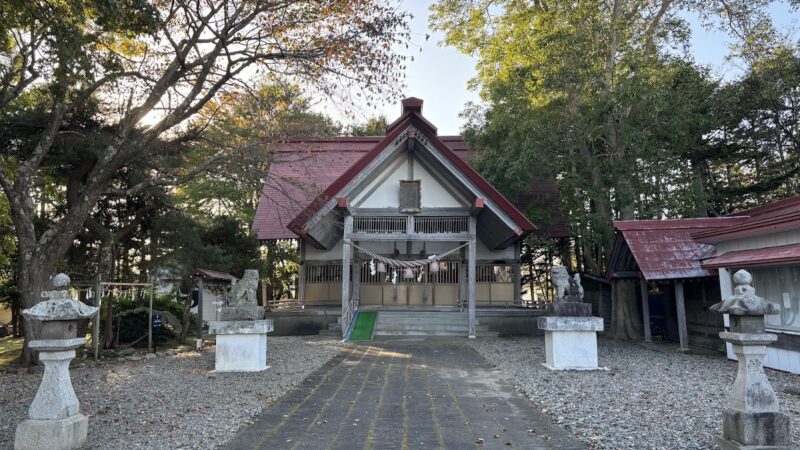
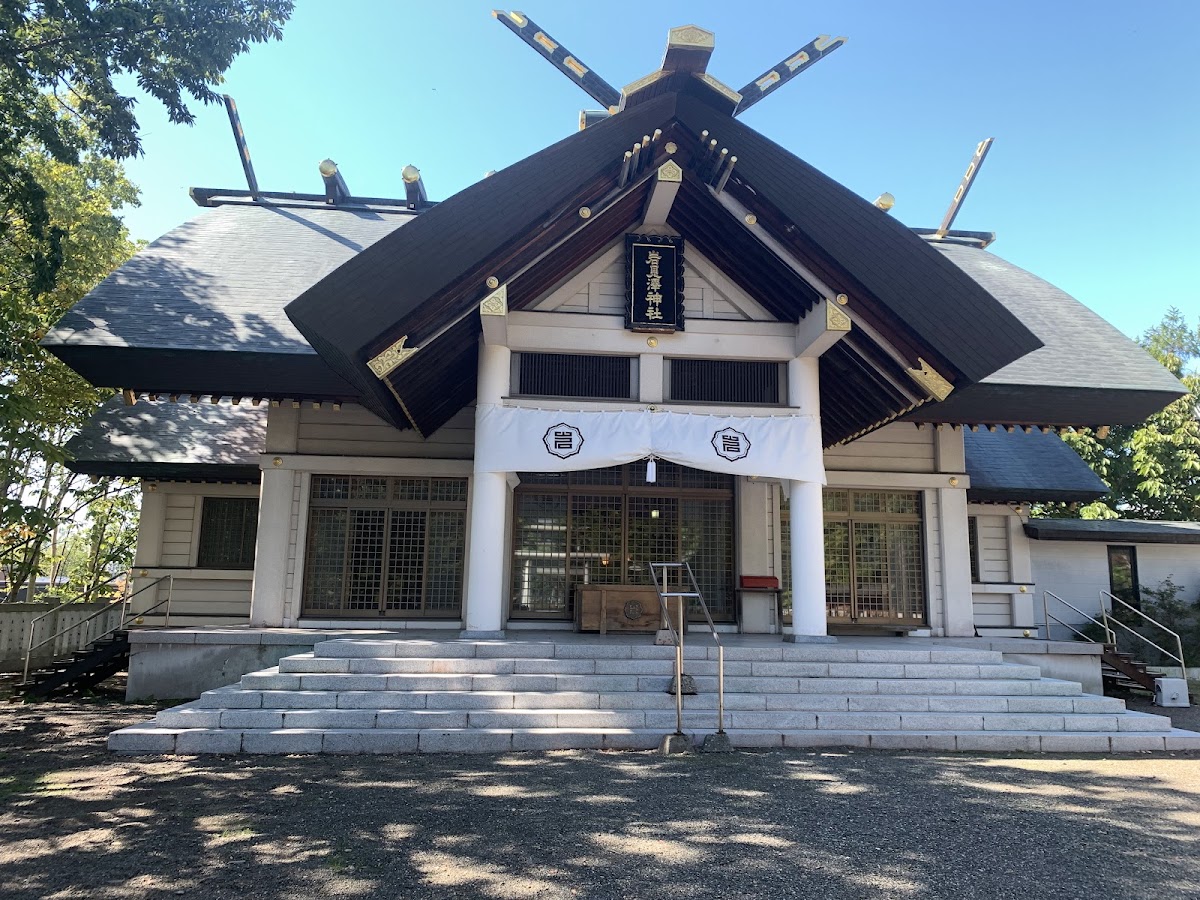
Shinmei-zukuri Style Shrine
The shrine building of Kitamura Shrine is constructed in the Shinmei-zukuri style. Shinmei-zukuri is the oldest style of shrine architecture in Japan, exemplified by Ise Grand Shrine, and is characterized by its simple and pure beauty.
Features of Shinmei-zukuri can be seen, such as the gable roof, the ridge with chigi and katsuogi, and the linear structure. It is thought that this style was chosen because Amaterasu Omikami is enshrined as the principal deity.
Komainu (Guardian Dogs)
A pair of lion-dogs are enshrined on the shrine grounds. Komainu are guardian beasts of the shrine, playing a role in warding off evil spirits and protecting the sacred area. The guardian lion-dogs (komainu) at Kitamura Shrine possess a powerful, distinctive style characteristic of Hokkaido shrines, making them a must-see attraction for visitors.
Ginkgo Trees and the Seasons
The shrine grounds boast magnificent ginkgo trees, offering stunning autumn foliage. Many visitors come specifically to see the ginkgo leaves, with the best viewing time being early November.
The grounds are also known for their abundance of fallen ginkgo nuts, and it’s common to see local residents collecting them. Enjoy the beautiful scenery throughout the seasons: fresh green in spring, deep green in summer, golden in autumn, and a blanket of snow in winter.
Spacious Grounds
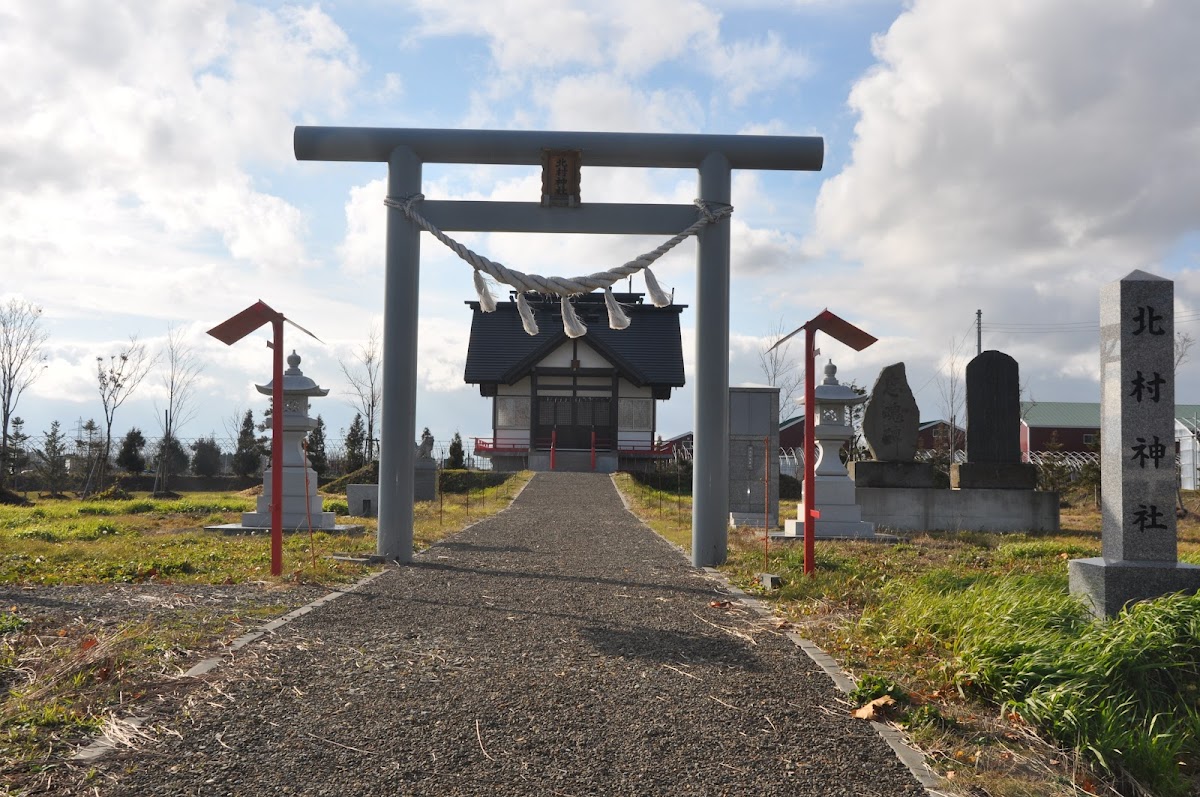
The spacious 1260-tsubo (approximately 4,000 square meters) grounds provide a relaxed environment for worship. The quiet and peaceful atmosphere allows for a calm and peaceful visit.
Access
Access by Car
Kitamura Shrine is most easily accessible by car.
From Sapporo:
- Take National Route 12 towards Iwamizawa, then from Iwamizawa city center, take Hokkaido Prefectural Road 6 (Iwamizawa-Tsukigata Line) towards Kitamura.
- Travel time: Approximately 1 hour from central Sapporo.
From Iwamizawa city center:
- Head north on Hokkaido Prefectural Road 6 (Iwamizawa-Tsukigata Line) towards Kitamura.
- Travel time: Approximately 20 minutes.
There is parking available for visitors on the temple grounds, so you can visit by car.
Access by Public Transportation
By JR:
- Get off at JR Hakodate Main Line “Iwamizawa Station”.
- Take a taxi or bus from Iwamizawa Station towards Kitamura.
- Travel time: Approximately 20-30 minutes from Iwamizawa Station.
The Kitamura area is located in a rural area, so public transportation is limited. We recommend checking transportation options before your visit.
Landmarks in the Surrounding Area
Kitamura Shrine is located in the Kitamura Hokuto district of Iwamizawa City, in a quiet environment surrounded by farmland. It is relatively easy to find, situated along Hokkaido Prefectural Road 6 (Iwamizawa-Tsukigata Line).
History and Development of the Kitamura Region
Origins of Kitamura
Kitamura is a region where significant development took place from the late Meiji period to the Taisho period. Several farms, such as Uno Farm and Mori Farm, were established, and settlers migrated from various parts of Honshu.
Under harsh climatic conditions, the settlers cleared the primeval forests and created farmland. Agriculture, primarily rice cultivation, was practiced, and gradually a settlement formed.
The Role of Kitamura Shrine
During the pioneering period, shrines held more significance than merely places of worship. They were a spiritual anchor for the settlers and the center of the community.
Kitamura Shrine was deeply rooted in the lives of the settlers, serving as a place to pray for the success of development, give thanks for bountiful harvests, and seek protection from illness. Festivals and other events provided valuable opportunities for scattered settlers to gather, exchange information, and deepen their camaraderie.
Modern Kitamura and the Shrine
The current Kitamura area is part of Iwamizawa City and is a region where agriculture is the main industry. Rice cultivation is the primary focus, but vegetable cultivation is also practiced.
Kitamura Shrine has approximately 650 parishioners and continues to be revered by local residents as the guardian shrine of Kitamura. Many worshippers visit during New Year’s and annual festivals, and it continues to play a central role in the local community.
Manners and Etiquette for Worship
Basic Worship Etiquette
There are basic manners to observe when visiting a shrine. When visiting Kitamura Shrine, please observe the following etiquette.
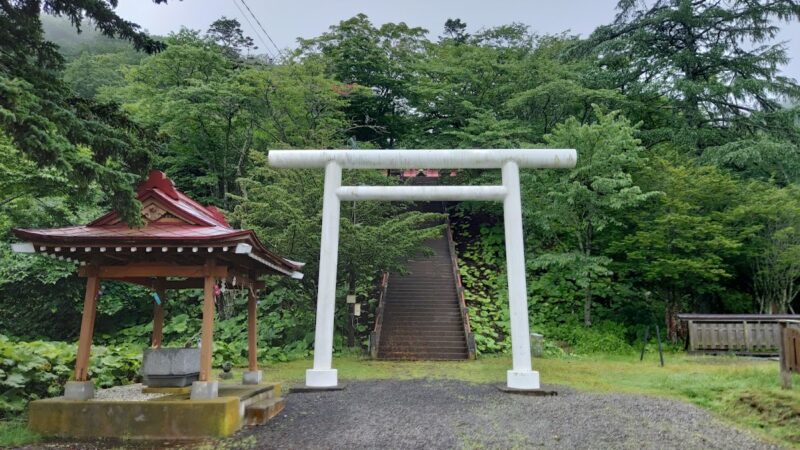
How to Pass Through a Torii Gate:
- Bow before passing through the torii gate.
- Walk along the edge of the path, as the center is considered the path of the gods.
How to Wash Your Hands:
- Take the ladle in your right hand and wash your left hand.
- Switch the ladle to your left hand and wash your right hand.
- Switch the ladle back to your right hand, receive water in your left hand, and rinse your mouth.
- Finally, stand the ladle upright and wash the handle.
Worship at the Main Hall:
- Gently place your offering in the offering box.
- If there is a bell, ring it.
- Perform the two bows, two claps, one bow (bowing deeply twice, clapping twice, bowing deeply once).
Attire and Mindset When Visiting a Shrine
Shrines are sacred places, so please visit in clean clothing. Special formal attire is not necessary, but it is advisable to avoid revealing or overly flashy clothing.
When visiting the shrine, calm your mind, express your gratitude for everyday blessings, and pray for future peace. It’s important to express gratitude as well as make wishes to the gods.
Nearby Attractions
Kitamura Onsen
The Kitamura area is home to Kitamura Onsen, where you can relax and enjoy the hot springs after visiting the shrine. This hot spring facility is beloved by locals, and day trips are also available.
Tourist Attractions in Iwamizawa City
There are other attractions in Iwamizawa city:
Iwamizawa Shrine: A shrine located in the heart of Iwamizawa city, visited by those associated with Kitamura Onsen on New Year’s Day.
Iwamizawa Park: A vast park famous for its rose garden.
Hokkaido Greenland: A popular amusement park for families.
Hokkaido’s Shrine Culture
Hokkaido Shrine Association
Kitamura Shrine belongs to the Hokkaido Shrine Association. The Hokkaido Shrine Association is the organization that oversees shrines throughout Hokkaido, responsible for their maintenance and management, the training of Shinto priests, and the promotion of Shinto culture.
The Hokkaido Shrine Association’s website provides information on shrines throughout Hokkaido, the basics of Shinto rituals, guidance on Gagaku (ancient Japanese court music), and Hokkaido’s annual events, allowing visitors to learn about shrine culture.
Settlement and Shrines
Many of Hokkaido’s shrines were founded during the settlement period after the Meiji era. Settlers established shrines in their new lands by inviting divided spirits from their hometown shrines or receiving divided spirits of the three pioneering deities from Hokkaido Shrine (then Sapporo Shrine).
These shrines are valuable cultural heritage sites that convey the harsh history of settlement and form the core of regional identity.
The Rank of Village Shrines
The former rank of Kitamura Shrine was “Village Shrine.” Shrine ranks were a system of ranking shrines that existed from the Meiji era until the end of World War II, with classifications such as Kanpei-sha (government-supported shrines), Kokuhei-sha (national shrines), Fuken-sha (prefectural shrines), Go-sha (village shrines), and Mura-sha (village shrines). Village shrines were positioned as the central shrines of villages (towns and villages) and served as the center of faith for local residents. Although the shrine ranking system has been abolished, the designation “former village shrine” still indicates its historical significance.
Summary
Kitamura Shrine, located in Kitamura, Iwamizawa City, Hokkaido, is a revered shrine with a history of over 120 years since its founding in 1895 (Meiji 28), and is the guardian shrine of Kitamura.
It enshrines the three pioneering deities (Amaterasu Omikami, Okunitama no Kami, Onamuchi no Kami, and Sukunahikona no Kami) and has played an important role as a spiritual center for the local people since the pioneering era. The shrine grounds offer many points of interest, including a Shinto-style shrine building, a pair of guardian lion-dogs, and a beautiful ginkgo tree, allowing visitors to enjoy the changing seasons.
Annual events, including the annual festival on September 8th, remain important opportunities for the local community, attracting many visitors, including approximately 650 parishioners.
When you visit Iwamizawa City, be sure to stop by Kitamura Shrine, which preserves the history of Hokkaido’s development. In its quiet and peaceful grounds, you can spend a serene time praying, reflecting on the hardships and faith of the pioneers who pioneered the area.