Sunagawa Shrine Complete Guide | History, Goshuin (Shrine Seals), Access, and Blessings Explained in Detail
Sunagawa Shrine, located in Sunagawa City, Hokkaido, is a historic shrine that has been cherished by the local community since the Meiji era. It held the high status of a prefectural shrine in its former days, and in spring, the cherry blossoms bloom beautifully, attracting many worshippers throughout the year. This article provides a detailed explanation of Sunagawa Shrine’s history, enshrined deities, goshuin (shrine seals), access methods, annual events, and other information you should know before visiting.
Basic Information about Sunagawa Shrine
Sunagawa Shrine is located at 3-12, Higashi 5-jo Minami 4-chome, Sunagawa City, Hokkaido, and enshrines three deities: Amaterasu Omikami, Toyouke-hime no Mikoto, and Okuninushi no Mikoto.
Location and Contact Information
- Location: 3-12, Higashi 5-jo Minami 4-chome, Sunagawa City, Hokkaido 073-0135
- Former Shrine Rank: Prefectural Shrine
- Annual Festival Date: August 26th
- Subsidiary Shrines: Santoku Inari Shrine, Misuna Shrine
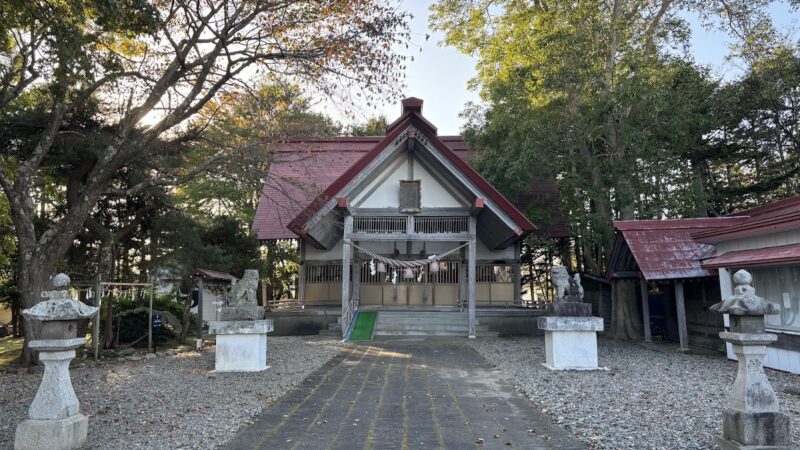
The lush, spacious grounds offer a tranquil atmosphere where visitors can enjoy the changing seasons.
History and Origins of Sunagawa Shrine
From Founding to the Nae Shrine Era (Meiji 24 – Meiji 33)
The history of Sunagawa Shrine dates back to Meiji 24 (1891). It began when Shozo Ito and several others consulted together, selected a hill at 161 Minami Honmachi, Sunagawa Town, erected a wooden marker, and enshrined Miyoshi Shrine.
During the construction in 1892 (Meiji 25), a proposal arose among the residents to “make the Grand Shrine of Ise the local guardian deity,” and in 1893 (Meiji 26), it was officially established as a place of worship for the Grand Shrine of Ise. During this period, faith in the Grand Shrine of Ise was spreading among the Hokkaido settlers, and its influence was also seen in Sunagawa.
In 1900 (Meiji 33), Haruta Benzui, Yamaguchi Seiichi, and several others initiated the application to establish the first formal shrine, and it was approved in April 1901 (Meiji 34) as “Nae Shrine.”
Renaming to Sunagawa Shrine (1906 (Meiji 39)
In May 1906 (Meiji 39), an application was filed for a name change, relocation of the shrine, and sale of the surrounding land. In June of the same year, the shrine’s name was changed to its current name, “Sunagawa Shrine.” This name change is thought to have been intended to clarify its character as the guardian shrine of Sunagawa town by incorporating the local name.
Promotion to Prefectural Shrine and Development
Afterward, Sunagawa Shrine gained reverence along with the development of the region and was elevated to the rank of a prefectural shrine. Prefectural shrines in Hokkaido are positioned as highly prestigious shrines within the prefecture, and Sunagawa Shrine has played an important role as a representative shrine of the central Sorachi region.
Deities and Blessings
Sunagawa Shrine enshrines three deities, each possessing different divine virtues.
Amaterasu Omikami
The supreme deity in Japanese mythology, a goddess who personifies the sun. She is the ancestral deity of the Imperial family and is enshrined in the Inner Shrine of Ise Grand Shrine. She is believed to bring blessings of national peace and security, good fortune, and the fulfillment of all wishes.
Toyouke-hime no Mikoto
The goddess who presides over food and grains, and is the enshrined deity of the Outer Shrine of Ise Grand Shrine. She is worshipped as the guardian deity of abundant harvests, industrial development, and clothing, food, and shelter. In Sunagawa during the pioneering era, it attracted the faith of people praying for agricultural success.
Okuninushi-no-Mikoto
Okuninushi-no-Mikoto is a god of nation-building, known as the enshrined deity of Izumo Taisha Shrine. He is believed to grant a wide range of blessings, including matchmaking, business prosperity, healing from illness, and good fortune. Affectionately known as “Daikoku-sama,” he is also worshipped as a god of fortune.
Through these three deities, Sunagawa Shrine is cherished by the local people as a shrine that bestows comprehensive blessings, including good fortune, abundant harvests, business prosperity, matchmaking, and family safety.
Highlights of the Shrine Grounds
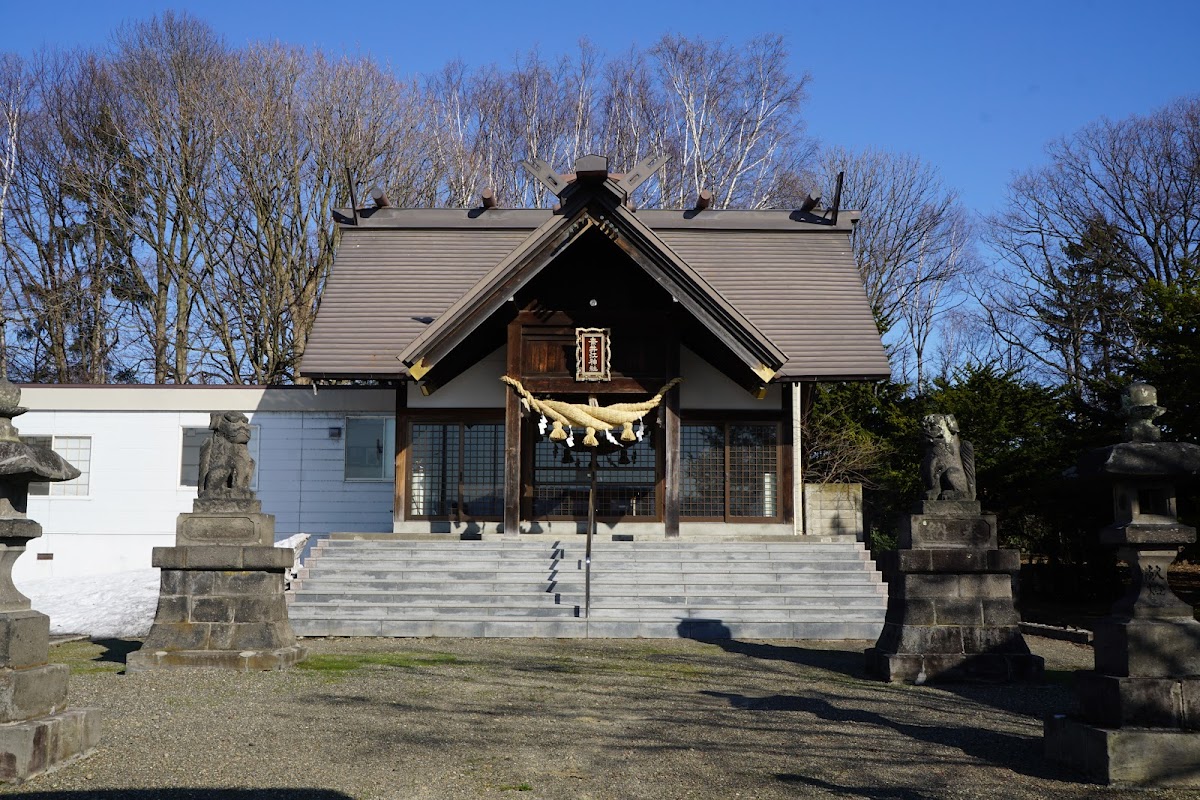
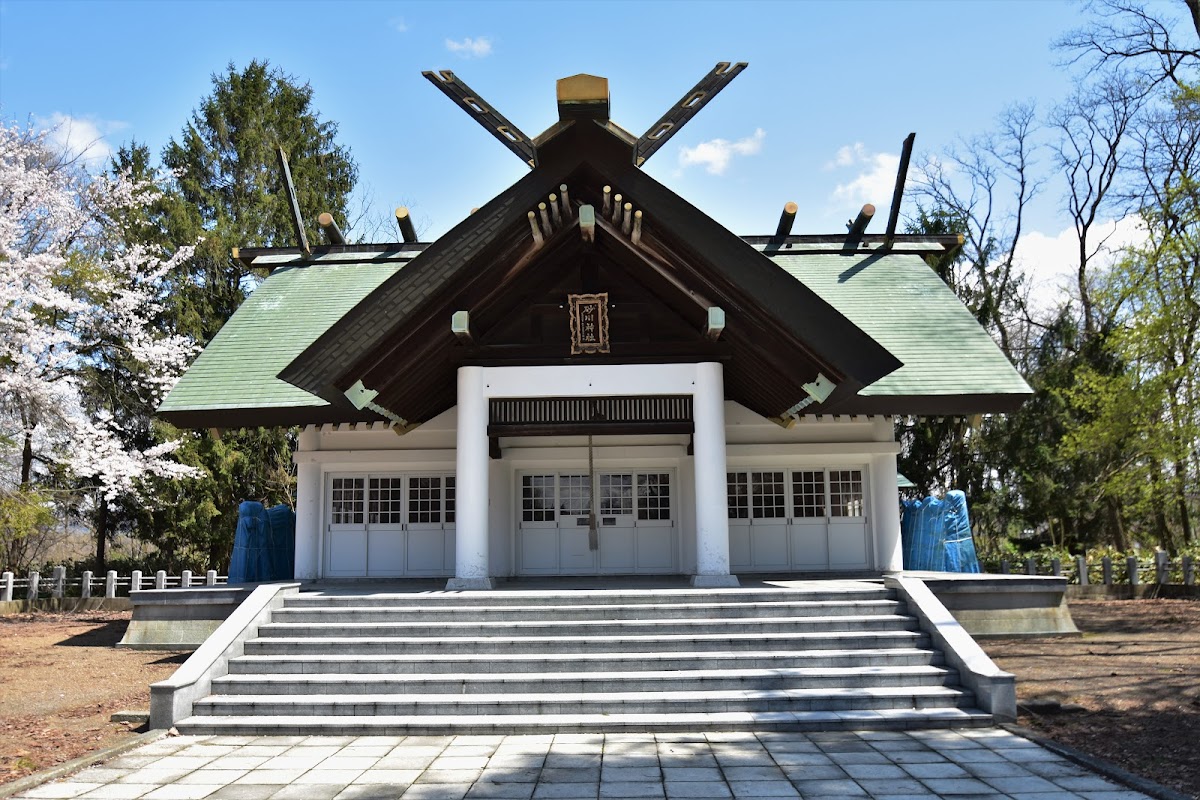
Main Hall and Worship Hall
The main hall and worship hall of Sunagawa Shrine are built in a magnificent style characteristic of Hokkaido shrine architecture. Worshippers pray at the worship hall using the ritual of two bows, two claps, and one bow.
Shrine within the grounds: Mitoku Inari Shrine
The Mitoku Inari Shrine is located within the grounds, attracting worshippers seeking blessings for business prosperity and abundant harvests. Inari worship has been widely popular among ordinary people since the Edo period, and is deeply revered in Sunagawa.
Shrine within the grounds: Misuna Shrine
Misuna Shrine is also enshrined within the grounds and is revered as the guardian deity of the region.
Charm as a Cherry Blossom Spot
In spring, Sunagawa Shrine is known as a popular spot for cherry blossom viewing, with the cherry blossoms blooming profusely within its grounds. The pink of the cherry blossoms stands out against the lush greenery, delighting visitors. The grounds, overflowing with flowers and trees, are a place of relaxation where one can feel the beauty of nature throughout the seasons.
Tranquil Worship Environment
The spacious grounds are surrounded by greenery, offering a quiet environment for worship, far removed from the hustle and bustle of the city. It is a representative healing spot in Sunagawa where you can find peace of mind while strolling slowly.
Goshuin Information
About the Issuance of Goshuin
Sunagawa Shrine offers Goshuin (temple/shrine stamps). Goshuin are important as proof of worship and as a way to forge a connection with the shrine.
Features of the Goshuin
Sunagawa Shrine’s Goshuin includes the shrine’s name, the date of visit, and the shrine’s seal. For those collecting Goshuin, the Goshuin from Sunagawa Shrine, a prefectural shrine in Hokkaido, will be a valuable item.
Manners When Receiving a Goshuin
- Please complete your worship before receiving your Goshuin.
- Having your Goshuincho (stamp book) ready will make the process smoother.
- Please prepare the offering (Goshuin fee).
- Don’t forget to express your gratitude to the shrine priest.
Goshuin are not merely stamps; they are important proof of a connection with the gods. Please receive them with sincerity and respect during your worship.
Access Methods
Access by Public Transportation
Using the JR Hakodate Main Line
- Nearest Station: Sunagawa Station, JR Hakodate Main Line
- Distance from Station: Approximately 15-20 minutes on foot
- Taxi: Approximately 5 minutes by taxi from Sunagawa Station
Sunagawa Station is approximately 1 hour from Sapporo Station by limited express train and approximately 1 hour 30 minutes by local train. It is approximately 40 minutes from Asahikawa by limited express train.
Access by Local Bus
- Chuo Bus: Within walking distance from Sunagawa Terminal
- There is also a bus route that circulates within Sunagawa city; you can get off at a bus stop near the shrine.
Access by Car
Access by Expressway
- Dōō Expressway: Approximately 5 minutes from Sunagawa SA (Highway Oasis)
- From Sunagawa IC, head towards the city center.
Access by Local Roads
- National Route 12: Accessible from Sapporo and Asahikawa
- Located east of the city center.
Parking Information
There is a parking lot for visitors on the shrine grounds. It can get full during busy times such as New Year’s Day and the annual festival, so it is recommended to visit with plenty of time to spare.
Annual Events and Festivals
Annual Festival (August 26th)
The annual festival, the most important festival of Sunagawa Shrine, is held every year on August 26th. Local people gather to express gratitude to the gods and pray for the prosperity of the community. You can enjoy the atmosphere of a traditional festival, including the portable shrine procession and dedication ceremonies.
New Year’s Visit (January 1st-3rd)
Many worshippers from both within and outside Sunagawa City visit the shrine for the New Year’s visit. The shrine grounds are bustling with people praying for safety and happiness throughout the year. Warm hospitality, such as the serving of amazake (sweet rice wine), is also offered.
Setsubun Festival (Around February 3rd)
The Setsubun Festival, held the day before the beginning of spring, includes ceremonies such as bean-throwing. It is a traditional event cherished by local people, praying for protection from evil and good fortune.
Shichi-Go-San Festival (November)
During the Shichi-Go-San festival, which celebrates the growth of children, many families visit the shrine. Children in their finest attire fill the shrine grounds, creating a heartwarming scene.
Other Annual Events
- Spring Festival: A festival celebrating the arrival of spring.
- Autumn Festival: A festival offering thanks for the harvest.
- Monthly Festival: A regular festival held every month.
The Relationship Between Sunagawa City and Sunagawa Shrine
As the Guardian Shrine of the Region
Sunagawa Shrine has watched over the development of the Sunagawa region since the pioneering days of the Meiji era. The pioneers, facing a harsh natural environment, found solace in their faith in the gods. Sunagawa Shrine has served as the guardian shrine of the region, a spiritual anchor for the residents.
History and Development of Sunagawa City
Sunagawa City has a history of prosperity from the coal industry and was once a bustling coal mining town. After changes in the industrial structure, it is now a region centered on agriculture and commerce. Sunagawa Shrine has always been with the people of the region, watching over the changes of the times.
Contribution to Culture and Education
The shrine has also functioned as a cultural hub for the region. Sunagawa Shrine plays an important role in the local community through the transmission of traditional culture via festivals and moral education for children.
Manners and Etiquette for Visiting the Shrine
How to Pass Through the Torii Gate
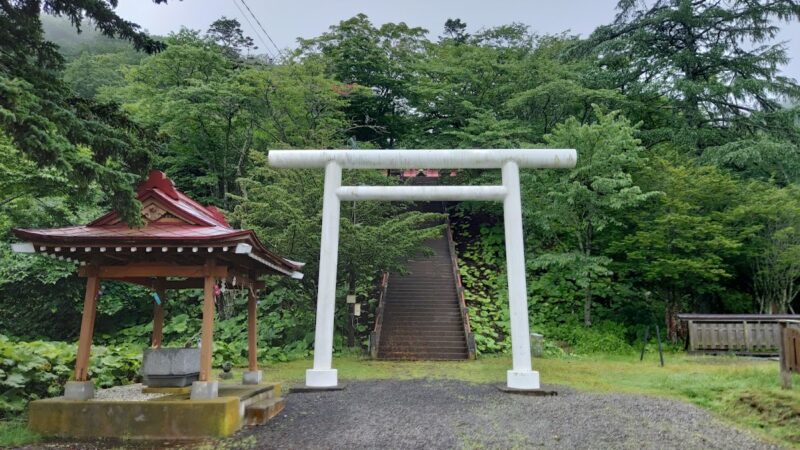
The torii gate is the entrance to the sacred area. Bow before passing through the gate, and walk along the path avoiding the center (the center is considered the path of the gods).
Proper Hand-Washing Ritual
- Take the ladle with your right hand and wash your left hand.
- Switch the ladle to your left hand and wash your right hand.
- Switch the ladle back to your right hand, receive water in your left hand, and rinse your mouth.
- Wash your left hand again.
- Hold the ladle upright, let water flow down the handle, and return it to its original position.
Proper Worship Ritual at the Main Hall
- Bow slightly before the offering box.
- Gently place your offering in the box.
- Ring the bell if there is one.
- Two bows, two claps, one bow.
- Bow deeply twice.
- Clap your hands twice at chest height.
- Pray with sincerity.
- Bow deeply once.
Attire for Worship
There are no specific rules, but be mindful that you are standing before the gods and dress in clean and respectful attire.
Nearby Tourist Attractions
Sunagawa Highway Oasis
Located next to the Sunagawa Service Area on the Hokkaido Expressway, this facility offers local products from Sunagawa City and souvenirs from Hokkaido. The restaurant serves dishes made with local ingredients.
Kita-Sengakuji Temple
A historic temple in Sunagawa City, its tranquil grounds offer a peaceful atmosphere.
Children’s Land
A popular leisure facility for families, featuring playgrounds and nature spread across a vast area.
Sunagawa City Local History Museum
A facility where you can learn about the history and culture of Sunagawa, exhibiting materials from the coal mining era.
Seasons at Sunagawa Shrine
Spring: Cherry Blossom Season
From late April to early May, the cherry blossoms on the shrine grounds are in full bloom. The shrine is bustling with visitors enjoying the blossoms, making it a beautiful season to truly feel the arrival of spring.
Summer: Festival Season
Centered around the annual festival in August, summer is the most vibrant season for the shrine. The lush, green grounds offer a cool and refreshing atmosphere, perfect for a stroll.
Autumn: Season of Autumn Leaves
Around October, the trees on the grounds change color, ushering in a beautiful season of autumn foliage. Visiting the shrine in the crisp autumn air is a particularly special experience.
Winter: Season of Silence
The snow-covered grounds are enveloped in silence, creating a solemn atmosphere. For New Year’s visits, you can offer prayers amidst the snowy landscape.
Relationship with the Hokkaido Shrine Association
Sunagawa Shrine belongs to the Hokkaido Shrine Association and holds an important position among shrines in Hokkaido. The Hokkaido Shrine Association is an organization that oversees shrines in Hokkaido, responsible for shrine maintenance, training of Shinto priests, and the promotion of Shinto culture.
Sunagawa Shrine holds the status of a prefectural shrine and is featured in detail on the Hokkaido Shrine Association’s website. For those touring shrines in Hokkaido, Sunagawa Shrine is an essential stop.
Frequently Asked Questions (FAQ)
Q1: When can I get a Goshuin (temple/shrine stamp) at Sunagawa Shrine?
A1: Goshuin are given out during the hours the shrine office is open. However, they may not be available if the priests are absent or during festivals, so if you want to be sure to get a Goshuin, we recommend contacting them in advance. It is considered good manners to receive a Goshuin after completing your prayers.
Q2: What is the most convenient way to access Sunagawa Shrine?
A2: If you are traveling by car, it is very easily accessible, about 5 minutes from the Sunagawa Service Area on the Hokkaido Expressway. If using public transportation, it is a 15-20 minute walk or about 5 minutes by taxi from Sunagawa Station on the JR Hakodate Main Line. There is also a parking lot, making access by car convenient.
Q3: Can I have a wedding ceremony or prayers at Sunagawa Shrine?
A3: Sunagawa Shrine offers Shinto wedding ceremonies and various prayers. We offer prayers for various occasions, including a baby’s first shrine visit, Shichi-Go-San (a traditional rite of passage for children), protection from evil, family safety, and business prosperity. For details, please contact the shrine directly. Advance reservations may be required, so we recommend contacting us well in advance.
Q4: When is the annual festival at Sunagawa Shrine? Can I visit?
A4: The annual festival at Sunagawa Shrine is held every year on August 26th. It is the shrine’s most important event, and the general public is welcome to visit and participate. You can enjoy the atmosphere of a traditional festival, including the portable shrine procession and offering ceremonies. It’s also an opportunity to interact with local residents, so please do come and visit.
Q5: Please tell me about the subsidiary shrines within the grounds of Sunagawa Shrine.
A5: Within the grounds of Sunagawa Shrine are two subsidiary shrines: Santoku Inari Shrine and Misuna Shrine. Santoku Inari Shrine is believed to bring blessings for business prosperity and abundant harvests, and is popular among those who practice Inari worship. Misuna Shrine is enshrined as the guardian deity of the region. When visiting the main shrine, we recommend also visiting these smaller shrines within the grounds.
Q6: How crowded is it during the New Year’s visit period?
A6: During the New Year’s visit period (January 1st to 3rd), many worshippers come from both inside and outside Sunagawa City, so it gets particularly crowded on the morning of New Year’s Day. The parking lot can also become full, so it’s a good idea to visit with plenty of time to spare, or consider visiting after the first three days of the year. Please also remember to dress warmly.
Q7: What are some particularly important events in the history of Sunagawa Shrine?
A7: Important events in the history of Sunagawa Shrine include its founding in 1891 (Meiji 24), its formal establishment as Nae Shrine in 1901 (Meiji 34), and its renaming to Sunagawa Shrine in 1906 (Meiji 39). The renaming to Sunagawa Shrine, in particular, was a significant turning point that clearly established its character as the guardian shrine of the region. Its designation as a prefectural shrine demonstrates the shrine’s status and importance in the region.
Q8: When is the best time to see the cherry blossoms?
A8: The best time to see the cherry blossoms at Sunagawa Shrine is usually from late April to early May. Spring arrives later in Hokkaido than in Honshu, but this means you can enjoy the cherry blossom season for a longer period. When the blossoms are in full bloom, the shrine grounds are dyed pink, creating a truly beautiful sight. Visiting the shrine while enjoying the cherry blossoms is highly recommended. The blooming period varies from year to year, so it’s a good idea to check before visiting.
Summary
Sunagawa Shrine has a history of over 130 years, dating back to the Meiji era’s pioneering period, and is a venerable shrine that has walked hand in hand with the development of Sunagawa City. It enshrines three deities: Amaterasu Omikami, Toyouke-hime no Mikoto, and Okuninushi no Mikoto, and bestows a wide range of blessings, including good fortune, abundant harvests, business prosperity, and matchmaking.
Despite its status as a prefectural shrine and its affiliation with the Hokkaido Association of Shinto Shrines, Sunagawa Shrine boasts a warm, community-oriented atmosphere. The shrine grounds, where visitors can enjoy the beauty of each season—cherry blossoms in spring, the annual festival in summer, autumn foliage, and snowscapes in winter—offer tranquility and healing to all who visit.
It’s easily accessible, located within walking distance of JR Sunagawa Station and close to the Sunagawa Service Area on the Hokkaido Expressway. Goshuin (shrine stamps) are also available, making it a must-visit destination for those touring shrines in Hokkaido.
When visiting Sunagawa City, be sure to stop by Sunagawa Shrine and find peace in the serene atmosphere of this historic shrine, offering gratitude and prayers to the gods. It will surely be a memorable experience.