Naie Shrine Complete Guide | Deities, Goshuin (Shrine Seal), History, and Access Information [Sorachi District, Hokkaido]
Naie Shrine, located in Naie-cho, Sorachi District, Hokkaido, has long been a beloved shrine and a center of local faith. This article provides detailed information you should know before visiting Naie Shrine, including its deities, history, goshuin information, and access methods.
Basic Information on Naie Shrine
Naie Shrine (Naie Jinja) is a shrine located at 103-2 Naie-cho, Naie-cho, Sorachi District, Hokkaido. Its former shrine rank was Village Shrine. It is conveniently located behind JR Naie Station and is known as a shrine that attracts the faith of local residents.
Location and Contact Information
- Address: 103-2 Naie-cho, Naie-cho, Sorachi-gun, Hokkaido 079-0306, Japan
- Phone Number: 0125-65-2585
- Nearest Station: JR Hakodate Main Line, Naie Station (immediately behind the station)
Features of the Shrine
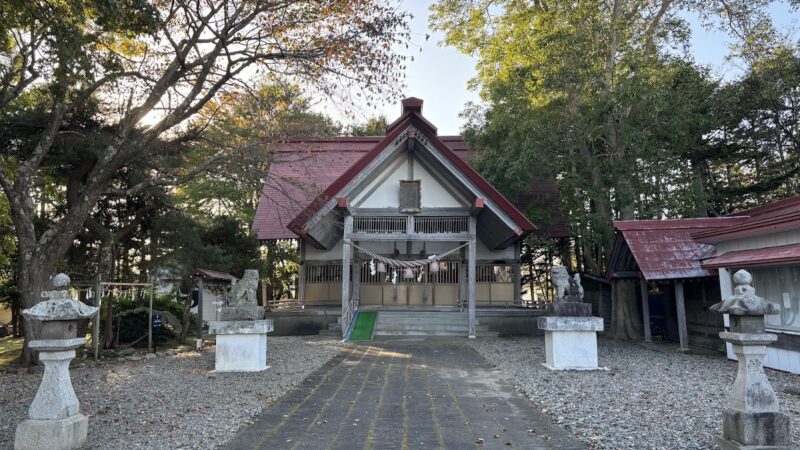
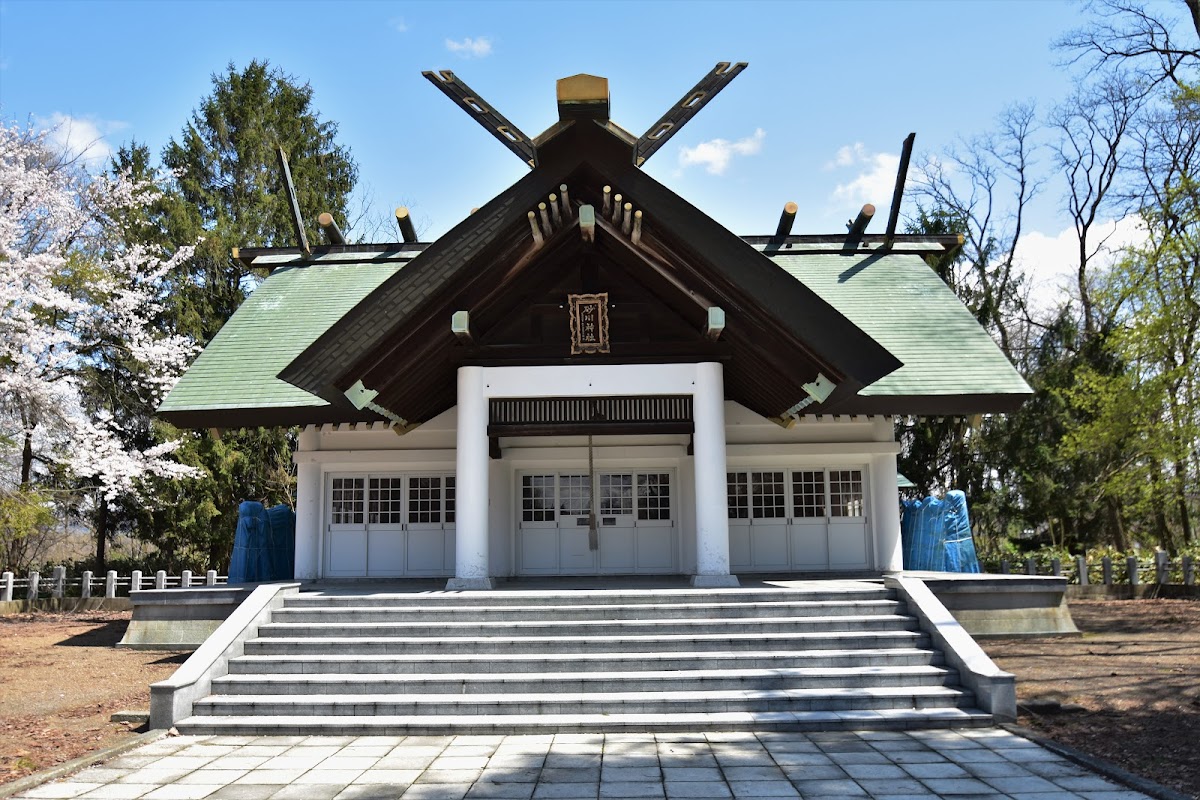
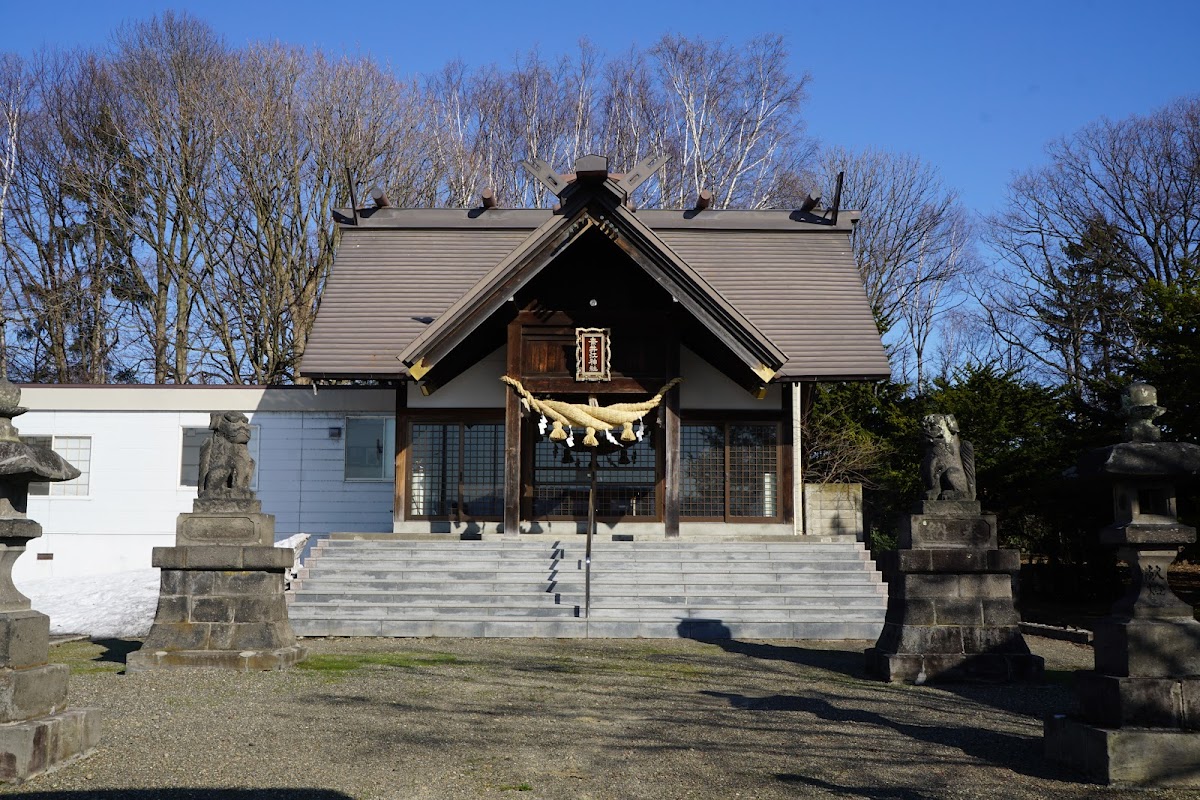
The shrine building of Naie Shrine is constructed in the Shinmei-zukuri style. Shinmei-zukuri is one of the oldest shrine architectural styles in Japan, exemplified by Ise Grand Shrine, and is characterized by its simple yet dignified construction.
- Shrine Style: Shinmei-zukuri
- Shrine Area: 26 tsubo
- Shrine Grounds Area: 3,786 tsubo
The vast grounds are enveloped in a tranquil atmosphere, providing an environment where visitors can worship while experiencing the changing seasons.
About the Deities Enshrined
Naie Shrine enshrines five deities. Let’s take a closer look at each of them.
Amaterasu Omikami
The supreme deity in Japanese mythology, the personification of the sun. Considered the ancestral deity of the Imperial family, she is enshrined at the Inner Shrine of Ise Grand Shrine. She bestows blessings of national peace and security, abundant harvests, and good fortune.
Toyouke-hime no Mikoto
The goddess who presides over food and grains, and the principal deity of the Outer Shrine of Ise Grand Shrine. As the guardian deity of clothing, food, and shelter, she attracts worshippers who pray for industrial development and bountiful harvests.
Okuninushi no Mikoto
A representative deity of the Kunitsukami, known as the principal deity of Izumo Taisha Shrine. Possessing diverse divine attributes such as nation-building, agriculture, commerce, and medicine, he is also famous for his blessings of matchmaking and family safety.
Kasuga Daimyojin
These deities were invited from Kasuga Taisha Shrine in Nara and refer to four gods: Takemikazuchi-no-Mikoto, Futsunushi-no-Mikoto, Amenokoyane-no-Mikoto, and Himegami. They are believed to bestow blessings of national protection, military success, and good fortune.
Hirose Okami
These deities are worshipped as gods of water and irrigation. With Hirose Taisha Shrine in Nara Prefecture as its main shrine, it is revered in agricultural regions as a god of abundant harvests and protection from floods.
The presence of these five deities indicates that Naie Shrine has played an important role as a place to pray for the peace and development of the region since the pioneering era.
History of Naie Shrine
Origins of Naie Town
Understanding the history of Naie Town is important for understanding the origins of Naie Shrine. Naie Town was formerly called “Nae Village,” and later renamed “Sunagawa Village.” In 1944 (Showa 19), it separated from Sunagawa Village to become “Naie Village,” and later became Naie Town upon the establishment of town status.
Origin of the Place Name
The place name “Naie” originates from the Ainu language, but there are several theories regarding its interpretation.
- Naey (naey or nae): One theory suggests it means “valley/river,” and that a river with high banks on both sides was called Naey.
- Naye (naye): Another theory suggests it means “that/river.”
It is believed that the Ainu people of the Kamikawa region called valleys and rivers “Nae,” and that the topographical features of this area are reflected in the place name.
Founding and Development of the Shrine
While there are no clear records regarding the founding date of Naie Shrine, it is presumed to have been established during the Meiji era, when the development of Hokkaido began in earnest, as a spiritual center for the settlers.
As its former shrine rank was “village shrine,” it was positioned as a central shrine for the local community and has attracted worshippers along with the development of the village (later town). Currently, it boasts 2,920 parishioner households and 5,000 worshippers, functioning as a shrine deeply rooted in the community.
Annual Festival and Events
Annual Festival Date
The annual festival of Naie Shrine is held on September 4th. The annual festival is the most important ceremony for the shrine, a Shinto ritual held once a year to express gratitude to the enshrined deity.
On the festival day, parishioners and worshippers gather, and the Shinto ritual is solemnly performed. It is an important opportunity to preserve local traditions and pass them on to future generations.
Annual Events at Shrines in Hokkaido
In Hokkaido, shrines generally hold the following annual events. It is possible that similar rituals are performed at Naie Shrine.
- Saitansai (January 1st): A festival celebrating the New Year
- Setsubunsai (around February 3rd): A ritual to ward off evil spirits through bean-throwing, etc.
- Kinensai (February 17th): A prayer for a bountiful harvest
- Natsukoshi no Oharae (June 30th): A purification ritual to cleanse away sins and impurities accumulated over the past six months
- Reisai (September 4th): The most important festival of the year
- Niinamesai (November 23rd): A ritual offering of new grain to the gods
- Toshikoshi no Oharae (December 31st): A purification ritual to cleanse away sins and impurities accumulated over the past year
When planning your visit, checking the dates of these events will allow for a deeper shrine experience.
About Goshuin (Shrine Seals)
How to Receive a Goshuin
You can receive a Goshuin at Naie Shrine. A Goshuin serves as proof of your visit and is an important symbol of your connection with the shrine.
Where to Receive: Shrine Office
The shrine office is located within the shrine grounds, and an intercom is installed at the entrance. However, since the shrine priest may not always be present, it is recommended to call ahead to confirm if you wish to receive a Goshuin.
Points to Note When Receiving a Goshuin (Shrine Stamp)
- Visit the shrine office after your visit (receiving a goshuin before visiting goes against the original purpose).
- Press the intercom and wait for a priest to respond.
- If no one is present, do not force it and visit again another day.
- Bring your goshuincho (stamp book) (confirm whether pre-written stamps are available).
- Prepare the offering fee (generally 300-500 yen).
Collecting goshuin can deepen your connection with the shrine through repeated visits, as the saying goes, “third time’s the charm.” Even if no one is present, consider it a positive opportunity to visit again.
Access and Parking Information
Access by Train
A short walk from Naie Station on the JR Hakodate Main Line
Naie Shrine is located behind JR Naie Station, making it very close to the station. It is easily accessible from both Sapporo and Asahikawa, making it convenient for those using public transportation.
- From Sapporo Station to Naie Station: Approximately 40 minutes by express train, approximately 1 hour 20 minutes by local train
- From Asahikawa Station to Naie Station: Approximately 50 minutes by local train
Access by Car
Access via National Route 12
If visiting by car, use National Route 12. Enter the town of Naie, turn right from the national highway, and the shrine is immediately after passing under the underpass.
- From Sapporo: Approximately 1 hour via National Route 12
- From Asahikawa: Approximately 40 minutes via National Route 12
Parking
There is parking space for visitors on the shrine grounds. It may get crowded during events such as festivals, so it is recommended to visit with plenty of time to spare.
Access by Bus
If using a local bus, the following bus stops are available.
- Naie Shrine Bus Stop: 2-minute walk (108m)
- Higashi 15 Bus Stop: 5-minute walk (339m)
- Kotobuki Danchi Bus Stop: 6-minute walk (470m)
Since bus service may be limited, it is recommended to check the timetable in advance.
Points of Interest and Highlights for Visiting
Atmosphere of the Shrine Grounds
Naie Shrine boasts a vast area of approximately 3,786 tsubo (about 12,500 square meters), characterized by its quiet and peaceful atmosphere. It offers an environment where you can escape the hustle and bustle of the city and visit the shrine in a calm and peaceful state of mind.
Silhouette of the Torii Gate in the Sunset
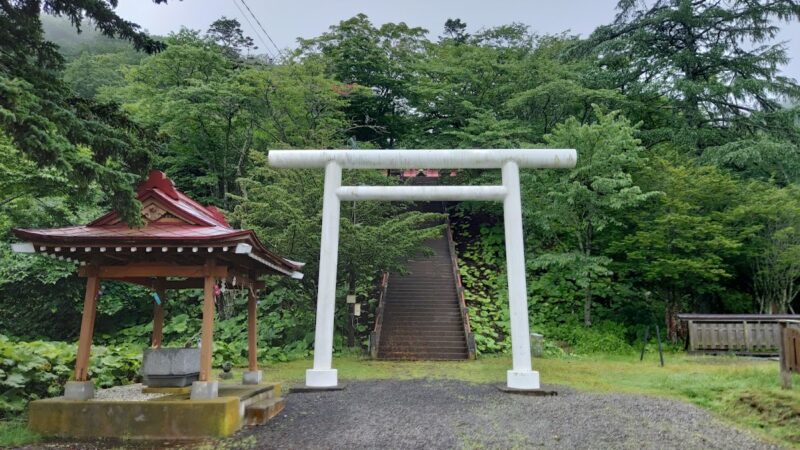
Naie Shrine is also known for the beautiful silhouette of its torii gate illuminated by the setting sun. Especially on days with good weather conditions, rainbows can sometimes be seen, allowing you to enjoy a scene where the beauty of nature and the sacred atmosphere of the shrine harmonize.
For those who enjoy photography, visiting the shrine at sunset will be a special experience.
Etiquette for Visiting a Shrine
Let’s review the basic etiquette for visiting a shrine.
- Bow before passing through the torii gate: As a sign of respect before entering the sacred area.
- Purify yourself at the water basin: Purify your left hand, then your right hand, then your mouth, and finally purify your left hand again.
- Walk along the edge of the path: The center is considered the path for the gods.
- Etiquette in front of the main hall: Two bows, two claps, one bow (bowing twice, clapping twice, bowing once).
- Bow when leaving the torii gate: As a farewell greeting to the gods.
Shrine Culture in Hokkaido and Naie Shrine
Relationship with the Hokkaido Association of Shrines
Naie Shrine belongs to the Hokkaido Association of Shrines. The Hokkaido Association of Shrines is an organization that oversees shrines in Hokkaido, and is responsible for the maintenance and management of shrines, the education of Shinto priests, and the promotion of Shinto culture.
The official website of the Hokkaido Shrine Association features information on shrines throughout Hokkaido, including Naie Shrine, which is helpful for gathering information before visiting.
Faith from the Pioneer Era
Many shrines in Hokkaido were founded by people who migrated from Honshu during the pioneering era after the Meiji Restoration. These settlers invited divided spirits from their hometown shrines and prayed for success and safety in their new land.
The five deities enshrined at Naie Shrine each represent different regions and religious backgrounds, reflecting the faith of the settlers who came from diverse backgrounds.
As a Center of the Local Community
Even today, Naie Shrine remains an important hub for the local community. The number of parishioner households (2,920) is remarkably high considering the town’s population size, demonstrating the strong ties with the local residents.
The annual festivals and various Shinto rituals serve as opportunities for intergenerational exchange and play a role in passing on the region’s traditional culture to future generations.
Nearby Tourist Attractions
Highlights of Naie Town
When visiting Naie Shrine, you can also enjoy nearby tourist attractions.
- Niwayama Forest Nature Park: A park rich in nature where you can enjoy hiking and birdwatching.
- Naie Town Local History Museum: Exhibits materials on the town’s history and pioneering era.
- Ishikari River: A representative river of Hokkaido where you can enjoy magnificent scenery.
Shrine Pilgrimage in the Sorachi Region
The Sorachi region, including Naie Town, is dotted with other historical shrines. If you are planning a shrine pilgrimage, why not visit the following shrines?
- Sunagawa Shrine (Sunagawa City)
- Takikawa Shrine (Takikawa City)
- Fukagawa Shrine (Fukagawa City)
Each of these shrines has its own unique history and charm, and is a valuable resource for understanding the pioneering history of the Sorachi region.
Attire and Manners for Visiting the Shrine
Regarding Attire
There are no specific dress code requirements for visiting Naie Shrine, but it is advisable to dress appropriately, keeping in mind that it is a sacred place.
- Aim for clean and presentable attire.
- Avoid clothing that exposes too much skin.
- Remove hats and sunglasses in front of the main hall.
Winter in Hokkaido is extremely cold, so warm clothing is essential. Conversely, insect repellent is recommended in summer.
Photography Manners
Photography is generally permitted on the shrine grounds, but please note the following:
- Permission may be required to photograph inside the main hall.
- Be considerate and avoid including other worshippers in your photos.
- Refrain from taking photos during religious ceremonies.
- Use tripods only in areas that do not obstruct other worshippers.
Mindset During Visit
Before being a tourist destination, a shrine is a place of worship for the local people. Please keep the following points in mind when visiting.
- Pray quietly (do not speak loudly)
- Do not run on the shrine grounds
- Always take your trash with you
- Be mindful of the sacred nature of the place
Summary
Naie Shrine is a historic shrine located in Naie-cho, Sorachi-gun, Hokkaido. It enshrines five deities, including Amaterasu Omikami, and has long been a center of local faith.
With its convenient location within walking distance of JR Naie Station, its dignified Shinto-style shrine buildings, and its vast grounds, it provides a tranquil environment for visitors. While it is possible to receive a Goshuin (shrine stamp), it is recommended to check in advance as priests may not always be present.
During annual events, including the festival on September 4th, the local community works together to preserve tradition. Deeply connected to the history of Hokkaido’s development, Naie Shrine is not merely a tourist spot, but continues to play an important role as a spiritual anchor for the people living in this area.
Naie-cho is located midway between Sapporo and Asahikawa. When traveling in Hokkaido, why not stop by Naie Shrine and experience the history of faith rooted in this northern land?