Complete Guide to Hōshōji Temples | A Thorough Explanation of the History, Access, and Highlights of Hōshōji Temples Nationwide
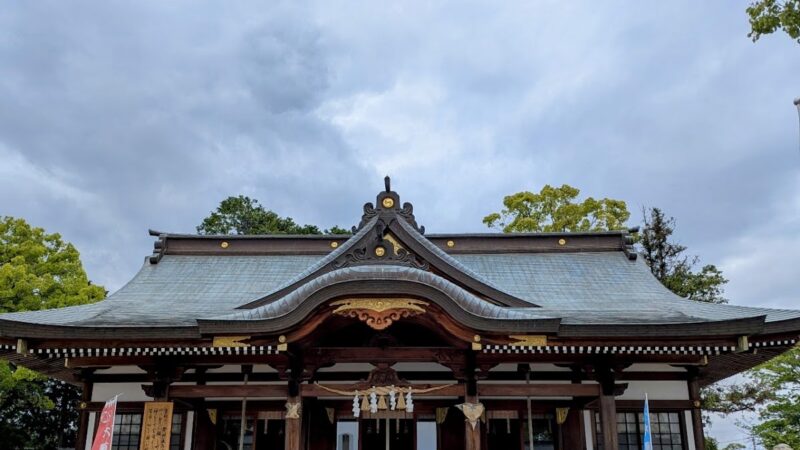
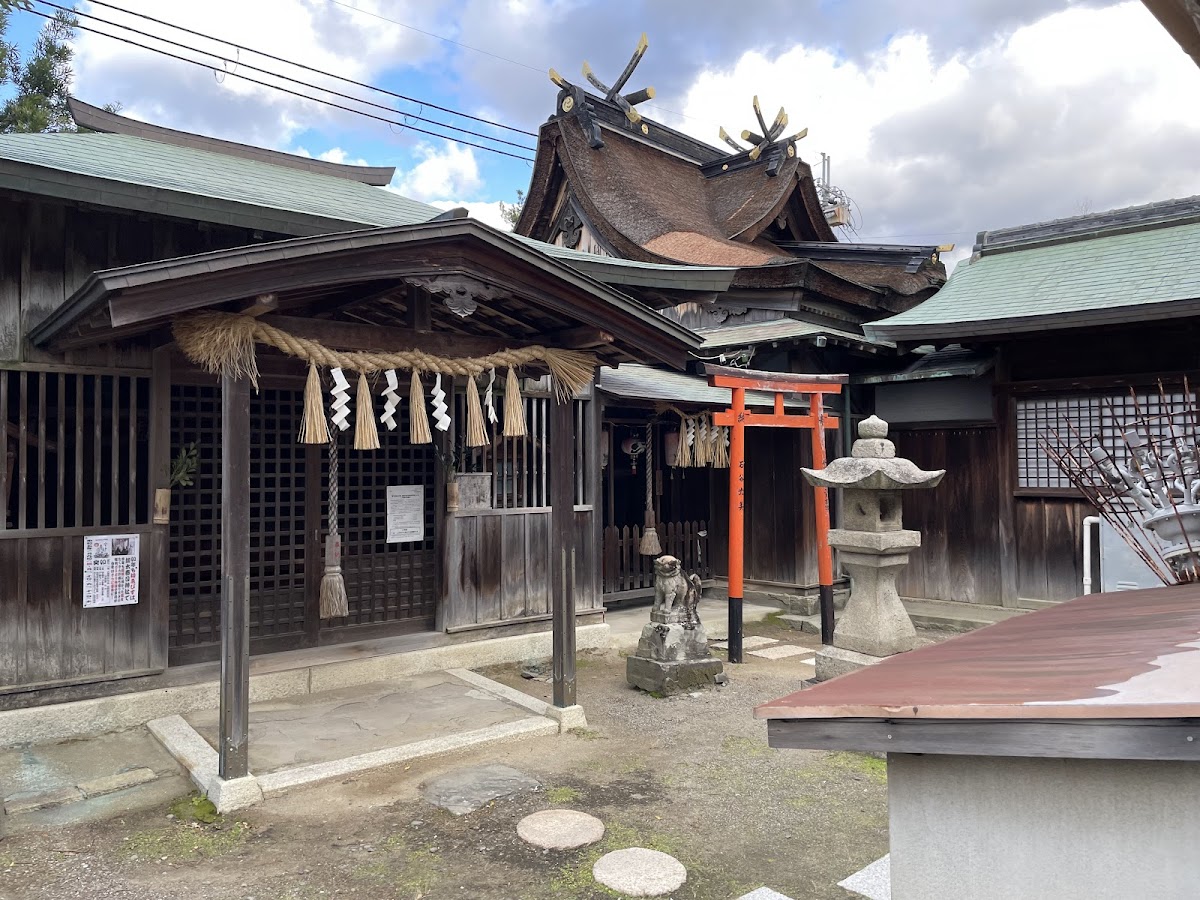
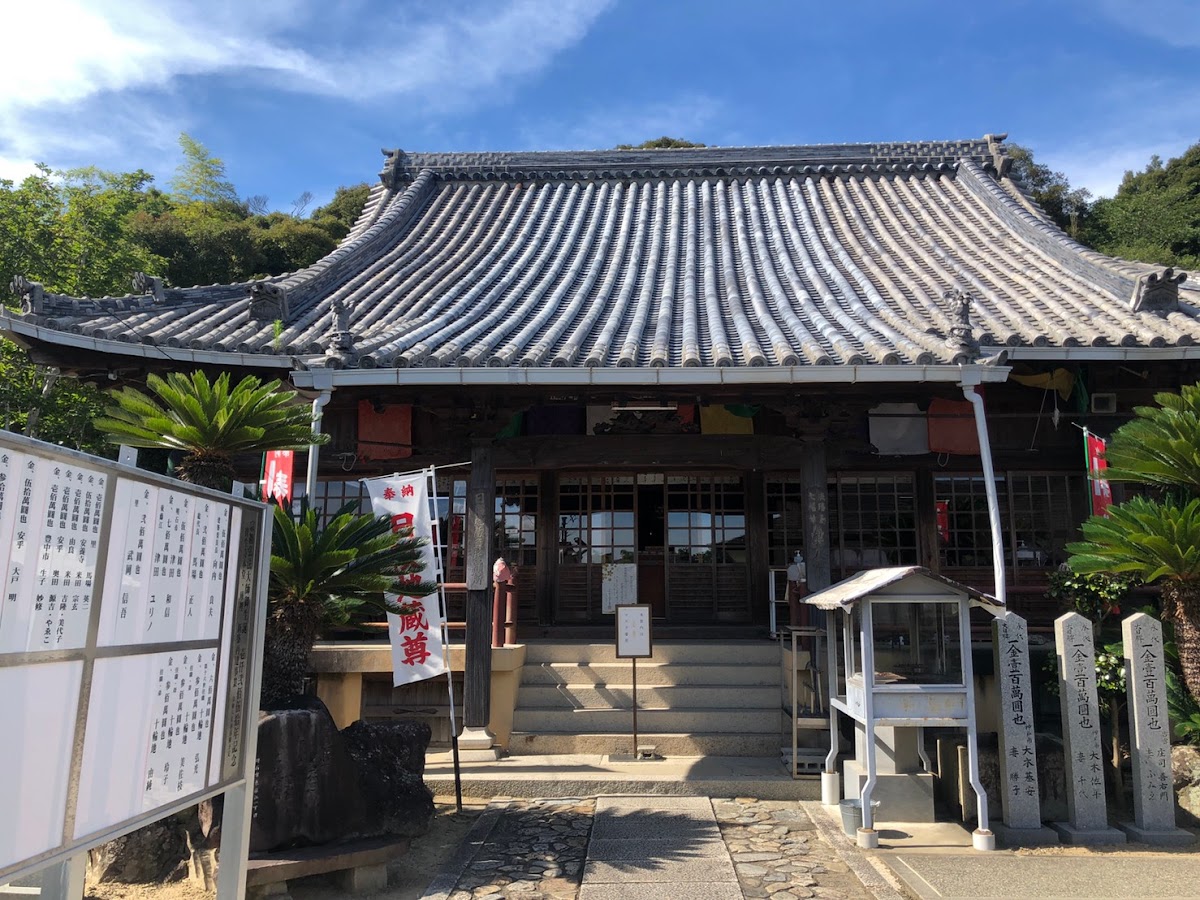
There are several temples named “Hōshōji” throughout Japan. Each has its own unique history and culture, and has been cherished as a center of local faith. This article provides a comprehensive overview of the history, principal image, access methods, and highlights of major Hōshōji temples, offering useful information for your visit.
What is Hōshōji?
Hōshōji is the name of temples found throughout Japan, each with its own distinct sect, history, and characteristics. The name “Hōshō” in Buddhism means a place where treasures are born, or a place that brings good fortune to people, and many Hōshōji temples have attracted the faith of local people.
This article focuses on the following particularly famous Hōshōji temples.
- Hōshōji Temple on Awaji Island (Hyogo Prefecture)
- Hōshōji Temple in Bungo-Ōno City (Ōita Prefecture)
- Hōshōji Temple in Hachiōji (Tokyo)
- Hōshōji Temple in Chigasaki (Kanagawa Prefecture)
- Hōshōji Temple in Yokohama (Kanagawa Prefecture)
- Hōshōji Temple in Seto (Aichi Prefecture)
- Hōshōji Temple in Nagaoka (Niigata Prefecture)
Hōshōji Temple on Awaji Island (Hyogo Prefecture) | Jurōjin, one of the Seven Lucky Gods of Awaji Island
History and Origin
Hōshōji Temple on Awaji Island is an ancient temple said to have been founded in 740 AD by the monk Gyōki at the command of Emperor Shōmu. It boasts a history of over 1200 years and is known as one of the Seven Lucky Gods of Awaji Island.
Principal Image and Faith
Hōshōji Temple enshrines Jurōjin and is revered as a temple that bestows good health and longevity. Jurojin is one of the Seven Lucky Gods and is revered as the god of longevity and health.
Access Information
As a tourist spot on Awaji Island, it is easily accessible by car. Parking is available, making it a convenient addition to any Awaji Island sightseeing itinerary. There are also plenty of hot springs and accommodations nearby, allowing you to fully enjoy the charm of Awaji Island.
Highlights
Many visitors come here as part of a Seven Lucky Gods pilgrimage, and you can receive a Goshuin (temple stamp). Visiting this temple along with other Seven Lucky Gods pilgrimage sites on Awaji Island will provide a more fulfilling experience.
Hōshōji Temple in Bungo-Ōno City (Ōita Prefecture) | 800 Years of History and a Famous Spot for Autumn Foliage
History and Reconstruction
Hōshōji Temple, located in Bungo-Ōno City, Ōita Prefecture, is a venerable temple with a history of 800 years. It has a history of being rebuilt through the prayers of Ōtomo Dewa Chikataka, the governor of Bungo Province and Chinzei Tandai (military governor of western Japan).
Famous for its Autumn Foliage
Hoshōji Temple is renowned for its vibrant autumn colors, earning it the nicknames “Colorful Hōshōji Temple” and “Autumn at Hōshōji Temple.” Known as a beautiful ancient temple with a stunning garden, it is also designated as a city-designated tangible cultural property. It’s a popular tourist spot, attracting many visitors during the autumn foliage season.
Access and Surrounding Information
Address: Bungo-Ōno City, Ōita Prefecture
Nearest Station: Accessible from Bungo-Kiyokawa Station
Parking is available, making it convenient to visit by car. For detailed information such as phone numbers and closing days, please check the official website of the Bungo-Ōno City Tourism Association.
Highlights and Sightseeing Points
While the garden’s beauty can be enjoyed throughout the seasons, the autumn foliage season is particularly breathtaking. Visiting it in conjunction with other nearby tourist spots allows you to fully experience the charm of Bungo-Ōno City. Special experiences may be available during events.
Hōshōji Temple in Hachioji (Tokyo) | Tama Eighty-Eight Pilgrimage Sites
History and Sect
Hōshōji Temple, located in Hachioji City, Tokyo, is a Shingon-shu Chizan-ha temple, with Fudo Myoo as its principal deity. It is a large temple with a 3,000-tsubo (approximately 10,000 square meter) grounds nestled against a mountain, and its full name is “Ōhata-san Renge-in Hōshōji.”
It is said to have been founded in Ōei 32 (1425) by Myōban Shōnin. It is the 65th temple on the Tama Eighty-Eight Pilgrimage, and is popular with pilgrims.
Highlights of the Temple Grounds
The temple grounds feature Nio statues and stone statues of the Seven Lucky Gods, and are very well maintained. Various Buddhist statues and stone sculptures are placed throughout the vast 3,000-tsubo grounds, allowing visitors to stroll and worship.
Access Information
It is conveniently located right next to the Danchi Minami bus stop, making it easily accessible by public transportation. Beloved by the local community, it attracts visitors throughout the year.
Hōshōji Temple in Chigasaki (Kanagawa Prefecture) | The Personal Buddha of Ōba Kageyoshi and a Site Associated with Minamoto no Yoritomo
Historical Background
Hōshōji Temple, located in Chigasaki City, Kanagawa Prefecture, is a temple with an important history surrounding Minamoto no Yoritomo. Known for housing the personal Buddha of Ōba Kageyoshi, it is a must-see spot for anyone interested in the history of the Kamakura period.
Highlights
- Amida Hall
- Amida Triad
- Zenkōji Buddha
- North-facing Jizō in front of the gate
These cultural assets and Buddhist statues speak to the historical value of the temple. It is attracting attention from history enthusiasts as a valuable temple where one can feel the connection to Minamoto no Yoritomo and the Kamakura samurai.
Sightseeing Tips
Incorporating it into a Chigasaki historical walking course will provide a deeper understanding. There are many other historical tourist spots scattered around, allowing for a leisurely day of exploration.
Hōshōji Temple, Yokohama (Kanagawa Prefecture) | Houses the Oldest Document Containing the Place Name “Yokohama”
History and Importance
Hōshōji Temple, located in Minami-ku, Yokohama City, Kanagawa Prefecture, is a Buddhist temple of the Kōyasan Shingon sect, also known as Seiryūzan Hōkongoin. Its most notable feature is its collection of numerous ancient documents and Buddhist paintings.
Particularly noteworthy is the presence of the oldest document mentioning the place name “Yokohama,” dating back to Kakitsu 2 (1442). This is an extremely important historical document for studying Yokohama’s history.
Cultural Properties
The ancient documents and Buddhist paintings housed at Hōshōji Temple are valuable resources not only for understanding Yokohama’s history but also for understanding the history of the Kanto region during the medieval period. They have high academic value and attract attention from researchers.
Access and Visiting Information
Located in Minami-ku, Yokohama City, it is easily accessible from within the city. Those interested in Yokohama’s history are highly encouraged to visit.
Hōshōji Temple in Seto (Aichi Prefecture) | Sōtō Zen Temple and Annual Events
Sect and Characteristics
Hōshōji Temple, located in Seto City, Aichi Prefecture, is a Sōtō Zen temple. As a temple deeply rooted in the community, it holds various events throughout the year.
Main Annual Events
Hōshōji Temple is famous for the following major events:
- January 5th: Hatsuebisu Grand Festival
- Late August: Jizo Festival (Honji Jizo Festival)
These events attract many worshippers and are cherished as traditional local events.
Community Involvement
Hōshōji Temple is a beloved temple among the people of Seto City. It actively uses social media (Instagram, Facebook) to share information, demonstrating a modern approach to temple management.
Hōshōji Temple in Nagaoka (Niigata Prefecture) | A Grand Group of Mokujiki Buddha Statues
A Treasure Trove of Mokujiki Buddha Statues
Hōshōji Temple, located in the suburbs of Nagaoka City, Niigata Prefecture, houses the 33 Kannon statues of the Saigoku pilgrimage. One statue was stolen during a fire in 1880 (Meiji 13), leaving 32 remaining today.
Cultural Value
This grand group of over 30 Mokujiki Buddha statues is one of only four remaining in Niigata Prefecture. The sight of the Kannon statues, averaging 90cm in height, lined up is truly breathtaking. A self-carved statue by Mokujiki Shōnin also remains, making it a valuable cultural asset for understanding Edo period Buddhist sculpture.
Points to Note When Visiting Hōshōji Temple
Etiquette for Visiting
When visiting Hōshōji Temple, please observe the following basic etiquette.
- Bow at the temple gate before entering the grounds.
- Pray quietly.
- Take photographs only in designated areas.
- When receiving a Goshuin (temple stamp), request it politely.
How to Create a Model Course
By combining Hoshōji Temples in various locations with surrounding tourist spots, you can create a fulfilling travel plan.
Awaji Island:
- Hoshōji Temple (Seven Lucky Gods Pilgrimage) → Hot Springs → Accommodation
Oita:
- Hoshōji Temple (Autumn Foliage Viewing) → Surrounding Historical Spots → Hot Springs
Yokohama:
- Hoshōji Temple (Historical Materials Viewing) → Tourist Spots in Yokohama
How to Check Access Information
Before visiting, we recommend checking the following information:
- Address and Phone Number
- Closed Days and Visiting Hours
- Parking Availability
- Access Methods by Public Transportation
- Distance from the Nearest Station
You can check the latest information on the official websites of local tourism associations and Google Maps.
Tourist Attractions Around Hōshōji Temple
Awaji Island Area
Besides Hōshōji Temple, Awaji Island boasts numerous other Seven Lucky Gods pilgrimage sites, hot springs, gourmet spots, and accommodations. With so much to see and do, it’s impossible to cover everything in a single day, so a trip including an overnight stay is recommended.
Oita Area
The area around Bungo-Ōno City is rich in historical tourist attractions and natural landscapes. Hot spring resorts are also nearby, making trips combining sightseeing and hot springs popular.
Kanto Area
Hōshōji Temples in Hachioji, Chigasaki, and Yokohama are all within day-trip distance. Enjoy historical walks and temple/shrine visits.
Feature and Event Information for Hoshōji Temples in Various Regions
Seasonal Highlights
Spring: Some temples are beautifully adorned with cherry blossoms during the cherry blossom season.
Summer: Summer events such as the Jizo Festival.
Autumn: The autumn foliage at Hoshōji Temple in Oita Prefecture is particularly famous.
Winter: New Year’s events such as the Hatsuebisu Grand Festival.
Recommendation for Event Participation
Various events are held throughout the year at each Hoshōji Temple. Visiting on a special day offers a unique experience. Check the official website or social media for information beforehand.
Summary | Fully Enjoying the Charm of Hoshōji Temples
Hoshōji Temples, scattered throughout Japan, each possess their own unique history and culture, and have been cherished as centers of local faith. Each of the Hōshōji temples possesses its own unique charm: Awaji Island’s Seven Lucky Gods pilgrimage site, Oita’s famous autumn foliage spot, Hachioji’s Tama pilgrimage site, Chigasaki’s place associated with Minamoto no Yoritomo, Yokohama’s temple housing ancient documents, Seto’s community-oriented temple, and Nagaoka’s treasure trove of Mokujiki Buddha statues.
When visiting Hōshōji, check access information, closing days, and parking availability beforehand. Planning a model course that combines it with nearby tourist spots, hot springs, and accommodations will ensure a more fulfilling travel experience. The time spent quietly praying while immersed in history and culture will be a precious moment that allows you to forget the hustle and bustle of everyday life.
We encourage you to visit the Hōshōji temples in each region and experience their unique charm.