Complete Guide to Okitsuse Shrine (Namegata City, Ibaraki Prefecture) | Deities, Access, and Grounds Information
Okitsuse Shrine, located in Okisu, Namegata City, Ibaraki Prefecture, is a quiet shrine surrounded by the rich natural beauty of Lake Kasumigaura. Although situated along National Route 355, its easily overlooked location makes it a historically significant shrine cherished by the local community.
This article provides detailed information about Okitsuse Shrine, including its enshrined deities, history, highlights of the grounds, access methods, and information on its Goshuin (shrine stamp), all essential before your visit.
Basic Information about Okitsuse Shrine
Okitsuse Shrine is located at 603 Okisu, Namegata City, Ibaraki Prefecture, in an area close to the eastern shore of Lake Kasumigaura.
Location and Access Overview
- Address: 603 Okisu, Namegata City, Ibaraki Prefecture 311-3508
- Nearest Station: Approximately 2 hours and 35 minutes on foot from Takahama Station on the JR Joban Line (approx. 7.6 km)
- Nearest Bus Stop: Approximately 3 minutes on foot from Okisu Bus Stop (approx. 211 m)
- Major Road: Along National Route 355
Okitsuse Shrine is located in a quiet area away from urban centers, offering a place to visit where you can experience the rich nature and history of Ibaraki Prefecture.
Pronunciation and Name of the Shrine
The official pronunciation of Okitsuse Shrine is “Okitsuse Jinja”. The unique kanji spelling “於岐都説” is a characteristic found in old place names and shrine names, reflecting the historical background of the region.
Deities and Benefits of Okitsuse Shrine
Let’s take a closer look at the deities enshrined at Okitsuse Shrine and the benefits that visitors can expect.
About the Deities
While detailed records regarding the deities of Okitsuse Shrine are limited, they have long been revered as guardian deities of the region. Many shrines in Ibaraki Prefecture enshrine deities related to regional development, agriculture, and fishing, and it is believed that Okitsuse Shrine was also a place of worship deeply connected to the industries of this region.
Expected Benefits
Many worshippers visit Okitsuse Shrine seeking the following benefits:
- Prayers for Health: Many worshippers visit to pray for physical and mental health and protection from illness.
- Family Safety: Prayers for the safety of family members and the protection of peaceful daily life.
- Abundant Harvest: A traditional belief unique to this agricultural region.
- Regional Peace and Security: Prayers from local residents for the prosperity of the entire region.
A common characteristic of shrines throughout Ibaraki Prefecture is the simple and sincere faith rooted in the local community, which has been passed down through generations.
History and Origins of Okitsuse Shrine
While the founding date and detailed history of Okitsuse Shrine remain largely unknown due to the limited existing historical materials, it is certain that the shrine has been closely intertwined with the history of the region.
Deep Ties with the Community
The Okisu district of Namegata City, facing Lake Kasumigaura, has a long history of fishing and agriculture. Okitsuse Shrine has a history of being the center of life and faith for the people living in this region, preserved across generations.
Position in Ibaraki Prefecture’s Shrine Culture
Ibaraki Prefecture, formerly known as Hitachi Province, is a region with a rich mythology and history, as recorded in the Hitachi Province Fudoki. Community-based shrines like Okitsuse Shrine, unlike large-scale shrines, have seen their faith passed down through warm relationships with local people.
Highlights of the Shrine Grounds and Points for Worship
While the grounds of Okitsuse Shrine are not large, their quiet and peaceful atmosphere is a major attraction.
Torii Gate and Approach
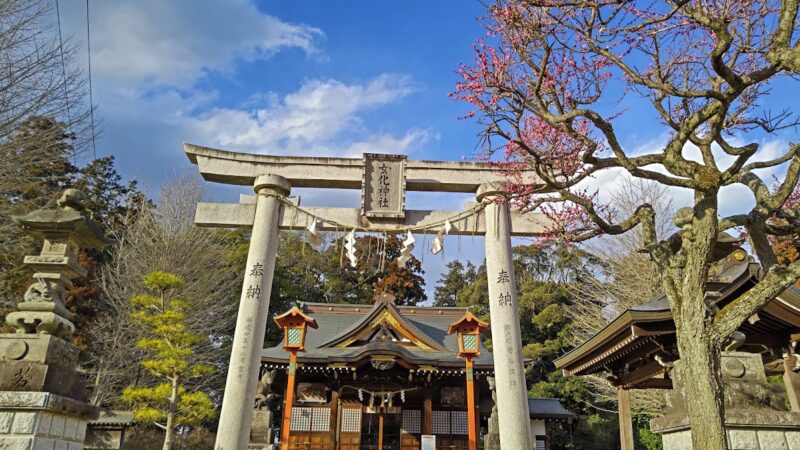
Located along National Route 355, Okitsuse Shrine has such a modest presence that you might easily miss it if you’re not paying attention. Passing through the torii gate, you enter a sacred space enveloped in silence.
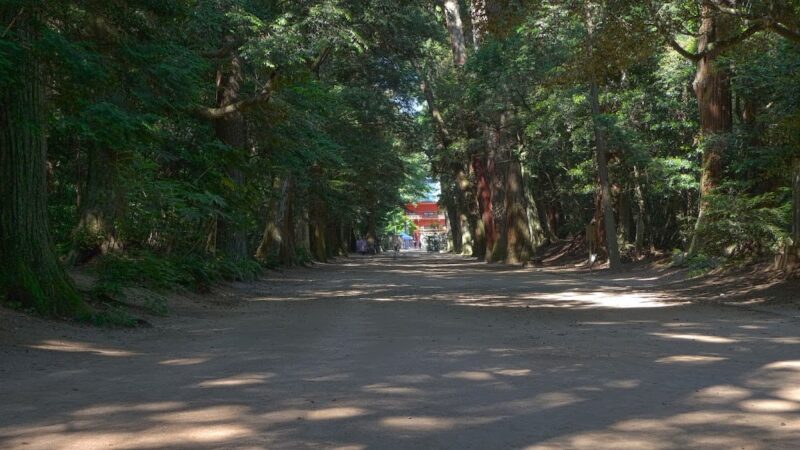
The approach to the shrine is well-maintained, reflecting the careful upkeep by local residents. It’s a precious place to pray in a peaceful environment, far removed from the hustle and bustle of the city.
Main Hall and Worship Hall
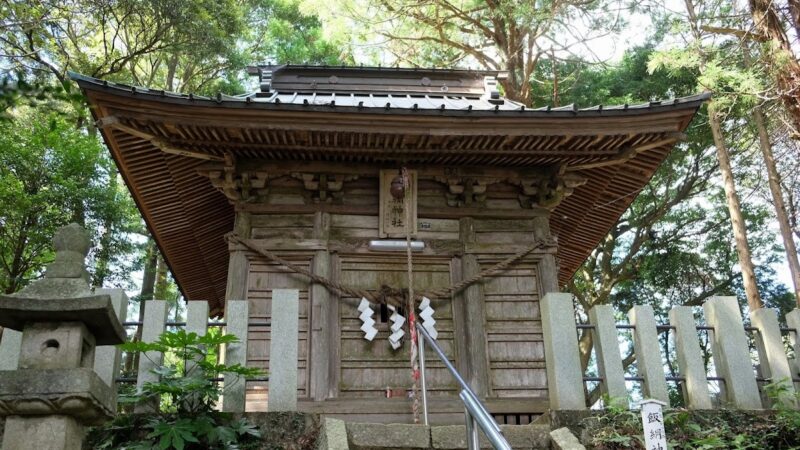
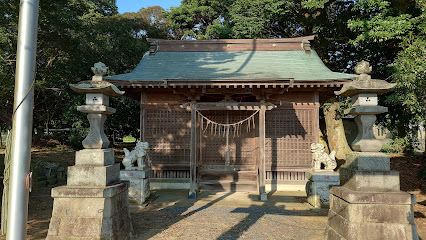
The main hall of Okitsuse Shrine maintains the traditional style of shrine architecture while reflecting the unique characteristics of the region. Although not large in scale, it is meticulously maintained, conveying the deep faith of the local people.
Atmosphere and Natural Environment of the Shrine Grounds
The shrine grounds are lush with trees, allowing you to experience the beauty of nature throughout the seasons. In particular:
- Spring: The fresh greenery is beautiful, making for a refreshing visit.
- Summer: The shade of the trees is cool, allowing for a peaceful time.
- Autumn: The autumn leaves color the shrine grounds, enhancing the tranquil atmosphere.
- Winter: The crisp air allows for a sacred visit.
Located near Lake Kasumigaura, the breeze from the lake is pleasant, creating an environment where you can feel the power of nature.
How to Visit and Manners at Okitsuse Shrine
This explains the basic methods and manners for visiting Okitsuse Shrine.
Basic Etiquette for Visiting a Shrine
- Bow before passing through the torii gate: This is a greeting before entering the sacred area.
- Avoid walking in the center of the path: The center is considered the path of the gods.
- Purify yourself at the water basin: Cleanse your hands and mouth before proceeding to the main shrine.
- Two bows, two claps, one bow: Follow the general etiquette for visiting a shrine.
- Offer a quiet prayer: Express your personal wishes and gratitude.
Attire and Items to Bring When Visiting
Okitsuse Shrine is a shrine that local people visit regularly, so no special attire is required. However, please note the following:
- Clean clothing: Dress appropriately for a sacred place.
- Comfortable shoes: Choose shoes suitable for walking around the shrine grounds.
- Seasonal clothing: Take precautions against the heat of summer and the cold of winter.
Regarding Photography
Photography is generally permitted on the shrine grounds, but please observe the following manners:
- Avoid pointing your camera directly at the main hall or the sacred object.
- Be considerate of other worshippers.
- Maintain a quiet atmosphere.
- When posting on social media, be mindful of identifying the location.
Goshuin Information and Items
This section summarizes information that worshippers should know about goshuin (shrine stamps) and items available at Okitsuse Shrine.
Regarding Goshuin
Okitsuse Shrine is a small shrine, so there may not be a resident priest. If you wish to receive a goshuin, please note the following:
- It is recommended to inquire with the Ibaraki Prefectural Shrine Association or nearby shrines in advance.
- Since the shrine may be unattended, they may not be able to assist you even if you bring your goshuin book.
- In some local shrines, the goshuin are managed by priests from other shrines as part of a joint service.
Goshuin Pilgrimage in Ibaraki Prefecture
Ibaraki Prefecture has numerous shrines, and the number of worshippers enjoying goshuin pilgrimages is increasing. In the vicinity of Namegata City, you can also visit the following shrines:
- Kashima Jingu (Kashima City): Famous as the Ichinomiya (first-ranked shrine) of Hitachi Province
- Ikisu Shrine (Kamisu City): One of the three major shrines of the eastern provinces
- Oarai Isomae Shrine (Oarai Town): Known for its Kamiiso Torii gate on the coast
When visiting Okitsuse Shrine, it is recommended to also visit these other shrines.
How to Access Okitsuse Shrine
This section provides a detailed explanation of how to access Okitsuse Shrine by mode of transport.
Access by Public Transportation
Using Trains and Buses:
- Get off at Takahama Station on the JR Joban Line
- Take a local bus or taxi from the station
- Get off at Okisu bus stop and walk for about 3 minutes
Note: Walking from Takahama Station takes approximately 2 hours and 35 minutes (about 7.6 km), so accessing the shrine solely by public transportation is time-consuming. Since bus services are limited, we recommend checking the timetable in advance.
Access by Car
If using a car (most recommended):
- From Tokyo: Take the Joban Expressway, then take National Route 355 from Chiyoda-Ishioka IC (approx. 40 minutes)
- From Mito: Take National Route 51 to National Route 355 (approx. 50 minutes)
- From Tsukuba: Take National Route 125 to National Route 355 (approx. 1 hour)
Okitsuse Shrine is located along National Route 355, but the sign is small and easy to miss, so we recommend using a car navigation system or a smartphone map app.
Parking Information
Okitsuse Shrine may have its own parking lot, but it is likely to be limited in size. Parking should be fine on weekdays when there are fewer visitors.
The surrounding area is residential, so please avoid street parking and be considerate of the local residents. ## Nearby Tourist Attractions and Shrines/Temples
This section introduces nearby tourist attractions, shrines, and temples that you might want to visit when you come to Okitsuse Shrine.
Attractions around Lake Kasumigaura
Lake Kasumigaura is the second largest lake in Japan and boasts the following attractions:
- Kasumigaura Comprehensive Park: A park with a vast lawn area and an aquatic plant garden.
- Kasumigaura City Aquarium: A community-oriented aquarium focusing on freshwater fish.
- Kasumigaura Bridge: Offers magnificent views from the 1,425m long bridge.
- Cycling Road: An approximately 180km course that circles Lake Kasumigaura.
Shrines and Temples around Namegata City
Shrines in Namegata City:
- Oasa Shrine: One of Namegata City’s representative shrines.
- Suga Shrine: A shrine that attracts the faith of the local community.
- Local Guardian Shrines: Small but deeply rooted local shrines are scattered throughout the area.
Famous Shrines in Neighboring Municipalities:
- Kashima Jingu Shrine (Kashima City): Approximately 30 minutes by car, one of the most prominent ancient shrines in the Kanto region:
- Ikisu Shrine (Kamisu City): Approximately 40 minutes by car, one of the three major shrines of the eastern provinces
- Aso Clan Chief Retainer’s Residence Memorial Hall (Namegata City): A historical building
Power Spot Tour in Ibaraki Prefecture
Ibaraki Prefecture has many power spots, and visiting them together with Okitsuse Shrine will make for a more fulfilling pilgrimage experience:
- Tsukuba-san Shrine (Tsukuba City): A sacred site of mountain worship with a panoramic view of the Kanto Plain
- Oarai Isomae Shrine (Oarai Town): Famous for its Kamiiso Torii gate facing the Pacific Ocean
- Oiwa Shrine (Hitachi City): A powerful power spot enshrining 188 deities
- Hitachi Province Izumo Grand Shrine (Kasama City): Known for its blessings in matchmaking
Annual Events and Festivals at Okitsuse Shrine
At Okitsuse Shrine, it is believed that various festivals are held throughout the year while preserving local traditions.
Main Annual Events (Estimated)
The following events are common at small local shrines:
- New Year’s Day Festival (January 1st): A festival celebrating the New Year
- Spring Grand Festival (Spring): A prayer for a bountiful harvest
- Summer Purification Ceremony (Around June 30th): A ritual to purify oneself of the impurities accumulated over the past six months
- Autumn Grand Festival (Autumn): A festival to give thanks for the harvest
- Year-End Purification Ceremony (December 31st): A ritual to purify oneself of the impurities accumulated over the past year
For specific dates and details, it is recommended to check local bulletin boards or inquire with the Ibaraki Prefectural Shrine Association.
The Role of Local Festivals and Shrines
Okitsuse Shrine plays a vital role as the heart of the local community, strengthening the bonds among residents. During festivals, local people gather, providing a valuable opportunity to pass on traditions to future generations.
Visitor Experiences and Reviews
Visitors to Okitsuse Shrine have shared the following impressions:
Quiet and Peaceful Atmosphere
Many visitors comment, “Despite being located along a national highway, entering the shrine grounds feels like entering another world. I was able to forget the hustle and bustle of the city and find peace of mind.”
Feeling the Warmth of the Community
One visitor commented, “It’s clear that this shrine is cherished by the local people. The well-maintained grounds conveyed the faith of the local community.”
Hard to Find, But Worth Visiting
One visitor noted, “It’s easy to miss when driving along the national highway, but that’s precisely why it offers such a quiet and special visit. Using a car navigation system is recommended.”
Points to Note When Visiting Okitsuse Shrine
Here’s a summary of important points to know when visiting Okitsuse Shrine.
Visiting Hours
Okitsuse Shrine is likely open year-round, but please note the following:
- Avoid visiting early in the morning or after sunset (consider the surrounding residents)
- Visiting during daylight hours is recommended
- Don’t expect to receive a Goshuin (shrine stamp) as a priest may not be permanently stationed there.
Seasonal Precautions
- Spring and Autumn: The most suitable seasons for visiting. The climate is mild and pleasant.
- Summer: The sun is strong, so prepare a hat, sunscreen, and hydration.
- Winter: The wind from Lake Kasumigaura is cold, so take proper precautions against the cold.
- Rainy Season: Be careful as the ground may be slippery.
Manners and Considerations
- As it is close to a residential area, please refrain from loud conversations and noise.
- Please take all your trash with you.
- Do not touch the plants or buildings on the shrine grounds.
- Remember to greet the local residents.
Shrine Culture of Ibaraki Prefecture and Okitsuse Shrine
To understand Okitsuse Shrine, knowing about the shrine culture of Ibaraki Prefecture as a whole will allow for a deeper pilgrimage experience.
History of Hitachi Province and Shrine Beliefs
Ibaraki Prefecture was known as Hitachi Province in ancient times, and is a region with a rich mythology and history as recorded in the ‘Hitachi Province Fudoki’. It played an important role as a base for the Yamato court’s administration of the eastern provinces, and many shrines were founded there.
Characteristics of Community-Based Shrines
Community-based shrines like Okitsuse Shrine have the following characteristics:
- Strong Ties with Parishioners: Protected and passed down by local residents
- Faith Rooted in Daily Life: Functions as a place for everyday prayers and expressions of gratitude
- Simple and Sincere Atmosphere: Sincere faith is valued more than extravagant decorations
- Witness to Local History: Preserves the history and culture of the land for future generations
Ibaraki Prefecture Shrine Association and Shrine Network
Shrines in Ibaraki Prefecture are overseen by the Ibaraki Prefecture Shrine Association. Okitsuse Shrine is also a religious corporation under the jurisdiction of the prefectural governor, having obtained legal status through certification by the Governor of Ibaraki Prefecture.
Summary: The Charm of Okitsuse Shrine
Okitsuse Shrine is a community-based shrine nestled in a quiet area of Namegata City, Ibaraki Prefecture. Unlike large-scale tourist shrines, it exists as a warm and welcoming shrine that is closely intertwined with the faith and daily lives of local people. ### Reasons to Recommend Okitsuse Shrine
- Quiet and Peaceful Worship Environment: Escape the hustle and bustle of the city and find peace of mind.
- Local History and Culture: A valuable place to experience the history of Namegata City.
- Nature of Lake Kasumigaura: A location surrounded by a rich natural environment.
- Simple Form of Faith: Experience a sincere form of faith, though not extravagant.
- As Part of an Ibaraki Prefecture Shrine Pilgrimage: Worth visiting in conjunction with other shrines in the prefecture.
To Make Your Visit More Enriching
When planning your visit to Okitsuse Shrine, keeping the following points in mind will make your experience more fulfilling:
- Gather Information in Advance: Check the latest information from the Ibaraki Prefecture Shrine Association or local tourism associations.
- Allow Plenty of Time: Plan to visit nearby tourist spots and other shrines.
- Choose the Right Season: Spring and autumn, with their pleasant weather, are recommended.
- Respect for the Local Community: As it is located near a residential area, please be mindful of proper etiquette during your visit.
- Keep a record: Take photos and record your visit to cherish your memories.
Okitsuse Shrine is a precious place where you can experience the rich nature and history of Ibaraki Prefecture, as well as the warm faith of the local people. Experience the simple and sincere charm of this shrine, something you won’t find at large-scale tourist shrines.
You can feel the breeze from Lake Kasumigaura, calm your mind in the tranquil grounds, and forget the hustle and bustle of everyday life. We recommend visiting Okitsuse Shrine as part of your journey to discover the hidden charms of Ibaraki Prefecture.