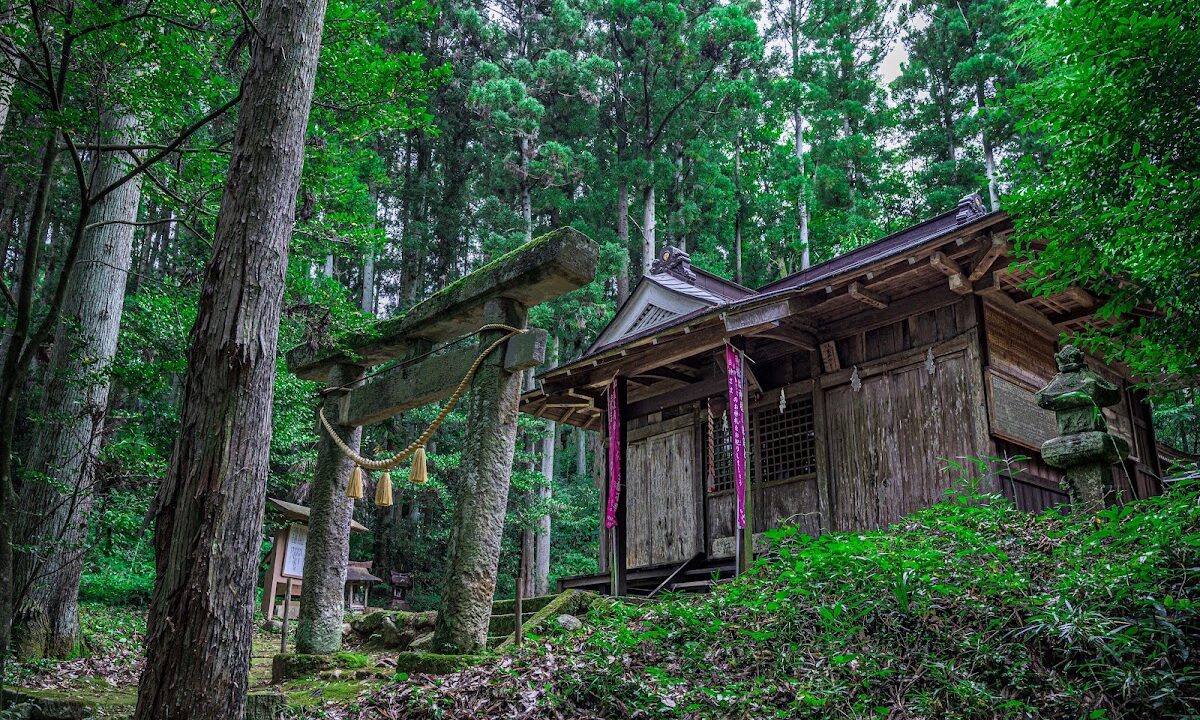
Complete Guide to Tomo Shrine (Hitachi City, Ibaraki Prefecture) | Thorough Explanation of Goshuin (Shrine Seals), Access, and Rose Garden Highlights
Tomo Shrine, located in Juo-cho, Hitachi City, Ibaraki Prefecture, is a historical shrine founded in 1177. Despite its convenient location just a 3-minute walk from Juo Station on the Joban Line, it is known for its tranquil atmosphere and beautiful rose garden. This article provides detailed information on Tomo Shrine’s goshuin (shrine seals), access methods, highlights within the grounds, and enshrined deities.
Basic Information about Tomo Shrine
Shrine Overview
Tomo Shrine is located at 4-1-2 Tomobe-Higashi, Juo-cho, Hitachi City, Ibaraki Prefecture, and enshrines Takemikazuchi-no-Mikoto as its principal deity. The unusual name “Tomo” (臫) is said to derive from the bow and stern of a ship, and the shrine has long been revered as a guardian deity of maritime safety and navigation.
Location: 4-1-2 Tomobe-Higashi, Juo-cho, Hitachi City, Ibaraki Prefecture
Founded: 1177
Deity Enshrined: Takemikazuchi-no-Mikoto
Visiting Hours: Open 24 hours
Shrine Office Hours: 9:00 AM – 4:00 PM
About the Enshrined Deity, Takemikazuchi-no-Mikoto
Takemikazuchi-no-Mikoto, the enshrined deity of Tomo Shrine, is a god of war also known as the principal deity of Kashima Shrine, a representative shrine of Ibaraki Prefecture. In Japanese mythology, he is famous as a god who played an active role in the transfer of power in Izumo Province, and is widely worshipped as a god of martial arts, a god of good fortune in competitions, and a god of protection against evil.
Takemikazuchi-no-Mikoto also possesses the characteristics of a thunder god, and is believed to ward off evil spirits and repel disasters with his powerful force. Therefore, many worshippers visit Tomo Shrine seeking blessings for protection from misfortune, good fortune, improved luck in competitions, and family safety.
History and Origins of Tomo Shrine
Founding History
Tomo Shrine was founded in 1177, during the late Heian period. This was a time when the Genpei War was intensifying, and the warriors of eastern Japan deepened their faith in Takemikazuchi-no-Mikoto, the god of war.
From its inception, it has been revered as the guardian shrine of the region and has served as a spiritual pillar for the people of Juo-cho. By enshrining Takemikazuchi-no-Mikoto, who was invited from Kashima Shrine, it has historically functioned as a place to pray for the peace and prosperity of the region.
Historical Changes
During the Edo period, the shrine received the patronage of the Mito Domain and was maintained as an important local shrine. Following the Meiji-era separation of Shinto and Buddhism, it was positioned as a village shrine under the modern shrine system and played a central role in the local community.
From the Showa to Heisei periods, the shrine grounds were improved, resulting in the beautiful shrine buildings and environment we see today. The rose garden within the grounds, in particular, has become a local landmark, attracting not only worshippers but also tourists.
Information on Goshuin (Shrine Seals) and Goshuincho (Shrine Seal Books)
About the Issuance of Goshuin
Tomo Shrine offers goshuin to worshippers. Goshuin are cherished as proof of worship and as a tangible representation of one’s connection with the deities.
Goshuin (Shrine Seal) Issuance Hours: 9:00 AM – 4:00 PM (During shrine office hours)
Offering Fee: Approximately 300-500 yen
Issuance Location: Shrine Office (Issuance Area)
The goshuin will have the words “Tomo Shrine” written in ink and stamped with the shrine’s seal. Since it is written carefully, we recommend bringing your goshuincho (seal book) with you. Pre-written goshuin may also be available, so please check with the shrine office.
About Goshuincho
Tomo Shrine may offer original goshuincho. Please inquire about designs and availability at the shrine office during your visit. If you do not have a goshuincho, this might be a good opportunity to start with Tomo Shrine’s original goshuincho.
When receiving a goshuin, it is considered good manners to visit the shrine office after completing your prayers. Furthermore, Goshuin (temple/shrine stamps) are not a “stamp rally” but sacred objects that forge a connection with the gods, so it is important to treat them with respect.
Access Method
Access by Train
Tomo Shrine is located in a very accessible location, approximately a 3-minute walk from Juo Station on the Joban Line. This is one of the closest shrines to a station in Ibaraki Prefecture, making it ideal for those visiting by train.
Nearest Station: JR Joban Line, Juo Station
Time from Station: Approximately 3 minutes on foot
Distance: Approximately 250 meters
Directions from Juo Station
- Exit the Juo Station ticket gate and head towards the East Exit (sea side).
- Turn right onto the road in front of the station and proceed south along the railway tracks.
- After approximately 200 meters, you will see the torii gate of Tomo Shrine on your right.
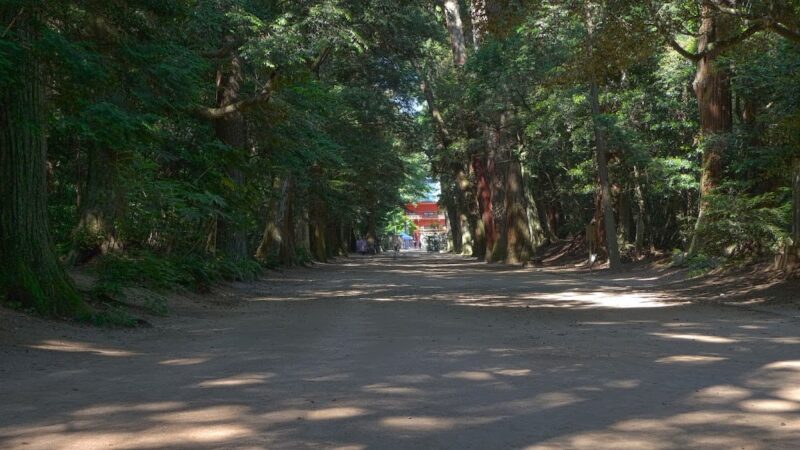
- Pass through the torii gate and proceed along the approach to the shrine building.
Because it is very close to the station, you are unlikely to get lost. There are also guide signs along the way. ### Access by Car
If you are visiting by car, it is convenient to use the Joban Expressway.
Nearest Interchange: Hitachi-Kita Interchange, Joban Expressway
Travel Time from Interchange: Approximately 10 minutes
Distance: Approximately 5 kilometers
Directions from Hitachi-Kita Interchange
- Exit the Hitachi-Kita Interchange and head towards National Route 6.
- Head south on National Route 6.
- Turn right at the Juo-cho intersection and head towards Juo Station.
- Follow the signs around the station to Tomo Shrine.
Parking Information
Tomo Shrine has a parking lot for visitors.
Number of Parking Spaces: Approximately 10-15 cars
Parking Fee: Free
Operating Hours: Same as visiting hours
The parking lot may be crowded on holidays and during festivals, so we recommend using public transportation whenever possible. If the parking lot is full, please consider using the coin-operated parking lots around Juo Station.
Highlights of the Shrine Grounds
Shrine Buildings and Grounds Architecture
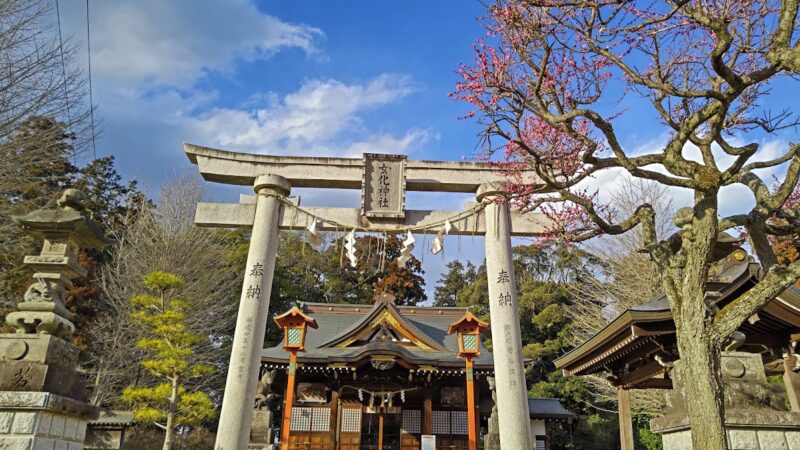
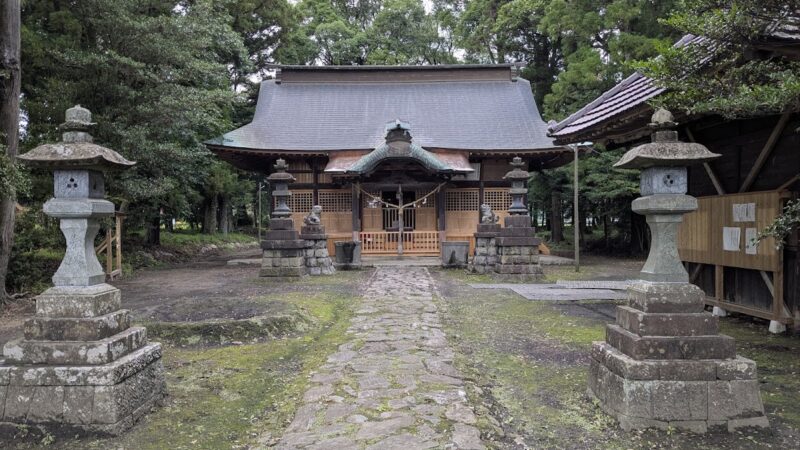
The shrine buildings of Tomo Shrine are beautiful structures that follow traditional shrine architectural styles. The main hall, worship hall, and torii gate work together to create a solemn atmosphere.
Main Hall: The main hall, built in the nagare-zukuri style, is a sacred space dedicated to Takemikazuchi-no-Mikoto. Please pay attention to the carvings and decorations.
Worship Hall: The worship hall, where worshippers offer their prayers, has an open design, creating an atmosphere where anyone can easily visit.
Torii Gate: The torii gate at the entrance to the grounds welcomes worshippers as the entrance to the sacred area. It is customary to bow before passing through the torii gate.
Tomo Shrine’s Rose Garden
One of the major features of Tomo Shrine is the beautiful rose garden maintained on the grounds. The unusual combination of a shrine and a rose garden attracts many worshippers and tourists.
Best Viewing Period:
- Spring Roses: Mid-May to Early June
- Autumn Roses: Mid-October to Early November
The rose garden is planted with various varieties of roses, and a riot of colorful blossoms. Especially during the peak spring season, the shrine grounds are enveloped in a vibrant atmosphere, making it a popular spot for photography.
Visiting the shrine while surrounded by the fragrance of roses will be a special experience unique to Tomo Shrine. Bringing a camera to capture the beautiful scenery is highly recommended.
Cultural Assets and Highlights on the Shrine Grounds
The shrine grounds feature historical stone monuments, lanterns, and a purification fountain. Each has its own origin and history, and careful observation allows you to feel the deep history of the shrine.
Purification Fountain: This is a place to purify your mind and body before worship. Please purify your hands and mouth according to the correct etiquette before worshipping.
Komainu (Guardian Dogs): The guardian dogs protecting the shrine are expressive and impressive. Pay attention to the pairs of A-un (open-mouthed and closed-mouthed) guardian dogs.
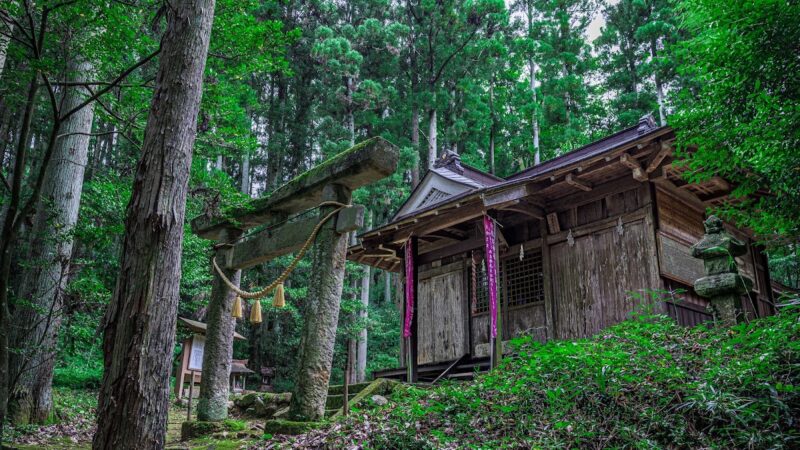
Shrine Precincts: In addition to the main shrine, there may be small shrines or subsidiary shrines within the grounds. Each has its own meaning, reflecting the deep faith of the local community.
Items Offered and Amulets
Types of Items Offered
The Tomo Shrine’s offering office offers a variety of items. You can receive amulets and other items as a memento of your visit, or to feel the blessings of the gods in your daily life.
Main Items Offered:
- Traffic Safety Amulet: An amulet praying for safe travel under the protection of Takemikazuchi-no-Mikoto.
- Exorcism Amulet: An amulet to ward off evil and protect from misfortune.
- Good Fortune Amulet: An amulet to improve luck and attract good relationships.
- Academic Success Amulet: An amulet praying for academic improvement and passing exams.
- Family Safety Amulet: An amulet praying for the health of family members and peace in the home.
- Victory Amulet: An amulet to improve luck in competitions under the divine virtue of Takemikazuchi-no-Mikoto, the god of war.
How to Use the Office
The office (shrine office) is open from 9:00 to 16:00. Please visit during these hours if you wish to receive amulets or goshuin (shrine stamps).
Since the items are “received” rather than “purchased,” it is appropriate to say, “I would like to receive an amulet.” Let’s respectfully receive the offering after making our offering.
Annual Events and Festivals
Main Annual Events
At Tomo Shrine, various festivals and events are held throughout the year. These traditional events, where local people worship the gods together, offer an opportunity to deeply understand local culture through participation.
Annual Festival (Autumn Grand Festival): This is the most important festival, held every autumn, featuring a portable shrine procession and offering ceremonies. The entire community participates to enliven the festival, creating a lively atmosphere.
New Year’s Visit: Many worshippers visit the shrine for their first visit of the new year. It is an important event to pray for safety and prosperity throughout the year.
Setsubun Festival: Events such as bean-throwing are sometimes held during Setsubun in February. It is a traditional event to ward off evil and invite good fortune.
Summer Purification Ceremony: On June 30th, a grand purification ceremony is held to cleanse away the impurities accumulated over the past six months. Rituals such as passing through a ring of reeds may also be performed.
Specific dates and event details may change from year to year, so it is recommended to check the latest information on the Tomo Shrine’s official website or at the shrine office.
Manners and Etiquette for Visiting a Shrine
Basic Etiquette for Visiting a Shrine
By observing basic etiquette when visiting a shrine, you can show more respect to the gods.
How to Pass Through a Torii Gate
- Bow before the torii gate.
- Walk along the edge of the path, as the center is considered the path of the gods.
- When entering the shrine grounds, proceed calmly and quietly.
How to Wash Your Hands
- Take the ladle in your right hand and wash your left hand.
- Switch the ladle to your left hand and wash your right hand.
- Switch the ladle back to your right hand, receive water in your left hand, and rinse your mouth.
- Wash your left hand once more.
- Hold the ladle upright and rinse the handle with water.
- Return the ladle to its original position.
How to Worship at the Main Hall
- Stand in front of the offering box and bow slightly.
- Gently place your offering in the box (do not throw it).
- If there is a bell, ring it.
- Worship using the two bows, two claps, and one bow method.
- Bow deeply twice (two bows)
- Clap your hands twice (two claps)
- Pray with all your heart
- Bow deeply once (one bow)
- After finishing your prayers, quietly leave the area.
Photography Etiquette
Photography is generally permitted on the shrine grounds, but please observe the following etiquette:
- Photography may be prohibited inside the main hall or worship hall.
- Be considerate of other worshippers.
- Use of tripods may require prior permission.
- When posting on social media, be careful not to include other worshippers in your photos.
- Photography in the rose garden is permitted, but please be careful not to damage the flowers.
Nearby Tourist Attractions
Attractions in Hitachi City
When visiting Tomo Shrine, you can also visit other tourist attractions in Hitachi City.
Hitachi Civic Center: Features a science museum and a planetarium, recommended for families. It can be reached by traveling from Juo Station towards Hitachi Station.
Kamine Park: A comprehensive park combining a zoo, amusement park, and leisure land. It also boasts a spectacular view of the Pacific Ocean.
Hitachi Station: Known for its station building design by a world-renowned architect, this station features a beautiful glass-enclosed space overlooking the sea.
Spots around Juo-cho
Juo Panorama Park: A park located on a hill in Juo-cho, offering panoramic views of the Pacific Ocean. On clear days, the scenery is magnificent.
Juo Dam: A dam lake rich in nature, suitable for walks and hikes. Enjoy the scenery of each season.
Planning a visit to Tomo Shrine
Recommended time to visit
Tomo Shrine can be visited year-round, but there is a particularly recommended time.
Spring (May-June): The rose garden is in full bloom, making it the most spectacular time. Enjoy a special experience of visiting the shrine amidst the fragrance of roses.
Autumn (October-November): This is the season for autumn roses, offering a different, more tranquil beauty than spring. It’s also the time for the annual festival.
New Year’s Visit (January): A good time to visit for New Year’s prayers. However, expect crowds.
Weekdays: For those who want a quiet visit, weekday mornings are recommended. You can stroll through the grounds at your leisure.
Estimated Time Required
- Visiting the Shrine Only: 20-30 minutes
- Including Goshuin (Shrine Stamp) Reception: 30-40 minutes
- Including Rose Garden Viewing: 40-60 minutes
- Including a Stroll Through the Surrounding Area: 1-2 hours
By allowing ample time, you can fully appreciate the atmosphere of the shrine.
Checklist of Items to Bring
- Goshuincho (stamp book) (if you wish to receive a Goshuin stamp)
- Small change (for offerings and donations)
- Camera (for taking photos of the rose garden and shrine grounds)
- Comfortable clothing and shoes
- Parasol or hat (summer)
- Warm clothing (winter)
Frequently Asked Questions about Tomo Shrine
About Visiting
Q: Do I need a reservation to visit?
A: Reservations are not required for regular visits. You can visit 24 hours a day. However, if you wish to have a prayer ceremony performed, we recommend contacting the shrine office in advance.
Q: Is it possible to visit with a pet?
A: In most cases, it is possible to visit with small dogs, but please be sure to keep them on a leash and be considerate of other visitors. Please observe proper etiquette and avoid littering the shrine grounds.
About Goshuin (Shrine Seals)
Q: Are Goshuin available every day?
A: They are generally available every day during the shrine office’s reception hours (9:00 AM to 4:00 PM). However, they may not be available if the priest is absent or during festivals, so if you wish to be sure to receive one, we recommend calling ahead to confirm.
Q: Are pre-printed Goshuin available?
A: Pre-printed Goshuin may be available depending on the situation. Please check with the shrine office when you visit for details.
About the Rose Garden
Q: Is there an entrance fee to the rose garden?
A: The rose garden is part of the shrine grounds, and visitors can view it for free. However, we recommend showing respect to the shrine by completing your prayers first before viewing the roses.
Q: When is the best time to see the roses?
A: The best time to see the roses is from mid-May to early June in spring, and from mid-October to early November in autumn. Please note that the timing may vary depending on the weather, so we recommend checking the latest information before your visit.
Access
Q: How long is it to walk from Juo Station?
A: It’s about a 3-minute walk from Juo Station. It’s very close to the station and easily accessible.
Q: Is the parking lot crowded?
A: It’s relatively empty on weekdays and regular holidays, but it may get crowded during the rose blooming season, New Year’s visits, and festivals. During periods when crowds are expected, we recommend using public transportation.
Prayers and Sacred Blessings
Q: Can I receive prayers and sacred blessings?
A: Yes, we accept various types of prayers and sacred blessings. We can accommodate various prayers such as protection from evil, family safety, traffic safety, and business prosperity. If you wish to receive prayers and sacred blessings, we recommend contacting the shrine office in advance to discuss the date and time.
Q: How much is the offering fee for prayers and sacred blessings? **
A: The offering fee for prayers varies depending on the content of the prayer. Generally, it starts from 5,000 yen, but please inquire at the shrine office for details.
Summary
Tomo Shrine is a historic shrine located in Juo-cho, Hitachi City, Ibaraki Prefecture, and enshrines Takemikazuchi-no-Mikoto as its main deity. Since its founding in 1177, it has been cherished by the local people, and many worshippers visit seeking blessings for protection from evil, good fortune, and improved luck in competitions.
In addition to its excellent accessibility, being just a 3-minute walk from Juo Station on the Joban Line, a major feature is the beautiful rose garden on the shrine grounds. During the peak rose seasons in spring and autumn, colorful roses bloom in profusion, making it a precious spot where you can enjoy both worship and flower viewing at the same time.
Goshuin (shrine stamps) are available during shrine office hours (9:00 AM to 4:00 PM), making it recommended for those collecting goshuin. In addition, various amulets are available, such as traffic safety charms and amulets for warding off evil.
When you visit Hitachi City, be sure to stop by Tomo Shrine and experience the atmosphere of this historic shrine and the beauty of its rose garden. Its proximity to the station makes it easy to visit during your sightseeing. Spend some time in quiet contemplation, feeling the blessings of Takemikazuchi-no-Mikoto.