Morioka Hachimangu Shrine (Iwate Prefecture) Complete Guide | History, Blessings, Festivals, and Access Information
What is Morioka Hachimangu Shrine?
Morioka Hachimangu Shrine, located in Hachiman-cho, Morioka City, Iwate Prefecture, is a shrine that has been revered by the local people for over 300 years as the guardian shrine of Morioka. Since its establishment in 1680 by the 29th Lord Nanbu Shigenobu, it has been known as the most important shrine in the prefecture, revered as the god who presides over the fundamentals of human life, including agriculture, industry, commerce, learning, and clothing, food, and shelter.
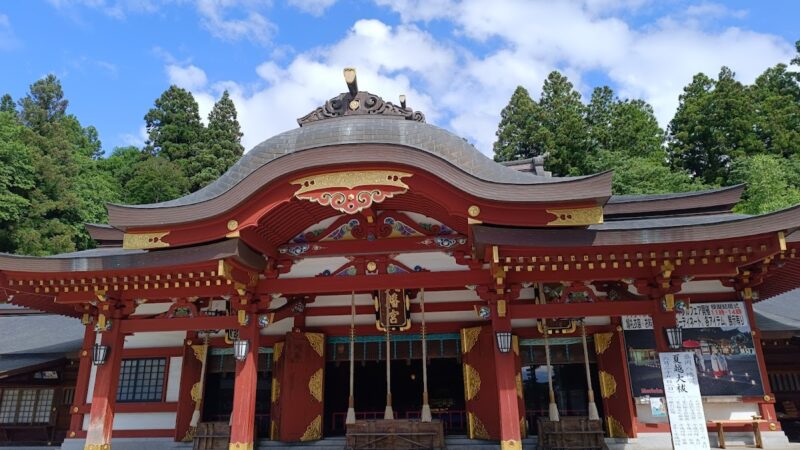
The current main shrine building was newly rebuilt in 2017, and its magnificent carvings and beautiful vermilion paint symbolize the dignity of Morioka. Within the grounds are eight subsidiary shrines and three smaller shrines, and because many gods are enshrined there, many worshippers visit throughout the year seeking various blessings.
History and Origins of Morioka Hachimangu Shrine
300 Years with Morioka Castle Town
The history of Morioka Hachimangu Shrine is closely intertwined with the development of Morioka Castle Town. In Morioka, which flourished as the capital of the Nanbu Domain, Morioka Hachimangu Shrine played a vital role as a spiritual pillar for the people under the patronage of the Nanbu family, the domain’s lords.
Since its establishment in 1680 (Enpo 8), Morioka Hachimangu Shrine has been affectionately known as “O-Hachiman-san” by the local people and has become an indispensable presence in life’s milestones and seasonal events. Traditional events dating back to the Edo period are still passed down today, functioning as a central part of Morioka’s cultural identity.
Circumstances of its Establishment and Lord Nanbu Shigenobu
The 29th Lord Nanbu Shigenobu established Morioka Hachimangu Shrine, praying for the stability of the Morioka Domain and the peace and well-being of its people. By enshrining Hondawake-no-Mikoto, also known as Emperor Ōjin, the 15th emperor, as the principal deity, prayers were offered not only for lasting military fortune but also for the overall development of the domain, including industrial advancement and the encouragement of learning.
During the time of Lord Nanbu Shigenobu, the development of Morioka Castle town progressed, and the construction of Hachimangu Shrine was an important project that established the spiritual center of the castle town. The faith established during this period played a role in strengthening the bond between the Nanbu family and the people throughout the feudal period.
Reconstruction from the Great Morioka Fire and Disasters
Morioka Hachimangu Shrine has suffered numerous disasters throughout its long history. The damage from the Great Morioka Fire was particularly severe, resulting in the destruction of many of the shrine buildings. However, each time, thanks to the tremendous support and reverence of the local people, it has been remarkably rebuilt.
Long-term damage from wind and snow has also had a significant impact on the shrine buildings, but through repeated repairs and reconstructions, it has reached its current form. The new main shrine building, completed in December 2017, utilizes the latest architectural technology while preserving traditional styles, welcoming visitors with an even more magnificent appearance.
Deities and Blessings
About Hondawake-no-Mikoto (Emperor Ojin)
Hondawake-no-Mikoto, the deity enshrined at Morioka Hachimangu Shrine, is known as the 15th Emperor Ojin. Emperor Ojin is said to have made significant contributions to the introduction of continental culture and the development of industry in ancient Japan, and is widely worshipped throughout the country as Hachiman-sama.
Hachiman-sama is revered not only as a god of war, but also as a guardian deity of a wide range of fields related to the foundations of human life, such as agriculture, industry, commerce, and scholarship. This multifaceted divine nature is one of the reasons why Morioka Hachimangu Shrine has functioned as the guardian shrine of the region.
Diverse Blessings
At Morioka Hachimangu Shrine, you can receive a variety of blessings, including:
Industrial Promotion: You can pray for the development of agriculture, industry, and commerce. Business owners and merchants constantly visit the shrine, praying for business prosperity and success.
Academic Achievement: Many students and their parents visit, praying for success in exams and academic achievement. A prayer ceremony for success on the day of the exam is also held, allowing visitors to pray for success on that day.
Stability of Clothing, Food, and Shelter: Visitors can pray for stability and improvement in all aspects of human life, including clothing, food, and shelter.
Protection from Misfortune and Good Fortune: The shrine offers protection from misfortune at important life stages and general good fortune and prosperity.
Family Safety: Visitors can pray for the health and happiness of their family and peace within the home.
Subsidiary Shrines and Minor Shrines within the Precincts
The shrine grounds contain eight subsidiary shrines and three minor shrines, each enshrining a different deity. This allows visitors to pray to a variety of gods in a single visit. Each subsidiary shrine and minor shrine offers blessings specific to certain areas, such as matchmaking, safe childbirth, and health and longevity, allowing visitors to pray according to their own wishes.
Annual Events and Major Festivals
New Year’s Visit
Morioka Hachimangu Shrine’s New Year’s visit is the most crowded in Iwate Prefecture. The shrine grounds are overflowing with worshippers welcoming the New Year, boasting the highest number of visitors in the prefecture. Hundreds of thousands of people visit during the first three days of the year, praying for safety and prosperity in the new year.
During the New Year’s visit period, special offerings and lucky charms are available, and many worshippers seek them out hoping for good fortune in the new year. Stalls line the shrine grounds, creating a lively, festival-like atmosphere.
Dontosai Festival and Naked Pilgrimage (January 15th)
The “Dontosai Festival,” held annually on January 15th, is a traditional event where New Year’s decorations and amulets are burned. On the same day, the “Naked Pilgrimage” also takes place, showcasing the magnificent sight of worshippers in white robes parading through the bitter cold.
This event, a winter tradition in Morioka, attracts many spectators as it is a prayer for good health and safety for the family. Participants in the “Naked Pilgrimage” endure the cold as they approach the shrine, praying for good health throughout the year.
Setsubun Festival and Fire Prevention Festival (February 3rd)
On February 3rd, the Setsubun Festival and Fire Prevention Festival are held simultaneously. The Setsubun Festival involves bean-throwing to invite good fortune and ward off evil spirits. The Fire Prevention Festival is a unique Morioka event praying for protection from fire, and is attended by local fire department personnel.
Due to Morioka’s history of experiencing major fires, the Fire Prevention Festival holds particular significance, and many citizens participate.
Morioka Hachimangu Shrine Grand Festival (September 14th-16th)
The Morioka Hachimangu Shrine Grand Festival is the most grand festival of the year. Held over three days, the festival features numerous portable shrine processions and Yabusame (mounted archery) rituals. The temple grounds are bustling with people, and many stalls add to the festive atmosphere.
The Yabusame ritual is a traditional ceremony in which archers shoot at targets from horseback while galloping, a valuable event that preserves the samurai culture of the Nanbu domain. The dazzling skills and magnificent figures captivate many spectators.
Chagu Chagu Umakko (Second Saturday of June)
Chagu Chagu Umakko is a representative folk event of Iwate Prefecture, with Morioka Hachimangu Shrine serving as its finish line. Horses adorned in brightly colored costumes march approximately 13km from Takizawa City to Morioka Hachimangu Shrine.
Named after the “Chagu Chagu” sound of bells, this event expresses gratitude to farm horses and is designated as a national intangible folk cultural property. At Morioka Hachimangu Shrine, the finish line, horses and their owners are warmly welcomed, and a blessing ceremony is held.
Life Rituals and Prayers
Information about Shichi-Go-San
Morioka Hachimangu Shrine respectfully performs Shichi-Go-San prayers. Shichi-Go-San, a ceremony to pray for the healthy growth of children, is a particularly important event among life rituals.
During the Shichi-Go-San season (October to November), many families visit, and the shrine grounds are filled with children in their finest attire. After the prayers, gifts for children are also provided, making it a place to create precious family memories.
For Those Getting Married
Morioka Hachimangu Shrine also offers wedding services. Based on the philosophy of “We will help you have the best wedding ceremony,” we conduct traditional Shinto wedding ceremonies.
The Shinto wedding ceremony, held in a solemn atmosphere, is a meaningful ceremony in which the bride and groom report their new beginning to the gods and receive their blessings. Combined with the beautiful scenery of the shrine grounds, you can have an unforgettable wedding.
Various Life Ceremonies
Morioka Hachimangu Shrine accepts prayers for the following milestones in life:
- First Shrine Visit (Omiyamairi): Prayers for the healthy growth of a baby around one month old
- Exorcism/Protection from Misfortune: Prayers for protection from misfortune for those in their unlucky year
- 60th Birthday Celebration: Prayers for longevity for those reaching 60 years of age
- Safe Childbirth Prayer: Prayers for safe childbirth performed on the Day of the Dog in the fifth month of pregnancy
- Exam/Test Success Prayer Ceremony: Special prayers for success on the day of the exam
Reception hours are from 9:00 AM to 5:00 PM.
Highlights of the Shrine Grounds
The Beauty of the New Grand Shrine
Completed in December 2017, the new Grand Shrine is a magnificent building that embodies the essence of traditional shrine architecture. Magnificent carvings adorn the entire structure, highlighting the beauty of the vermilion paint. While utilizing modern architectural techniques, the design faithfully adheres to traditional styles, embodying the character of Morioka.
The carvings on the main shrine building are the work of skilled craftsmen, meticulously depicting auspicious motifs such as dragons, phoenixes, and seasonal flowers. When visiting, please be sure to pay attention to these artistic decorations.
Facilities on the Shrine Grounds
Newly Built Toilets: These newly built toilets, which received an award for their contribution to “People-Friendly Community Development,” are barrier-free and designed for comfortable use by everyone.
Gift Shop: Offers amulets, goshuin (shrine stamps), and lucky charms. Seasonal items are also available, making them memorable souvenirs of your visit.
Shrine Office: Handles requests for various prayers and inquiries about the shrine.
Photography on the Shrine Grounds
There are certain rules regarding photography on the shrine grounds. Please be considerate of other visitors and take photos with respect, keeping in mind that this is a sacred place. For commercial photography or professional photography using tripods, prior inquiry and permission from the shrine office are required.
Access and Parking Information
Location
Address: 13-1 Hachiman-cho, Morioka City, Iwate Prefecture (Some sources also state 893-1 Shimoda, Oide)
Phone: 019-652-5211
Access by Public Transportation
From JR Morioka Station:
- Take the Iwate Kotsu bus bound for “Chabatake” or “Matsuzono Bus Terminal”
- Get off at the “Hachimangu-mae” bus stop and it’s a short walk
- Travel time: Approximately 15 minutes
By Taxi: Approximately 10 minutes from Morioka Station
Access by Car
From Tohoku Expressway:
- Approximately 15 minutes from Morioka IC
- Approximately 20 minutes from Morioka Minami IC
Parking Information
Morioka Hachimangu Shrine has a parking lot for visitors, but it may be full during peak seasons such as New Year’s Day and the annual festival. In that case, please refer to the map of nearby paid parking lots and use the surrounding parking facilities. Nearby Paid Parking: A map of nearby paid parking lots is posted on the temple grounds, offering several options. During major festivals, the use of public transportation is recommended.
Manners and Etiquette for Visiting the Shrine
Basic Visiting Etiquette
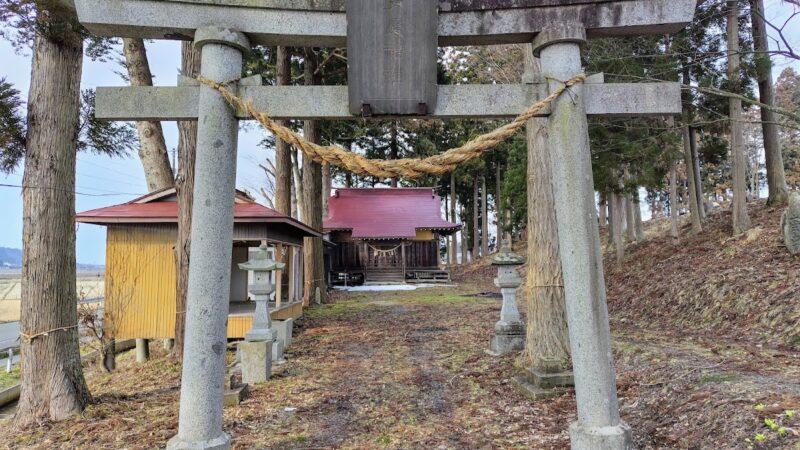
- When passing through the torii gate: Bow before entering the temple grounds.
- Purification at the water basin: Purify your left hand, then your right hand, then your mouth.
- Worship: Bow using the two bows, two claps, and one bow method.
- When leaving: Turn around and bow after leaving the torii gate.
Attire for Visiting the Shrine
There are no specific dress code requirements for regular visits, but clean and modest attire is desirable, as it is a sacred place. For those receiving prayers or attending formal ceremonies such as weddings, formal attire is recommended.
Photography Etiquette
Photography is permitted on the temple grounds, but consideration should be given to avoiding disturbing other visitors. Please maintain silence and refrain from using flash photography, especially during festivals and ceremonies.
Nearby Sightseeing Information
Morioka Castle Ruins Park (Iwate Park)
Located about 10 minutes by car from Morioka Hachimangu Shrine, Morioka Castle Ruins Park is the site of Morioka Castle, the residence of the Nanbu clan. The stone walls remain beautifully preserved, and it is also known as a famous cherry blossom viewing spot.
Morioka City Center
Morioka Hachimangu Shrine is easily accessible from the city center, allowing visitors to enjoy strolling through Morioka’s streets and savoring local delicacies such as Wanko Soba and Morioka Reimen after their visit.
Iwate Prefectural Museum of Art
For those who want to experience local art and culture, the Iwate Prefectural Museum of Art is also recommended. It is located about 15 minutes by car from Morioka Hachimangu Shrine.
The Present and Future of Morioka Hachimangu Shrine
Morioka Hachimangu Shrine continues to evolve with the times while preserving its traditions of over 300 years. The reconstruction of the main shrine building in 2017 was a symbolic event. Efforts are being made to create an environment where more people can comfortably visit the shrine, including the development of new facilities and the promotion of barrier-free access.
New initiatives such as prayer ceremonies for success on exam days have also begun, demonstrating a commitment to meeting modern needs. Meanwhile, traditional events such as the Dontosai festival and the Yabusame ritual are carefully preserved and continue to function as the core of the region’s cultural identity.
Morioka Hachimangu Shrine, located in Hachiman-cho, Morioka City, Iwate Prefecture, will continue to be the guardian shrine of Morioka, attracting immense reverence from the local people and remaining affectionately known as “O-Hachiman-san.”
Summary
Since its establishment in 1680 (Enpo 8), Morioka Hachimangu Shrine has served as the guardian shrine of Morioka City, Iwate Prefecture, and has been a spiritual pillar of the region for over 300 years. Enshrining Emperor Ojin (Homudawake-no-Mikoto), Morioka Hachimangu Shrine is a grand shrine that bestows diverse blessings related to the fundamental aspects of human life, including agriculture, industry, commerce, learning, and daily life. It enjoys the greatest reverence in Iwate Prefecture.
Throughout the year, a variety of events are held, including New Year’s visits, the Dontosai festival, Setsubun festival, and the annual grand festival. It is also known as the finish line for the Chagu Chagu Umakko horse race. The new shrine building, completed in 2017, embodies the dignity of Morioka with its magnificent carvings and beautiful vermilion finish.
From life rituals such as Shichi-Go-San (a traditional rite of passage for children), weddings, and exorcisms, to prayers for success on the day of exams and entrance examinations, Morioka Hachimangu Shrine continues to uphold tradition while meeting modern needs. When you visit Iwate Prefecture, be sure to pay your respects and experience its history and prestige.