Sumiyoshi Shrine (Morioka City, Iwate Prefecture) Complete Guide | From History, Goshuin (Shrine Seals), and Blessings to Highlights of the Grounds
Sumiyoshi Shrine, located in Sumiyoshi-cho, Morioka City, Iwate Prefecture, is a venerable shrine with a history of approximately 950 years. From its founding by Minamoto no Yoriyoshi to its reverence by the Nanbu clan, the giant twin zelkova trees standing on the grounds, and its enduring popularity among local people to this day, this guide will fully introduce the charm of Sumiyoshi Shrine.
History of Sumiyoshi Shrine | From its Founding by Minamoto no Yoriyoshi to its Relocation to its Current Location
Founding during the Kohei Era and Minamoto no Yoriyoshi
The founding of Sumiyoshi Shrine dates back approximately 950 years to the Kohei era (1058-1064). It is said to have begun when Minamoto no Yoriyoshi, Governor of Mutsu Province, received an imperial order to subjugate Abe no Sadato and traveled to Mutsu Province, inviting the deity from Sumiyoshi Taisha Shrine in Osaka to pray for victory.
During the Former Nine Years’ War (1051-1062), Minamoto no Yoriyoshi was dispatched to the Tohoku region to suppress the Abe clan, who had rebelled against the imperial court. This war was crucial for control of the Tohoku region, and Yoriyoshi sought the protection of Sumiyoshi Okami (the deity of Sumiyoshi Shrine) and established a shrine in this area.
The original location of the shrine was Kuriyagawa, Morioka City. Kuriyagawa is known as the site of the Kuriyagawa Fort, the last stronghold of Abe no Sadato, and it is believed that Minamoto no Yoriyoshi’s establishment of the Sumiyoshi Shrine in this location symbolized victory and new rule.
Relocation in 1795 and the Reverence of the Nanbu Domain
Since its founding, Sumiyoshi Shrine had been located in Kuriyagawa, but on May 20, 1795 (Kansei 7), it was relocated from Shimokurikawa Village to its current location in Sumiyoshi-cho. This relocation was ordered by the lord of the Morioka Nanbu Domain, who donated land and constructed the shrine buildings.
Throughout the Edo period, Sumiyoshi Shrine received special reverence from successive lords of the Morioka Nanbu clan. The Nanbu clan consistently emphasized the safety of maritime transport and transportation, and it is believed that their faith in Sumiyoshi Okami, the guardian deity of sea travel, was closely linked to the clan’s policies.
Nine years after the shrine’s relocation, from 1804 (Bunka 1) to 1811 (Bunka 8), eight stone lanterns—four pairs—were dedicated and installed over a period of eight years. These stone lanterns still remain on the shrine grounds today, serving as valuable cultural assets that convey the depth of faith at that time.
From the Meiji Era to the Present
After the Meiji-era separation of Shinto and Buddhism, Sumiyoshi Shrine has remained a beloved local guardian deity for the people of Sumiyoshi-cho and the surrounding areas. Having weathered the turmoil of the post-war period and through the Showa, Heisei, and Reiwa eras, it continues to attract unwavering devotion.
Currently, along with Morioka Hachimangu and Morioka Tenmangu, it is one of the major shrines in Morioka City, attracting many worshippers. ## Deities and Blessings | The Four Deities of Sumiyoshi Okami
What are Sumiyoshi Okami?
The deities enshrined at Sumiyoshi Shrine are the four deities of Sumiyoshi Okami, the same as those at Sumiyoshi Taisha in Osaka:
- Sokotsutsu-no-Mikoto
- Nakatsutsu-no-Mikoto
- Uwatsutsu-no-Mikoto
- Empress Jingu
Sokotsutsu-no-Mikoto, Nakatsutsu-no-Mikoto, and Uwatsutsu-no-Mikoto are gods born from the sea when Izanagi-no-Mikoto performed a purification ritual upon his return from the underworld. “Tsutsu” means star, and they have also been worshipped as gods of stars that serve as guides for navigation.
Empress Jingu was the empress of the 14th Emperor Chuai and a legendary figure said to have achieved the conquest of the Three Kingdoms of Korea after receiving a divine oracle from Sumiyoshi Okami. It is also widely worshipped as a god of safe childbirth.
Main Benefits
Sumiyoshi Shrine is believed to offer the following benefits:
Safety in Sea and Land Transportation: Sumiyoshi-no-Okami has been worshipped as a god of navigation since ancient times, and many people visit to pray for safety in both sea and land transportation.
Business Prosperity: As a god who protects maritime transport, it is believed to bring benefits for business prosperity. Many business owners visit to pray for success and prosperity in their businesses.
Safe Childbirth: Due to the legend that Empress Jingu achieved the conquest of the Three Kingdoms of Korea while pregnant, many pregnant women visit the shrine to pray for safe childbirth.
Academic Success: By drawing on the wisdom and courage of Empress Jingu, one can also expect benefits for academic success.
Exorcism: Prayers for protection against misfortune at important life events are also accepted.
Marital Harmony: Due to the presence of the “Married Couple Zelkova” trees within the shrine grounds, it is believed to bring blessings for marital harmony and successful relationships.
Shrine Grounds Highlights | The 310-Year-Old Married Couple Zelkova Trees and Historic Buildings
The Overwhelming Presence of the Married Couple Zelkova Trees
What inevitably catches the eye of anyone visiting Sumiyoshi Shrine is the gigantic zelkova tree, estimated to be over 310 years old, towering on the right side of the approach to the shrine. This zelkova tree is called “Meoto Keyaki” (Married Couple Zelkova), and it stands as if two zelkova trees are leaning against each other.
With a trunk circumference of several meters, its imposing presence evokes a strong sense of power in visitors. Located immediately after passing through the wooden torii gate, visitors are immediately overwhelmed by the presence of this giant tree.
The Married Couple Zelkova is also cherished as a symbol of marital harmony and successful relationships, and many couples and married couples can be seen visiting the shrine. The vitality of the trees and the dignified presence gained over many years create a sacred atmosphere truly befitting a divine site.
Wooden Torii Gate
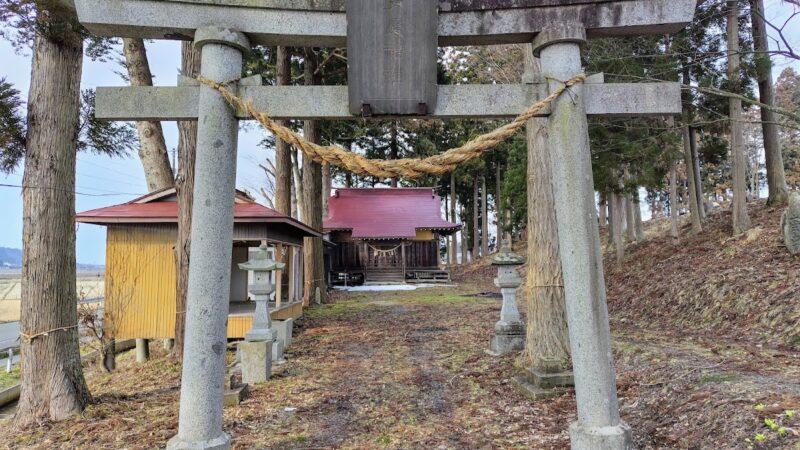
A magnificent wooden torii gate stands at the entrance to Sumiyoshi Shrine. While many torii gates are made of stone, this wooden gate has a warmth that makes it blend seamlessly into the surrounding residential area.
The path leading from this gate to the shrine grounds is enveloped in a tranquil atmosphere despite being in an urban area, creating a sacred space far removed from the hustle and bustle of everyday life.
Stone Lanterns from the Bunka Era
As mentioned above, eight stone lanterns dedicated between Bunka 1 (1804) and Bunka 8 (1811) are placed within the shrine grounds. These were installed over a period of eight years, nine years after the shrine’s relocation, and are arranged in a four-seat, four-pair configuration.
The stone lanterns, having withstood the elements for over 200 years, exude a sense of history with their moss-covered surfaces, further enhancing the solemn atmosphere of the shrine grounds. As a valuable cultural asset that conveys the form of faith from the Edo period, it attracts attention from visitors interested in architecture and history.
Shrine Buildings and Subsidiary Shrines
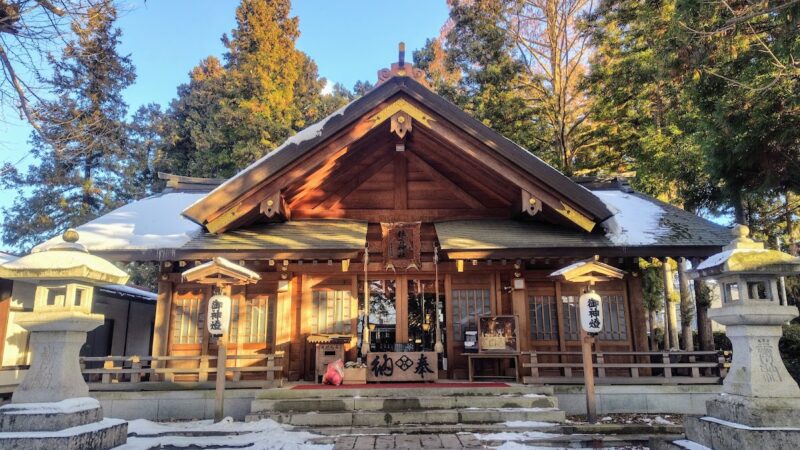
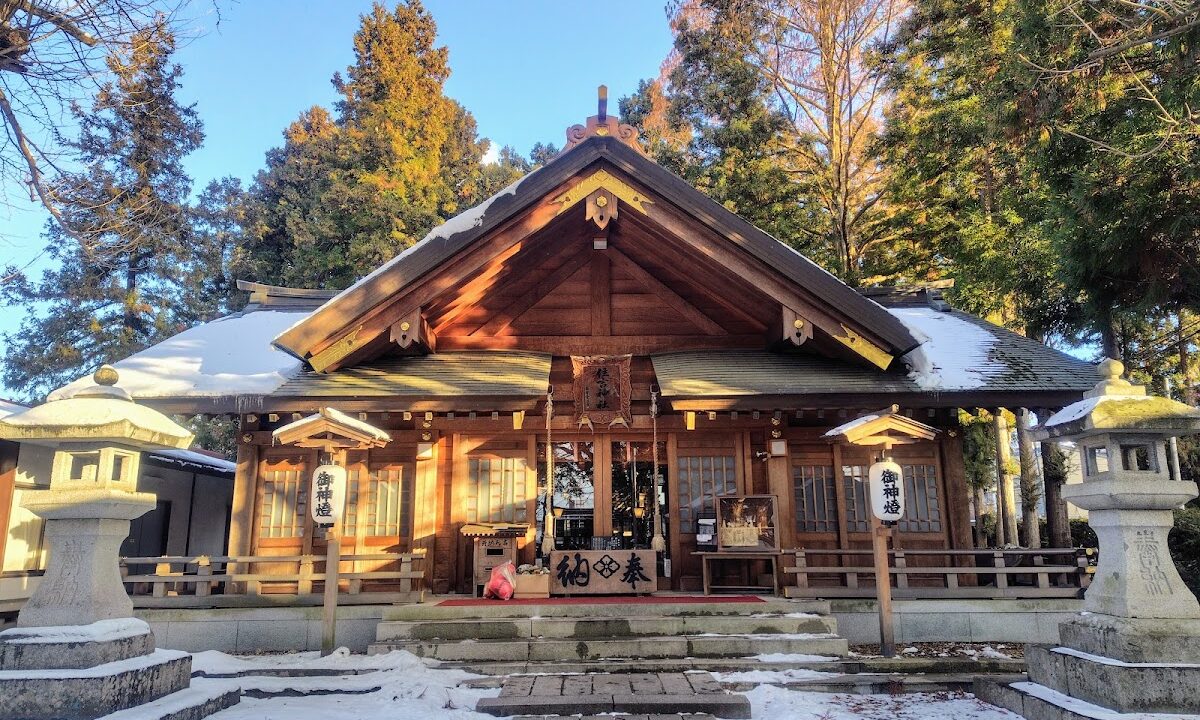
The current shrine buildings are based on those constructed by the Nanbu clan lord during the relocation in 1795. The wooden worship hall and main sanctuary reflect the traditional shrine architecture style of the Morioka region, possessing a simple yet dignified appearance.
In addition to the main sanctuary, several subsidiary shrines are also enshrined within the grounds, demonstrating the diversity of local beliefs.
Tranquil Atmosphere of the Shrine Grounds
Although Sumiyoshi Shrine is located in a residential area, stepping onto the grounds reveals a quiet space isolated from the hustle and bustle of the city. Especially on weekday mornings, there are few visitors, creating a peaceful atmosphere perfect for a leisurely visit.
The shrine grounds are of a moderate size, meticulously clean, and clearly cherished by the local community. The grounds, which display different expressions with each season, offer new discoveries with every visit.
Goshuin (Shrine Seal) Information | Reception Hours and Types
About the Issuance of Goshuin
Sumiyoshi Shrine offers goshuin. The shrine office is open from 9:00 AM to 4:00 PM, and you can receive a goshuin during these hours.
The goshuin features the calligraphy and stamp of “Sumiyoshi Shrine” in ink and a red seal, characterized by a simple yet powerful calligraphy style. The offering fee is the same as that of most shrines.
About Goshuincho (Shrine Seal Books)
We recommend contacting the shrine office in advance to inquire about the availability of Sumiyoshi Shrine’s original goshuincho. Those visiting shrines in Morioka City may also enjoy collecting goshuin from Morioka Hachimangu Shrine and Morioka Tenmangu Shrine.
Etiquette for Visiting the Shrine
Goshuin (shrine stamps) are given as proof of your visit. Always complete your prayers before requesting a goshuin at the shrine office. Also, the shrine office may be unattended, so if you want to be sure to receive a goshuin, it is recommended to call ahead to confirm.
About Prayers and Blessings | Carefully Performed One Group at a Time by Appointment
Acceptance of Various Prayers and Blessings
Sumiyoshi Shrine accepts various prayers and blessings at any time. The main types of prayers are as follows:
- Prayer for Traffic Safety
- Prayer for Business Prosperity
- Prayer for Safe Childbirth
- First Shrine Visit for a Newborn
- Shichi-Go-San (7-5-3) Ceremony
- Prayer for Academic Success
- Prayer for Protection from Evil
- Prayer for Family Safety
- Other Prayers Related to Life Rituals
Carefully Performed One Group at a Time by Appointment
A distinctive feature of prayers at Sumiyoshi Shrine is that each group receives a careful and thorough purification ceremony. While large shrines may have multiple groups receiving prayers simultaneously, Sumiyoshi Shrine offers individual prayers, allowing for a more heartfelt and personalized experience.
Prayers are by reservation only, so please be sure to call ahead to schedule your visit.
How to Apply for a Prayer
Phone Number: 019-654-7760
Reception Hours: 9:00 AM – 4:00 PM
When making a reservation, please specify the type of prayer you wish to receive, the date and time, and the number of attendees. The offering fee can be confirmed by phone.
Access and Parking Information | Within Walking Distance of Morioka Hachimangu Shrine
Basic Information
Address: 9-1 Sumiyoshi-cho, Morioka City, Iwate Prefecture 020-0882
Phone Number: 019-654-7760
Shrine Office Hours: 9:00 AM – 4:00 PM
Access by Train
Nearest Station: JR Yamada Line “Yamagishi Station”
- Approximately 15-20 minutes on foot from Yamagishi Station
Alternatively, you can take a bus from Morioka Station. Take an Iwate Kotsu bus from the bus terminal in front of Morioka Station and get off at the “Sumiyoshi-cho” bus stop; it’s a few minutes’ walk from there.
Access by Car
- Approximately 15 minutes from Morioka IC on the Tohoku Expressway
- Approximately 10 minutes from the center of Morioka City
Car Navigation Setting: Search for “9-1 Sumiyoshi-cho, Morioka City” or phone number “019-654-7760”
Parking
There is parking space for visitors on the shrine grounds. However, if you are visiting with a large vehicle or multiple vehicles, it is recommended to check with the shrine in advance.
Location in relation to surrounding shrines
Sumiyoshi Shrine is located approximately 580 meters north of Morioka Hachimangu Shrine. It is about a 10-minute walk or a 3-minute drive from Morioka Hachimangu Shrine, making it a convenient location for visiting both shrines.
When visiting shrines in Morioka City, the following route is recommended:
- Morioka Hachimangu Shrine
- Sumiyoshi Shrine (10-minute walk from Hachimangu Shrine)
- Morioka Tenmangu Shrine
Visiting these three shrines allows you to efficiently visit the major shrines of Morioka.
Annual Events and Festivals
Main Annual Events
Sumiyoshi Shrine holds various festivals throughout the year. The main events include:
New Year’s Day Festival (January 1st): A festival to celebrate the New Year and pray for peace throughout the year.
Setsubun Festival (around February 3rd): A festival to ward off evil and invite good fortune through bean-throwing.
Grand Festival: The most important festival at Sumiyoshi Shrine. Local people gather to offer thanks and prayers to the gods.
Shichi-Go-San (7-5-3 Festival) (November): Celebrating children’s growth and praying for their continued healthy development.
Great Purification Ceremony (June & December): A Shinto ritual to cleanse away the sins and impurities accumulated over the past six months.
For detailed dates of these events, we recommend contacting the shrine office or checking the official website.
Comparison with other shrines in Morioka City
Differences from Morioka Hachimangu Shrine
Morioka Hachimangu Shrine is the largest shrine in Morioka City and is bustling with many visitors. Sumiyoshi Shrine, on the other hand, is smaller in scale, but its charm lies in its calm atmosphere where visitors can pray at their own pace.
While Morioka Hachimangu Shrine is a shrine of Hachiman worship, Sumiyoshi Shrine is a shrine of Sumiyoshi worship, and the enshrined deities and blessings differ. By visiting both shrines, you can receive the blessings of different gods.
Characteristics of Sumiyoshi Shrine
The most distinctive features of Sumiyoshi Shrine are as follows:
- 950 Years of History: A clear historical background, founded by Minamoto no Yoriyoshi
- Married Couple Zelkova Trees: The imposing presence of giant trees over 310 years old
- Prayers for Each Couple: A respectful and heartfelt prayer service
- Tranquil Precincts: A peaceful environment for worship despite being in an urban area
- Safety in Land and Sea Travel: A blessing unique to Sumiyoshi Okami
Points to Note and Recommended Ways to Spend Your Time
Etiquette for Worship
When visiting Sumiyoshi Shrine, please observe the following basic etiquette:
- Bow Before Passing Through the Torii Gate: As a sign of respect before entering the sacred area
- Walk Along the Edge of the Path: The center is considered the path of the gods
- Purify at the Water Basin: Cleanse your hands and mouth before praying
- Worship at the Main Hall: Follow the proper etiquette of two bows, two claps, and one bow.
- Viewing the Married Couple Zelkova Trees: Take your time to appreciate the sights within the shrine grounds.
- Getting a Goshuin (Shrine Stamp) at the Shrine Office: Receive a Goshuin after your visit.
- Bow Upon Exiting: Turn around and bow when leaving the torii gate.
Recommended Times to Visit
Weekday Mornings: The quietest and most peaceful time for worship. There are fewer people taking photos of the Married Couple Zelkova Trees, allowing you to leisurely explore the shrine grounds.
Weekend Mornings: A moderate number of visitors create a more authentic shrine atmosphere.
Times to Avoid: Weekends during the New Year’s holiday and Shichi-Go-San season may be crowded.
Photography Tips
Photography is generally permitted within the temple grounds, but please keep the following points in mind:
- Refrain from taking photos inside the main hall or worship hall.
- Be considerate and avoid including other worshippers in your photos.
- The Meoto Zelkova trees can be photographed from various angles, so try to find your favorite angle.
- A composition combining the stone lantern and the shrine building is also recommended.
Seasonal Highlights
Spring: The fresh green leaves of the Meoto Zelkova trees are beautiful, and a refreshing atmosphere permeates the temple grounds.
Summer: The zelkova leaves are lush, creating a cool and shady atmosphere.
Autumn: The zelkova trees change color in autumn, making it one of the most beautiful seasons.
Winter: The snow-covered temple grounds are magical, and you can feel a sacred atmosphere enveloped in silence.
Summary | The Charm and Significance of Visiting Sumiyoshi Shrine
Located in Sumiyoshi-cho, Morioka City, Iwate Prefecture, Sumiyoshi Shrine is a historic shrine that has attracted the faith of local people for approximately 950 years since its founding by Minamoto no Yoriyoshi during the Kohei era (1058-1064).
The shrine enshrines four deities—Sokotsutsuo-no-Mikoto, Nakatsutsuo-no-Mikoto, Uwatsutsuo-no-Mikoto, and Empress Jingu—who were invited from Sumiyoshi Taisha in Osaka. It is believed to offer a wide range of blessings, including safety in sea and land travel, business prosperity, safe childbirth, academic success, protection from evil, and marital harmony.
The most striking feature of the shrine grounds is the pair of zelkova trees, over 310 years old. Their overwhelming presence leaves a strong impression on visitors, further enhancing the sacredness of the shrine grounds. Other attractions include the eight stone lanterns dedicated during the Bunka era and the large wooden torii gate, all of which evoke a sense of history.
One of the unique features of Sumiyoshi Shrine is that prayers are performed carefully for each group, allowing for heartfelt prayers. They also offer Goshuin (shrine stamps), making it well worth a visit as part of a shrine pilgrimage in Morioka.
Conveniently located about a 10-minute walk from Morioka Hachimangu Shrine, visiting both shrines together will make for a more fulfilling shrine tour. Despite being in an urban area, Sumiyoshi Shrine maintains a tranquil atmosphere, making it an ideal place to escape the hustle and bustle of everyday life and find peace of mind.
With its history dating back to the time of Minamoto no Yoriyoshi, the reverence of the Nanbu clan lords, and the unwavering faith of the local people to this day, Sumiyoshi Shrine is a precious place where you can experience Morioka’s history and culture. When you visit Morioka, be sure to stop by. You will surely feel your soul cleansed by the sacred atmosphere woven over 950 years of history and the vitality of the twin zelkova trees.