Himekamidake Shrine (Iwate Prefecture) Complete Guide | A Thorough Explanation of History, Deities, Access, and Hiking Information
What is Himekamidake Shrine?
Himekamidake Shrine is a shrine located at 36 Tamayama-kan, Morioka City, Iwate Prefecture. Situated at the foot of Mount Himekami (elevation 1,124m), a sacred mountain representative of Iwate Prefecture, it has long been revered by the local people as a center of mountain worship.
Mount Himekami is also known as “Nanbu Katafuji” (Southern One-Sided Fuji) and is known as a symbolic presence of Iwate Prefecture due to its beautiful shape. Himekamidake Shrine enshrines the guardian deity of this sacred mountain and serves as a spiritual haven for hikers and local residents.
The Position of Himekamidake Shrine
Himekamidake Shrine functions as the village shrine of the Himekami Mountain faith, with a main shrine located at the summit. The relationship between this lower shrine and inner shrine is a valuable example that conveys a typical form of Japanese mountain worship.
Deities and History
Deities
The following deities are enshrined at Himegami-dake Shrine:
Eboshikamimehime
A goddess worshipped since ancient times as the principal deity of Mount Himegami. Also known as Tateeboshikamime, she is revered as the guardian deity of the mountain.
Suserihime-no-Mikoto
The wife of Okuninushi-no-Mikoto, she is known as the goddess of matchmaking and family safety.
Because these goddesses are enshrined, Himegami-dake Shrine is cherished by many worshippers as a shrine that combines feminine gentleness and strength.
History of Founding
Regarding the founding of Himegami-dake Shrine, traditions remain from the early Heian period. It is said that the shrine originated when Sakanoue no Tamuramaro, the Shogun, visited this area during his eastern expedition and enshrined the goddess Tateeboshi.
Tamuramaro is known for establishing shrines throughout Tohoku during his campaigns against the Emishi people, and Himegami-dake Shrine is one of them, playing a role in praying for the imperial court’s rule over Tohoku and for peace in the region.
Historical Changes
From the medieval period onward, Mount Himegami developed as a sacred site for Shugendo (mountain asceticism) and became a training ground for mountain ascetics. During the Edo period, it received the patronage of the Nanbu clan and flourished as an important center of faith in the region.
Although the Shugendo elements were reduced by the Meiji-era separation of Shinto and Buddhism, the tradition of mountain worship has been continuously passed down to the present day.
Highlights of the Shrine Grounds
Shrine Buildings
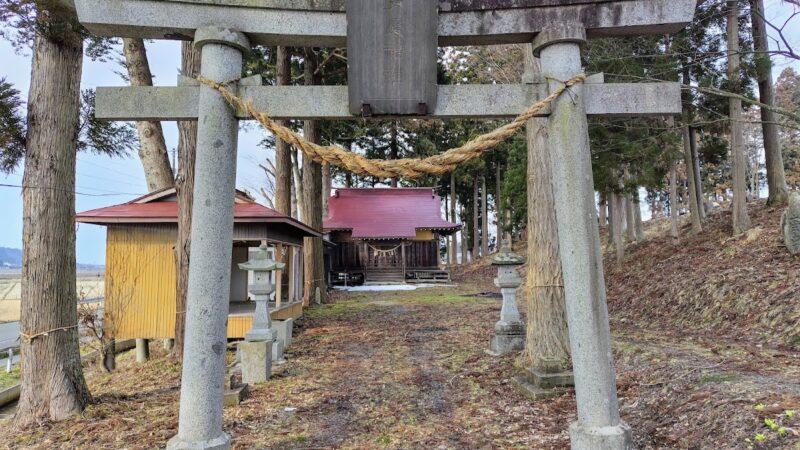
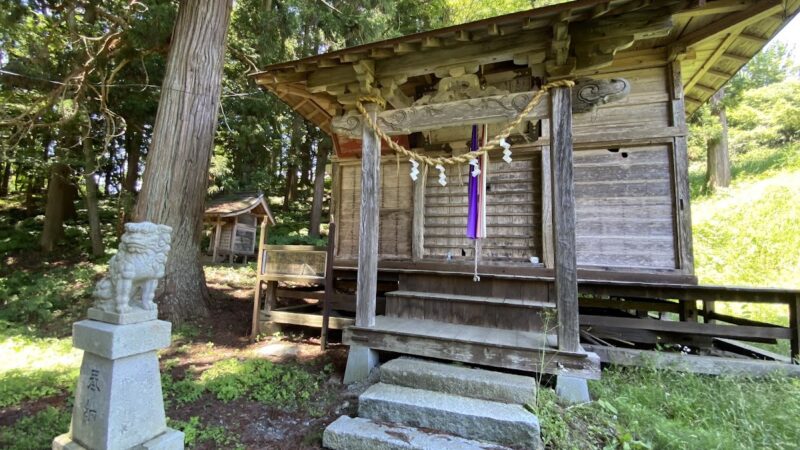
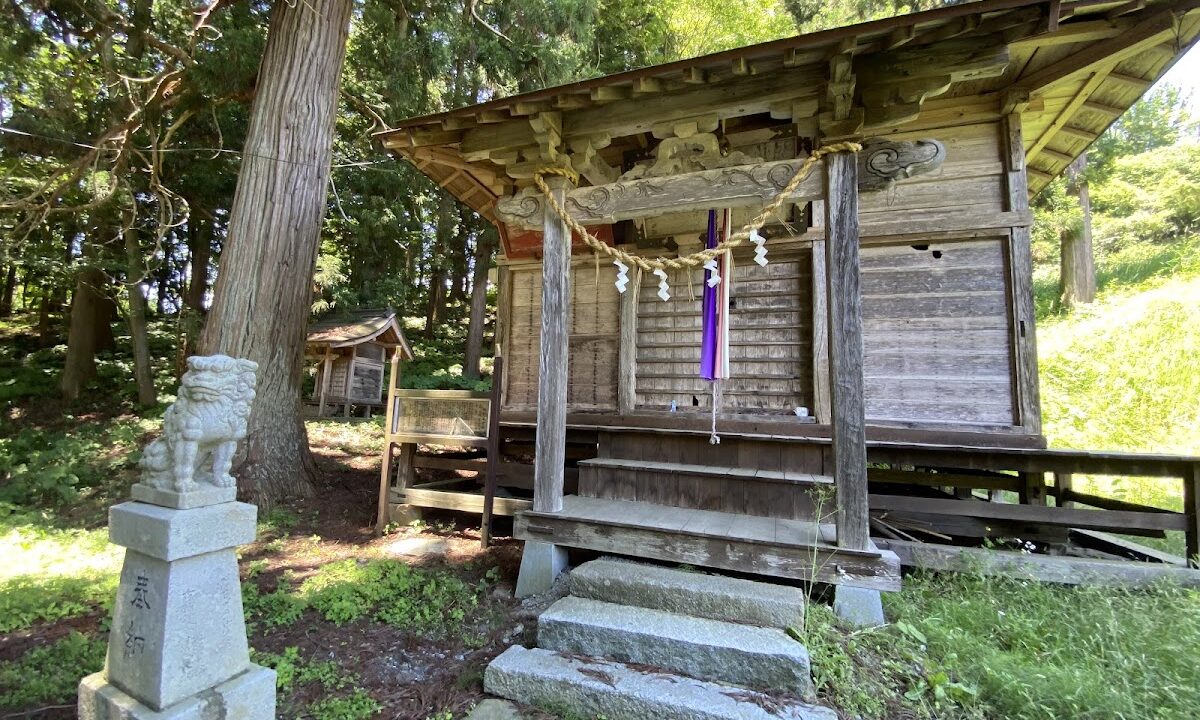
The shrine buildings of Himegami-dake Shrine are arranged to take advantage of its location at the foot of Mount Himegami. From the main hall, you can gaze upon the majestic figure of Mount Himegami, feeling the atmosphere of a sacred place integrated with nature.
The shrine building, though simple, has a solemn presence, conveying the weight of history that has supported the faith of the local community.
Atmosphere of the Shrine Grounds
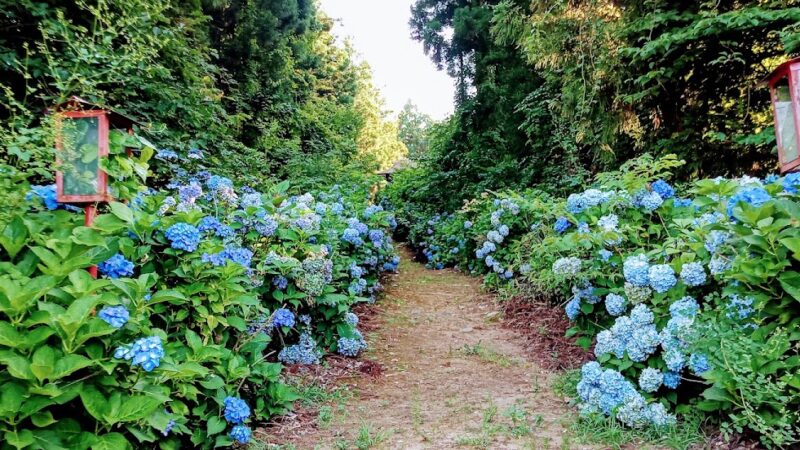
The shrine grounds are enveloped in a tranquil atmosphere, providing peace of mind to visitors. Surrounded by abundant nature, the changing scenery of the four seasons is one of its charms.
With fresh greenery in spring, deep green in summer, autumn leaves in fall, and snowscapes in winter, the shrine grounds show different faces in each season, making it a popular spot for photography.
Stone Monuments and Memorials
Several stone monuments and memorials that tell the story of history are erected on the shrine grounds. These are valuable historical documents, serving as evidence of the faith of the local people and the efforts that have continued to protect the shrine.
Annual Festivals and Traditional Events
Himegami-dake Shrine Annual Festival
Himegami-dake Shrine holds an annual festival every year. At this annual festival, the Tamayama Kagura, a traditional performing art of the region, is performed, attracting many worshippers.
Tamayama Kagura
Tamayama Kagura is a valuable traditional performing art designated as an Intangible Folk Cultural Property of Morioka City. It is preserved by the Tamayama Kagura Preservation Society and performed at various occasions, including the annual festival of Himegami-dake Shrine.
Kagura is cherished by local residents as a dance offered to the gods and as a cultural heritage representing the region’s identity. The powerful dance and the sounds of flutes and drums create a captivating traditional performance.
Annual Events
In addition to the annual festival, various festivals are held throughout the year, including the New Year’s Day Festival, the Spring Grand Festival, and the Autumn Grand Festival. These events play an important role in strengthening the bonds of the local community.
Relationship with Mount Himegami
About Mount Himegami
Mount Himegami is an isolated peak with an elevation of 1,124m. Its beautiful conical shape has earned it the nicknames “Southern Mount Fuji” and “Southern Fuji.” It is one of Iwate Prefecture’s most famous mountains and is also selected as one of Japan’s 200 Famous Mountains.
From the summit, a spectacular view unfolds, encompassing Mount Iwate, Mount Hayachine, and other mountains of the Kitakami Mountains, and even the Pacific Ocean in the distance, captivating many climbers.
Object of Mountain Worship
Mount Himegami has been revered as a sacred mountain since ancient times, with the mountain itself considered a deity. Himegami-dake Shrine serves as the lower shrine, while the Honmiya Shrine at the summit serves as the inner shrine, working together to support the faith.
Many climbers pray for safety at Himegami-dake Shrine before beginning their climb, and then offer thanks for a safe ascent at the Honmiya Shrine at the summit.
Hongu Shrine at the Summit
A small shrine dedicated to Hongu Shrine sits atop Mount Himegami. This shrine, the inner sanctuary of Himegami-dake Shrine, is a central point of mountain worship.
Hikers visit this shrine at the summit, offering prayers for a safe climb and expressing their gratitude. A 360-degree panoramic view unfolds from the area surrounding the shrine, creating a sacred atmosphere.
Access Information
Access by Train
Nearest Station: JR Tazawako Line, Shibutami Station
- From Morioka Station to Shibutami Station: Approximately 15 minutes
- From Shibutami Station to Himegami-dake Shrine: Approximately 30 minutes on foot, approximately 5 minutes by car
Shibutami Station is also known as a place associated with Ishikawa Takuboku, and there are tourist facilities such as the Takuboku Memorial Museum near the station.
Access by Car
From Morioka City Center
- Approximately 30 minutes via National Route 4
- Approximately 40 minutes from Morioka Interchange
Car Navigation Settings
- Address: 36 Tamayama-kan, Morioka City, Iwate Prefecture
- Landmark: Near the Himegami-yama trailhead
Parking Information
There is parking available for visitors around Himegami-dake Shrine. It is expected to be particularly crowded during festivals and climbing seasons, so early arrival is recommended.
Parking is also available at the Himegami-yama trailhead, convenient for those combining climbing and visiting the shrine.
Notes on Using Public Transportation
It is possible to access the shrine on foot from Shibutami Station, but it takes approximately 30 minutes. Consider taking a taxi. Bus routes are limited, so checking the timetable in advance is recommended.
Points to Note When Visiting
Etiquette for Visiting
When visiting Himegami-dake Shrine, follow the general etiquette for visiting a shrine:
- Bow before passing through the torii gate
- Purify your body and mind at the water basin
- Bow twice, clap twice, and bow once in front of the main hall
- Offer your prayers quietly
Recommended Time to Visit
Spring (April-May)
The season of fresh greenery, the nature of the shrine grounds is beautiful, and you can visit in refreshing air.
Autumn (September-October)
The season of autumn leaves, the slopes of Mt. Himegami change color, and you can enjoy the most beautiful scenery. The annual festival is also often held in autumn.
Summer (June-August)
Coincides with the hiking season, and the shrine is bustling with visitors before and after hiking.
Clothing and Items to Bring
If you are only visiting the shrine, normal clothing is fine, but if you are combining it with hiking, hiking equipment is necessary. Since the shrine grounds are located in a natural setting, we recommend wearing comfortable walking shoes.
Combining with a Himegami-yama Mountain Climb
Hiking Route
There are several hiking routes to Himegami-yama, but the most popular is the Ipponsugi Course:
Ipponsugi Course
- From trailhead to summit: Approximately 2 hours 30 minutes
- Descent: Approximately 2 hours
- Difficulty: Beginner to Intermediate
- Features: A well-maintained hiking trail, easy for beginners to attempt
Pre-Climb Worship
Many hikers pray for safety at Himegami-dake Shrine before entering the mountain. This is an ancient custom and a way of preserving the tradition of mountain worship.
Worship at the Summit
Worshiping at the main shrine at the summit is a special experience, combining the sense of accomplishment from the climb with a sacred atmosphere. On a clear day, you can enjoy a spectacular view of Mount Iwate, Mount Hayachine, and even the Pacific Ocean in the distance.
Precautions for Hiking
- Be aware of sudden changes in weather
- Carry sufficient water and food
- Submit a hiking plan
- Wear appropriate equipment (hiking boots, rain gear, warm clothing, etc.)
- Avoid solo hiking; hiking in groups is recommended
Nearby Attractions
Ishikawa Takuboku Memorial Museum
Near Shibutami Station is the Ishikawa Takuboku Memorial Museum, dedicated to the poet born in Iwate Prefecture. You can learn about Takuboku’s life and works, and it’s worth visiting in conjunction with a visit to Himegami-dake Shrine.
Tourist Spots in Tamayama Area
The Tamayama area of Morioka City is dotted with rich nature and historical sights. You can enjoy the original landscape of Iwate, including rural scenery and traditional buildings.
Sightseeing in Morioka City
If you venture to the center of Morioka City, you’ll find many tourist spots such as Morioka Castle Ruins Park, Morioka Hachimangu Shrine, and Sakurayama Shrine. You can also enjoy local cuisine such as Morioka’s three famous noodle dishes (Wanko Soba, Morioka Reimen, and Jajamen).
The Charm of Himegamidake Shrine
Oneness with Nature
The greatest charm of Himegamidake Shrine is that it is a sacred site integrated with the magnificent natural surroundings of Mount Himegami. The view of Mount Himegami from the shrine grounds deeply moves visitors.
History and Tradition
The long history dating back to the Heian period and the thriving traditional culture, such as Tamayama Kagura, are also major attractions. You can experience firsthand the forms of faith that have been passed down from the past to the present.
Connections with the Community
Himegamidake Shrine is closely intertwined with the lives of the people as the center of the local community. You can see how community bonds are deepened through the annual festivals and Kagura performances.
Seasonal Changes
The shrine grounds, displaying different expressions with each season—the fresh green of spring, the deep green of summer, the vibrant autumn foliage, and the snowy landscape of winter—offer new discoveries with every visit.
Visitor Voices
Hiker Evaluations
Many hikers of Mount Himegami consider visiting Himegami-dake Shrine an important part of their hiking experience. Many say, “Praying for safety at the shrine before climbing calms my mind and allows me to concentrate on the climb.”
Local Residents’ Feelings
For the local people, Himegami-dake Shrine is an integral part of their lives. It is a place they visit for life’s milestones and annual events such as New Year’s visits, Shichi-Go-San (a traditional rite of passage for children), and annual festivals, and they hold a deep affection for it.
Tourist Impressions
Tourists from outside the prefecture highly appreciate Himegami-dake Shrine as a place where Iwate’s nature and history are condensed. Comments include, “The quiet and sacred atmosphere cleanses the soul,” and “I was moved by the beauty of Mount Himegami.” ## Photography Tips
Recommended Photo Spots
Composition with a View of Mt. Himegami from the Shrine Grounds
A composition that includes both the main hall and Mt. Himegami best expresses the characteristics of the shrine.
View Through the Torii Gate
Using the torii gate as a frame, photographing Mt. Himegami and the shrine grounds beyond creates an impressive image.
Shrine Grounds in the Four Seasons
Photographs capturing the seasonal changes of nature, such as the fresh greenery of spring and the autumn leaves, are perfect as mementos of your visit.
Photography Manners
- Be considerate and avoid disturbing other worshippers.
- Act with awareness that this is a sacred place.
- Check in advance if photography is permitted during festivals.
- Remember to be considerate of those around you when using a tripod.
Precautions When Visiting Himegami Shrine
Seasonal Precautions
Winter (December to March)
Due to the possibility of snow and ice, winter tires or studded tires are necessary. Please also take sufficient precautions against the cold.
Summer (June-August)
Insect repellent and heatstroke prevention measures are necessary. Be sure to stay well-hydrated.
Mindset for Visiting
Before being a tourist destination, Himegami-dake Shrine is a place of worship for the local people. It is important to worship quietly and respect the sacred atmosphere.
Toilets and Rest Facilities
There may be limited facilities within the shrine grounds. It is recommended to prepare in advance at Shibutami Station or a roadside rest area.
Summary
Himegami-dake Shrine is a shrine steeped in history and tradition, located at the foot of Mount Himegami, a sacred mountain in Morioka City, Iwate Prefecture. Since its founding in the Heian period, it has been revered by the local people as a center of mountain worship, and even today, many worshippers and hikers visit.
With Eboshi-no-Kamihime and Suseri-hime as enshrined deities, and Mount Himegami itself considered the sacred object of worship, it is a valuable example of the tradition of Japanese mountain worship that continues to this day. The shrine carefully preserves local cultural heritage, including the annual festival where the Tamayama Kagura, a Morioka City-designated intangible folk cultural property, is performed.
Its convenient access, approximately 30 minutes on foot or 5 minutes by car from JR Shibutami Station, is another attractive feature. Combining a visit with a hike up Mount Himegami offers a special experience where nature and faith are intertwined.
With its grounds that display different expressions in each season, magnificent views of Mount Himegami, and traditional events rooted in the local community, Himegami-dake Shrine offers new discoveries with every visit. When you visit Iwate Prefecture, be sure to stop by. A sacred atmosphere that cleanses the soul and a precious experience of connecting with Iwate’s rich nature await you.