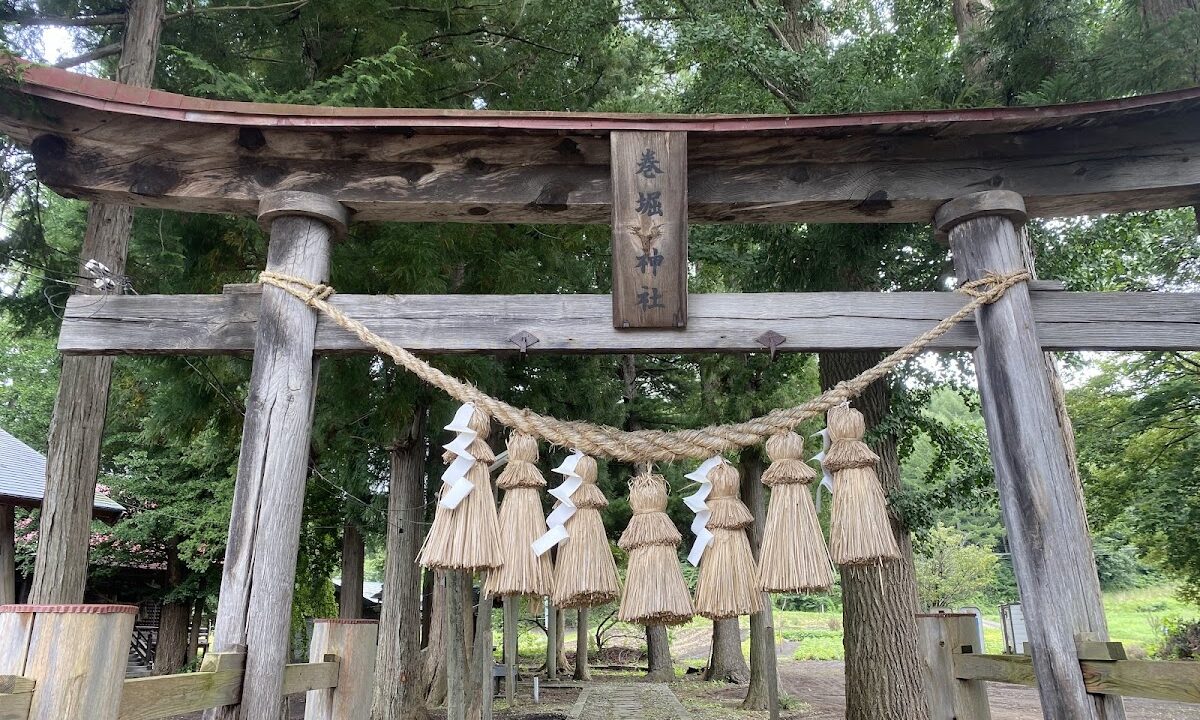
Complete Guide to Makibori Shrine (Morioka City, Iwate Prefecture) | The Birthplace of Kinsei Worship and a Place for Matchmaking and Safe Childbirth
Makibori Shrine, located in Makibori Honmiya, Morioka City, Iwate Prefecture, is a historical shrine founded in 1459. It is said to be the birthplace of Kinsei worship and has long attracted many worshippers from both the local area and outside the prefecture as a guardian deity for matchmaking, safe childbirth, and fertility. This article provides a detailed introduction to Makibori Shrine, including its history, enshrined deities, blessings, highlights of the grounds, and access information.
What is Makibori Shrine? | The Center of Kinsei Worship in Tohoku
Makibori Shrine is located in the Kōma district, in the northern part of Morioka City, Iwate Prefecture. Under the modern shrine ranking system, it was ranked as a village shrine and has been revered as the tutelary deity of the three villages of Makibori, Baba, and Nagai.
Importance as the Origin of the Konsei-shin Worship
While shrines dedicated to the Konsei-shin (male genitalia) exist throughout Japan, primarily in the Tohoku region, Makibori Shrine is sometimes considered its birthplace. Konsei-shin worship is a folk belief that involves the worship of a deity shaped like male genitalia, and is linked to the worship of fertility, abundant harvests, and guardian deities of roads and paths.
The enshrined deity of Makibori Shrine, Konsei Daimyojin, is a wooden statue approximately 60 centimeters tall and has long been revered as a guardian deity of safe childbirth. This belief spread throughout the Tohoku region, and many worshippers still visit the shrine today.
History of Makibori Shrine | A Lineage of Faith Continuing from Chōroku 3
From Founding to the Edo Period
Makibori Shrine is believed to have been founded in Chōroku 3 (1459). Initially, it was called “Konsei Daimyojin” or “Dōsojin” and attracted the faith of local people. From the late Muromachi period to the Sengoku period, the shrine developed as a center of folk religion in the Morioka region, which was under the control of the Nanbu clan.
During the Edo period, it became an important place of worship within the Morioka domain, widely revered by samurai and commoners. It is said that many women, in particular, visited the shrine seeking blessings for matchmaking and safe childbirth, and that pilgrims from far and wide constantly came to worship.
Changes after the Meiji Era
In 1870 (Meiji 3), with the introduction of the Shinto-Buddhist Separation Order and the modern shrine ranking system, the shrine was renamed “Makibori Shrine.” During this period, many shrines changed their names and reorganized their deities to those of the Kojiki and Nihon Shoki myths; Makibori Shrine was no exception.
In the Meiji era, it was designated a village shrine and recognized as an official shrine with the three villages of Makibori, Baba, and Nagai as its parishioners. In the Showa era, the main hall and other shrine buildings were renovated, resulting in its current appearance.
Even after the war, it continued to function as a center of local faith, and since the Heisei era, it has attracted attention from younger generations as a power spot for matchmaking and safe childbirth.
Deities and Benefits | Guardian Deities of Matchmaking, Safe Childbirth, and Fertility
Deities
The deities enshrined at Makibori Shrine are the following two:
Sarutahiko-no-Mikoto
A god of guidance appearing in Japanese mythology. Known as the god who guided the descent of the heavenly grandchild, he is worshipped as the god of opening paths, traffic safety, and protection against misfortune. He is also associated with the worship of Dōsojin (roadside guardian deities) and is believed to possess divine power for matchmaking.
Izanagi-no-Mikoto
A god of creation in Japanese mythology. Along with Izanami-no-Mikoto, he is a creator god who gave birth to the Japanese archipelago and many gods, and is revered as a symbol of vitality and productivity. He is believed to bring benefits of prosperity of descendants and matchmaking.
Sacred Object | Kinsei Daimyojin
The most distinctive feature of Makibori Shrine is the sacred object enshrined there, Kinsei Daimyojin. It is a wooden statue approximately 60 centimeters tall, shaped like a male genital organ. This sacred object has long been an object of worship, symbolizing the source of life and the prosperity of descendants.
The worship of Kinsei is deeply intertwined with prayers for fertility and the prosperity of descendants in agricultural societies. It transcends sexual taboos and represents a form of Japanese folk belief that sanctifies life force itself.
Main Benefits
The main benefits believed to be bestowed at Makibori Shrine are as follows:
- Matchmaking: Guiding men and women seeking good relationships to meet.
- Safe Childbirth Prayer: Protecting pregnant women for safe childbirth.
- Fertility and Conception: Fulfilling the wishes of couples who wish to have children.
- Marital Harmony: Deepening the bond between husband and wife and protecting peace in the home.
- Child-Rearing Protection: Watching over the healthy growth of children.
- Opening the Way: Guiding people to the right choices at life’s crossroads.
The blessings for safe childbirth, in particular, have been known since ancient times, and many pregnant women and families visit the shrine not only from within Iwate Prefecture but also from outside the prefecture, such as Aomori and Akita.
Highlights of the Shrine Grounds | A Tranquil Space and Traditional Culture
Main Hall and Worship Hall
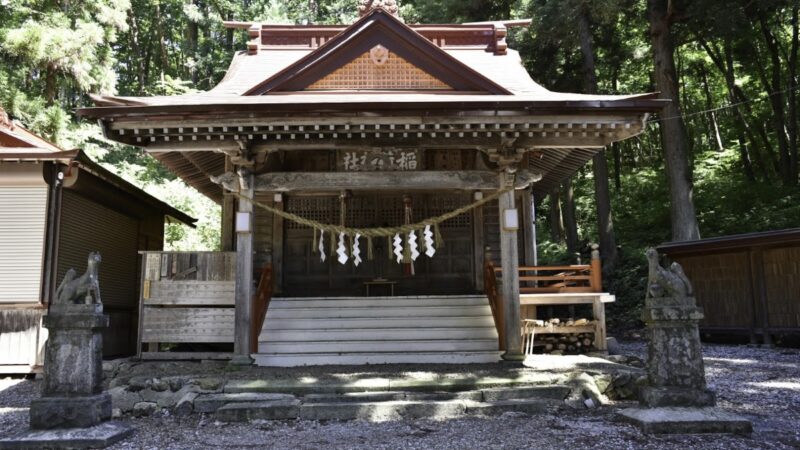
The main hall of Makibori Shrine is a wooden building that was renovated during the Showa era. The simple yet carefully maintained shrine building speaks to the deep faith of the local people. In the worship hall, worshippers can be seen quietly offering their prayers.
The shrine grounds are not vast, but they are meticulously clean and enveloped in a tranquil atmosphere. Visiting early in the morning, in particular, allows you to calm your mind in a crisp, clean air.
Shrines and Stone Monuments
Besides the main shrine, several stone monuments and small shrines are located within the grounds. These represent the long history of faith and are evidence of how the local people have cherished this shrine for generations.
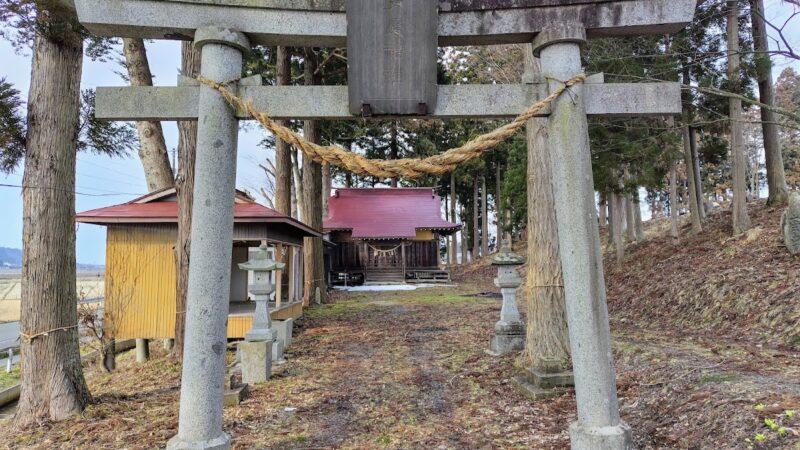
Along the approach to the shrine, you can see donated stone lanterns and commemorative monuments, offering a glimpse into the forms of faith throughout different eras.
Makibori Kagura | Morioka City Designated Intangible Folk Cultural Property
The “Makibori Kagura,” performed at the annual festival of Makibori Shrine, is a traditional performing art designated as an Intangible Folk Cultural Property of Morioka City.
Makibori Kagura is a sacred dance that has been passed down in the region since ancient times, and has been preserved as a dance to pray for a bountiful harvest and good health. The tradition is preserved by a local preservation society, and the annual festival features vibrant costumes and magnificent dances.
The Kagura performances include several dances based on mythology and local legends, each imbued with deep meaning. In recent years, efforts have been made to train successors, with activities underway to pass on the tradition to younger generations.
Annual Festival and Annual Events | A Shrine Walking Together with the Community
Annual Festival
The Makibori Shrine’s annual festival, held every autumn, is the most important festival. On this day, many parishioners and devotees gather for the dedication of Kagura and the procession of the portable shrine.
During the annual festival, the aforementioned Makibori Kagura is performed, and the local people gather to express their gratitude to the gods and pray for a bountiful harvest in the coming year. During the festival, stalls are sometimes set up on the shrine grounds, functioning as a community gathering place.
Other Annual Events
In addition to the annual festival, Makibori Shrine holds the following annual events:
- New Year’s Day Festival: Prayers for happiness and peace in the new year
- Setsubun Festival: Prayers for protection from evil and for good fortune
- Spring Grand Festival: Celebration of the arrival of spring and prayers for a bountiful harvest
- Summer Purification Ceremony: Purification of impurities accumulated over the past six months
- Shichi-Go-San Festival: Gratitude for children’s growth and prayers for their future health
These events are closely intertwined with the daily lives of the local people, demonstrating the shrine’s central role in the community.
Goshuin Information | A Memento of Your Visit
Makibori Shrine offers Goshuin (shrine stamps). Goshuin are proof of your visit and a tangible record of your connection with the gods.
Regarding the Issuance of Goshuin (Shrine Seals)
If you wish to receive a Goshuin, please speak to the shrine office. However, depending on the size of the shrine and the presence of the priests, they may be absent, so it is recommended to check by phone in advance.
If you do not have a Goshuincho (seal book), you may be able to receive a pre-written Goshuin. The offering fee is generally around 300 to 500 yen, but please offer what you feel is appropriate.
Etiquette for Visiting Shrines
A Goshuin is not merely a stamp rally; it is proof of your visit. Always complete your prayers before receiving a Goshuin. Also, please remember to show respect to the priests and use polite language.
Access Information | To the Kōma area in northern Morioka City
Basic Information
Location
22 Makibori Honmiya, Morioka City, Iwate Prefecture 028-4123
Phone Number
019-682-1271
Visiting Hours
Grounds are freely accessible (open all year round)
*Shrine office hours are mainly during the daytime
Access by Train
The nearest station is Kōma Station on the JR Tohoku Main Line.
- Approximately 5 minutes by car from Kōma Station
- Approximately 20-25 minutes on foot from Kōma Station
Kōma Station is approximately 15 minutes north from Morioka Station on the Tohoku Main Line. The IGR Iwate Galaxy Railway Line also serves the station, making access relatively convenient.
On foot, the distance from the station is approximately 1.5 kilometers northwest. The quiet path through the rural landscape allows you to enjoy the beautiful nature during your visit, depending on the season.
Access by Car
Access from the Tohoku Expressway
- Approximately 20 minutes from Morioka IC
- Approximately 15 minutes from Nishine IC
From central Morioka, head north on National Route 4 towards Koma. The journey takes approximately 30 minutes.
Parking
The shrine has parking spaces for visitors. It may get crowded during events such as the annual festival, so it is recommended to visit with plenty of time to spare.
Nearby Tourist Attractions
When visiting Makibori Shrine, why not extend your trip to some of the nearby tourist attractions?
Mount Iwate
A symbol of Iwate Prefecture, towering north of Morioka City. Its beautiful shape, reaching an altitude of 2,038 meters, is also known as “Southern Fuji.”
Koiwai Farm
One of Japan’s largest private comprehensive farms. Enjoy interacting with animals and savoring dairy products on the vast grounds.
Morioka City Center
Nearby, numerous historical and cultural sites abound, including Morioka Castle Ruins Park, Morioka History and Culture Museum, and Morioka Hachimangu Shrine.
Points and Manners for Visiting a Shrine | A Heartfelt Prayer
Etiquette for Visiting a Shrine
The basic etiquette for visiting a shrine is as follows:
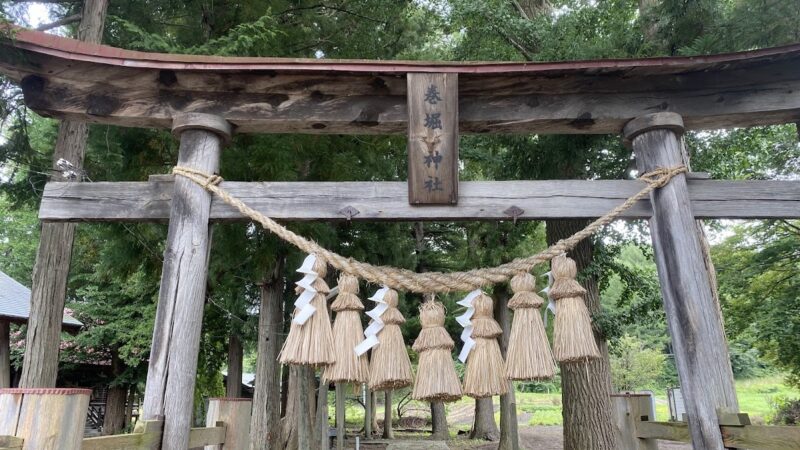
- Bow before passing through the torii gate: This is a courtesy before entering the sacred area.
- Walk along the edge of the path: The center is considered the path of the gods.
- Purify yourself at the water basin: Cleanse your hands and mouth to purify your mind and body.
- Bow twice, clap twice, and bow once in front of the main hall: Show respect to the gods.
- Quietly convey your wishes: Pray with all your heart.
For Those Praying for Safe Childbirth or Matchmaking
Makibori Shrine is particularly known for its blessings for safe childbirth and matchmaking. If you wish to make these prayers, please note the following:
Prayer for Safe Childbirth
While it is common to visit on the Day of the Dog in the fifth month of pregnancy, it is also acceptable to visit on a different day depending on your physical condition and circumstances. You can also bring your maternity belt and receive a purification ceremony (prior contact is required).
Prayer for Finding a Good Partner
When praying for a good partner, it is important to also consider your own personal growth and consideration for your partner. The gods will answer your sincere prayers.
Regarding Photography
Photography is generally permitted on the temple grounds, but please note the following:
- Photography inside the main shrine and of the sacred object is prohibited.
- Please be considerate of the privacy of other worshippers.
- Please refrain from taking photos during festivals or obtain permission.
- Please be mindful of appropriate language when posting on social media.
The Charm of Makibori Shrine | Why Do People Visit?
The Weight of History and Tradition
Since its founding in 1459 (Choroku 3), Makibori Shrine has attracted the faith of local people for over 560 years. The weight of its history is evident in the tranquil atmosphere of the shrine grounds, the carefully preserved sacred object, and the Makibori Kagura dance that has been passed down through generations.
Visiting a historical shrine is an experience that allows you to feel the flow of time from the past to the present and into the future.
The Belief in Kinsei as a Symbol of Vitality
While the belief in Kinsei may seem unusual from a modern perspective, it actually deals with universal human themes: the source of life and prayers for the prosperity of descendants.
The culture of not viewing sexuality as taboo, but rather as something sacred, demonstrates the richness of Japanese folk beliefs. Makibori Shrine can be considered a valuable place that conveys this aspect of Japanese culture to the present day.
Center of the Local Community
Makibori Shrine is not merely a tourist spot; it is a place deeply intertwined with the lives of the local people. Through the annual festival and other events, intergenerational exchanges are fostered, strengthening community bonds.
Visitors can also experience the warmth of this local community.
Attractiveness as a Power Spot
In recent years, Makibori Shrine has attracted attention as a power spot for matchmaking and safe childbirth. Many people report finding good fortune in relationships or having safe deliveries after visiting the shrine.
While the effects of the shrine as a power spot cannot be scientifically proven, it is certain that calming one’s mind in a sacred place and making sincere wishes allows one to confront one’s inner self and develop a positive outlook.
Tips for Visiting Makibori Shrine | For a Deeper Experience
Preparation Before Visiting Makibori Shrine
Learning a little about its history and beliefs beforehand will make your visit more meaningful. Reading information like this article is good preparation.
In particular, understanding the cultural and historical background of the Kinsei faith will allow you to appreciate it not merely as something unusual, but as a profound form of faith.
Seasonal Ways to Enjoy
Spring (March-May)
During cherry blossom season, the surrounding rural landscape is beautifully colored. Visiting amidst the fresh greenery is a refreshing experience.
Summer (June-August)
The lush green grounds offer a cool breeze even in the summer heat. Visiting during the Natsukoshi no Oharae (Summer Purification Ceremony) is also recommended.
Autumn (September-November)
This is the season for the annual festival. It’s a chance to see the Makibori Kagura (traditional dance). The surrounding nature is also beautifully colored during the autumn foliage season.
Winter (December-February)
The shrine grounds, covered in snow, are enveloped in silence, creating a special sense of sacredness. Visiting for the New Year’s Day festival is also highly recommended.
Interacting with the Community
If possible, try to converse with the locals. You may hear interesting stories about the shrine’s history and local culture.
It’s important to be mindful that you are visiting a place important to the local people and to treat them with respect.
Summary | Praying for Peace of Mind and Happiness at Makibori Shrine
Makibori Shrine in Morioka City, Iwate Prefecture, is a historic shrine founded in 1459 (Choroku 3), and is known as a center of Kinsei worship in the Tohoku region. With Kinsei Daimyojin as its enshrined deity, it has long attracted the faith of many people for its blessings of matchmaking, safe childbirth, and fertility.
Within the shrine grounds, the Makibori Kagura, a city-designated intangible folk cultural property, is passed down, and it plays a central role in the local community through annual events, including the grand festival.
Access is approximately 5 minutes by car or 20-25 minutes on foot from JR Kōma Station. It’s also easily accessible, about 30 minutes by car from the center of Morioka City.
In the tranquil grounds, you can calm your mind and sincerely convey your wishes; surely the gods will answer your prayers. When you visit Iwate Prefecture, please be sure to visit Makibori Shrine.
Frequently Asked Questions (FAQ)
Can I get a Goshuin (shrine stamp) at Makibori Shrine?
Makibori Shrine does offer Goshuin. They are available at the shrine office, but since the priests may not always be present, it is recommended to call in advance (019-682-1271) to confirm. The offering fee is generally around 300-500 yen.
When is the best time to pray for a safe delivery?
Generally, it is considered best to visit on the Day of the Dog in the fifth month of pregnancy, but it is also fine to visit on a different day depending on your physical condition and circumstances. If you wish to request a prayer service, please contact the shrine in advance to discuss the date and time.
Is there parking available?
There is parking space for visitors. It is usually available without any problems, but it may be crowded during events such as the annual festival, so we recommend visiting with plenty of time to spare.
When can I see the Makibori Kagura?
The Makibori Kagura is mainly performed at the autumn annual festival. Specific dates may vary from year to year, so please inquire with the shrine or check the Morioka City tourist information.
What is Kinsei faith?
Kinsei faith is a Japanese folk belief that involves worshipping a deity shaped like male genitalia, and is linked to the worship of fertility, abundant harvests, and guardian deities of roads. It has a cultural background that does not consider sexuality taboo, but rather sanctifies it as a source of life force. Kinsei shrines exist throughout the Tohoku region, and Makibori Shrine is considered its birthplace.
How do I get there from Morioka Station?
From Morioka Station, take the JR Tohoku Main Line or the IGR Iwate Galaxy Railway Line to Kōma Station (approximately 15 minutes). From Kōma Station, it’s about a 20-25 minute walk or a 5 minute drive. By car, it’s about a 30 minute drive from central Morioka via National Route 4.
How can I receive the blessings for finding love?
Follow the basic worship etiquette (two bows, two claps, one bow) and pray sincerely for a good match. A sincere wish and effort to improve yourself are important. You can also receive a protective amulet (at the shrine office).
Are there any events other than the annual festival?
Various events are held throughout the year, including the New Year’s Day Festival, Setsubun Festival, Spring Grand Festival, Summer Purification Ceremony, and Shichi-Go-San Festival. Please contact the shrine for detailed dates.