Inanaizawa Shrine (Hachimantai City, Iwate Prefecture) Complete Guide | History, Goshuin (Shrine Seal), and Access Information
Inanaizawa Shrine, nestled in a quiet area of Hachimantai City, Iwate Prefecture, is a historical shrine that attracts the faith of the local community. This article provides detailed information useful for those considering visiting Inanaizawa Shrine, from basic information and history to goshuin (shrine seals) and access methods.
Basic Information on Inanaizawa Shrine
Inanaizawa Shrine is located in the Noda district of Hachimantai City, Iwate Prefecture, and its official name is also written as “Inanaizawa Shrine.” It has long been revered as the local guardian deity and is known as a shrine where one can worship in a peaceful environment.
Location and Contact Information
Location: 59, Noda 16-chome, Hachimantai City, Iwate Prefecture 028-7301
Corporate Number: 9400005002612
The shrine named Inana Izawa Shrine is the only one of its kind in Japan, located in Hachimantai City, making it a very rare name. This uniqueness is thought to reflect the region’s unique history and forms of belief.
Deities and Divine Virtues
The deities enshrined at Inana Izawa Shrine are believed to be gods deeply connected to local traditions. The name, which includes the place name “Ina,” suggests a high probability that the enshrined deities are those related to land development, agriculture, and water management.
The name “Izawa” often means water source or stream, suggesting a background of worship towards deities who govern water blessings and fertility. Given its location in the mountainous region of Iwate Prefecture, it is believed that reverence for mountain and water deities played a role in the shrine’s origins.
History and Origins of Inanaizawa Shrine
Origins of the Shrine
While there are limited clear records regarding the founding date of Inanaizawa Shrine, it is believed to have a history deeply intertwined with the development of the Noda district in Hachimantai City. The mountainous region of northern Iwate Prefecture has long been a land where hunting and farming have been practiced, and it is presumed that the shrine was founded out of reverence and gratitude for nature.
The Noda district is located in the southwestern part of Hachimantai and has been inhabited by people since ancient times. It is believed that the people of this region built the shrine to pray for abundant harvests, family safety, and protection from disasters, and have continued to protect it for generations.
Connection with the Community
Inanaizawa Shrine has played a central role in the local community as the tutelary deity of the Noda district. Through annual festivals and other events, it has historically served as a place to deepen the bonds among local residents.
Located in the mountainous region of Iwate Prefecture, this small shrine, unlike large urban shrines, maintains a community-oriented form of worship. Inanaizawa Shrine is also a valuable cultural heritage, carefully preserved and passed down by the local people.
Highlights of the Shrine Grounds
Atmosphere of the Shrine Buildings and Grounds
The grounds of Inanaizawa Shrine are situated in a tranquil environment surrounded by the nature of Hachimantai. It is a place where you can feel the pure air unique to mountainous regions and the changing seasons.
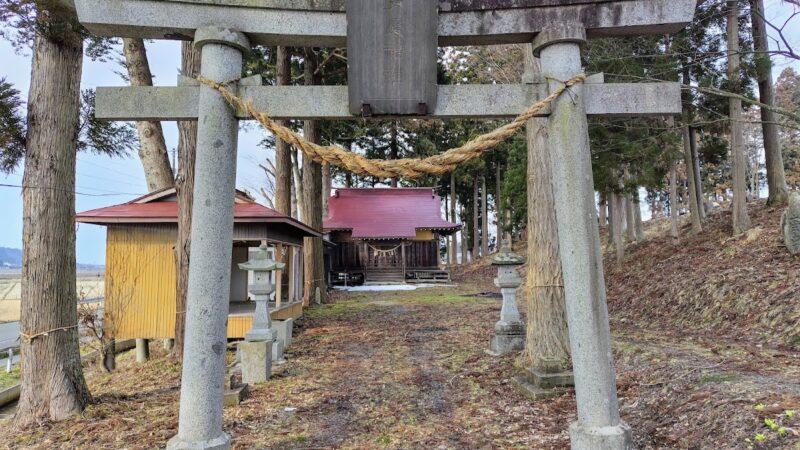
The shrine building is thought to follow the traditional architectural style of the region, exuding a simple yet solemn atmosphere. Sacred trees and stone monuments are placed within the grounds, revealing elements that tell the story of its long history.
Seasonal Scenery
Spring: As the snow melts, new greenery sprouts, and the shrine grounds are enveloped in an atmosphere full of vitality.
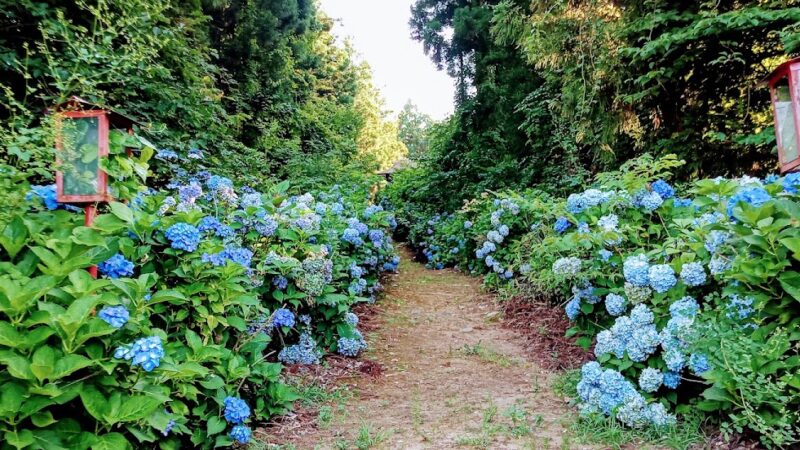
Summer: The shrine grounds, covered in deep green, offer a cool and peaceful atmosphere.
Autumn: The autumn leaves color the grounds, allowing you to enjoy the beautiful autumn scenery unique to Iwate Prefecture.
Winter: The sacred atmosphere is further enhanced in the silence of the snow-covered grounds.
About Goshuin (Shrine Seals)
Issuance of Goshuin
It is recommended to check in advance regarding the issuance of Goshuin at Inanaizawa Shrine. In the case of small shrines, there may not be a resident priest, so those wishing to receive a Goshuin should inquire with the Hachimantai City Shrine Association or nearby shrines beforehand.
In Iwate Prefecture, many priests serve multiple shrines, and it may be possible to receive a Goshuin by visiting on specific days and times.
Preparing Your Goshuincho (Shrine Seal Book)
Please bring your Goshuincho when receiving a Goshuin. For those collecting Goshuin (temple/shrine stamps) for the first time, a visit to Inanaizawa Shrine is a great opportunity to begin a tour of shrines in Iwate Prefecture and the Tohoku region.
Access and Transportation Information
Access by Car
The most convenient way to access Inanaizawa Shrine is by car.
From the Tohoku Expressway:
- Approximately 15 minutes from Matsuo Hachimantai IC
- Via National Route 282 to the Noda area
From Morioka City:
- Approximately 60 minutes via National Route 4 and National Route 282
Parking: There may be parking spaces on the shrine grounds or nearby, but details should be confirmed on-site.
Access by Public Transportation
If using public transportation, the following routes are possible.
JR Hanawa Line:
- Nearest Stations: Arayashinmachi Station or Obuke Station
- Approximately 15-20 minutes by taxi or bus from the station
Iwate Prefectural Bus:
- There are bus routes operating within Hachimantai City, but the number of services is limited, so please check the timetable in advance.
Points to Note When Visiting
- During winter (November to April), there is a possibility of snow and icy roads, so winter tires or chains are necessary.
- Due to the mountainous area, there are places where cell phone signals are weak.
- Please be considerate of local residents when visiting the shrine.
Nearby Tourist Spots
Nature of Hachimantai
Hachimantai City, where Inanaizawa Shrine is located, is a region blessed with abundant nature.
Hachimantai Aspite Line: A scenic road where you can enjoy magnificent mountain scenery. The snow corridor in spring is particularly famous.
Matsukawa Onsen: A historic hot spring resort, perfect for relaxing after a visit to the shrine.
Hachimantai Onsenkyo: Multiple hot spring areas are scattered throughout the area, each offering a different type of spring water.
Nearby Shrines and Temples
There are many other shrines and temples within Hachimantai City. Visiting them along with Inanaizawa Shrine will give you a deeper understanding of the region’s religious culture.
Main Shrines in Hachimantai City:
- Kashiwadai Hachimangu Shrine
- Tayama Shrine
- Arasawa Shrine
These shrines are also deeply connected to the region’s history and each has its own unique characteristics.
Manners and Etiquette for Visiting Shrines
Basic Manners for Visiting Shrines
When visiting Inanaizawa Shrine, please observe the following basic manners.
How to Pass Through the Torii Gate:
- Bow before entering the shrine grounds.
- Walk along the side of the path, as the center is considered the path of the gods. Procedure for Washing Hands:
- Take the ladle with your right hand and wash your left hand.
- Switch the ladle to your left hand and wash your right hand.
- Switch the ladle back to your right hand, receive water in your left hand, and rinse your mouth.
- Finally, stand the ladle upright and wash the handle.
Worship at the Main Hall:
- Gently place your offering in the offering box.
- If there is a bell, ring it.
- Bow using the two bows, two claps, and one bow method.
Attire for Worship
There are no particularly strict dress code regulations, but it is desirable to wear clothing that is appropriate for a sacred place. Especially in winter, be sure to take adequate precautions against the cold.
Annual Events and Festivals
Annual Festival
It is believed that various festivals are held throughout the year at Inanaizawa Shrine. The following events are common at small local shrines:
New Year’s Day Festival: A festival to pray for peace and prosperity in the new year.
Spring Festival: A festival to pray for a bountiful harvest.
Autumn Festival: A festival to express gratitude for the harvest.
For specific dates, we recommend checking local bulletin boards, the Hachimantai City Hall, or nearby shrines.
Local Traditional Events
In the Noda district, there is a possibility that local traditional events centered around the shrine are being passed down. These events play an important role in strengthening the bonds of the local community.
History and Culture of Hachimantai City
Overview of Hachimantai City
Hachimantai City is located in the northwestern part of Iwate Prefecture, bordering Akita Prefecture. It was formed in 2005 through the merger of the former Nishine Town, the former Anshiro Town, and the former Matsuo Village. It is a naturally rich area that includes part of the Towada-Hachimantai National Park.
Population: Approximately 23,000 (as of 2024)
Area: 862.25 square kilometers
Local Products: Apples, spinach, short-horned beef, lacquerware
Regional Beliefs and Culture
In the mountainous region of northern Iwate Prefecture, mountain worship and nature worship have been deeply rooted since ancient times. Inanaizawa Shrine has played a part in this belief culture, serving as a spiritual pillar of the region.
In an era when agriculture and forestry were the main industries, people expressed gratitude for nature’s blessings and prayed to the gods for protection from disasters. These beliefs have been passed down to the present day and are part of the region’s identity.
Visitor Voices and Experiences
A Space of Tranquility and Healing
Visitors to Inanaizawa Shrine say they find solace in its tranquil environment and pure air. Spending time at this shrine, surrounded by nature and away from the hustle and bustle of the city, is ideal for resetting the mind.
The Warmth of the Community
One of the charms of this small shrine is the warmth you can feel, unique to a small shrine, and the kindness of the local people. Through interaction with locals, you can learn about the history and culture of the region.
Points to Note When Visiting Inanaizawa Shrine
Recommended Time to Visit
Spring (April-June): The fresh greenery after the snowmelt is beautiful, and the mild weather makes it ideal for visiting.
Autumn (September-November): The autumn leaves are beautiful, and the atmosphere of the shrine is special as it is harvest season.
Winter (December-March): Visiting amidst a snowy landscape is mystical, but warm clothing and safety precautions are essential.
Time Required for Visit
Depending on the size of the shrine grounds, it’s a good idea to allow 30 minutes to an hour for a leisurely visit. If you plan to enjoy exploring the surrounding nature or taking photos, it’s recommended to allocate more time.
Useful Items to Bring
- Camera: You can record the beautiful scenery of each season.
- Goshuincho (stamp book): In case you receive a stamp.
- Drinks: Especially in summer, to prevent heatstroke.
- Insect repellent spray: There can be many insects such as mosquitoes in mountainous areas during the summer.
- Warm clothing: Essential in winter; it can get chilly in the mornings and evenings even in spring and autumn.
Nearby Accommodations
Accommodations in Hachimantai Onsenkyo
When visiting Inanaizawa Shrine, we recommend staying in Hachimantai Onsenkyo.
Matsukawa Onsen: Characterized by its milky white sulfur spring, you can enjoy the atmosphere of a secluded hot spring.
Fujishichi Onsen: The highest-altitude hot spring in Japan, located at an altitude of 1,400 meters.
Hachimantai Onsenkyo: There are various types of accommodations to choose from, depending on your budget and preferences.
Hotels in Morioka City
It’s possible to visit Inanaizawa Shrine on a day trip from Morioka City. Morioka City offers a variety of accommodations, making it a convenient base for sightseeing.
Model Courses Combining Hachimantai Sightseeing
1-Day Course
Morning:
- Departure from Morioka City
- Visit to Inanaizawa Shrine (1 hour)
- Drive along the Hachimantai Aspite Line
Afternoon:
- Stroll around the summit of Mt. Hachimantai
- Bath and lunch at Matsukawa Onsen
- Return to Morioka City
2-Day Course
Day 1:
- Departure from Morioka City
- Visit to Inanaizawa Shrine
- Visit to other shrines in Hachimantai City
- Overnight stay at Matsukawa Onsen
Day 2:
- Stroll around the summit of Mt. Hachimantai
- Visit to Goshogake Onsen and Tamagawa Onsen
- Sightseeing at Lake Tazawa (Akita Prefecture)
- Return home
Photography Tips
Etiquette for Photography on Shrine Grounds
Please observe the following etiquette when taking photographs at shrines.
- Please refrain from taking photos inside the main shrine or in restricted areas.
- Please be considerate of other worshippers.
- Please assess the surrounding situation before using a tripod.
- Please use flash photography sparingly.
Recommended Photo Spots
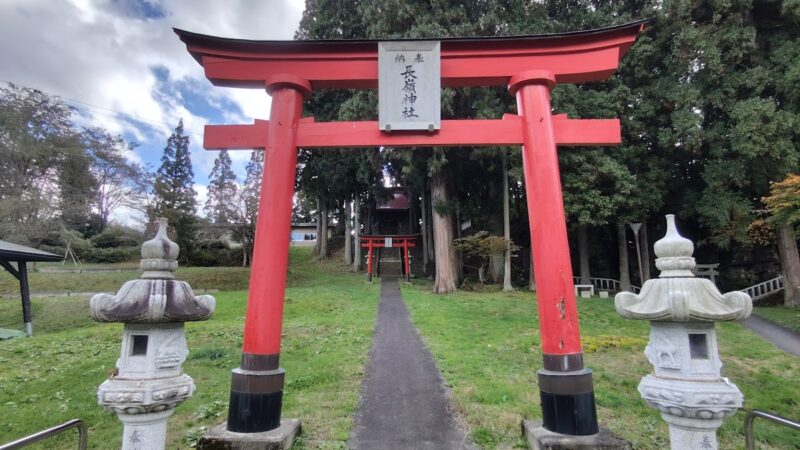
- Compositions that include both the torii gate and the shrine building.
- Sacred trees and the nature within the shrine grounds.
- Seasonal scenery (especially autumn leaves and snowscapes).
- Scenery with the surrounding Hachimantai mountains in the background.
The Future and Preservation Activities of Inanaizawa Shrine
Challenges for Local Shrines
Local shrines throughout Japan face challenges such as depopulation, a decline in parishioners due to the low birthrate and aging population, and a shortage of people to carry out maintenance and management. Inanaizawa Shrine is no exception, and the transmission of tradition is a crucial issue amidst changes in the local community.
Value as a Cultural Property
Even small local shrines are valuable cultural heritage that convey the unique history and culture of the land. The preservation and transmission of Inanaizawa Shrine will contribute to protecting the cultural identity of Hachimantai City. ### What Visitors Can Do
What we can do when visiting a shrine is to show respect and an understanding of the local culture. Furthermore, contributing to the shrine’s maintenance through offerings and stamp fees, if possible, is also an indirect form of support.
Summary
Inanaizawa Shrine is a historically significant shrine deeply rooted in the community, located in the Noda district of Hachimantai City, Iwate Prefecture. This shrine, the only one of its kind in Japan, is surrounded by the rich nature of Hachimantai, offering a peaceful environment for worship.
It is located at 59, Noda 16-chome, Hachimantai City, Iwate Prefecture, and is easily accessible by car. While prior confirmation regarding stamps is recommended, it is a place worth visiting as part of a shrine pilgrimage.
When visiting Hachimantai City, why not plan a visit to Inanaizawa Shrine in conjunction with hot springs and nature sightseeing? Spending time quietly immersed in the local history and culture will surely become a special memory.
Through your visit, you can experience the richness of Japan’s regional culture and the dedication of the people who preserve and pass it on. We hope that Inanaizawa Shrine will become a place of solace for you.