Kitaura Inari Shrine (Iwate Prefecture) Complete Guide | History, Blessings, Access, and Festival Information
About Kitaura Inari Shrine
Kitaura Inari Shrine is a shrine dedicated to Inari worship located in Iwate Prefecture. There are said to be approximately 30,000 Inari shrines throughout Japan, known for their blessings of abundant harvests and business prosperity. Kitaura Inari Shrine has long been cherished by the local community and has been revered as a guardian deity of agriculture and commerce.
The vermilion torii gate and fox statues, characteristic of Inari shrines, welcome visitors, creating a sacred atmosphere. As a shrine deeply rooted in the community, it serves as a spiritual anchor for local residents through seasonal festivals and daily worship.
Basic Knowledge of Inari Worship
Inari shrines enshrine Ukanomitama-no-kami as their main deity. This deity, revered as the god of grain, especially rice, has long been revered by people involved in agriculture.
As time passed, the shrine came to be believed to offer a wide range of blessings, including business prosperity, family safety, and industrial development, and it became widely worshipped not only by farmers but also by merchants and the general public.
History and Origins of Kitaura Inari Shrine
History of Founding
The founding date of Kitaura Inari Shrine is based on local traditions and records. Like many Inari shrines in other regions, it is believed to have begun when farmers invited the Inari deity to pray for a bountiful harvest.
Iwate Prefecture has long been a region where agriculture thrives, and the success of agriculture, including rice cultivation, was directly linked to people’s livelihoods. Therefore, the Inari faith, which prays for abundant harvests, naturally took root in the region.
Connection with the Community
Kitaura Inari Shrine has played a central role in the local community. During festivals, local residents gather, and interaction centered around the shrine has taken place.
Especially during times when agriculture was the main industry, festivals aligned with the agricultural calendar, such as prayers for a bountiful harvest in spring and thanksgiving for the harvest in autumn, were grandly held, serving as a place to strengthen community bonds.
Deities and Benefits
Main Deity
Following the tradition of Inari shrines, the main deity of Kitaura Inari Shrine is Ukanomitama-no-kami. This deity is a historically significant god appearing in the Kojiki and Nihon Shoki, and is revered as the god who presides over food.
Expected Benefits
Kitaura Inari Shrine is believed to offer the following benefits:
Abundant Harvest and Agricultural Prosperity
You can pray for agricultural success and abundant harvests, which are the original divine virtues of Inari.
Business Prosperity and Success
Many visitors come to pray for the development and prosperity of their commerce and businesses.
Family Safety
It is believed that this shrine protects the health and peaceful lives of families.
Good Fortune and Prosperity
It is also believed to bring good fortune and attract good relationships.
Industrial Development
It also functions as a place to pray for the development of the entire local industry.
Highlights of the Shrine Grounds
Main Hall and Worship Hall
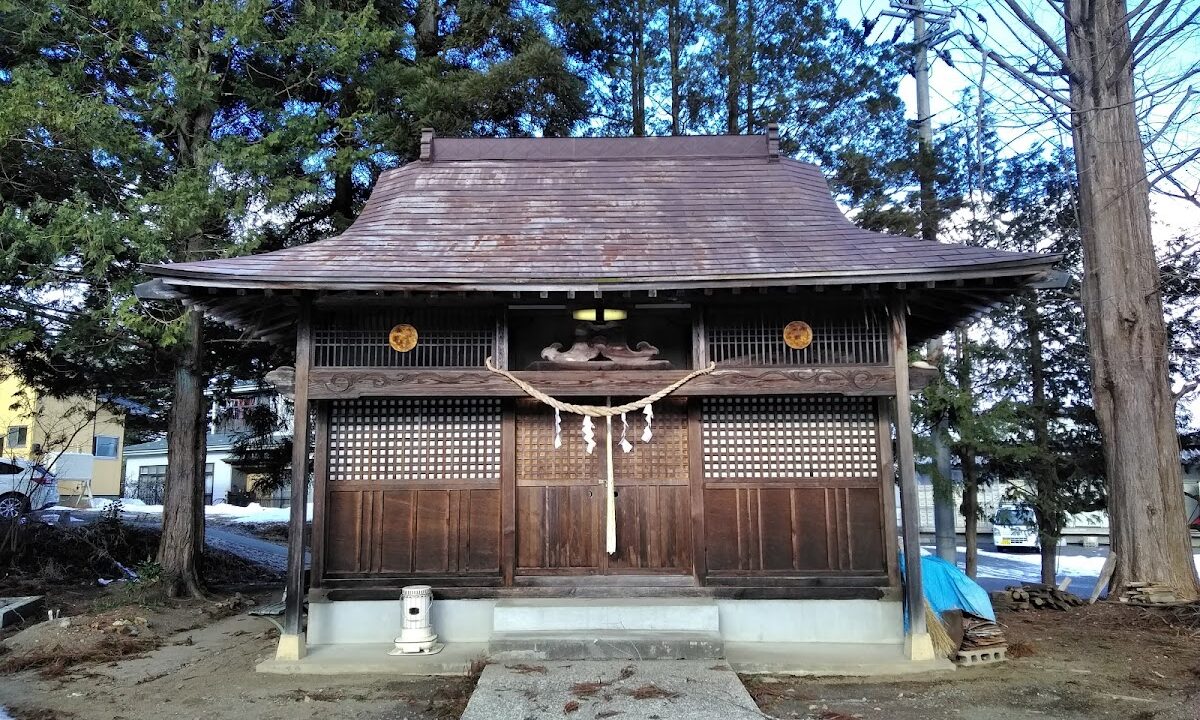
The main hall of Kitaura Inari Shrine maintains the style of traditional shrine architecture while being adapted to the local climate and environment. Daily worship and rituals are performed in the worship hall, where one can offer prayers in a tranquil atmosphere.
Torii Gate
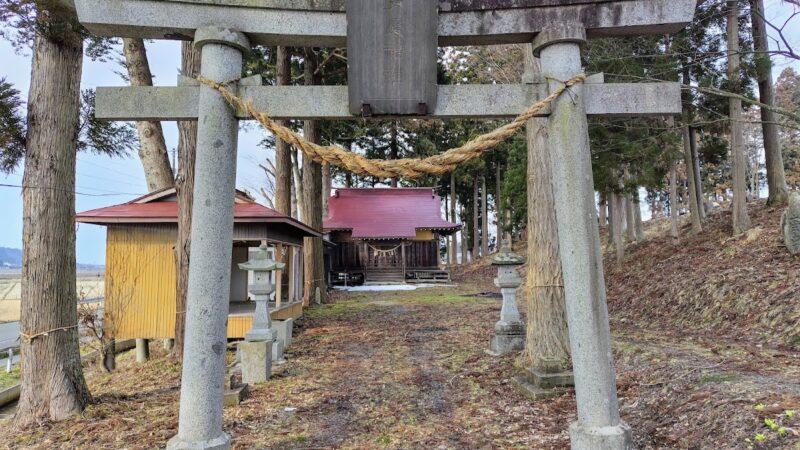
The vermilion torii gate, a symbol of Inari shrines, stands on the approach to the shrine, guiding worshippers into the sacred realm. Passing through the torii gate crosses the boundary from the secular world to the sacred realm, allowing one to purify their heart before worship.
Fox Statues
Fox statues are often found at Inari shrines, representing the fox, which is considered a messenger of the Inari god. At Kitaura Inari Shrine, fox statues protect the shrine and watch over worshippers.
How to Worship and Manners
Basic Worship Etiquette
There are traditional customs for worshipping at shrines. Please worship with sincerity following the steps below.
1. Bow Before Passing Through the Torii Gate
Before entering the sacred area, bow before the torii gate.
2. Purifying at the Water Basin
If there is a water basin, purify yourself in the following order:
- Hold the ladle in your right hand and purify your left hand.
- Switch the ladle to your left hand and purify your right hand.
- Switch the ladle back to your right hand, receive water in your left hand, and rinse your mouth.
- Finally, hold the ladle upright and purify the handle.
3. Worship at the Main Hall
- Place your offering in the offering box.
- Ring the bell if there is one.
- Perform the two bows, two claps, one bow (bowing deeply twice, clapping twice, bowing deeply once).
4. Departure
After finishing your worship, turn around and bow before leaving through the torii gate.
Mindset During Worship
Worship is not merely a formality; it is important to do so with sincerity. Approach the gods with gratitude and humility. It is also important to express gratitude not only for your wishes but also for everyday blessings.
Annual Events and Festivals
Hatsuumasai Festival
The Hatsuumasai Festival is one of the most important festivals at Inari Shrine. Held on the first day of the Horse in February, it is a time to pray for business prosperity and a bountiful harvest. This day is bustling with many worshippers and is an important event for the community.
Reitaisai (Grand Festival)
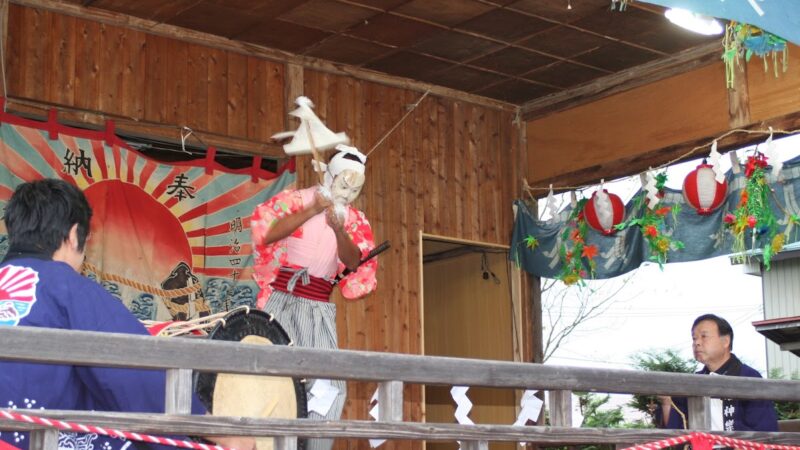
The annual Reitaisai (Grand Festival) is a time to express gratitude to the shrine’s deities and pray for the prosperity of the community. A solemn Shinto ritual is performed, making it an important festival where local residents gather.
Hatsumode (First Shrine Visit of the New Year)
Many worshippers visit the shrine for Hatsumode at the start of the new year. They pray for safety and prosperity throughout the year and report the beginning of the new year to the gods.
Other Annual Events
Various festivals and events are held throughout the seasons, supporting the religious lives of the local people.
Goshuin (Shrine Seals), Amulets, and Gifts
About Goshuin
Goshuin are given as proof of visiting the shrine. Kitaura Inari Shrine may also offer Goshuin (temple/shrine stamps). When requesting a Goshuin, please do so politely at the shrine office after completing your prayers.
It is considered good manners to bring your Goshuincho (stamp book) and open it to the page you would like the stamp on. Please have the offering fee (typically 300-500 yen) ready.
Amulets and Offerings
The shrine offers a variety of amulets and offerings:
- Business Prosperity Amulet: For those wishing for business success
- Family Safety Amulet: For those praying for the peace and well-being of their family
- Traffic Safety Amulet: For those wishing for safe travel
- Academic Success Amulet: For those wishing for academic improvement
- Good Fortune Amulet: For those wishing for improved luck
It is considered good practice to replace amulets with new ones approximately every year. Return old amulets to the shrine and have them burned in a ceremonial burning.
Access Information
Location
Kitaura Inari Shrine is located in Iwate Prefecture. For the specific address, we recommend checking the latest information before your visit.
Access by Public Transportation
You can access the shrine using public transportation within Iwate Prefecture. It’s a good idea to check the walking time from the nearest station or bus stop in advance.
Access by Car
Access by car is also possible. Enter the shrine name or address into your car’s navigation system.
Parking
We recommend checking the availability of parking spaces for visitors before your visit. Especially during festivals, congestion is expected, so please try to arrive early.
Precautions During Your Visit
Attire
While no special attire is required for visiting the shrine, please dress respectfully and modestly to show devotion to the gods. It is advisable to avoid overly revealing clothing and sandals.
Photography Etiquette
Photography is generally permitted within the shrine grounds, but there are areas and times when photography is restricted, such as inside the main hall or during religious ceremonies. If unsure, please check with the shrine staff.
Also, please be considerate of the privacy of other visitors and refrain from photographing people without their permission.
Pets
Pet policies vary by shrine. Generally, pets are restricted in sacred areas, so please check in advance or have your pet wait in the car.
Nearby Tourist Attractions
Attractions of Iwate Prefecture
Iwate Prefecture is blessed with rich nature and a rich history and culture. When visiting Kitaura Inari Shrine, why not also visit nearby tourist attractions?
Natural Scenery
Iwate Prefecture boasts beautiful mountains, valleys, and coastlines, offering stunning scenery throughout the seasons.
Historical and Cultural Facilities
Iwate Prefecture has numerous historical buildings and cultural facilities, including the Hiraizumi World Heritage Site.
Hot Spring Resorts
Hot spring resorts are scattered throughout the prefecture, allowing you to relax and soothe your fatigue after visiting the shrine.
Gourmet Food
You can also enjoy delicious Iwate specialties such as Morioka Reimen (cold noodles), Wanko Soba (small bowls of soba noodles), and Maesawa beef.
Inari Shrine Faith and the Modern Age
A Faith That Transcends Time
Inari faith has been passed down through generations from ancient times to the present day. Even as society has changed from an agricultural society to an industrial society and then an information society, its role as a spiritual anchor for people remains unchanged.
Significance in the Modern Age
Even in modern society, shrines play an important role as the center of local communities and as places of peace of mind. Kitaura Inari Shrine continues to attract the faith of local people.
In addition to the traditional blessings of business prosperity and abundant harvests, many visitors today come to pray for peace of mind and family happiness.
Summary of Etiquette and Manners for Shrine Visits
Basic Mindset
Visiting a shrine is an act of expressing gratitude and respect to the gods. Please visit with the following mindset:
- Grateful Heart: Be grateful for the blessings of daily life.
- Humble Attitude: Be humble before the gods.
- Pure Heart: Visit with a pure heart.
- Consideration for Others: Remember to be considerate of other visitors.
How to Spend Time After Visiting
After visiting the shrine, it’s a good idea to spend some time in the quiet atmosphere. Strolling around the grounds or listening to the sounds of nature can calm your mind and give you renewed energy.
Coexistence with the Community
Participation in Local Events
Kitaura Inari Shrine is part of the local community and participates in various local events. Not only local residents, but also visitors can experience local culture through the shrine.
Maintenance and Succession of the Shrine
The maintenance of the shrine requires the cooperation of local people. The shrine is protected by the support of many people through activities such as cleaning and preparing for festivals.
Visitors can also contribute to the maintenance of the shrine through offerings and donations. This is not merely a payment, but an important act for passing on the shrine to future generations.
The Charm of Kitaura Inari Shrine
A Serene Atmosphere
One of the greatest charms of Kitaura Inari Shrine is its serene atmosphere. A space where one can escape the hustle and bustle of everyday life and offer prayers in peace is a precious thing in modern society.
A Faith Rooted in the Community
Unlike large-scale tourist shrines, it is a place of worship deeply rooted in the community, preserving the original form of a shrine. This form of faith, closely intertwined with the lives of local people, represents an important aspect of traditional Japanese culture.
Seasonal Expressions
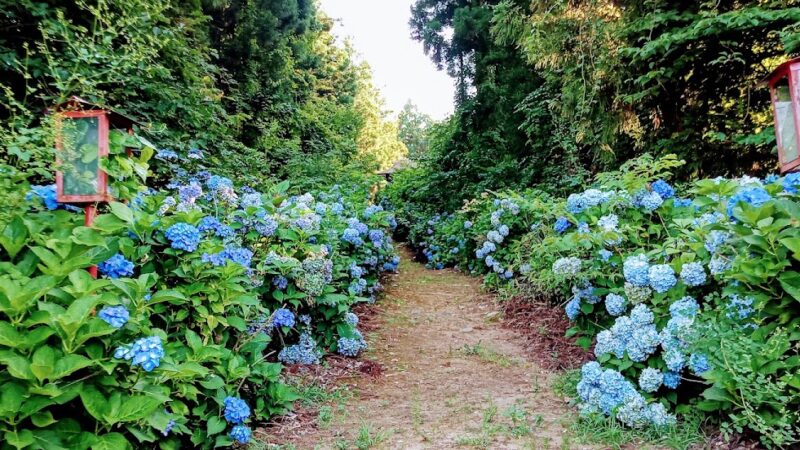
The shrine grounds show different expressions with each season, offering new discoveries with every visit. You can enjoy beautiful scenery throughout the four seasons: the fresh green of spring, the deep green of summer, the autumn leaves, and the tranquility of winter.
Summary
Kitaura Inari Shrine is a historic Inari shrine located in Iwate Prefecture. It is believed to offer various blessings, including abundant harvests, business prosperity, and family safety, and is cherished by the local community.
When visiting, please observe basic etiquette and manners, and approach the deities with gratitude and respect. The shrine’s seals (Goshuin) and amulets can also be cherished as mementos of your visit.
Various festivals are held throughout the year, with the Hatsuumasai (First Horse Day Festival) and the Reitaisai (Annual Grand Festival) being particularly important local events. Participating in these festivals allows you to experience the local culture and traditions.
When visiting Iwate Prefecture, we highly recommend visiting Kitaura Inari Shrine and spending some time in quiet prayer. The sacred atmosphere of the shrine and the warm, community-based faith will surely provide a soul-cleansing experience.
Visiting a shrine is not merely sightseeing; it is a valuable opportunity to connect with traditional Japanese culture and spirituality. We hope that your visit to Kitaura Inari Shrine will be a meaningful experience for everyone.