Shiwa Inari Shrine: A Thousand-Year-Old Shrine in Shiwa Town, Iwate Prefecture | Complete Guide to History, Goshuin (Shrine Seals), and Access
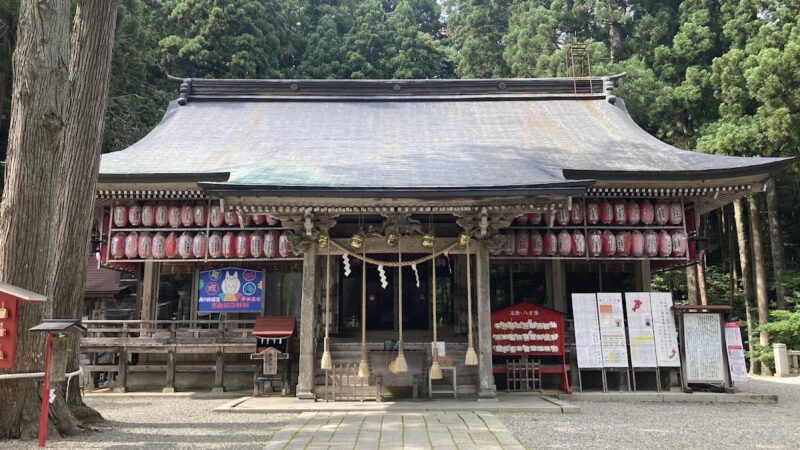
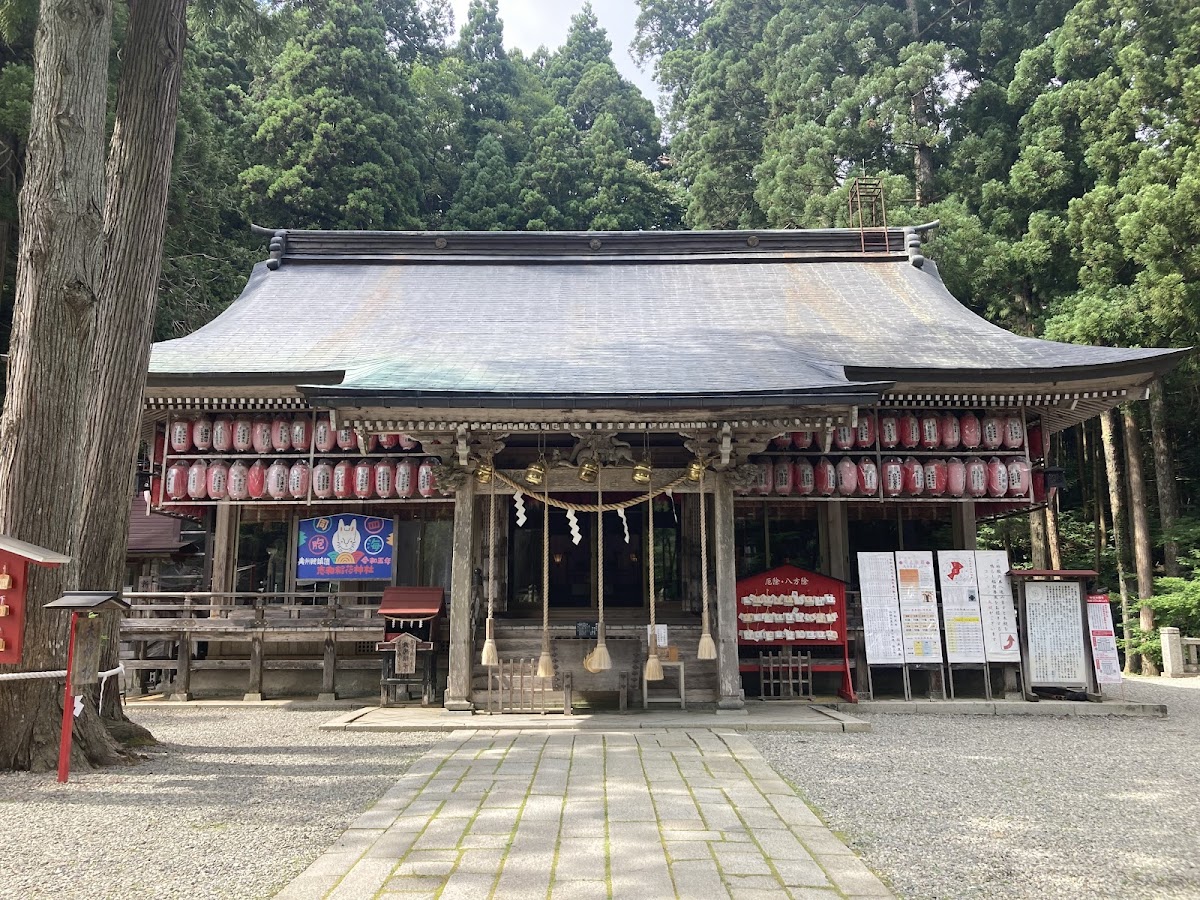
Shiwa Inari Shrine, located in Shiwa Town, Shiwa District, Iwate Prefecture, is known as one of Tohoku’s oldest shrines, boasting a history of approximately 1,000 years. Affectionately known locally as “Shiwa no Oinari-san,” it attracts many worshippers from both within and outside Iwate Prefecture throughout the year, seeking blessings for traffic safety, academic success, and protection from evil.
This article comprehensively introduces information you should know before visiting Shiwa Inari Shrine, including its history, enshrined deities, highlights of the grounds, blessings, goshuin information, and access methods.
History and Founding of Shiwa Inari Shrine
Origin of Founding by Minamoto no Yoriyoshi
Shiwa Inari Shrine is said to have been founded in Tenki 5 (1057). In the late Heian period, Minamoto no Yoriyoshi, the Chinju-fu Shogun (Commander-in-Chief of the Northern Defense Headquarters), and his son, Minamoto no Yoshiie, are said to have invited a divided spirit from Fushimi Inari Taisha in Kyoto to pray for victory during the Former Nine Years’ War (1051-1062).
The Former Nine Years’ War was a conflict between Minamoto no Yoriyoshi, representing the imperial court, and the Abe clan, a powerful family in the Tohoku region. Facing difficulties, Minamoto no Yoriyoshi prayed for the protection of Inari Okami (the great deity of Inari) and founded this shrine. After his victory, Shiwa Inari Shrine developed into an important center of Inari worship in the Tohoku region.
A History as One of Tohoku’s Foremost Ancient Shrines
Since its founding, Shiwa Inari Shrine has attracted the faith of the local community for approximately 1000 years. During the Edo period, it received the patronage of the Morioka Domain and was widely revered as a god of abundant harvests and business prosperity. After the Meiji Restoration’s separation of Shinto and Buddhism, it was ranked as a prefectural shrine, and after World War II, it became a special shrine of the Association of Shinto Shrines. In the local area, it is sometimes counted as one of the “Three Great Inari Shrines of Japan” or “Five Great Inari Shrines of Japan,” and it has been a central figure in Inari worship in the Tohoku region, attracting fervent devotion to this day.
Deities and Divine Virtues
Three Deities
Shiwa Inari Shrine enshrines the following three deities:
Ukanomitama-no-Okami Known as the principal deity of Inari shrines, this is the god of grain and food. It is believed to bring blessings of abundant harvests, business prosperity, and industrial development.
Sarutahiko-no-Okami Known as the god of opening paths and guidance, this deity guides people towards traffic safety and the right choices at life’s crossroads.
Omiyanome-no-Okami A goddess who serves Amaterasu-Omikami, and is considered a deity who brings harmony and prosperity.
It is believed that these three deities work together to grant the various wishes of worshippers.
Particularly Effective Blessings
Shiwa Inari Shrine is particularly known for the following blessings:
Traffic Safety Due to the divine virtues of Sarutahiko-no-Okami, many worshippers visit to have their cars blessed and pray for traffic safety. People from both within and outside Iwate Prefecture bring their cars to receive blessings throughout the year.
Exorcism and Protection from Misfortune It is considered particularly effective for warding off misfortune for those in their unlucky years, and many people in their unlucky years visit the shrine.
Prayers for Success in Exams During exam season, many students and their parents visit the shrine to pray for success in exams.
Abundant Harvests and Bountiful Catch As a blessing inherent to Inari, the shrine is deeply revered by those involved in agriculture and fishing, and many worshippers pray for bountiful harvests and abundant catches.
Highlights of the Shrine Grounds
The Sacred Tree Over 1000 Years Old
The most noteworthy feature of the grounds of Shiwa Inari Shrine is the sacred cedar tree, said to be over 1000 years old. This giant tree, with a circumference of approximately 14 meters and a height of approximately 45 meters, is said to have watched over the shrine grounds since its founding.
This sacred tree is not merely an ancient tree, but a sacred presence inhabited by a divine spirit, and an object of worship. Many visitors clasp their hands together before this sacred tree, praying for longevity, good health, and family safety. Its appearance, having survived for over a thousand years, is truly divine, deeply moving those who visit.
The Legend of the Ear-Cut Inari Shrine
At the entrance to the approach to Shiwa Inari Shrine sits a small Inari shrine called “Ear-Cut Inari.” This Inari statue has the distinctive feature of having one ear missing, and an intriguing legend surrounds it.
According to legend, during a dispute over water rights (a water quarrel) that occurred at this site long ago, the ear of the Inari statue was chipped off. Since this incident, the statue has been cherished by the local people as a symbol of caution against conflict and of promoting reconciliation and harmony.
Relationship with Shiwafuru Inari Shrine
Adjacent to Shiwa Inari Shrine is Shiwafuru Inari Shrine. These two shrines are closely related, and visiting both is recommended.
Shiwafuru Inari Shrine gained attention in 1948 when a mummified fox (the remains of a white fox) was discovered at the base of a sacred tree that had fallen during Typhoon Ione. This discovery, which confirmed the existence of foxes as divine messengers in Inari worship, attracted considerable attention at the time. Even today, Shiwafuru Inari Shrine is revered as a god of good fortune and prosperity, and it is believed that visiting both shrines brings greater blessings.
Atmosphere and Seasonal Scenery of the Shrine Grounds
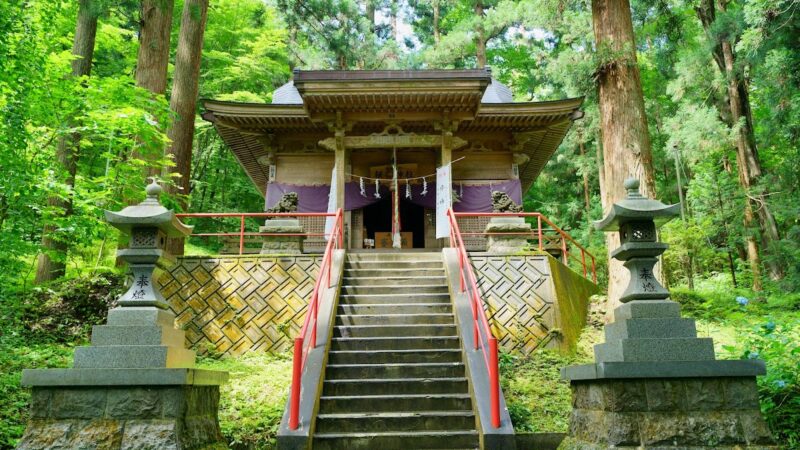
The grounds of Shiwa Inari Shrine are located in a naturally rich area on the left bank of the Takinagawa River, at the western foot of the mountains in the Masuzawa village of Shiwa Town. Various plants, including the sacred cedar tree, grow within the grounds, allowing visitors to enjoy beautiful scenery throughout the seasons.
In spring, the grounds are adorned with fresh greenery; in summer, they are enveloped in deep green; in autumn, the leaves turn vibrant red; and in winter, a solemn atmosphere permeates the area, covered in snow. The sight of the sacred tree covered in snow is particularly mystical, attracting many photography enthusiasts who come to enjoy this unique winter landscape.
Visiting Information and Access
Basic Information
Location
17-1 Maehira, Masuzawa, Shiwa-cho, Shiwa-gun, Iwate Prefecture 028-3442
Visiting Hours
6:00 AM – 5:00 PM (Open year-round)
Prayer Reception Hours
8:00 AM – 5:00 PM
*Hours may change during the New Year’s holiday period; please check in advance.
Admission Fee
Free (An additional offering is required for prayers)
Access Method
Access by Car
- Approximately 10 minutes from the Shiwa IC on the Tohoku Expressway
- Approximately 30 minutes from the center of Morioka City
- Ample parking available (free)
Many visitors come to pray for traffic safety, so access by car is convenient. A large parking lot is available on the temple grounds, ensuring peace of mind when visiting or receiving prayers.
Access by Public Transportation
- Approximately 15 minutes by car from JR Tohoku Main Line “Shiwa-Chuo Station”; taking a taxi is convenient.
- Approximately 15 minutes by car from JR “Hizume Station”.
If using public transportation, the nearest station is quite a distance away, so we recommend taking a taxi.
Estimated Busy Times
Shiwa Inari Shrine is visited by worshippers throughout the year, but there are certain times and periods that are particularly crowded.
Packed Times
- New Year’s Day (January 1st-3rd): Especially crowded on the morning of New Year’s Day.
- Year of Misfortune (January-February): Many worshippers visit for exorcism.
- Exam Season (December-March): Increased number of worshippers praying for success in exams.
- Days of Festivals such as the Grand Festival
Relatively Less Crowded Times
- Weekday mornings (around 9:00-11:00 AM)
- Weekdays in summer and autumn
If you want to visit at a leisurely pace, weekday mornings or times outside of New Year’s Day and exam season are recommended.
Goshuin (Shrine Seals) and Amulets
Goshuin Information
At Shiwa Inari Shrine, you can receive a goshuin as proof of your visit. It is available at the shrine office, and the carefully handwritten goshuin are popular as a memento of your visit.
You can also receive a Goshuin (temple/shrine stamp) at the adjacent Shiwa Inari Shrine, and especially in the Year of the Snake, a limited edition lucky Goshuin is sometimes distributed. Many people collect Goshuin from both shrines, making it a popular destination for Goshuin pilgrimages.
Goshuin Reception Hours
8:00 AM – 5:00 PM (Shrine Office Hours)
Amulets and Souvenirs
Shiwa Inari Shrine offers a variety of amulets and souvenirs.
- Traffic Safety Amulets: Various types available, including for cars and motorcycles
- Success Prayer Amulets: Popular with students taking exams
- Exam Protection Amulets: For those in their unlucky year
- Family Safety Amulets
- Business Prosperity Amulets
- Divine Talismans (Ofuda)
Each amulet embodies the divine virtues of Shiwa Inari Shrine, which boasts a thousand-year history.
Annual Events and Festivals
Shiwa Inari Shrine holds various festivals and events throughout the year.
Main Annual Events
- Hatsumode (January 1st-3rd): The shrine is bustling with many worshippers praying for happiness in the new year.
- Hatsuumasai (First Horse Day of February): An important festival of the Inari Shrine, where prayers are offered for a bountiful harvest.
- Spring Grand Festival: A festival celebrating the arrival of spring.
- Autumn Grand Festival: A festival giving thanks for the harvest.
- Shichi-Go-San Pilgrimage (November): A pilgrimage celebrating the growth of children.
- Year-End Grand Purification Ceremony (December 31st): A Shinto ritual to purify and cleanse away the impurities of the past year.
On the days of these festivals, special Shinto rituals are performed, allowing visitors to experience a solemn atmosphere different from the usual.
Nearby Tourist Attractions
When visiting Shiwa Inari Shrine, you can also visit nearby tourist attractions.
Tourist Spots in Shiwa Town
- Ogawa Project: A multi-purpose facility created through public-private partnership
- Shiwa Fruit Park: A facility where you can enjoy fruit picking
- Shiroyama Park: A park known for its cherry blossoms
Tourism in Morioka City
Located approximately 30 minutes by car from the center of Morioka City, it can be combined with sightseeing in Morioka. You can also visit tourist spots such as Morioka Castle Ruins Park, Iwate Bank Red Brick Building, and Morioka Hachimangu Shrine.
Manners and Etiquette for Visiting Shrines
Basic Etiquette for Visiting Shrines
There are basic manners to observe when visiting a shrine. Please observe the following manners when visiting Shiwa Inari Shrine.
- Bow before passing through the torii gate: This is a courtesy before entering the sacred area.
- Purify yourself at the water basin: Purify your left hand, then your right hand, then your mouth.
- Walk along the edge of the path: The center is considered the path of the gods.
- Etiquette at the main hall: Two bows, two claps, and one bow are the basic rituals.
- Behavior within the shrine grounds: Be quiet and respectful.
Receiving Prayers
To receive prayers such as traffic safety prayers, exorcism, or success in exams, please apply at the shrine office. The offering fee (prayer fee) varies depending on the prayer, so it is best to check in advance.
To receive a car blessing, park your car in the designated area within the shrine grounds and receive a blessing from a Shinto priest. The time required varies depending on the service, but it is best to allow about 30 minutes.
A Summary of the Charms of Shiwa Inari Shrine
Shiwa Inari Shrine, located in Shiwa Town, Iwate Prefecture, is one of Tohoku’s most prominent ancient shrines, boasting a history of approximately 1,000 years. Its historical background, including its founding by Minamoto no Yoriyoshi, its sacred trees over 1,000 years old, its diverse blessings (traffic safety, academic success, protection from evil, etc.), and the serene atmosphere of its naturally rich grounds attract many visitors.
Locally known as “Shiwa no Oinari-san,” it draws many worshippers from both within and outside Iwate Prefecture throughout the year. Visiting both Shiwa Koinari Shrine and the adjacent Shiwa Koinari Shrine will provide a deeper religious experience.
Its proximity to Morioka City and easy access make it a must-visit shrine when you’re in Iwate Prefecture. Why not quietly pray and feel the divine blessings in its grounds steeped in a thousand years of history?
Whether it’s for your first shrine visit of the year, warding off evil, praying for success in exams, or praying for traffic safety, visiting Shiwa Inari Shrine at any milestone in your life or when you have a wish will surely give you inner support and courage. We pray that all your wishes will come true at this historic shrine that Iwate Prefecture is proud of.