Genryu Shrine (Tono City, Iwate Prefecture) Complete Guide: A Sacred Site of Fudo-iwa Rock and Dragon God Worship
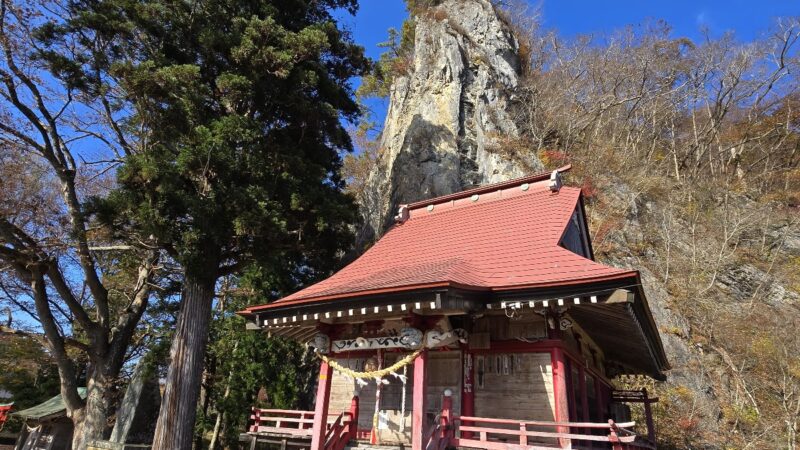
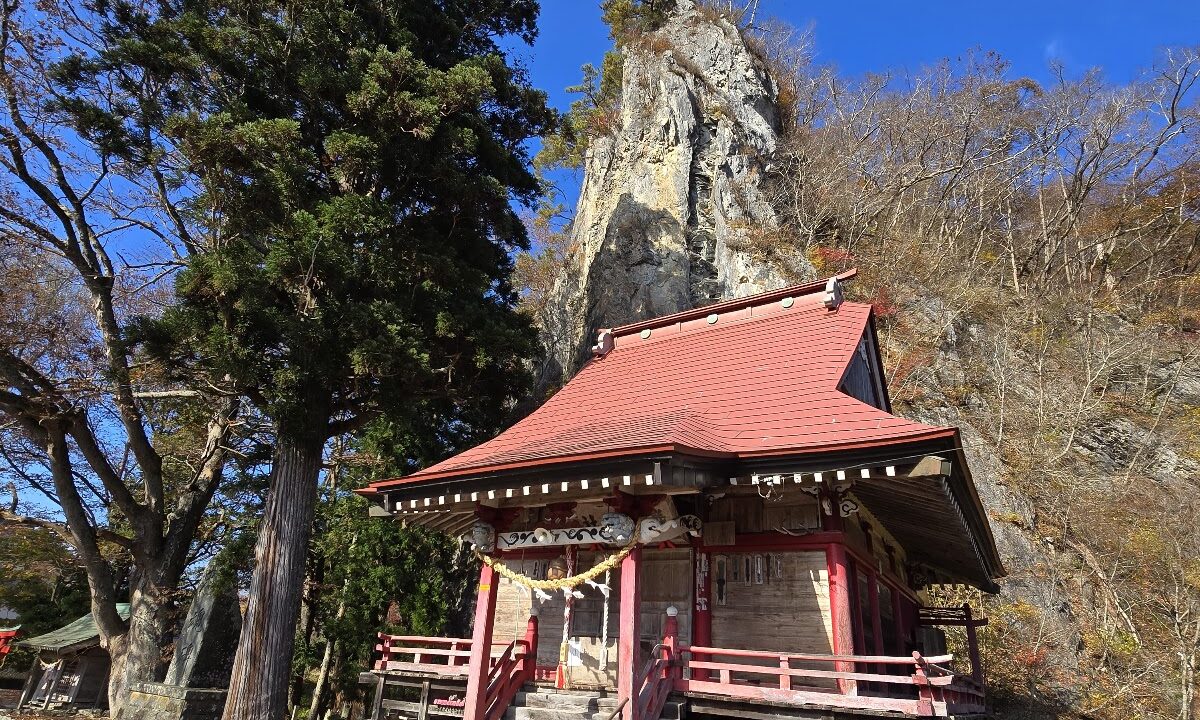
Genryu Shrine, located in Otomo-cho, Tono City, Iwate Prefecture, is a unique shrine that enshrines the gigantic, strangely shaped rock “Fudo-iwa Rock” towering behind it as its sacred object. Designated as Tono Heritage Site No. 31, this shrine has attracted the faith of local people since ancient times and is known today as a power spot that draws many visitors.
This article will introduce the charm of this mystical shrine in its entirety, from its history and highlights to access information and goshuin (shrine stamp) information.
Basic Information about Genryu Shrine
Location and Access
Location: 4, 33-chome, Otomo-cho, Tono City, Iwate Prefecture
Access by Train/Bus:
- Approximately 20 minutes on foot from JR Kamaishi Line “Masuzawa Station”
- Approximately 35 minutes by bus from JR Kamaishi Line “Tono Station,” then approximately 5 minutes on foot from Otomo bus stop
Access by Car:
- Approximately 50 minutes from Tohoku Expressway “Hanamaki IC” via National Route 283
- Approximately 20 minutes from Kamaishi Expressway “Tono IC”
Parking: Free parking available in front of the shrine (several spaces)
Main Deities and Sacred Objects
The following deities are enshrined at Genryu Shrine:
- Yamato Takeru no Mikoto: A heroic deity from Japanese mythology
- Sukunabikona no Kami: God of medicine, hot springs, and sake brewing
- Itsukushima-hime: Goddess of water, identified with Benzaiten
- Ukanomitama-no-mikoto: God of grain and food
Sacred Object: Fudo-iwa – A gigantic, strangely shaped rock approximately 54m high
Shrine Rank and Designation
- Tono Heritage Site No. 31: Designated by Tono City as a valuable cultural property of the region
- One of Japan’s 100 Scenic Views: Its scenic beauty is highly regarded
History of Genryu Shrine: From Shinto-Buddhist Syncretism to Shrine
Founding and the Daishoji Era
The founding date of Genryu Shrine is unknown, but its origins are ancient, and a monk named Mumon of Joraku-ji Temple was deeply involved. According to tradition, Mumon invited Fudo Myoo as the guardian of the temple and founded it as Daishoji Temple, which is considered the beginning.
During this period, shrines functioned as Buddhist temples and were centers of Fudo Myoo (Acala) worship. The massive rock towering behind it was called “Fudo-iwa” (Fudo Rock) and was revered as a sacred rock where Fudo Myoo resided.
Development during the Edo Period
During the Genroku era (1688-1704), the worship hall was built, followed by the main hall in Bunka 6 (1809). Fudo Myoo was formally enshrined in this main hall, and the shrine flourished as a center of local faith.
During this period, a unique form of worship developed in the Tono region, blending mountain worship and Buddhism, and Genryu Shrine (then Daishoji Temple) played a part in this.
Separation of Shinto and Buddhism and Transformation into Shrines in the Meiji Era
With the arrival of the Meiji era, the government issued the Shinto-Buddhism Separation Order. This policy separated shrines and temples throughout the country, forcing many syncretic Shinto-Buddhist temples and shrines to undergo significant transformations.
Daishoji Temple was no exception; in the early Meiji period, it was converted into a shrine and started anew as Genryu Shrine. Because Fudo Myoo is a Buddhist deity, Shinto gods were re-enshrined as the main deities, resulting in its current form.
However, the name of the sacred object, “Fudo-iwa” (Fudo Rock), remains of Buddhist origin, conveying the history of faith in this area.
Fudo-iwa: A mysterious giant rock in the shape of a dragon
Characteristics of the Giant Rock
The greatest highlight of Genryu Shrine is Fudo-iwa, which towers behind the shrine building. This massive rock has the following characteristics:
- Height: Approximately 54m (some sources say 50m)
- Shape: A unique shape resembling a dragon in a swirling motion
- Other Names: Ryuiwa (Dragon Rock), Fudo-iwa (Immovable Rock)
- Geology: A strangely shaped rock composed of Paleozoic sedimentary rock
The Mystery of the Dragon’s Face
Many visitors point out that this massive rock resembles a dragon’s face. Viewed from a certain angle, the rock’s contours resemble the eyes, nose, and mouth of a dragon, giving the impression that a living dragon is clinging to the mountainside.
This visual characteristic is the origin of the shrine’s name, “Genryu” (厳竜), and speaks to the fact that people have felt the presence of a dragon god in this rock since ancient times.
Evaluation as a Power Spot
Fudo-iwa is known as a powerful power spot due to its overwhelming presence. The massive rock formation is believed to be a place where the earth’s energy is concentrated, and is said to offer the following benefits:
- Protection from Evil Spirits: Repelling evil spirits through the protection of Fudo Myoo
- Good Fortune and Prosperity: Increased luck through the power of the Dragon God
- Business Prosperity: The divine virtue of Uganotama-no-Mikoto
- Healing from Illness: The medicinal power of Sukunahikona-no-Kami
Scenic Beauty as One of Japan’s 100 Scenic Views
Fudo-iwa and its surrounding landscape are considered “one of Japan’s 100 Scenic Views.” The scenery, woven from the giant rock, the shrine, and the clear stream flowing in front, shows different expressions in each of the four seasons.
Especially during the seasons of fresh greenery and autumn leaves, the natural colors and the majesty of the giant rock harmonize, captivating visitors.
Highlights of the Shrine Grounds
Vermilion-Painted Railing Bridge
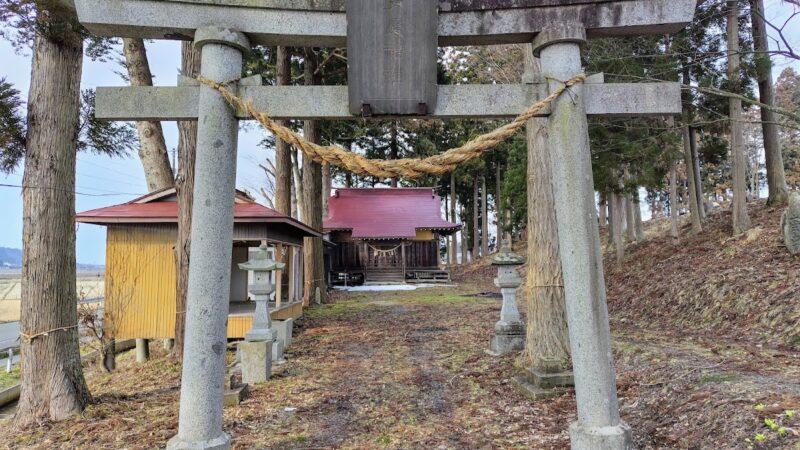
A clear stream flows at the entrance to the shrine, and visitors enter the grounds by crossing a vermilion-painted railing bridge spanning it. This beautiful vermilion bridge serves as a boundary separating the secular world from the sacred realm, and it is believed that crossing it purifies the mind and body.
The soothing sound of the clear water flowing beneath the bridge calms the hearts of worshippers and further enhances the sacred atmosphere.
Worship Hall and Main Shrine
The worship hall is a historical building constructed during the Genroku era. Its simple yet dignified construction exudes a sense of history, having withstood the elements for many years.
The main shrine was built in 1809 (Bunka 6) and stands with Fudo-iwa (a large rock formation) behind it. A massive rock looms directly behind the main shrine, creating a setting where worshippers seem to be paying homage to the rock itself.
Atmosphere of the Shrine Grounds
The shrine grounds are enveloped in a tranquil and mystical atmosphere. The imposing presence of the massive Fudo-iwa rock, the rustling of the trees, and the babbling of the river combine to provide visitors with deep spiritual peace.
Due to the unique character of Tono, a region steeped in folklore and legends, many visitors feel as if they have wandered into another world.
Annual Events: Otomo Festival and Genryu Shrine Annual Festival
Festival Overview
Every August, the “Otomo Festival and Genryu Shrine Annual Festival” is held by local volunteers. This festival is an important event that preserves local traditions and expresses gratitude to the shrine.
Festival Highlights
Procession of Colorful Costumes:
The highlight of the festival is the procession of people dressed in traditional costumes. Costumes reflecting the region’s history, portable shrines, and drums parade through the streets, enveloping the usually quiet area around the shrine in a lively festival atmosphere.
Dedication Ceremonies:
Shinto music and dance performances are offered, providing a valuable opportunity to experience the traditional culture of the Tono region.
Community Building:
This festival is more than just a religious event; it also functions as a place for local residents to gather and deepen their community bonds.
How to Participate
The festival is generally open to anyone. Since the detailed schedule may vary from year to year, it is recommended to inquire with the Tono City Tourism Association or a local tourist information center when planning your visit.
Goshuin (Shrine Seal) Information
Regarding the Issuance of Goshuin
Goshuin are issued at Genryu Shrine, but there may not always be a resident Shinto priest. If you wish to receive a Goshuin (temple/shrine stamp), please note the following:
How to receive:
- Usually, the shrine is unattended, and pre-written Goshuin may be available.
- On special days such as annual festivals, a Shinto priest may be present and be able to personally inscribe your Goshuin.
- It is recommended to call ahead to confirm, or the Goshuin may be managed by another shrine in Tono City.
Offering Fee:
Generally around 300 to 500 yen (please follow the amount if specified).
About Goshuincho (Stamp Books)
Confirmation is necessary regarding the sale of original Goshuincho. When touring the Tono area, it is a good idea to obtain a Goshuincho around Tono Station or at major shrines.
Other Attractions in the Tono Area
When visiting Genryu Shrine, we recommend visiting other tourist spots in Tono City as well.
Tono Furusato Village
This theme park recreates the rural landscape of Tono from the Edo to Meiji periods. It features thatched-roof houses and offers traditional farming experiences.
Kappa-buchi (Kappa Pool)
This is the setting for the famous kappa legend from the Tono Monogatari (Tales of Tono). There are kappa guardian statues by the stream, and it’s a popular spot where you can experience kappa fishing.
Denshoen (Folklore Garden)
This facility allows you to experience Tono’s folk tales and legends, and you can listen to storytellers performing traditional tales. It’s ideal for gaining a deep understanding of Tono’s culture.
Gohyaku Rakan (Five Hundred Arhats)
A designated tangible cultural property of Iwate Prefecture, this is an impressive sight with approximately 500 arhat statues lined up. It’s about a 15-minute drive from Genryu Shrine.
Manners and Precautions for Visiting a Shrine
Basic Manners for Visiting a Shrine
- Bow Before Entering the Shrine Grounds: Before entering the shrine grounds, bow before the torii gate.
- Walking Along the Path: The center of the path is considered the path of the gods, so walk along the sides.
- Procedure for Washing Hands: If there is a water basin, wash your left hand, then your right hand, then your mouth.
- Procedure at the Worship Hall: Two bows, two claps, and one bow is the basic procedure.
Photography
Photography of the shrine grounds and Fudo-iwa (Fudo Rock) is generally permitted, but please keep the following points in mind:
- Refrain from taking photos in restricted areas such as inside the main hall.
- Be considerate of other worshippers.
- Remember that this is a sacred place and take photos with respect.
Clothing and Belongings
- Clothing: There are no particularly strict regulations, but please dress appropriately as this is a sacred place.
- Shoes: The temple grounds are well-maintained, but comfortable walking shoes are recommended.
- Items to Bring: Goshuincho (stamp book) (optional), offering money, camera, drinks, etc.
Seasonal Precautions
Spring/Summer:
- Insect repellent spray is useful.
- On sunny days, bring a hat and sunscreen.
Autumn/Winter:
- It gets cold in the mornings and evenings, so bring a jacket.
- In winter, the roads may freeze, so choose non-slip shoes.
Accommodation near Genryu Shrine
Hotels and Ryokans in Tono City
There are several accommodations around Tono Station:
- Business Hotels: Several are within walking distance of Tono Station and offer reasonable prices.
- Minshuku/Pensions: Small accommodations where you can enjoy the nature of Tono.
- Hot Spring Ryokans: You can also enjoy hot springs such as Hanamaki Onsenkyo if you travel a little further.
Accommodation Experience at Tono Furusato Village
Tono Furusato Village offers an experience program where you can stay in a traditional Japanese house. A night spent around a hearth, listening to old stories, will surely be an unforgettable memory.
Tono’s Food Culture
When visiting Genryu Shrine, be sure to enjoy Tono’s local cuisine.
Hittsumi
This local dish is made by kneading wheat flour, rolling it thinly, tearing it into pieces, and adding it to soup. It’s packed with vegetables and will warm you up.
Jingisukan
Tono is also famous for Jingisukan (lamb dish). There are several specialty restaurants in the city where you can enjoy fresh lamb.
Doburoku
Tono is designated as a special zone for doburoku (unrefined sake), and it is legally manufactured and sold here. It is characterized by its rich flavor.
Tono Monogatari and Shrine Worship
Yanagita Kunio and Tono Monogatari
Tono City is known as the setting for the famous work “Tono Monogatari” by folklorist Yanagita Kunio. Published in 1910, this book records folktales and legends passed down in the Tono region.
Genryu Shrine is also situated within the cultural background of Tono, where these folktales and legends thrive. The faith in the shrine is not merely a religious act, but holds multifaceted meanings, including reverence for nature, gratitude to ancestors, and community bonds.
Mountain Worship and Dragon God Worship
Mountain worship has long been rooted in the Tono region, with a culture that revered mountains and large rocks as sacred. The Fudo-iwa rock at Genryu Shrine has also been revered as an object of this faith.
Furthermore, dragon god worship was particularly important in agricultural societies as the god of water and the god of rain. The character for “dragon” in the name of Iwatari Shrine tells the story of the history of the people of this region praying to the dragon god for a bountiful harvest.
Detailed Access Information to Iwatari Shrine
By Public Transportation
From Tokyo:
- Take the Tohoku Shinkansen to Shin-Hanamaki Station (approx. 3 hours)
- Transfer to the Kamaishi Line to Tono Station or Masuzawa Station (approx. 1 hour)
- Approximately 20 minutes on foot from Masuzawa Station, or take a bus from Tono Station.
From Sendai:
- Take the Tohoku Main Line to Hanamaki Station (approx. 2 hours)
- Transfer to the Kamaishi Line to Tono Station or Masuzawa Station (approx. 1 hour)
By Bus:
Take a bus bound for Otomo from Tono Station and get off at the Otomo bus stop. However, since the number of buses is limited, we strongly recommend checking the timetable in advance.
By Car
Car Navigation Settings:
Search for “33-4 Otomo-cho, Tono City, Iwate Prefecture” or “Genryu Shrine”
Travel Time from Major Cities:
- From Morioka City: Approximately 1 hour 30 minutes (via National Routes 396 and 283)
- From Hanamaki City: Approximately 1 hour (via National Route 283)
- From Kamaishi City: Approximately 1 hour (via National Route 283)
Parking Information:
There are several free parking spaces in front of the shrine. During busy times such as festivals, please be careful not to park on the street.
Recommendation for Renting a Car
Since tourist spots in Tono City are scattered, using a rental car is convenient for efficient sightseeing. There are rental car offices around Tono Station.
Summary: The Charm of Genryu Shrine
Genryu Shrine in Tono City, Iwate Prefecture, is a unique shrine unlike any other, with a massive 54-meter-tall Fudo-iwa (a large rock) as its sacred object. Its appeal can be summarized in the following points:
- Overwhelming Natural Beauty: The gigantic, strangely shaped rocks, reminiscent of a dragon, evoke a sense of nature’s mystery and power.
- Deep History and Faith: From its founding to the present day, it has a history of continuously attracting the faith of the local people.
- Remnants of Shinto-Buddhist Syncretism: Even after the separation of Shinto and Buddhism in the Meiji era, the name Fudo-iwa (Fudo Rock) is an interesting example of the lingering influence of Buddhism.
- Cultural Background of Tono: As the setting for the Tono Monogatari (Tales of Tono), it is part of a region where folk tales and legends thrive.
- Attractiveness as a Power Spot: A spiritual place where many visitors feel a sense of divine power.
- A Festival Rooted in the Community: The annual festival is an event that symbolizes the bonds of the local community.
When you visit Tono, be sure to visit Genryu Shrine and experience the majestic appearance of Fudo-iwa and its sacred atmosphere. Crossing the vermilion bridge and listening to the gentle murmur of the stream while visiting the shrine will be a precious moment that allows you to forget the hustle and bustle of everyday life.
Please come and see for yourself the world of Genryu Shrine, woven from the rich nature, history, and faith of the people of Iwate Prefecture.