Complete Guide to Kashigo Jitsugetsu Shrine (Kamaishi City, Iwate Prefecture) | Thorough Explanation of Goshuin (Shrine Seals), Access, and History
Kashigo Jitsugetsu Shrine, located in Kashi-cho, Kamaishi City, Iwate Prefecture, is a historical shrine that attracts the faith of the local community. This article provides detailed information necessary for visiting Kashigo Jitsugetsu Shrine, including information on its goshuin (shrine seals), access methods, enshrined deities, history, and highlights of the shrine grounds.
Basic Information on Kashigo Jitsugetsu Shrine
Kashigo Jitsugetsu Shrine is located at 121, 5th Ward, Kashi-cho, Kamaishi City, Iwate Prefecture, and belongs to the Iwate Prefectural Shrine Association. Situated inland along the Sanriku coast, it is one of the important shrines that conveys the history and culture of Kamaishi City to the present day.
Location and Access
Address: 121, 5th Ward, Kashi-cho, Kamaishi City, Iwate Prefecture 026-0301
Nearest Station: Tosen Station, JR Kamaishi Line
The shrine is located in the Kashi-cho district of Kamaishi City, surrounded by a rich natural environment. It has long been a center of faith for local residents.
Access by Train
The nearest station is Tosen Station on the JR Kamaishi Line. From Tosen Station to the shrine, you will need to walk or take a taxi. The Kamaishi Line connects Morioka and Kamaishi, and since the number of trains is limited, it is recommended to check the timetable in advance.
Access by Car
If accessing by car, you can use national or prefectural roads from Kamaishi city center. It is convenient to enter “Kashigo Nichigetsu Shrine” or the address “121, 5th Ward, Kashi-cho, Kamaishi City” into your car navigation system or map app. It is recommended to check the availability of parking before visiting.
About Goshuin (Shrine Seals) and Goshuincho (Shrine Seal Books)
While Koshigo Nichigetsu Shrine offers Goshuin, it may not always be possible to obtain them directly at the shrine. In some shrines within Iwate Prefecture, the chief priest serves multiple shrines, so prior confirmation is necessary if you wish to receive a Goshuin.
About the Issuance of Goshuin
Those wishing to receive a Goshuin should note the following:
- Since there may not be a permanent Shinto priest at the shrine, it is recommended to inquire with the Iwate Prefectural Shrine Association or related shrines in advance.
- Pre-printed Goshuin may be available.
- If you bring a Goshuincho, please check whether it can be used for inscription.
Manners When Receiving a Goshuin
Goshuin are received as proof of your visit. Please observe the following etiquette:
- Complete your prayers first before receiving your goshuin (temple/shrine stamp).
- Hand over your goshuincho (stamp book) politely with it open.
- Have your offering (the amount to be paid) ready.
- Don’t forget to express your gratitude to the Shinto priest.
Deities and Blessings
From the name of Kōshigō Nichigetsu Shrine, it can be inferred that deities related to the sun and moon are enshrined there. In shrines dedicated to the sun and moon, it is common for Amaterasu Ōmikami and Tsukuyomi-no-Mikoto, among other Amatsukami (heavenly deities), to be enshrined as the main deities.
Expected Benefits
At shrines dedicated to the sun and moon, the following benefits can be expected:
- Abundant Harvest: A bountiful harvest of crops thanks to the blessings of the sun
- Family Safety: Health and peaceful living for the family
- Good Fortune: Improvement of luck
- Protection from Evil: Warding off misfortune and living a pure life
History of Kōshigō Nichigetsu Shrine
While the founding date and detailed history of Kōshigō Nichigetsu Shrine are based on limited historical materials, it has become deeply rooted in the community as a shrine with a strong connection to the place name Kōshi-machi.
History of Kōshi-machi and the Shrine
Kōshi-machi in Kamaishi City has long been a region where agriculture and forestry flourished. The local people have lived a life of faith centered around the shrine, expressing gratitude for nature’s blessings and praying for bountiful harvests and safety. Kōshigō Nichigetsu Shrine has been protected for generations as a spiritual pillar of this local community.
Changes Since the Modern Era
With the establishment of the shrine system during the Meiji era, many shrines came under national control. Kōshigō Nichigetsu Shrine, as a shrine within Iwate Prefecture, was maintained and managed under the jurisdiction of the Association of Shinto Shrines. Following the separation of church and state after the war, the Association of Shinto Shrines was established, and it remains a shrine belonging to the Iwate Prefecture Association of Shinto Shrines to this day.
Highlights of the Shrine Grounds and Cultural Properties
The grounds of Kōshigō Nichigetsu Shrine are a tranquil space surrounded by nature. When visiting, please pay attention to the following points:
Shrine Building
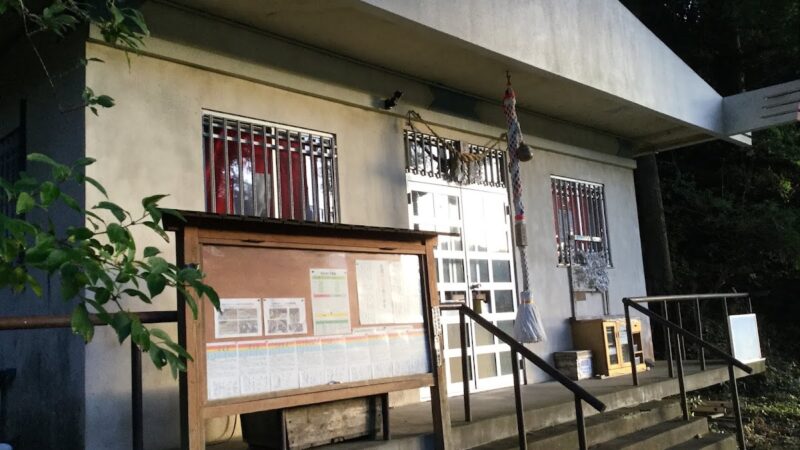
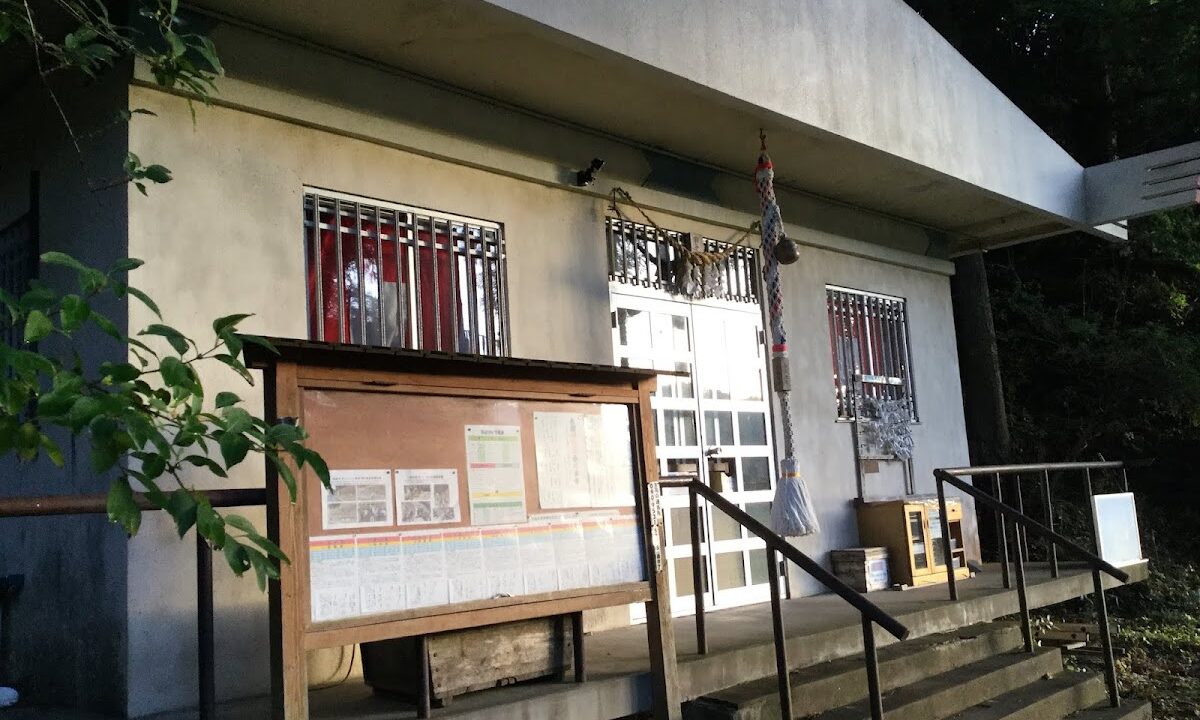
The shrine building, the heart of the shrine, preserves the traditional style of shrine architecture. Although not large in scale, it is a building that has been carefully maintained through the faith of the local people.
Nature on the Shrine Grounds
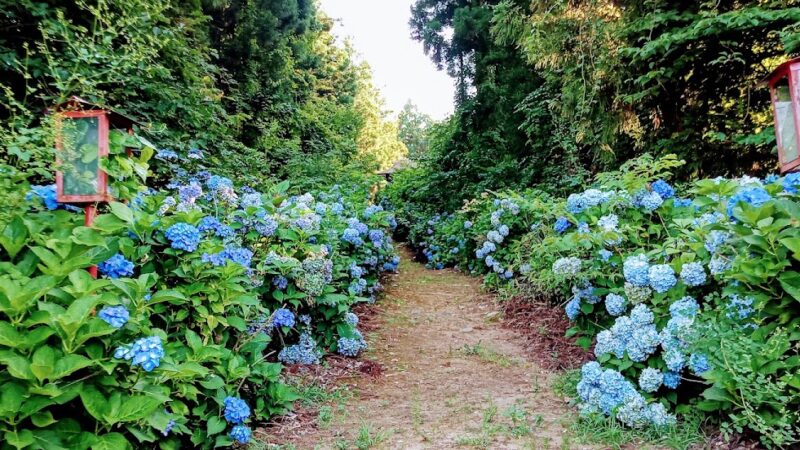
The area surrounding the shrine is blessed with abundant nature, allowing visitors to enjoy the scenery of each season. Especially during the fresh greenery of spring and the vibrant autumn foliage, beautiful scenery awaits visitors.
The Approach to the Shrine and the Torii Gate
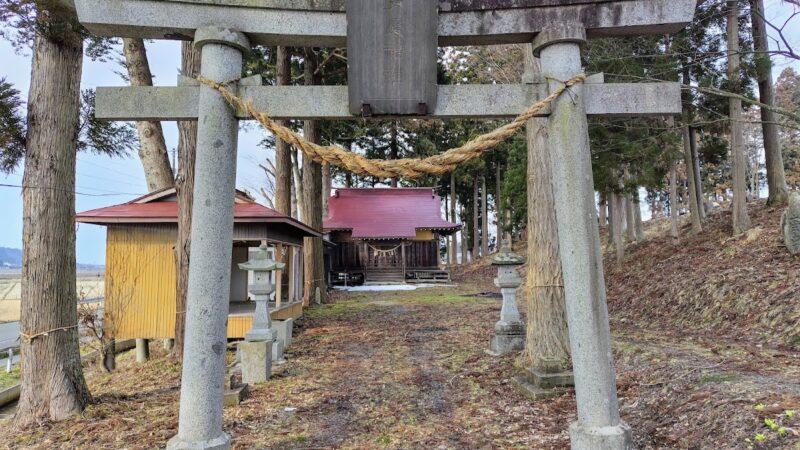
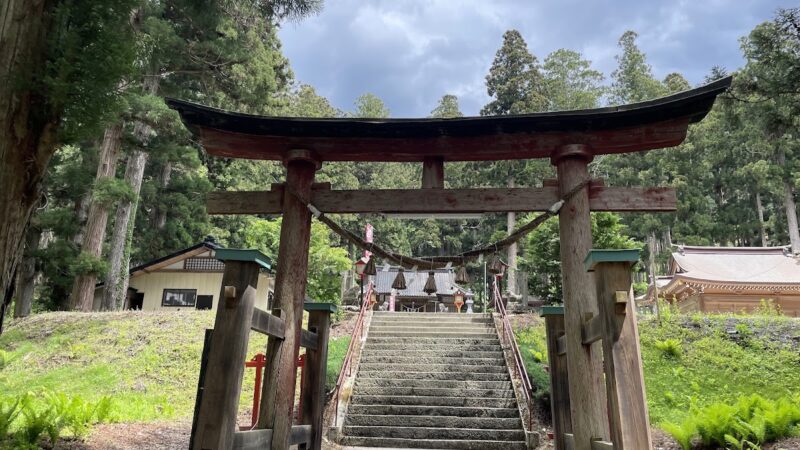
Passing through the torii gate, the entrance to the sacred area, and proceeding along the approach to the shrine, shifts your mind from everyday life to a sacred space. The time spent walking along the approach is an important part of the worship experience.
Etiquette and Manners for Worship
When visiting a shrine, it is important to know the correct etiquette.
Basic Worship Procedure
- Bow before the Torii Gate: Bow to show respect before entering the sacred area.
- Walk along the edge of the path: The center is considered the path of the gods.
- Purify yourself at the water basin: If there is a water basin, purify your hands and mouth.
- Worship in front of the main hall: Two bows, two claps, and one bow is the basic procedure.
- Bow again upon leaving: Turn around and bow when leaving the torii gate.
Proper Water Basin Procedure
- Hold the ladle in your right hand and purify your left hand.
- Switch the ladle to your left hand and purify your right hand.
- Switch the ladle back to your right hand, receive water in your left hand, and rinse your mouth.
- Purify your left hand once more.
- Hold the ladle upright, purify the handle, and return it to its original position.
Nearby Shrines, Temples, and Recommended Spots
After visiting Kōshigō Nichigetsu Shrine, we recommend visiting other shrines, temples, and tourist spots around Kamaishi City.
Main Shrines in Kamaishi City
- Kamaishi Daikannon: A tourist spot known for its giant Kannon statue overlooking Kamaishi Bay.
- Ozaki Shrine: A historical shrine located in the city center of Kamaishi.
- Yama Shrine: A shrine befitting Kamaishi, a town of iron production, dedicated to the guardian deity of mines and iron production.
Tourist Spots in Kamaishi City
Kamaishi City is known for its beautiful scenery along the Sanriku coast and its history of iron production. Please also visit the following spots:
- Kamaishi Iron History Museum: A facility where you can learn about the history of Kamaishi as the birthplace of modern ironmaking in Japan.
- Hashino Iron Mine: A component of the World Heritage Site “Sites of Japan’s Meiji Industrial Revolution”.
- Nehama Beach: A beach with beautiful sandy shores and crystal-clear waters.
Points to Note When Visiting Kōshigō Nichigetsu Shrine
Please note the following points when visiting Kōshigō Nichigetsu Shrine.
Things to Check Before Visiting
- Status of Shrine Priests: There may not be a permanent shrine priest, so please check in advance if you wish to receive a Goshuin (shrine stamp) or prayer.
- Transportation: Public transportation is limited, so please check the timetable or consider using a car.
- Weather and Clothing: As it is located in a nature-rich area, please prepare appropriate clothing and footwear for the weather.
Consideration for the Community
Shrines are also places of worship for local residents. Please observe the following points when visiting the shrine:
- Visit in silence and refrain from loud conversations.
- Always take your trash with you.
- Take photographs only within permitted areas.
- Remember to greet the local residents.
About the Iwate Prefectural Shrine Association and the Association of Shinto Shrines
Kōshigō Nichigetsu Shrine belongs to the Iwate Prefectural Shrine Association and is under the jurisdiction of the Association of Shinto Shrines.
Role of the Iwate Prefectural Shrine Association
The Iwate Prefectural Shrine Association was established in 1946 and, as the governing body for shrines in Iwate Prefecture, carries out the following activities:
- Liaison, coordination, and guidance of shrines within the prefecture
- Training and education of Shinto priests
- Research and studies on shrines
- Promotion and enlightenment of Shinto culture
Address: 13-2, Hachiman-cho, Morioka City, Iwate Prefecture 020-0872
Telephone: 019-622-8648
Relationship with the Association of Shinto Shrines
The Association of Shinto Shrines is a religious corporation that encompasses approximately 80,000 shrines nationwide, and promotes Shintoism with Ise Grand Shrine as its head shrine. Shrine associations in each prefecture function as local branches of the Association of Shinto Shrines.
Annual Events of Kōshigō Nichigetsu Shrine
Many shrines hold various festivals and ceremonies throughout the year. It is possible that Kōshigō Nichigetsu Shrine also holds festivals based on local traditions.
General Annual Events at Shinto Shrines
- New Year’s Day Festival (January 1st): A festival celebrating the New Year
- Spring Grand Festival (Spring): Prayers for a bountiful harvest
- Summer Purification Ceremony (June 30th): Purification of sins and impurities accumulated over the past six months
- Autumn Grand Festival (Autumn): A festival expressing gratitude for the harvest
- Year-End Purification Ceremony (December 31st): Purification of sins and impurities accumulated over the past year
For specific festival dates, please check with the Iwate Prefectural Shrine Association or local information.
The Charm of Kashi-cho, Kamaishi City
Kashi-cho, where Kashi-go Nichigetsu Shrine is located, is a naturally rich area in the inland part of Kamaishi City.
Geography and Environment of Kashi-cho
Kashi-cho is located in a mountainous area, blessed with clear streams and forests. Agriculture and forestry have been practiced here since ancient times, and a lifestyle in harmony with nature has continued. The place name “5th District” indicates the old land division, giving a sense of the region’s history.
Local Culture and Tradition
Kamaishi City is known as a steel-making town, but in mountainous areas like Kashi-cho, a traditional lifestyle centered on agriculture has been preserved. Local communities centered around shrines continue to play an important role even today.
Recommended Food After Visiting the Shrine
Around Kamaishi City, there are many restaurants where you can enjoy the seafood of Sanriku and local Iwate cuisine.
Kamaishi and Sanriku Specialties
- Seafood Dishes: Sushi and seafood bowls using fresh seafood
- Hama Ramen: Local ramen using seafood from Sanriku
- Scallop Dishes: Various dishes using scallops from Sanriku
- Wanko Soba: A representative local dish of Iwate Prefecture
After visiting the shrine, satisfy your mind and body with delicious local cuisine.
Summary: Key Points for Visiting Kōshigō Nichigetsu Shrine
Kōshigō Nichigetsu Shrine is a historic shrine located in Kōshi-chō, Kamaishi City, Iwate Prefecture. When planning your visit, please keep the following points in mind:
- Location: 121, 5th Ward, Kōshi-chō, Kamaishi City (Nearest Station: Dōsen Station)
- Goshuin (Shrine Seal): Available, but prior confirmation is necessary.
- Access: Convenient access by car; check timetables if using public transportation.
- Worship Manners: Worship with proper etiquette and sincerity.
- Nearby Sightseeing: Visit other shrines and tourist spots in Kamaishi City as well.
Kōshigō Nichigetsu Shrine offers a peaceful and tranquil experience amidst a rich natural environment. When visiting Iwate Prefecture, be sure to stop by. It will be a valuable experience to connect with the region’s history and culture.
Frequently Asked Questions (FAQ)
Q1: Can I get a Goshuin at Kōshigō Nichigetsu Shrine?
A1: While Koshigo Nichigetsu Shrine offers Goshuin (shrine stamps), there may not always be a resident priest. If you wish to receive a Goshuin, it is recommended to contact the Iwate Prefectural Shrine Association (019-622-8648) in advance. There may also be pre-printed Goshuin available, so it’s best to check before visiting.
Q2: How do I access Koshigo Nichigetsu Shrine?
A2: The shrine is located at 121, 5th Ward, Koshi-cho, Kamaishi City, Iwate Prefecture. The nearest station is Tosen Station on the JR Kamaishi Line, but the shrine is some distance from the station, so using a car or taxi is recommended. If traveling by car, please enter the address into your car navigation system or map app. If using public transportation, please check the timetable in advance, as the number of JR Kamaishi Line trains is limited.
Q3: Who are the deities enshrined at Koshigo Nichigetsu Shrine?
A3: From the name of Kōshigō Nichigetsu Shrine, it is thought that deities related to the sun and moon are enshrined there. Generally, shrines that enshrine the sun and moon enshrine Amatsukami deities such as Amaterasu Ōmikami and Tsukuyomi-no-Mikoto. For detailed information on the enshrined deities, we recommend checking with the Iwate Prefectural Shrine Association or the shrine directly.
Q4: When is the best time to visit Kōshigō Nichigetsu Shrine?
A4: Kōshigō Nichigetsu Shrine is open for visits throughout the year. The fresh greenery of spring and the autumn foliage are particularly beautiful, making it highly recommended. Visiting on New Year’s Day or on days when festivals such as the annual grand festival are held will allow you to experience the atmosphere of the shrine more fully. In winter, there is a possibility of snow, so please check the weather and road conditions before visiting.
Q5: What are some tourist spots around Kōshigō Nichigetsu Shrine?
A5: There are many tourist spots in Kamaishi City. The Kamaishi Daikannon, a giant statue of Kannon overlooking Kamaishi Bay, is a popular tourist attraction. Furthermore, the Hashino Iron Mine, a World Heritage Site, offers a glimpse into the history of modern iron production in Japan. The Kamaishi Iron History Museum is also a valuable resource for understanding the history of Kamaishi as a town of iron production. Along the coast, beautiful beaches such as Nehama Beach are available, allowing visitors to fully enjoy the natural beauty of the Sanriku region. Enjoy the charms of Kamaishi City to the fullest, along with your visit to the shrines and temples.