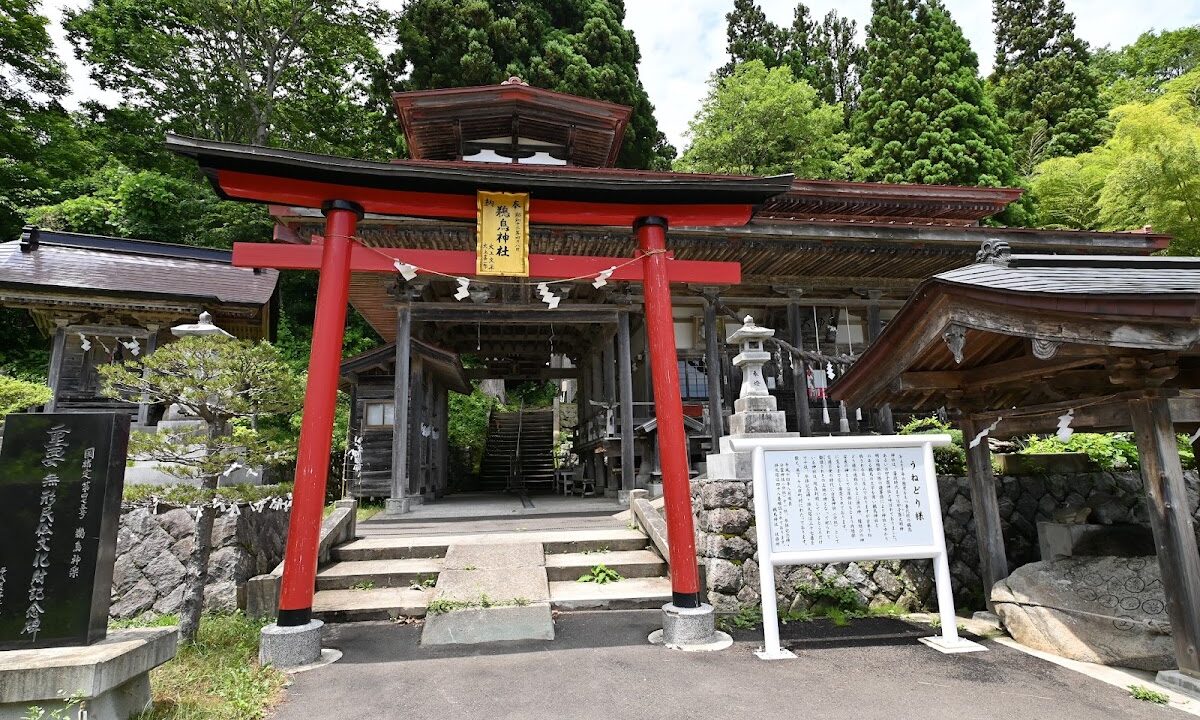
Complete Guide to Unotori Shrine (Fudai Village, Iwate Prefecture) | The Complete Story of the Legend of Minamoto no Yoshitsune and a Power Spot for Matchmaking
Unotori Shrine (also known as Unedori Shrine), located on the summit of Mt. Unotori in Fudai Village, Shimohei District, Iwate Prefecture, is a historic shrine that has long been revered as a deity of maritime safety, bountiful catches, and matchmaking. Affectionately known locally as “Unedori-sama,” it is also known as the setting for the legend of Minamoto no Yoshitsune’s journey north. This article provides a detailed explanation of everything you need to know before visiting Unotori Shrine, including its history, blessings, worship methods, and access information.
History and Origins of Unotori Shrine
Founded in 807 AD
Unotori Shrine is said to have been founded in 807 AD, boasting a history of over 1200 years. Founded in the early Heian period, this shrine has developed as a center of faith in the Sanriku coastal region. During the feudal era, it was called “Ushitori Shrine,” and remnants of this name can still be seen today.
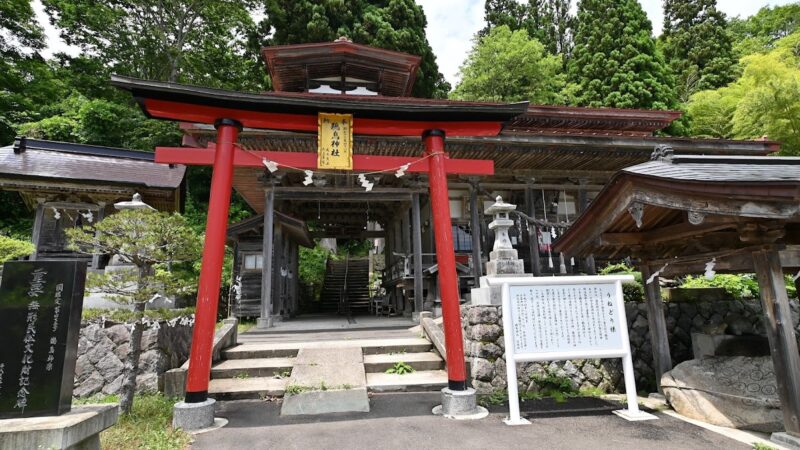
The main shrine is located at the summit of Mount Ushitori, with a worship hall at the foot of the mountain. This location held special significance for those involved in the fishing industry, who prayed to the god watching over the sea for maritime safety and a bountiful catch.
The Legend of Minamoto no Yoshitsune’s Journey North and Utori Shrine
Utori Shrine holds an interesting legend related to Minamoto no Yoshitsune. The “Legend of Yoshitsune’s Journey North,” which tells of Yoshitsune’s secret escape and flight north in 1189 (Bunji 5), despite his supposed death in Hiraizumi, is said to have arrived in this area the following year. Impressed by the sight of a golden cormorant, he prayed for seven days and seven nights for maritime safety, lasting military fortune, and the fulfillment of all his wishes. It is said that, by order of Yoshitsune, a shrine dedicated to Ushitori Daimyojin was built on the summit of Mt. Ushitori. While this legend is not historical fact, it has had a profound influence on the history and culture of Utori Shrine and remains one of its attractions, drawing many visitors today.
The Blessings and Power Spot of Utori Shrine
The Foremost God of Matchmaking on the Sanriku Coast
Utori Shrine is known as one of the leading power spots for matchmaking in Iwate Prefecture. Particularly famous is the custom of using pine branches within the shrine grounds for matchmaking. It is believed that if a man ties a pine branch with his left hand and a woman with her right hand, their wish will come true, attracting many couples and visitors seeking good fortune in love.
This matchmaking blessing is also passed down at Ushitori Shrine in Tono City, but Utori Shrine in Fudai Village is actually considered the original and authentic location. This shrine is worshipped not only for romantic relationships, but also as a deity that fosters all kinds of “connections,” including good relationships between people and business relationships.
Guardian Deity for Maritime Safety and Bountiful Catch
For those involved in the fishing industry along the Sanriku coast, Utori Shrine holds a special place. It has long been revered as a deity of maritime safety and bountiful catches, and even today, many fishermen and boat owners visit the shrine. During the annual festival, fishing industry workers from all over the Sanriku coast gather to pray for safety and a year of abundant catches.
Other Benefits
Utori Shrine is said to offer a variety of benefits, including:
- Family Safety: Protection of family health and peaceful living
- Business Prosperity: Wishing for business development and success
- Safe Childbirth: Praying for safe childbirth and the health of mother and child
- Bountiful Catch: Praying for abundant catches and the prosperity of the fishing industry
- Fulfillment of All Wishes: Praying for the fulfillment of various wishes
Highlights and Cultural Assets of the Shrine Grounds
Two-Shrine Structure: Main Hall and Worship Hall
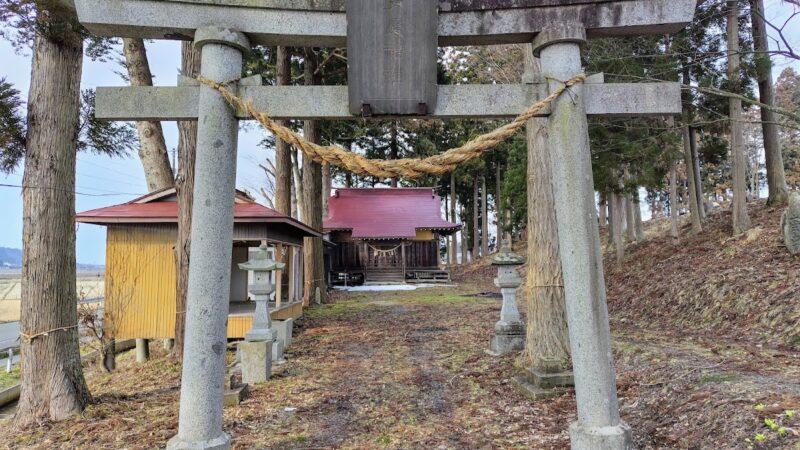
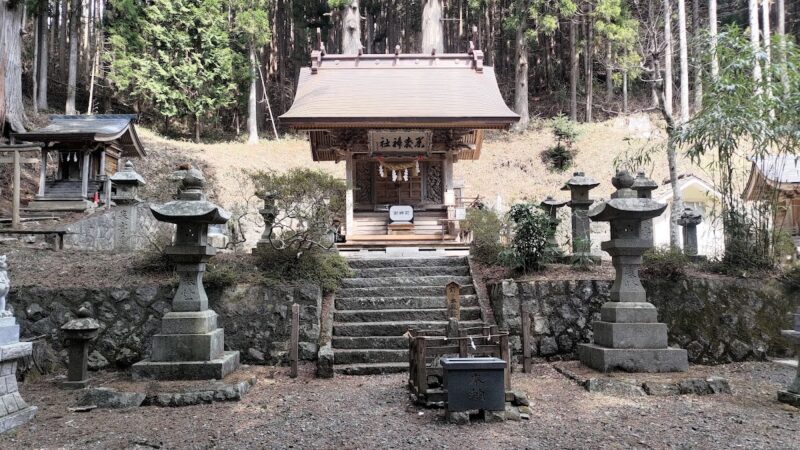
A distinctive feature of Utori Shrine is its structure: the main hall at the mountaintop and the worship hall at the foot of the mountain. After passing through the large torii gate along National Route 45, a 10-minute drive will take you to the worship hall. Passing through the gate of the worship hall and walking up the path for about 15 minutes, the main hall will appear near the summit of Mt. Ushitori.
The view from the main shrine is exceptional, offering a spectacular panoramic view of the Sanriku coast. The scenery from this location, also known as “Omisaki-sama” (the cape), is so beautiful that it makes you forget the effort of your pilgrimage.
National Important Intangible Folk Cultural Property: Utori Kagura
The Utori Kagura, passed down at Utori Shrine, is a valuable traditional performing art designated as a National Important Intangible Folk Cultural Property on March 2, 2015. In the coastal areas of Iwate Prefecture, there are two types of Kagura known as “Utori in the north, Kuromori in the south,” and Utori Kagura is considered on par with the Kuromori Kagura of Miyako City.
Utori Kagura and Kuromori Kagura tour alternately every other year, traveling north and south respectively, passing on traditional culture to the local people. On November 25, 1989, they appeared on the prestigious stage of the 39th Japan Folk Performing Arts Festival, a project of the Agency for Cultural Affairs, held at the Nippon Seinenkan in Tokyo, where their value was recognized nationwide. The Utori Kagura, performed at the Kagura Hall, captivates visitors with its ancient and elegant dance and music, preserving the history and traditions of the shrine.
Rare “Daidai-kichi” Fortune Slips Nationwide
Another unique feature of Utori Shrine is its fortune slips, which offer the rare “Daidai-kichi” fortune. While “Daikichi” (great fortune) is the best fortune in regular fortune slips, Utori Shrine offers “Daidai-kichi,” surpassing “Daikichi,” and those who draw it are said to be blessed with exceptional good fortune.
Many visitors come specifically to try these rare fortune slips, making it a popular and unique experience at Utori Shrine.
Annual Festivals, Rituals, and Events
Grand Festival (8th day of the 4th month of the lunar calendar)
The most important festival at Utori Shrine is the Grand Festival, held on the 8th day of the 4th month of the lunar calendar. On this day, many fishermen and local residents from the Sanriku coast visit the main shrine at the summit of Mt. Unotori. In front of the worship hall, the ancient Utori Kagura dance is performed, creating a solemn atmosphere.
Local cuisine such as tofu dengaku and charcoal-grilled herring are sold on the shrine grounds, and amulets originating from Utori Shrine are available for blessings such as family safety, business prosperity, matchmaking, and a bountiful catch. It also plays an important role as a place for community interaction.
Other Shinto Rituals
Besides the annual festival, various Shinto rituals are performed throughout the year. Seasonal festivals such as New Year’s Day, Setsubun Festival, and Autumn Festival attract many worshippers, and the shrine plays a central role in the community’s faith.
Goshuin (Shrine Seal) and Goshuincho (Shrine Seal Book) Information
Utori Shrine’s Goshuin
Goshuin (shrine seal) can be obtained at Utori Shrine. Many visitors receive a Goshuin (temple/shrine stamp) as a memento of their visit and as proof of their connection to the shrine. Goshuin embody the history and traditions of the shrine, making them precious keepsakes for those who collect them.
When requesting a Goshuin, please speak to the shrine office after completing your prayers. However, please note that they may not be able to accommodate requests during shrine events or when the priests are absent, so it is recommended to check in advance.
Original Goshuincho (Stamp Book)
Utori Shrine may offer original Goshuincho. These stamp books, with designs reflecting the shrine’s characteristics and blessings, are valuable as mementos of your visit. Please inquire at the shrine office for details.
How to Visit and Etiquette
Procedure for Visiting
To visit Utori Shrine, follow these steps:
- Passing Through the Torii Gate: Enter the sacred grounds through the large torii gate along National Route 45.
- Worship at the Remote Worship Hall: Drive for about 10 minutes and first worship at the Remote Worship Hall.
- Climbing to the Main Shrine: If you are confident in your physical strength, walk for about 15 minutes from the Remote Worship Hall to the Main Shrine.
- Purifying at the Water Basin: Purify your hands and mouth before worship.
- Two Bows, Two Claps, One Bow: Worship in the proper manner before the shrine.
- Matchmaking Pine: Tie a branch of the pine tree with your wish.
- Fortune Slip: Try your luck and aim for “Great Fortune”!
Points to Note When Visiting
- If walking on mountain paths, wear comfortable clothing and shoes.
- In summer, take precautions against insects; in winter, take precautions against the cold.
- Behave quietly and respectfully in the sacred area.
- Take photographs only in permitted areas.
- Always take your trash with you.
Access and Transportation Information
Basic Information
Address: 13 Unotori, 25th Ward, Fudai Village, Shimohei District, Iwate Prefecture
Phone Number: 0194-35-2339
Visiting Hours: Anytime during the day (Please check the shrine office’s reception hours)
Admission Fee: Free
Access by Car
- From Hachinohe: Head south on National Route 45. After passing the center of Fudai Village, head north and you will see the large torii gate.
- From Miyako: Head north on National Route 45. The large torii gate is located north of the center of Fudai Village.
- Parking: Parking is available near the worship hall (free of charge).
The large torii gate along National Route 45 is a landmark. After passing through the torii gate, it’s about a 10-minute drive along a mountain road to the worship hall, so please drive carefully.
Access by Public Transportation
- Nearest Station: JR Hachinohe Line “Fudai Station”
- The shrine is a distance from the station, so we recommend taking a taxi.
- Renting a car allows you to efficiently visit the surrounding area as well.
Nearby Tourist Facilities
When visiting Utori Shrine, visiting the following nearby facilities will make your trip more fulfilling:
- Kurosaki-so: A national lodging facility in Fudai Village, offering accommodation and day-use bathing.
- Fudai Village National Health Insurance Clinic: A medical facility (for emergency reference).
- Sanriku Coast Scenic Spot: Enjoy the spectacular view of the beautiful ria coast.
- Kurosaki Observatory: An observation spot offering a panoramic view of the Pacific Ocean.
Seasons and Highlights of Utori Shrine
Spring (March-May)
Spring is the season for the annual festival. The annual festival, held on the 8th day of the 4th month of the lunar calendar (around May in the Gregorian calendar), features the dedication of Utori Kagura dance and the sale of local cuisine, making it the busiest time of year. The contrast between the lush green mountains and the blue sea is beautiful, and the nature along the approach to the shrine is vibrant.
Summer (June-August)
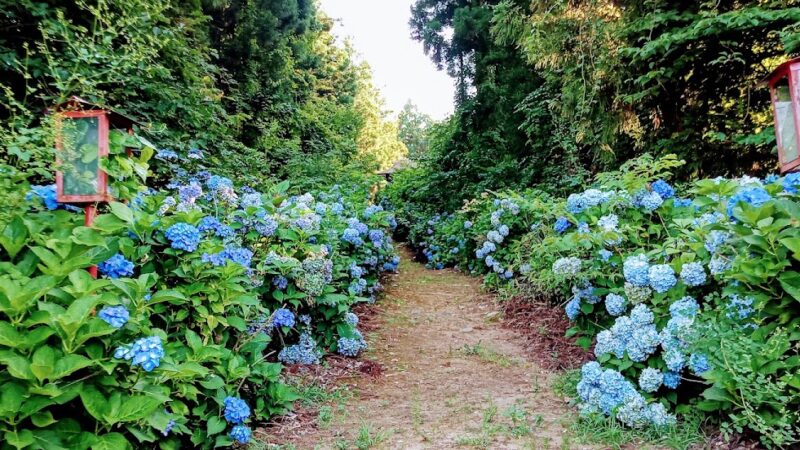
From early summer to summer, it’s the perfect season to enjoy the lush nature of Ukotoriyama. The path to the main shrine is covered with trees, creating a cool and refreshing atmosphere for worship. However, it’s also a time when insects are abundant, so insect repellent is essential.
Autumn (September-November)
Autumn is the season of autumn leaves, offering a beautiful landscape as the entire mountain is ablaze with color. The view from the main shrine in the crisp air is exceptional. The autumn festival is also held, offering thanks for the harvest and prayers for a bountiful catch in the following year.
Winter (December to February)
In winter, visits to the shrine take place amidst a solemn atmosphere covered in snow. While climbing to the main shrine may be difficult due to snow, worship at the remote worship hall is possible. Many local residents visit for Hatsumode (first shrine visit of the year) to pray for safety and prosperity in the new year.
Utori Shrine’s Connection to the Community
Deep Ties to Fishing Culture
Utori Shrine is inseparable from the fishing culture of the Sanriku coast. As a deity of maritime safety and abundant catches, it has served as a spiritual pillar for fishermen. Prayers for safety before setting sail, gratitude for bountiful catches, and protection from maritime accidents are still offered here today.
Center of the Local Community
The shrine is not only a religious facility but also the center of the local community. Festivals, including the annual grand festival, are important opportunities for local people to gather and deepen their bonds. The tradition of Utori Kagura (a type of Shinto dance) is also being passed down to the younger generation in the community, contributing to the preservation of culture.
Value as a Tourist Resource
In recent years, Utori Shrine has attracted the attention of tourists as a power spot for matchmaking and as the setting for the legend of Minamoto no Yoshitsune. The increase in visitors from outside the region has contributed to the promotion of tourism in Fudai Village, playing a role in regional revitalization.
Voices and Experiences of Visitors
Experiencing the Blessings of Matchmaking
Many visitors have shared experiences such as, “After tying a pine branch and praying for a good match, I had a wonderful encounter six months later,” and “Since visiting the shrine with my spouse, we have been enjoying happy and harmonious days at home.”
Being Moved by a “Great Fortune Slip”
One visitor commented, “I was so happy to draw a rare ‘Great Fortune Slip.’ Good things really kept happening that year.” The special feeling of drawing a fortune slip, unlike a regular one, makes the visit even more memorable.
Breathtaking Views from the Main Shrine
Many visitors commented, “The 15-minute climb was a little challenging, but the view from the main shrine was truly magnificent. We could see the entire Sanriku coast, and it gave us a sacred feeling.”
Preparation and Advice for Visiting Utori Shrine
Checklist of Items to Bring
- Comfortable walking shoes: Essential if you plan to climb to the main shrine
- Drinks: Remember to stay hydrated, especially in summer
- Insect repellent: Many insects in summer
- Camera: For photographing the beautiful scenery and shrine grounds
- Goshuincho (stamp book): Bring if you collect Goshuin (shrine stamps)
- Offering: Small change is convenient
- Warm clothing: It can get cold in winter and early mornings
Estimated Time Required
- Visiting only the worship hall: 30 minutes to 1 hour
- Climbing to the main shrine: 1 hour 30 minutes to 2 hours
- Participating in the annual festival: 3 hours or more
We recommend planning with plenty of time to spare.
Best Season
While visits are possible year-round, the best times to visit are:
- May (during the annual festival): The most lively time to experience traditional events
- June-July: Beautiful fresh greenery and mild weather
- October-November: Beautiful autumn foliage and stable weather
Summary: The Charm and Value of Utori Shrine
Utori Shrine in Fudai Village, Iwate Prefecture, is a venerable shrine with over 1200 years of history. It boasts a variety of attractions, including the legend of Minamoto no Yoshitsune’s journey north, a power spot for matchmaking, the Utori Kagura (a nationally designated Important Intangible Folk Cultural Property), and the rare “Daido-kichi” (great fortune-telling) omikuji (fortune slips).
As a guardian deity for maritime safety and bountiful catches along the Sanriku coast, and as a god of good fortune in relationships, it attracts visitors not only from the local area but from all over Japan. From the breathtaking views from the main shrine at the summit of Mt. Unotori, to the solemn worship at the remote worship hall, and the traditional ceremonies at the annual festival, each visit offers new discoveries and unforgettable experiences.
When you visit Iwate Prefecture, be sure to stop by Utori Shrine. Its history, tradition, natural beauty, and sacred atmosphere will provide a memorable and special experience. Whether you’re seeking blessings for a successful relationship or want to experience the history and culture of Sanriku, Utori Shrine is a wonderful place that will not disappoint.