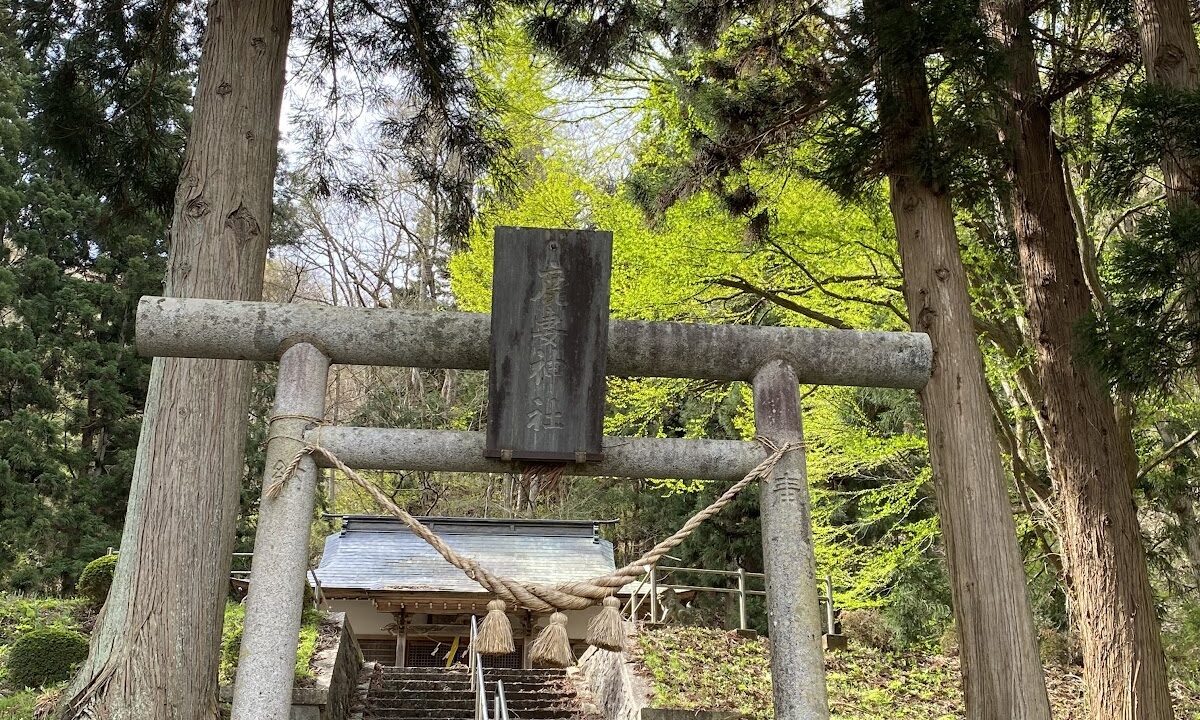
Complete Guide to Kazuma Shrine (Iwate Prefecture): A Thorough Explanation of History, Deities, Blessings, and Visiting Information
Kazuma Shrine, located in Iwate Prefecture, is a historic shrine that has long been cherished by the local people. This article provides a detailed introduction to Kazuma Shrine, including its history, enshrined deities, blessings, highlights within the grounds, and access information useful for visiting.
What is Kazuma Shrine?
Kazuma Shrine is a shrine located in Iwate Prefecture and has long been revered as the local guardian deity. The place name “Kazuma” exists in several locations throughout the Tohoku region, and each area has its own unique history and culture, with its own shrines.
Kazuma Shrines in Iwate Prefecture serve as the center of the local community, hosting various festivals and religious ceremonies throughout the year, and serving as a spiritual anchor for parishioners and visitors.
History and Origins of Kazuma Shrine
History of Founding
Regarding the founding date of Kazuma Shrine, different traditions remain depending on the region. Like many shrines in the Tohoku region, it is believed that this shrine came to be worshipped as a guardian deity of the area from ancient to medieval times.
There are various theories about the origin of the place name “Kazuma,” including theories that it originates from the Ainu language or is related to ancient hunting culture, among other intriguing legends. Unraveling the history of the shrine reveals a glimpse into the ancient landscape of this region.
Deep Ties with the Community
Kazuma Shrine has played a vital role not only as a place of worship but also in strengthening the ties of the local community. Throughout the Edo, Meiji, Taisho, and Showa eras, it has been carefully preserved by the local people and continues to this day.
Even during the turbulent post-war period, the shrine buildings were maintained through the efforts of the parishioners, and it has continued to serve as a spiritual pillar for the community.
Deities and Benefits
About the Deities
The deities enshrined at Kazuma Shrine may vary from shrine to shrine, but in most cases, the following gods are enshrined:
- Oyamatsumi-no-kami: Known as the god of mountains and also the guardian deity of industry.
- Honda-wake-no-mikoto: A god of martial fortune, affectionately known as Hachiman-jin.
- Amaterasu-Omikami: The supreme deity of Japanese mythology.
- Sarutahiko-no-kami: A god of guidance, known as the god of opening paths.
These deities have been enshrined together according to the history, industry, and wishes of the region.
Expected Benefits
The main benefits you can expect at Kazuma Shrine include the following:
Family Safety and Prosperity of Parishioners
As the guardian deity of the region, it protects the health and safety of families and the prosperity of the entire community.
Abundant Harvest and Business Prosperity
This deity watches over the development of local industries such as agriculture and commerce, bringing abundant harvests.
Protection from Misfortune and Good Fortune
This deity wards off misfortune at life’s turning points and bestows the strength to forge new paths.
Traffic Safety
When Sarutahiko-no-kami, the god of opening roads, is enshrined here, it is believed to bring blessings for safe travel and traffic safety.
Highlights of the Shrine Grounds
Characteristics of the Shrine Architecture
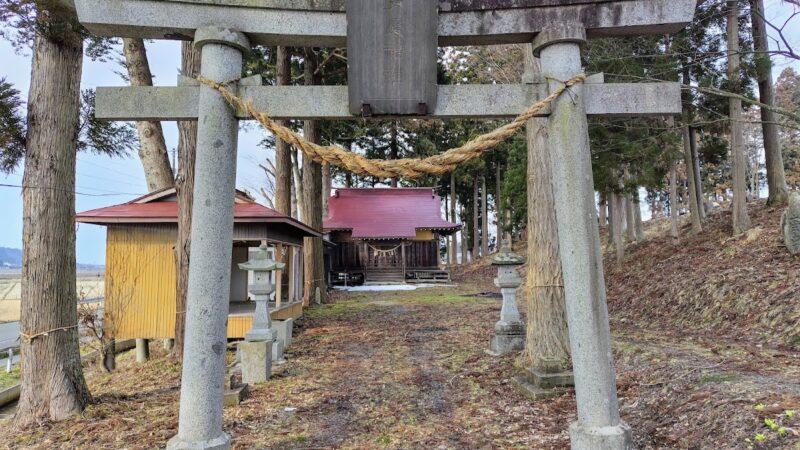
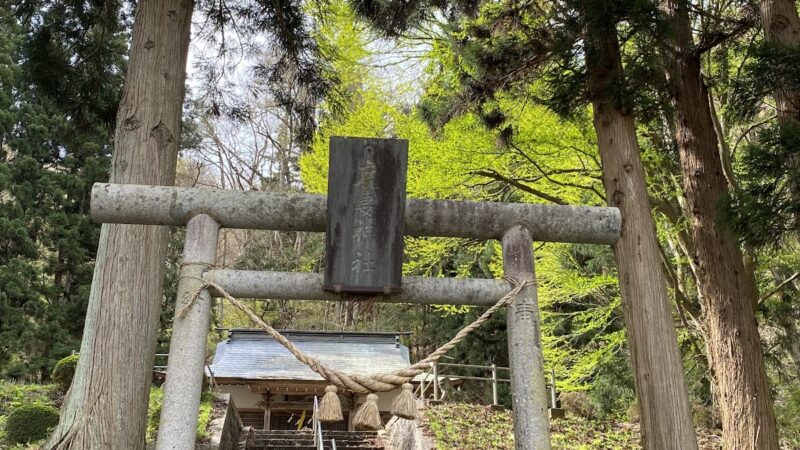
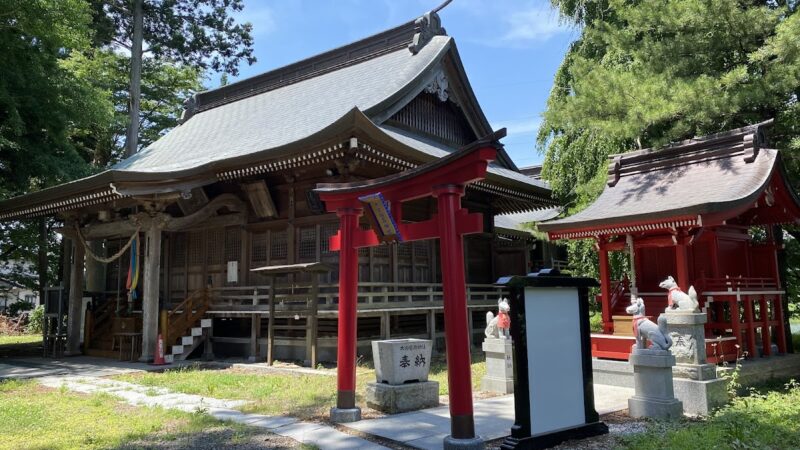
The shrine buildings of Kazuma Shrine exhibit characteristics of shrine architecture in the Tohoku region. They possess the basic structures of a main hall, worship hall, and torii gate, and the architectural style is adapted to the local climate and environment.
Many features are incorporated to withstand the harsh winter cold and snow, and the aged texture of the wood speaks to the deep history of the shrine.
Natural Environment of the Shrine Grounds
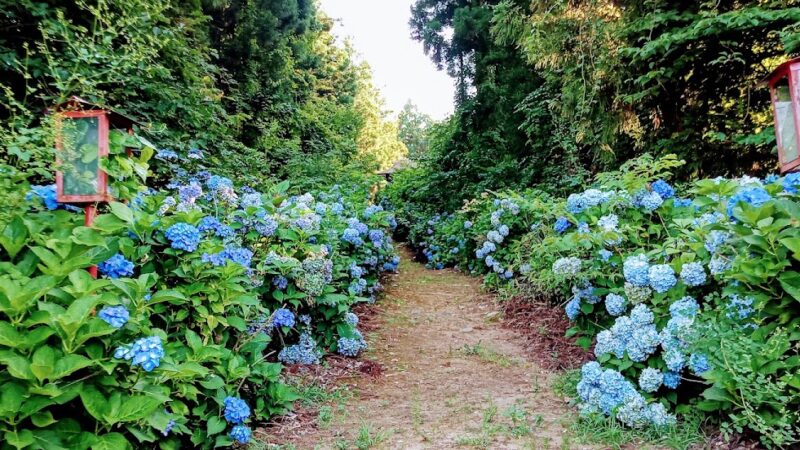
The shrine grounds are planted with ancient trees and seasonal flowers, allowing visitors to enjoy the beauty of nature throughout the seasons.
Spring: Cherry blossoms and plum blossoms bloom, and fresh greenery colors the grounds.
Summer: Surrounded by deep green, a cool breeze flows through the grounds.
Autumn: The autumn leaves are beautiful, and it is a season of gratitude for the harvest.
Winter: A solemn atmosphere permeates the silence of the snow-covered grounds.
Stone Monuments and Memorials
Sometimes, stone monuments and memorials that tell the history of the region are erected on the shrine grounds. These are valuable historical materials that commemorate the renovation of the shrine or important events in the region, passing them down to future generations.
Annual Events and Festivals
Main Annual Events
At Kazuma Shrine, various Shinto rituals and festivals are held throughout the year:
Hatsumode (January 1st-3rd)
The shrine is bustling with worshippers praying for safety and prosperity in the new year.
Spring Grand Festival (Spring)
This is an important festival to pray for a bountiful harvest and the development of the region.
Summer Purification Ceremony (June 30th)
This ceremony purifies the impurities accumulated over the past six months and prays for good health and protection from illness for the remaining half of the year.
Autumn Grand Festival (Autumn)
This festival expresses gratitude for the harvest and may include a portable shrine procession.
Year-End Purification Ceremony (December 31st)
This Shinto ritual purifies the impurities accumulated over the past year and allows for a pure heart to welcome the new year.
Regional Traditional Events
In some regions, unique traditional events and folk performing arts are offered at shrines. Traditional performing arts such as Kagura (sacred dance), lion dance, and taiko drumming play an important role in the transmission of regional culture.
Etiquette and Manners for Visiting a Shrine
Basic Etiquette for Visiting a Shrine
Here are some basic etiquette rules for visiting a shrine:
- Bow before passing through the torii gate
Before entering the sacred area, bow to compose yourself.
- Purify yourself at the water basin
Purify your left hand, then your right hand, then your mouth, and finally your left hand.
- Walk along the edge of the path
The center is considered the path of the gods, so walk along the edge.
- Etiquette at the main hall
Two bows, two claps, and one bow is the basic ritual.
- Bow deeply twice
- Clap your hands twice
- Pray sincerely
- Bow deeply once
- Bow when leaving
Before leaving the torii gate, turn around and bow once.
Attire and Manners for Visiting a Shrine
No special attire is required, but clean clothing that reflects the sacred nature of the place is desirable. Please observe basic manners, such as refraining from making loud noises or eating and drinking on the shrine grounds.
Access Information
Location
The exact location of Kazuma Shrine varies depending on the specific city or town within Iwate Prefecture. When planning your visit, we recommend confirming the exact address in advance.
Transportation Access
If using public transportation:
You will most likely need to take a bus or taxi from the nearest station. Community buses may also operate in some areas.
If using a private car:
As with many local shrines, parking spaces may be available on or near the shrine grounds. However, congestion is expected during festivals, so we recommend visiting with plenty of time to spare.
Visiting Hours
The shrine grounds are generally open at all times, but the reception hours of the shrine office may be limited. If you wish to obtain a Goshuin (shrine stamp) or amulet, we recommend inquiring in advance.
Nearby Tourist Attractions
Attractive Tourist Destinations in Iwate Prefecture
When visiting Kazuma Shrine, exploring the surrounding tourist attractions will make your trip even more fulfilling:
Historical Sites
Iwate Prefecture boasts numerous historical sites, including the Hiraizumi World Heritage Site and the Morioka Castle Ruins.
Natural Landscapes
Enjoy the rich natural beauty of the Sanriku Coast, the Hachimantai Plateau, and the Oirase Gorge.
Hot Springs
There are also many hot spring resorts where you can relax and unwind, such as Hanamaki Onsenkyo and Tsunagi Onsen.
Local Food Culture
Iwate Prefecture boasts a rich food culture, including the “Morioka Three Great Noodles” (Wanko Soba, Morioka Reimen, and Jajamen), as well as Maesawa beef and seafood from the Sanriku coast. After visiting the shrine, enjoying the local cuisine is highly recommended.
Goshuin (Shrine Seals) and Amulets
About Goshuin
Some shrines offer goshuin as proof of worship. Goshuin are not merely commemorative stamps, but are cherished as proof of a connection made with the deities.
When receiving a Goshuin (temple/shrine stamp), please note the following:
- Complete your prayers first before receiving the Goshuin.
- Prepare a Goshuincho (stamp book) (if you don’t have one, you may be able to receive a pre-printed Goshuin).
- Prepare a donation (approximately 300-500 yen).
- Visit during the shrine office’s reception hours.
Amulets and Souvenirs
Kazuma Shrine may offer a variety of amulets and souvenirs:
- Traffic Safety Amulet: Protects the safety of cars and bicycles.
- Exorcism Amulet: For those in their unlucky year or seeking protection from misfortune.
- Academic Success Amulet: Popular among students and those taking exams.
- Health Amulet: For the health of your family.
- Matchmaking Amulet: For those seeking a good match.
It is customary to replace amulets with new ones approximately once a year and return old amulets to the shrine.
Prayers and Rituals at Kazuma Shrine
About Prayers
At Kazuma Shrine, you can receive various prayers according to life’s milestones and wishes:
First Shrine Visit
Reporting the birth of a baby to the gods and praying for healthy growth.
Shichi-Go-San Ceremony
Celebrating a child’s milestone in growth and praying for future health and happiness.
Exorcism Prayer
Praying for protection from misfortune for those entering their unlucky year and praying for peace and safety.
Family Safety and Business Prosperity
Praying for the safety of the family and the development of the business.
Car Blessing
Praying for traffic safety when purchasing a new car or at the beginning of the year.
If you wish to receive a prayer, it is recommended that you contact the shrine in advance to make a reservation.
Estimated Offering Fee
The offering fee for prayers is generally 5,000 yen or more, but this may vary depending on the shrine. It’s reassuring to check in advance.
Engagement with the Local Community
Parishioner Organization and Shrine Management
Kazuma Shrine is supported by the local parishioner organization. Parishioners are local residents who worship the shrine’s guardian deity and cooperate in its maintenance and management.
The parishioner organization plays a crucial role in the daily operation of the shrine, including managing festivals, cleaning the grounds, and repairing the shrine buildings. This strong community connection is the driving force behind the continued preservation of the shrine.
Inheritance of Local Culture
Shrines also function as places to pass on local traditional culture and history to future generations. Through festivals and religious ceremonies, children learn about local history and traditions, fostering a sense of belonging to the community.
In recent years, while the inheritance of traditions has become a challenge in some areas due to the declining birthrate and aging population, community activities centered around shrines are becoming increasingly important as places for intergenerational exchange.
Precautions When Visiting the Shrine
Seasonal Precautions
Winter (December – March)
Winter in Iwate Prefecture is harsh, and caution is needed regarding snow and ice. Take thorough precautions against the cold and wear non-slip shoes.
Spring (April – May)
The ground can become muddy during the snowmelt season. Also, those with hay fever should take precautions.
Summer (June – August)
Precautions against the heat and insects are necessary. Be careful of heatstroke and remember to stay hydrated.
Autumn (September – November)
This season is relatively pleasant, but there is a large temperature difference between morning and evening, so it’s a good idea to bring a jacket.
Photography Etiquette
Photography is generally permitted on the shrine grounds, but please observe the following points:
- Do not take photos in areas where photography is prohibited, such as inside the main hall.
- Be considerate of those receiving prayers or other visitors.
- Obtain permission in advance if using a tripod.
- When posting on social media, be careful not to include other visitors in your photos.
The Charm of Kazuma Shrine
A Faith Rooted in the Community
The greatest charm of Kazuma Shrine lies in its deep-rooted faith within the community. Unlike large-scale tourist shrines, it has a history of being an integral part of the daily lives of local people, watching over important milestones in their lives.
As a shrine visited during important life moments such as New Year’s visits, Shichi-Go-San (a traditional rite of passage for children), and exorcisms, the bonds passed down through generations are the true value of this shrine.
A Serene Atmosphere
Another charm is the quiet environment away from the hustle and bustle of the city, allowing for a peaceful and calming visit. In the tranquil atmosphere of the shrine grounds, you can forget the hustle and bustle of everyday life and reflect on yourself. ### The Changing Seasons
At Kazuma Shrine, surrounded by the rich nature of Iwate Prefecture, you can enjoy the beautiful scenery of each season. The shrine grounds, which show different expressions with each season, offer new discoveries with every visit.
Future Prospects and Challenges
Inheriting Tradition
Many local shrines face the challenge of declining parishioners due to the low birthrate and aging population, and the resulting difficulty in passing on traditional events. At Kazuma Shrine, the transmission of traditional culture to younger generations is a crucial theme.
Various initiatives are being undertaken, such as cooperating with local schools and organizations to provide opportunities for children to participate in shrine festivals.
As a Hub for the Local Community
Shrines are expected to play a role not only as places of worship, but also as hubs for the local community. New possibilities for shrines as places where local people can gather and interact are being explored.
Summary
Kazuma Shrine (Iwate Prefecture) is a historical shrine deeply rooted in the community, attracting the faith of people for many years. It continues to play a vital role as a center of reverence for the enshrined deity, the continuation of annual events, and the strengthening of community ties.
When you visit, why not take some time to quietly offer a prayer while reflecting on the shrine’s history and the local culture? Spending time in this sacred space, away from the hustle and bustle of everyday life, will surely bring peace to your heart.
If you have the opportunity to visit Iwate Prefecture, please do visit Kazuma Shrine and experience the history, culture, and the depth of faith of the people. There, a simple and warm charm awaits you, unlike that of large-scale tourist shrines.