Nagahora Shrine (Iwate Prefecture) Complete Guide | History, Benefits, Access, and Highlights Explained in Detail
Nagahora Shrine, located in Iwate Prefecture, is a shrine that conveys the history and faith of the region to the present day. This article provides detailed information useful for visiting Nagahora Shrine, including its history, enshrined deities, benefits, highlights within the grounds, and access methods.
What is Nagahora Shrine?
Nagahora Shrine is a historical shrine located in Iwate Prefecture, which has been revered by local residents. The place name “Nagahora” is thought to have been named after the topographical features, meaning a long valley or depression.
The shrine has long been cherished as a guardian deity of the region, a place where people pray for abundant harvests, family safety, and peace in the community. Even today, it is carefully maintained by local parishioners and worshippers.
History and Origins of Nagato Shrine
Founding History
While detailed records of the founding date of Nagato Shrine are lacking, local traditions suggest it has been worshipped as the guardian shrine of the settlement since ancient times. Similar to many shrines in Iwate Prefecture, it is believed that the faith was established alongside the development of the region during the Heian and Kamakura periods.
Connection with the Community
Nagato Shrine has functioned as a central presence in the local community. Through annual events and festivals, it has played a role in strengthening the bonds among residents and contributing to the preservation of local culture.
During the Edo period, it may have been positioned as the guardian shrine of the village under the rule of the Nanbu clan, and there is a possibility that records exist indicating it received protection from the lord. Even after the Meiji-era separation of Shinto and Buddhism, it continued to exist as a local shrine to this day.
Development Since the Modern Era
Under the Meiji-era shrine ranking system, it is highly likely that it was classified as a village shrine or an unranked shrine, and it developed as a community-oriented shrine. Even after the war, the local residents’ parishioner organization was maintained, and regular festivals and cleaning activities are carried out.
Deities and Divine Virtues
Main Deity
The deity enshrined at Nagato Shrine is a god worshipped as the guardian deity of the region. Like many local shrines, the following deities may be enshrined here:
- Oyamatsumi-no-kami: God of mountains, deity of abundant harvests and industrial development
- Amaterasu-Omikami: Imperial ancestral deity, deity of national peace and good fortune
- Susanoo-no-Mikoto: God of protection against misfortune and disaster
- Local Guardian Deity: Guardian deity specific to the area
Divine Virtues and Benefits
The following benefits can be expected from visiting Nagato Shrine:
- Abundant Harvest: Prosperity in agriculture and prayers for a bountiful harvest
- Family Safety: Health and peaceful living for the family
- Protection from Misfortune and Disaster: Keeping away misfortune and ensuring safety
- Regional Peace and Security: Peace and development for the entire community
- Business Prosperity: Success and prosperity in business
- Good Fortune and Happiness: Improved luck and the arrival of happiness
Highlights of the Shrine Grounds
Shrine Building
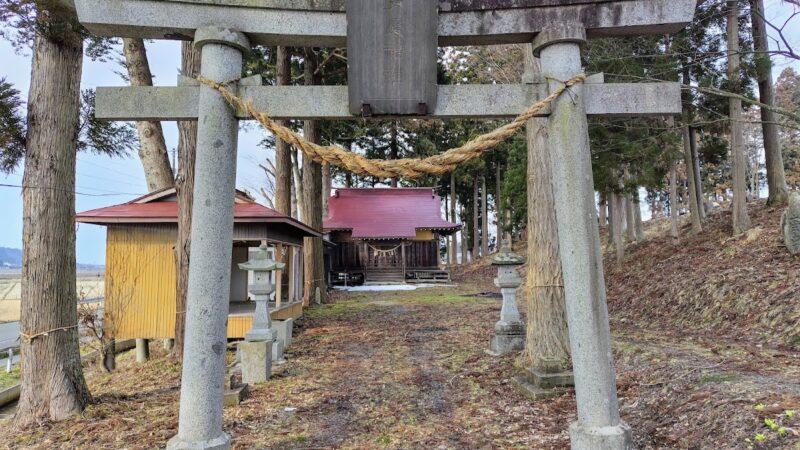
The shrine building of Nagato Shrine is a valuable structure that conveys the traditional shrine architectural style of the region. Although small in scale, the carefully maintained shrine building reflects the faith of the local people.
The main hall is often protected by a protective structure, and it is common to worship from the worship hall. The dignified appearance of the wooden architecture provides visitors with a serene atmosphere.
Torii Gate and Approach
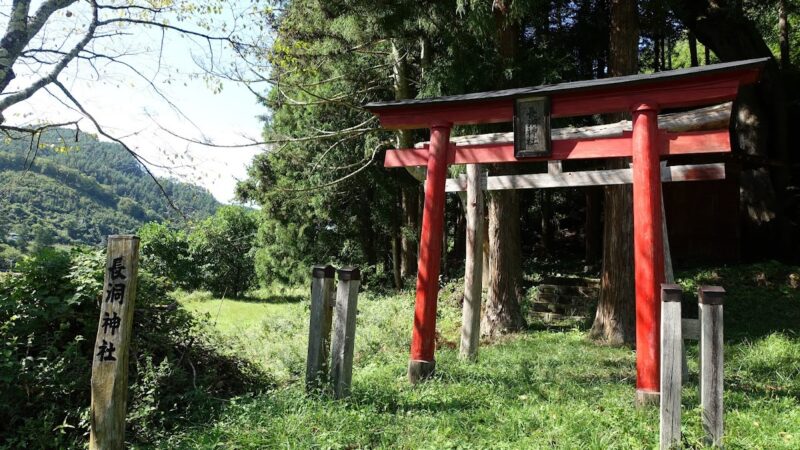
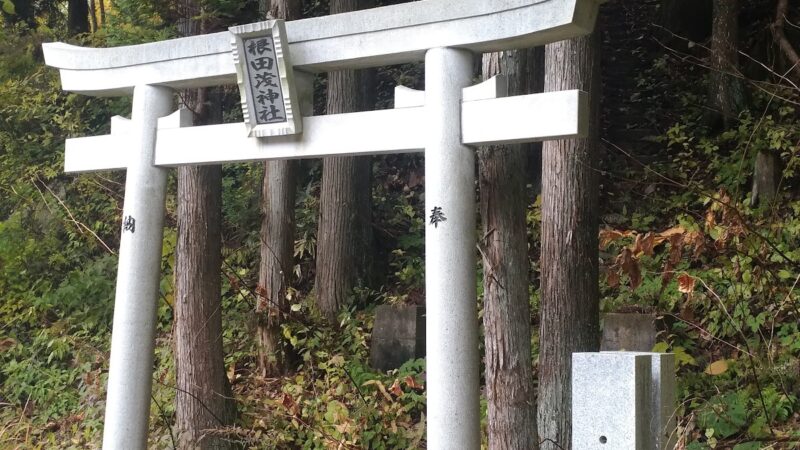
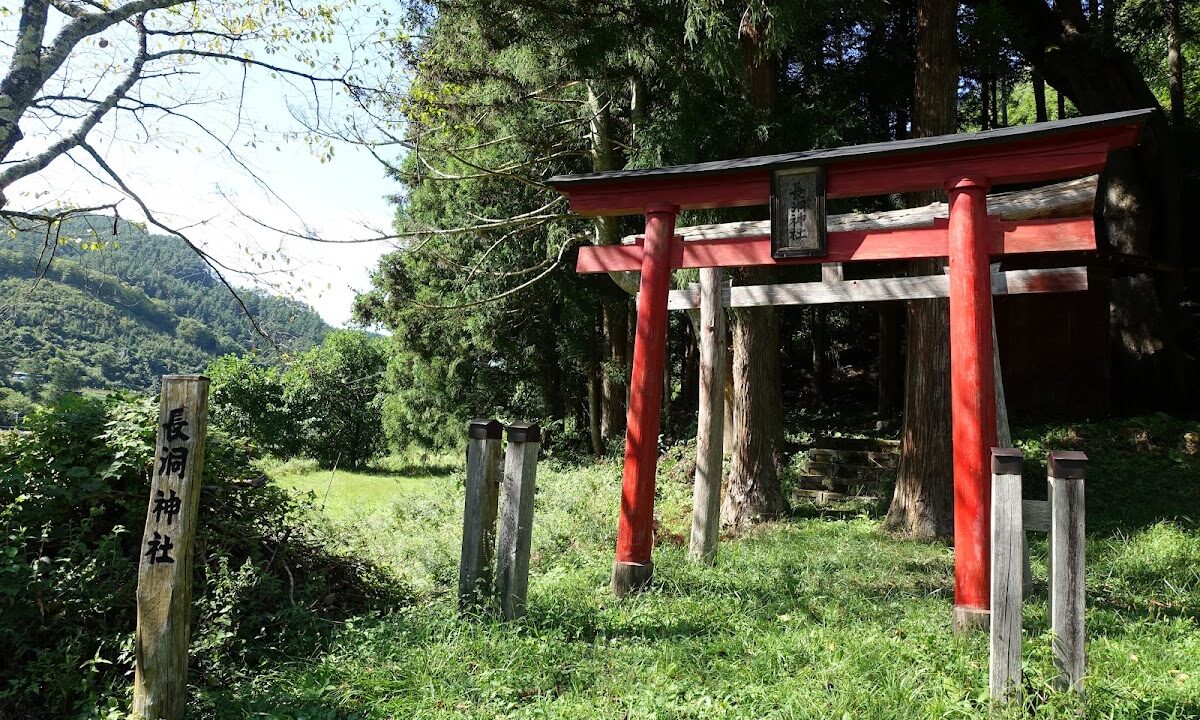
A torii gate stands at the entrance to the shrine, and the approach leads to the shrine building. Passing through the torii gate allows one to be aware of the boundary between the secular world and the sacred realm.
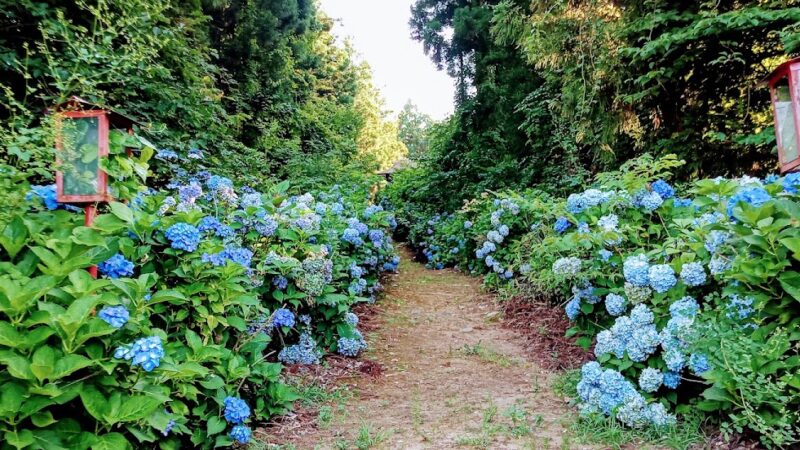
The approach is surrounded by nature, allowing visitors to enjoy the scenery of each season. It shows a different face each season: fresh greenery in spring, deep green in summer, autumn leaves in fall, and snowscapes in winter.
Sacred Trees and Natural Environment
The shrine grounds and surrounding areas are home to trees that have grown over many years, creating a sacred atmosphere. If there are trees specifically designated as sacred trees, they serve as living witnesses to the shrine’s history.
Nestled amidst the rich natural beauty of Iwate Prefecture, the shrine also offers valuable opportunities for forest bathing and connection with nature.
Stone Monuments and Memorials
Sometimes, stone monuments and memorials that tell the history of the region are erected within the shrine grounds. These inscribed with the shrine’s history, renovation records, and the names of donors serve as valuable resources for local history research.
Annual Events and Festivals
Annual Grand Festival
At Nagato Shrine, an annual grand festival is held. The timing is often set in accordance with the local agricultural calendar, and the festivals are centered around those equivalent to the spring Kinensai (harvest festival) and the autumn Niinamesai (harvest festival).
During the grand festival, Shinto priests perform rituals, and parishioners and local residents attend. The shrine is an important cultural event in the region, sometimes featuring a portable shrine procession and dedication ceremonies.
New Year’s Visit
At the start of the new year, visitors come for their first shrine visit of the year. As a community-oriented shrine, local residents and their families visit to pray for safety and happiness throughout the year.
Other Annual Events
- Setsubun Festival: Around February 3rd, a ritual to ward off evil spirits with bean-throwing, etc.
- Spring Festival: A prayer for a bountiful harvest before the start of spring farming work.
- Summer Purification Ceremony: At the end of June, a ritual of passing through a ring of reeds to purify oneself of the impurities accumulated over the past six months.
- Autumn Festival: A festival to give thanks for the harvest.
- Monthly Festival: A regular festival held on a fixed day each month.
Etiquette and Manners for Worship
Basic Worship Etiquette
When visiting Nagato Shrine, please observe the following basic etiquette:
- Bow before the torii gate: A courtesy before entering the sacred area.
- Walk along the edge of the approach path: The center is the path for the gods.
- Purify yourself at the water basin: Left hand → Right hand → Mouth → Handle of left hand
- Worship in front of the main hall: The basic etiquette is two bows, two claps, and one bow.
- Bow once at the torii gate upon leaving: With gratitude.
Mindset when visiting a shrine
Visiting a shrine is an act of expressing gratitude and respect to the gods. Maintain a humble attitude when expressing gratitude and making wishes. It is important to pray not for personal gain, but for the happiness of those around you and for peace in society.
Photography Manners
Photography is generally permitted on the shrine grounds, but please note the following:
- Do not photograph restricted areas such as the interior of the main hall.
- Do not interrupt religious ceremonies during festivals.
- Be considerate of the privacy of other worshippers.
- Use flash sparingly.
Access Information
Location
The exact location of Nagato Shrine is within a specific city or town in Iwate Prefecture. It is recommended to check the detailed address in advance using the local government’s tourist information or the Shrine Association website.
Access by Car
Examples of Access from Major Cities:
- From Morioka City: Approximately XX minutes via national and prefectural roads
- From Hanamaki City: Approximately XX minutes via major roads
- From Kitakami City: Approximately XX minutes via prefectural roads
Parking: There may be parking spaces for visitors around the shrine, but the scale is limited. Congestion is expected during festivals, so please allow ample time for your visit.
Access by Public Transportation
By Train:
- Nearest Station: The nearest station on the JR Tohoku Main Line, Kamaishi Line, or other lines within Iwate Prefecture
- From the station, take a bus or taxi
By Bus:
- Route buses operated by Iwate Kotsu and others run to the nearest bus stop
- Walking distance from the bus stop varies depending on the area
Notes: In areas with limited public transportation, it is important to check the timetable in advance and plan your visit accordingly.
Searching with Car Navigation and Map Apps
When searching for “Nagato Shrine, Iwate” using a car navigation system or smartphone map app, several suggestions may appear. Since there may be multiple shrines with the same name, please check the address and nearby landmarks.
Nearby Tourist Attractions
Natural Landscapes of Iwate Prefecture
The area around Nagato Shrine boasts beautiful natural landscapes unique to Iwate Prefecture:
- Mountainous Regions: Famous peaks such as Mt. Hayachine and Mt. Iwate
- Valleys: Scenic spots such as Genbi Gorge and Geibi Gorge
- Coastline: Magnificent scenery of the Sanriku Coast
Historical Sites
- Cultural Heritage of Hiraizumi: World Heritage sites such as Chuson-ji Temple and Motsu-ji Temple
- Morioka Castle Ruins: Ruins of the Nanbu Clan’s castle
- Tono: A region known as the land of folk tales
Hot Springs
Iwate Prefecture is rich in hot springs, allowing you to relax in a hot spring after visiting the shrine:
- Hanamaki Onsenkyo: A variety of hot spring facilities
- Oushuku Onsen: A historic hot spring resort
- Tsunagi Onsen: A hot spring near Morioka
Cultural Value of Nagato Shrine
Center of Local Faith
Nagato Shrine is not a large-scale tourist shrine, but it plays an important role as a spiritual pillar for the local residents. Even in today’s increasingly urbanized world, the maintenance of such community-based shrines is of great significance in the preservation of traditional Japanese culture.
Folkloric Significance
Small local shrines are valuable places that convey the unique forms of belief and folk customs of their respective regions. Nagato Shrine also has the potential to be important material for studying the regional culture of Iwate Prefecture.
Community Hub
In modern society, where the weakening of local communities is a concern, shrines continue to function as places where people gather and interact. Intergenerational exchanges are fostered through festivals and cleaning activities.
Precautions When Visiting the Shrine
Seasonal Precautions
Spring/Summer:
- Insect repellent is recommended.
- Wear a hat and sunscreen on sunny days.
Autumn/Winter:
- Winters in Iwate Prefecture are harsh, so warm clothing is essential.
- Be careful of slippery surfaces during snowy seasons and wear non-slip shoes.
- Be aware of icy roads.
Clothing
There are no specific dress code requirements for visiting the shrine, but it is desirable to dress appropriately for a sacred place. Avoid overly revealing or unkempt clothing.
Health Management
Especially during summer and winter, take thorough precautions against heatstroke and cold, and aim for a visit that is not too strenuous.
About Goshuin (Shrine Seals)
Availability of Goshuin
The availability of Goshuin at Nagato Shrine varies depending on the size of the shrine and whether there are resident priests. Smaller shrines may not offer them regularly.
If you wish to receive a Goshuin (temple/shrine stamp), it is recommended that you contact the shrine or the local shrine association in advance.
Etiquette for Receiving a Goshuin
- Prepare a Goshuincho (stamp book)
- Go to the reception area after completing your prayers
- Offer the donation with gratitude
- Cherish it as a symbol of faith, not as a stamp rally
Summary of the Charms of Nagato Shrine
Nagato Shrine is a shrine that has been protected by the local people amidst the rich nature and history of Iwate Prefecture. Its charm lies in its simple and warm atmosphere, unlike large-scale tourist shrines.
It is worth visiting as a place where you can escape the hustle and bustle of the city and pray in a quiet environment. It is a valuable spot where you can experience the history and culture of the region and the traditional way of faith in Japan.
Checklist for Planning a Visit
When planning a visit to Nagato Shrine, please check the following points:
- [ ] Confirm the exact location and address
- [ ] Confirm access methods and travel time
- [ ] Check the timetable if using public transportation
- [ ] Confirm the availability and size of parking
- [ ] Confirm the dates of special events such as the annual festival
- [ ] Prepare appropriate clothing and equipment for the weather and season
- [ ] Confirm in advance whether a Goshuin (shrine stamp) is available if desired
- [ ] Gather information on nearby tourist spots and restaurants
Understanding Iwate Prefecture’s Shrine Culture
Characteristics of Shrines in Iwate Prefecture
Iwate Prefecture has many shrines with long histories dating back to ancient times. From shrines that received the patronage of daimyo such as the Nanbu and Date clans to small, community-oriented shrines like Nagato Shrine, a diverse range of shrines are scattered throughout the prefecture.
Shrines and Local Events
In Iwate Prefecture, traditional events centered around shrines are passed down in various regions. Many shrines in Iwate Prefecture offer traditional performing arts such as Kagura (sacred dance) and Shika Odori (deer dance), demonstrating the enduring cultural value of these events.
The Connection Between Faith and Daily Life
In Iwate Prefecture, where agriculture and fishing are thriving, there is a strong sense of reverence for nature, and shrine worship is deeply rooted in daily life. Prayers for bountiful harvests, abundant catches, and safety are among the faiths closely tied to daily life that have been passed down through generations.
Conclusion
Nagato Shrine is a valuable shrine that conveys the regional culture and faith of Iwate Prefecture to the present day. Though small in scale, its existence is irreplaceable to the local people, and it offers peace of mind to visitors.
When visiting Iwate Prefecture, why not visit not only famous tourist spots, but also these locally rooted shrines? There, the original landscape of Japan and traditional forms of faith quietly breathe life into the land.
Through worship, you can reflect on the history of the region, give thanks for the blessings of nature, and find time to calm your mind. We hope that Nagato Shrine will be a memorable place of worship for everyone.