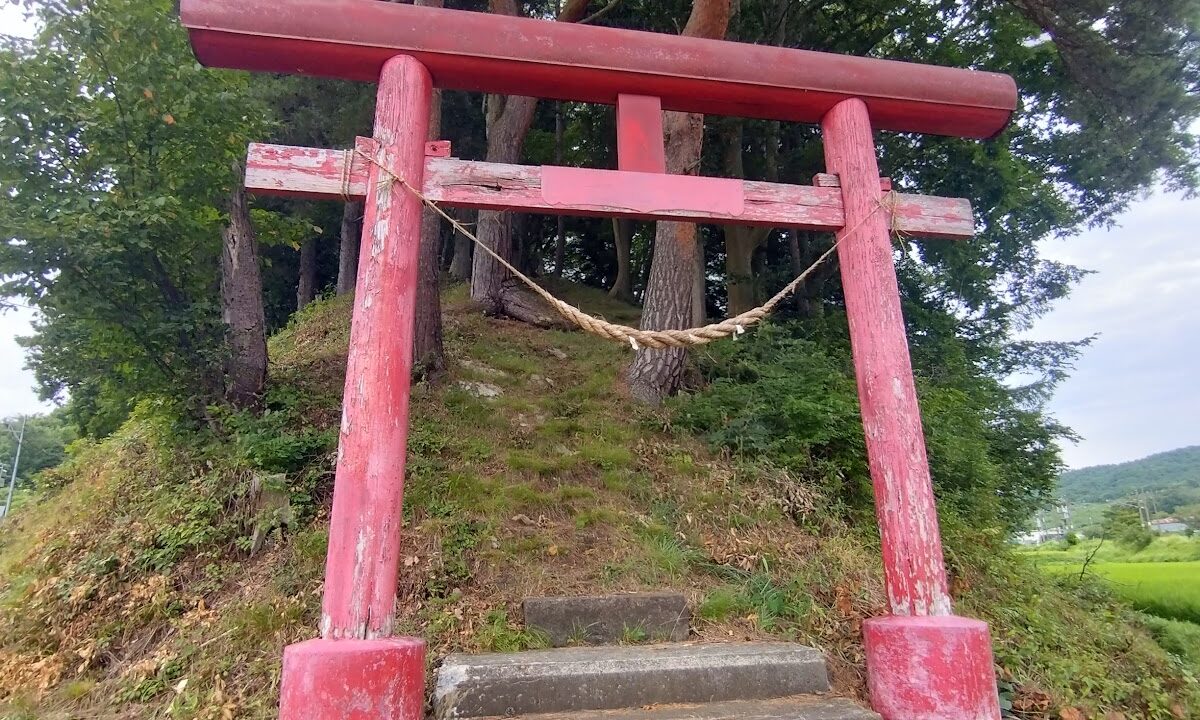
Complete Guide to Kurakake Hachiman Shrine (Iwate Prefecture) | History, Benefits, and Access Information
Iwate Prefecture is home to numerous historically significant shrines, but among them, Kurakake Hachiman Shrine stands out for its historical value and deep ties to the local community. This article comprehensively introduces everything you need to know before visiting Kurakake Hachiman Shrine, from its detailed history and benefits to the highlights of its grounds and practical information for your visit.
What is Kurakake Hachiman Shrine?
Kurakake Hachiman Shrine is one of the Hachiman shrines located in Iwate Prefecture, a historical shrine that has attracted the faith of local residents. There are said to be approximately 44,000 Hachiman shrines throughout Japan, and they are one of the representative groups of shrines in Japan that enshrine Emperor Ojin (Homudawake no Mikoto) as their main deity.
Within Iwate Prefecture, there are several famous Hachiman shrines, including Morioka Hachiman Shrine, Tono-go Hachiman Shrine, and Kabura Hachiman Shrine, each conveying the history and culture of its region to the present day. Kurakake Hachiman Shrine, too, is an important shrine that follows the tradition of Hachiman worship and has served as a spiritual pillar for the region.
Characteristics of Hachiman Worship
While possessing the characteristics of a god of war, Hachiman has also been worshipped as a god who protects all aspects of human life, including agriculture, industry, commerce, and scholarship. In particular, he was revered as the tutelary deity of the Minamoto clan and garnered immense devotion within samurai society. The Hachiman shrines in Iwate Prefecture also have a history deeply intertwined with this samurai culture.
History and Origins of Kurakake Hachiman Shrine
Circumstances of Founding
The founding of Kurakake Hachiman Shrine is intertwined with local traditions and historical background. The name “Kurakake” itself is thought to originate from a place where samurai warriors hung their horses’ saddles, or a place used for rest.
Many Hachiman shrines in Iwate Prefecture have traditions that they were founded or restored by Minamoto no Yoshiie (Hachiman Taro Yoshiie) during the late Heian period, specifically during the Former Nine Years’ War (1051-1062) and the Later Three Years’ War (1083-1087), for the purpose of praying for victory or reporting victory. Kurakake Hachiman Shrine can also be understood within this historical context.
Minamoto no Yoshiie and Hachiman Shrines in Iwate
Minamoto no Yoshiie was known as “Hachiman Taro” because he underwent his coming-of-age ceremony at Iwashimizu Hachiman Shrine, and was known for his deep faith in Hachiman. During his campaigns in Tohoku, he is said to have invited Hachiman deities to various locations and prayed for victory.
In particular, at Kabura Hachiman Shrine in Towa-cho, Hanamaki City, there is a tradition that Yoshiie erected 12 whistling arrows, along with a sword and a written prayer, before achieving victory in battle. It is believed to have been founded during the Kohei era (1058-1065). Such legends associated with Minamoto no Yoshiie are a common feature found in Hachiman shrines throughout Iwate Prefecture.
Development since the Edo Period
During the Edo period, shrines in Iwate Prefecture were developed and improved under the patronage of the Nanbu clan. Morioka Hachimangu Shrine was built in 1680 by the 29th Nanbu Shigenobu and received strong protection from the clan as the guardian shrine of Morioka.
Hachiman shrines throughout the region also functioned as centers of local faith throughout the feudal period, playing a role in strengthening community bonds through festivals and annual events. It is believed that the Kurakake Hachimangu Shrine also underwent improvements to its shrine buildings and the establishment of its festivals during this period.
Deities and Benefits
Main Deity
Following the tradition of Hachiman shrines, the main deities enshrined at Kurakake Hachimangu Shrine are believed to be the following gods:
- Honda Wake no Mikoto: The 15th Emperor Ojin. The central figure of Hachiman Shrine
- Hime-Ōkami: Considered one of the three Munakata goddesses
- Okinagatarashihime-no-Mikoto: Empress Jingū, mother of Emperor Ōjin
Benefits
Hachiman Shrines offer a wide range of benefits, but the main ones are as follows:
Luck in Competition and Success
Due to its nature as a god of war, many worshippers visit to pray for success in competitions and contests. It is believed to bestow strength in all kinds of “competitions,” such as exams, job hunting, and sports.
Business Prosperity and Success
As a guardian deity of industry, it attracts the faith of business owners and merchants who pray for business prosperity and success.
Family Safety and Protection from Misfortune
As a guardian deity of the region, you can pray for the safety and health of your family and protection from disaster.
Academic Achievement
Due to its character as a god of culture, visitors also pray for academic advancement and improvement in their skills.
Highlights of the Shrine and Grounds
Architectural Style of the Main Hall
Many Hachiman shrines in Iwate Prefecture possess valuable cultural assets that preserve the architectural style of the Edo period. For example, the main hall of Surisawa Hachiman Shrine in Ichinoseki City is built in the irimoya style, and its flat entrance and carvings exhibit local characteristics. It is designated as an Iwate Prefecture cultural property as a surviving structure showcasing the solid stylistic techniques of the early to mid-Edo period.
The shrine building of Kurakake Hachiman Shrine is also thought to be a testament to the region’s architectural techniques and faith, meticulously crafted down to the smallest detail. The decorations and carvings of the main hall reflect the skills and aesthetic sensibilities of the craftsmen of that time.
Atmosphere of the Grounds
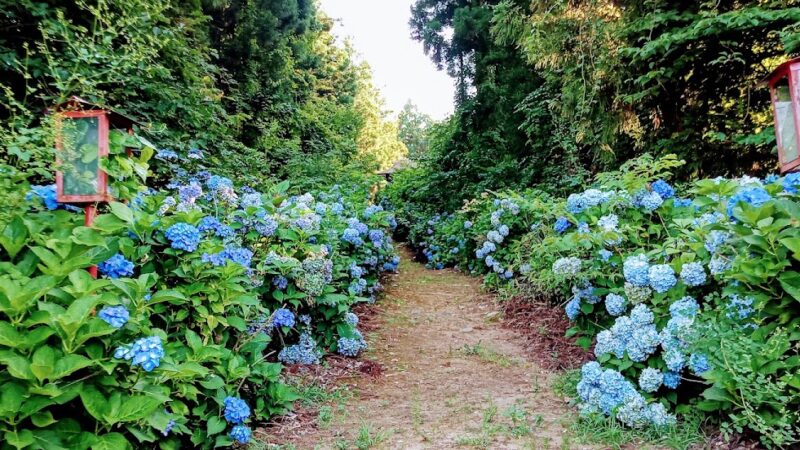
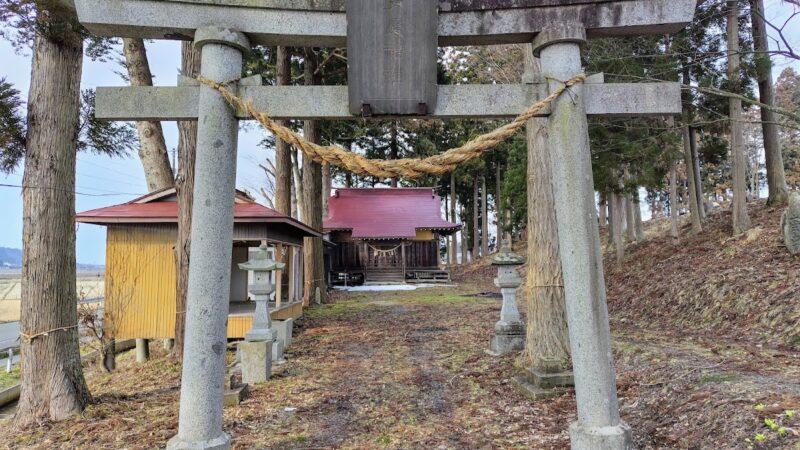
Many shrines in Iwate Prefecture are situated in tranquil environments surrounded by abundant nature. Walking along the approach lined with towering cedar and pine trees allows you to escape the hustle and bustle of everyday life and find peace of mind.
Within the shrine grounds, in addition to the purification fountain, worship hall, and main sanctuary, various smaller shrines and stone monuments are arranged, creating a space that evokes a long history. The grounds, which show different expressions with each season, offer new discoveries with every visit.
Special Decorations and Events
In recent years, shrines in Iwate Prefecture have been making efforts to enhance the experience for visitors. At Kabura Hachiman Shrine, for example, floating buoys in the purification fountain and installing flower arrangements are examples of attempts to add modern beauty to the traditional shrine atmosphere.
Seasonal decorations adorning the approach with wind chimes and lanterns are also a source of enjoyment for visitors. These initiatives are particularly helping to increase interest in shrines among younger generations and tourists.
How to Visit and Etiquette
Basic Etiquette for Visiting a Shrine
There are basic etiquette rules for visiting a shrine:
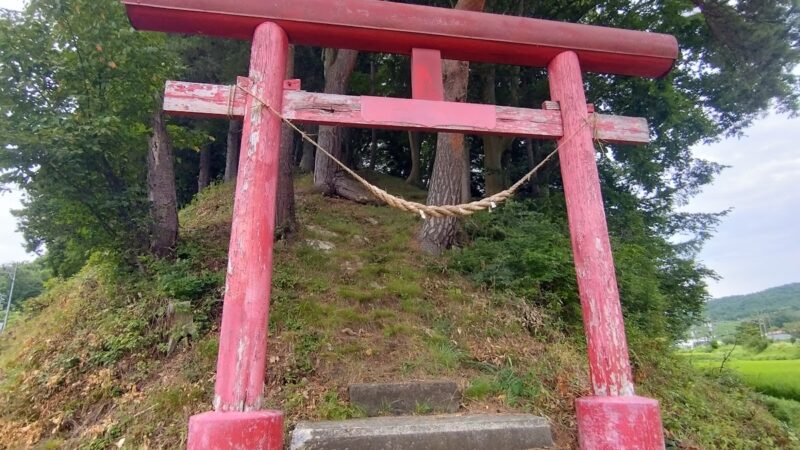
- Bow before passing through the torii gate: This shows respect when entering the sacred area.
- Walk along the edge of the approach: The center is considered the path for the gods.
- Purify yourself at the water basin: Purify your left hand, then your right hand, then your mouth, and finally the handle of the ladle.
- Worship at the main hall: Two bows, two claps, and one bow are the basic rituals.
- Bow after leaving the torii gate: This shows gratitude when leaving the sacred area.
About Goshuin (Shrine Seals)
In recent years, collecting goshuin has become popular, and many shrines offer them. Kaburahachiman Shrine also offers goshuin, and many people receive them as a memento of their visit.
Goshuin are not merely stamps; they are precious items bestowed by the shrine as proof of worship. Present your Goshuincho (stamp book) respectfully and receive the stamp with gratitude.
Reservations for Prayer Ceremonies
If you have a significant milestone in your life or an important wish, you can receive a formal prayer ceremony. We offer prayers for various occasions, including first shrine visits for newborns, Shichi-Go-San (children’s festival), protection from evil, business prosperity, and family safety.
If you wish to receive a prayer ceremony, we recommend making a reservation by phone in advance. When making a reservation, please specify the type of prayer, desired date and time, and number of people.
Annual Events and Festivals
Main Annual Events
At Hachiman Shrine in Iwate Prefecture, various events are held throughout the year:
Hatsumode (First Shrine Visit of the Year, January 1st-3rd)
The shrine is bustling with worshippers praying for safety and happiness throughout the year as the new year begins.
Setsubun Festival (Around February 3rd)
Events such as bean-throwing are held, and prayers are offered for protection from evil and for good fortune.
Annual Grand Festival (Autumn)
This is the most important festival of the shrine, and may include a portable shrine procession and dedication ceremonies.
Shichi-Go-San (Around November 15th)
This festival celebrates the growth of children and prays for their healthy development.
Great Purification Ceremony (June & December)
This is a Shinto ritual to purify and cleanse away the sins and impurities accumulated over the past six months.
Connections with the Community
Shrine festivals have functioned as important events for the local community. Through the preparation and operation of the festivals, intergenerational exchanges are fostered, and community bonds are strengthened. Kurakake Hachiman Shrine is also carefully preserved and passed down by the local people.
Transportation and Access Information
Access to Major Hachiman Shrines in Iwate Prefecture
As a reference for visiting Hachiman shrines in Iwate Prefecture, here is access information for major shrines:
Morioka Hachimangu Shrine
- Address: 13-1 Hachiman-cho, Morioka City, Iwate Prefecture
- Approximately 15 minutes by bus from JR Morioka Station
- Approximately 15 minutes by car from Morioka IC on the Tohoku Expressway
Kabura Hachimangu Shrine
- Address: Tsuchizawa, Towa-cho, Hanamaki City, Iwate Prefecture
- Within walking distance from Tsuchizawa Station on the JR Tohoku Main Line
- Approximately 10 minutes by car from Towa IC on the Kamaishi Expressway
- Phone: 0198-42-4333 (for prayer reservations, etc.)
Tono-go Hachimangu Shrine
- Address: Tono City, Iwate Prefecture
- Walking distance or taxi ride from Tono Station on the JR Kamaishi Line
Notes on Visiting
- Visiting hours are generally during the daytime, but the hours of the shrine office may be limited.
- If you wish to obtain a Goshuin (temple/shrine stamp) or amulet, please check the opening hours of the shrine office in advance.
- During winter, there is snow, so we recommend wearing non-slip shoes.
- Parking availability and capacity vary by shrine, so it is advisable to check in advance.
Nearby Tourist Spots and Model Courses
Hanamaki/Towa Area
The area around Towa-cho, Hanamaki City, where Kaburahachiman Shrine is located, is dotted with attractive tourist spots:
Places Associated with Kenji Miyazawa
Hanamaki is the hometown of the children’s author Kenji Miyazawa. At the Kenji Miyazawa Memorial Museum and the Children’s Tale Village, you can experience Miyazawa’s worldview. The Tsuchizawa area is also known as a place Miyazawa visited.
Hanamaki Hot Spring Village
Several hot spring resorts, including Hanamaki Onsen, Dai Onsen, and Namari Onsen, are scattered throughout the area, allowing you to relax and enjoy the hot springs after visiting the shrine. In winter, a sky lantern event is held, offering a fantastic spectacle.
Tono Area
Denshoen
This facility allows you to experience the world of Tono Monogatari (Tales of Tono), where you can encounter Japanese folklore and culture, including legends of kappa (water imps) and zashiki-warashi (house spirits).
Nabekura Castle Ruins
This is the site of a medieval mountain castle, a must-see spot for history buffs.
Recommended Model Courses
1-Day Course: A Journey Through the History and Culture of Hanamaki
Morning: Visit Kabura Hachiman Shrine → Miyazawa Kenji Memorial Museum
Lunch: Hanamaki Local Cuisine
Afternoon: Relax at Hanamaki Onsen → Miyazawa Kenji Fairy Tale Village
2-Day Course: A Tour of Hachiman Shrines in Iwate Prefecture
Day 1: Visit Morioka Hachiman Shrine → Morioka City Sightseeing → Overnight Stay in Morioka
Day 2: Kabura Hachiman Shrine in Hanamaki → Tono Hachiman Shrine → Stroll Through Tono’s Folk Tale Village
Characteristics of Hachiman Shrines in Iwate Prefecture
Architectural Characteristics
The main halls of Hachiman shrines in Iwate Prefecture strongly reflect the characteristics of regional architecture from the Edo period. Styles such as irimoya-zukuri and nagare-zukuri are employed, and the carvings showcase the skills of local craftsmen.
Many examples of Hachiman shrines, such as the main hall of Surisawa Hachiman Shrine, feature exquisite details in their interior decoration, and some have been designated as cultural properties, representing valuable historical remains in the history of shrine architecture in Iwate Prefecture.
Spread of Faith
Hachiman worship in Iwate Prefecture has been embraced not only by the samurai class but also by a wide range of social classes, including farmers and merchants. This is due to the multifaceted nature of Hachiman, who is both a god of war and a guardian deity of industry and life in general.
Role in Modern Times
Even today, Hachiman shrines in Iwate Prefecture play an important role in local communities. They are cherished by many people as places for life rituals such as Hatsumode (first shrine visit of the year) and Shichi-Go-San (a traditional rite of passage for children), and as places for community building through local festivals.
Efforts are also being made to adapt to the times, such as disseminating information on social media, to convey the charm of the shrines to younger generations.
Fees for Visiting
Basic Visiting
Visiting the shrine itself is free. Offerings are an expression of gratitude, and there are no set amounts. ### Goshuin (Shrine Seals) and Amulets
- Goshuin: Generally around 300-500 yen
- Amulets: Approximately 500-1,000 yen
- Ema (Votive Tablets): Approximately 500-800 yen
Prayer Ceremonies
The offering fee for prayers varies depending on the prayer requested, but generally, 5,000 yen and up is a guideline. Please contact the shrine directly for details.
Summary
Hachiman shrines in Iwate Prefecture, including Kurakake Hachiman Shrine, are valuable cultural heritage sites with a long history dating back to the Heian period and deeply rooted in local faith. The legends originating from Minamoto no Yoshiie’s expedition to Tohoku, the protection and development by the Nanbu clan during the Edo period, and the deep ties with the region that continue to this day demonstrate that these shrines are not merely tourist spots, but living places of faith.
Hachiman shrines attract many people seeking various blessings, such as good fortune in competitions, business prosperity, and family safety. The beautiful shrine architecture, the tranquil atmosphere of the grounds, and the scenery that changes with the seasons soothe and empower the hearts of visitors.
When you visit Iwate Prefecture, be sure to visit Kurakake Hachiman Shrine and other Hachiman shrines in the prefecture. The time you spend offering heartfelt prayers while feeling the weight of history and the warmth of the community will surely become a special memory.
Why not plan a trip to enjoy Iwate’s nature, history, and culture by combining it with nearby tourist attractions? Visiting places associated with Kenji Miyazawa, relaxing in hot springs, and immersing yourself in the world of Tono folk tales—in such a fulfilling journey, a visit to a Hachiman shrine will become a source of spiritual solace.