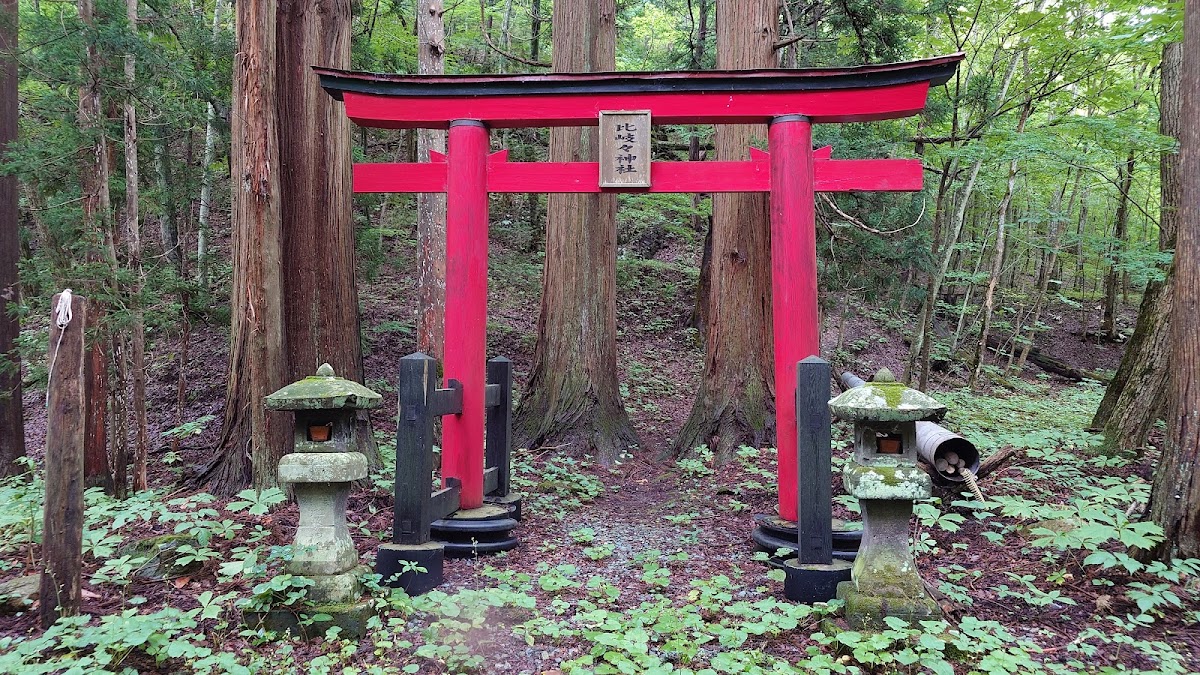
Hikiki Shrine (Iwate Prefecture) Complete Guide | History, Blessings, Access, and Goshuin Information
About Hikiki Shrine
Hikiki Shrine is a historic shrine located in Iwate Prefecture. As a center of local faith, it has been cherished by many worshippers since ancient times. Its tranquil grounds and solemn atmosphere provide peace of mind to visitors.
The name Hikiki Shrine is believed to originate from ancient place names and myths, and is deeply intertwined with the history of the region. Within the grounds stands a sacred tree estimated to be several hundred years old, testifying to the shrine’s long history.
Basic Information about Hikiki Shrine
Hikiki Shrine is located in Iwate Prefecture and is affectionately known by local residents as “Hikiki-sama” or “Hikiki Daimyojin.” The area surrounding the shrine is blessed with a rich natural environment, allowing visitors to enjoy beautiful scenery throughout the seasons.
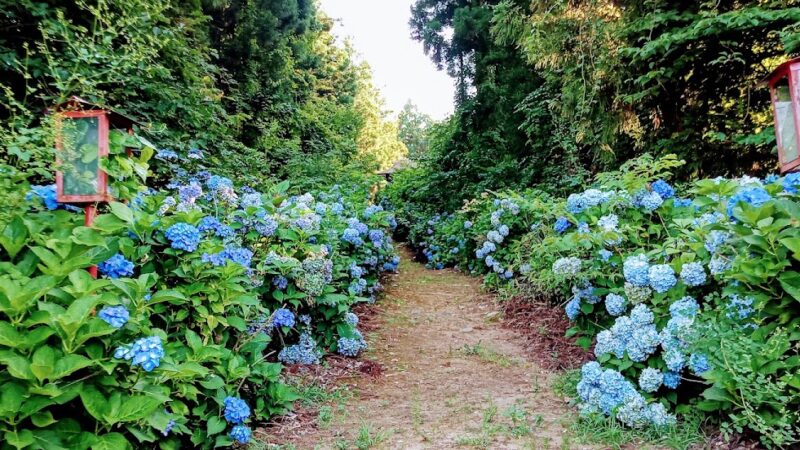
In particular, the cherry blossoms in spring, the fresh greenery in summer, the autumn leaves, and the snowscapes in winter each have their own unique charm, making it a place where visitors can feel the changing seasons while praying.
History and Origins of Hikiki Shrine
Origin of Founding
Although there are no precise records of the founding date of Hikiki Shrine, local traditions suggest it dates back to before the Heian period. It has deep ties to the development of the ancient Tohoku region, and it is believed to have begun when people who migrated to the area prayed for safety and prosperity.
The name of the shrine, “Hikiki,” is said to originate from ancient geographical features or place names. Archaeological discoveries indicating that this area was a place of human habitation from ancient times support the shrine’s long history.
Historical Changes
Hikiki Shrine has undergone various changes over time. In the Middle Ages, it received protection from local powerful families and feudal lords, leading to improvements in the shrine buildings and the enrichment of festivals. During the Edo period, under the patronage of the domain, it was positioned as an important shrine in the region. Despite being affected by the Meiji-era separation of Shinto and Buddhism and the abolition of the feudal domains, the shrine was preserved thanks to the deep faith of the local residents and continues to thrive today. During the Showa era, the shrine buildings were restored and the grounds were improved, resulting in its current appearance.
Connections to the Community
Hikiki Shrine has played a vital role not only as a place of worship but also as a central hub for the local community. Annual events and festivals provide opportunities for local residents to gather, fostering intergenerational exchange.
The shrine also plays a crucial role in the transmission of local history and culture. The rituals and ceremonies passed down through generations are carefully preserved as intangible cultural assets of the region.
Deities and Benefits
About the Deities
The deities enshrined at Hikiki Shrine are gods who have been revered since ancient times as guardian deities of the region. According to shrine tradition, they are worshipped as gods deeply involved in the development and cultivation of this region.
The deity enshrined here is believed to possess a wide range of divine virtues and has been worshipped as a protector of all aspects of the lives of local residents. It is also revered as the guardian deity of various industries, including agriculture, fishing, and commerce.
Main Benefits
Hikiki Shrine is said to offer the following benefits:
Family Safety and Harmony It is believed to protect the health and happiness of families and ensure peace within the home, attracting many families.
Abundant Harvests and Business Prosperity Many worshippers pray for the development of agriculture and commerce, and the shrine is worshipped as the guardian deity of local industries.
Protection from Misfortune and Disaster It is believed to offer protection from misfortune during unlucky years and from various disasters.
Traffic Safety Many worshippers pray for safe travels and traffic safety, and car blessings are also performed.
Academic Success
This shrine is often visited by students and those preparing for exams to pray for academic success.
Characteristics of the Faith
The faith of Hikiki Shrine has unique regional characteristics. The ancient festivals and rituals retain strong local customs and hold valuable ethnological significance.
Local residents cherish the custom of visiting the shrine at important life events to offer gratitude and prayers to the gods. Various life rituals, such as the first shrine visit for a newborn, Shichi-Go-San (a traditional rite of passage for children), exorcism, and weddings, are performed at the shrine.
Highlights of the Shrine Grounds
Main Hall and Worship Hall
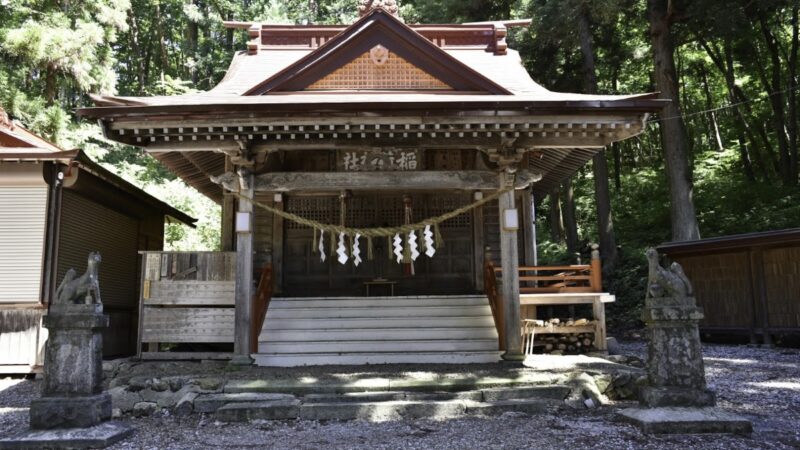
The main hall and worship hall of Hikiki Shrine are valuable structures that convey the style of traditional shrine architecture. The beauty of the wooden architecture harmonizes with the dignified appearance that has withstood the elements for many years.
In the worship hall, worshippers can offer their prayers in peace. The architectural style reflects the characteristics of the region, and the craftsmanship shines through in the detailed carvings and decorations.
Sacred Tree
Within the shrine grounds stands a magnificent sacred tree estimated to be several hundred years old. This sacred tree, having watched over the history of the shrine, commands special reverence from worshippers.
A sacred rope (shimenawa) is stretched around the sacred tree, creating a sacred atmosphere. The sacred tree, displaying different expressions in each of the four seasons, is a symbolic presence within the shrine grounds.
Komainu (Guardian Dogs) and Stone Monuments
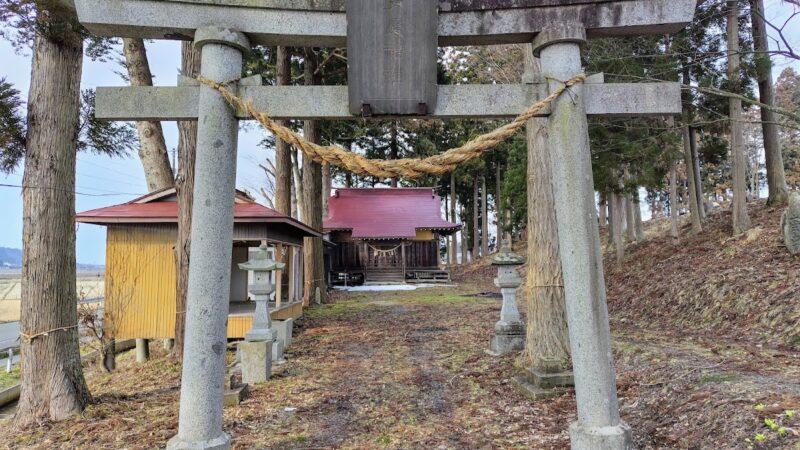
Ancient guardian dog statues (komainu) and stone monuments are placed along the approach to the shrine and within the grounds. These were donated by past contributors and each possesses historical value.
Some of the stone monuments are inscribed with valuable information about the history of the shrine and the region, providing clues to understanding the shrine’s history.
Water Basin
The water basin, where worshippers purify themselves before praying, is also an important facility within the shrine grounds. It is considered proper etiquette to purify oneself at the water basin where pure water springs forth before offering prayers.
The correct way to use the water basin is to take the ladle with your right hand and purify your left hand, then switch the ladle to your left hand and purify your right hand, switch it back to your right hand, receive water in your left hand, rinse your mouth, and finally stand the ladle upright to purify the handle.
Annual Events and Festivals
Grand Festival
The Grand Festival of Hikigi Shrine is the most important festival of the year. The entire community participates in the preparations, and it is held on a grand scale. Traditional festival events such as the procession of the portable shrine and the dedication of performing arts take place, attracting many worshippers.
During the Grand Festival, stalls line the shrine grounds, allowing visitors to enjoy the festive atmosphere. It is also a valuable opportunity for children to experience the local traditional culture.
First Shrine Visit of the New Year
Many worshippers visit the shrine for their first shrine visit of the New Year. The temple grounds are bustling with people praying for safety and happiness throughout the year from New Year’s Day to the third day.
During the New Year’s visit period, sweet rice wine is served and lucky charms are given out, creating a festive atmosphere for the new year.
Other Annual Events
Spring Festival
A festival is held to celebrate the arrival of spring and pray for a bountiful harvest.
Summer Purification Ceremony
At the end of June, the Summer Purification Ceremony is held to cleanse away the impurities accumulated over the past six months.
Autumn Festival
A festival to give thanks for the autumn harvest and to offer offerings to the gods.
Shichi-Go-San Festival
In November, many families visit for Shichi-Go-San celebrations.
Year-End Purification Ceremony
At the end of December, the Year-End Purification Ceremony is held to cleanse away the impurities accumulated over the year.
How to Visit and Etiquette
Proper Etiquette for Visiting
When visiting Hikiki Shrine, it is important to observe the following etiquette:
1. Bowing at the Torii Gate
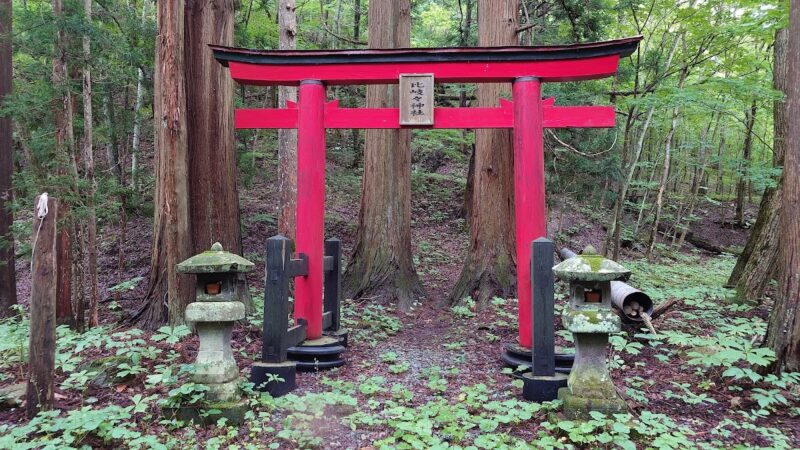
Before passing through the torii gate, bow before entering the shrine grounds.
2. How to Walk Along the Path
The center of the path is considered the path of the gods, so it is polite to walk along the sides.
3. How to Wash Your Hands at the Water Basin
Purify your body and mind at the water basin. Follow the formal etiquette described above.
4. Worship at the Main Hall
At the main hall, worship using the two bows, two claps, and one bow method. Offer your donation, ring the bell, bow deeply twice, clap twice, pray sincerely, and finally bow once more.
5. Bowing Upon Exit
When leaving the torii gate after completing your prayers, turn around and bow.
Attire for Visiting a Shrine
For shrine visits, clean and subdued attire is desirable. While special formal wear is not required, revealing or overly flashy clothing should be avoided.
If receiving prayers, more formal attire is recommended.
Photography Etiquette
Photography is generally permitted within the shrine grounds, but photography inside the main hall or during Shinto rituals may be prohibited. Please check before taking photos or follow the instructions on the signs.
It is also important to be considerate of other visitors.
Goshuin (Shrine Seals) and Amulets
About Goshuin (Shrine Seals)
Hikiki Shrine offers goshuin as proof of your visit. You can receive a goshuin at the shrine office after your visit.
A goshuin is not merely a commemorative stamp, but a sacred item that establishes a connection with the shrine. It is important to bring your goshuincho (seal book) and receive it respectfully. The reception hours for Goshuin (temple/shrine stamps) are the same as the opening hours of the shrine office. Special Goshuin may be given out during festivals and events.
Amulets and Items
Hikiki Shrine offers a variety of amulets and items.
Traffic Safety Amulet
An amulet to protect the safety of cars and bicycles.
Academic Success Amulet
An amulet to pray for success in studies and exams.
Health Amulet
An amulet to pray for health and recovery from illness.
Exorcism Amulet
An amulet to ward off evil and misfortune during unlucky years.
Family Safety Amulet
An amulet to protect the safety and happiness of the family.
It is recommended to replace amulets with new ones approximately every year. Old amulets can be returned to the shrine and burned in a ceremonial burning.
Access Information
Location
Hikiki Shrine is located in Iwate Prefecture. For the detailed address, please contact the shrine or local tourist information center before your visit.
Access by Public Transportation
By Train
You can access the shrine on foot or by bus from the nearest station. It is recommended to check the distance and travel time from the station in advance.
By Bus
You can also access the shrine using local bus routes. Please check with the bus company regarding walking time from the bus stop and the frequency of services.
Access by Car
Access by car is also possible. You can search for the route from the nearest interchange to the shrine using car navigation or smartphone map apps.
Parking
The shrine has a parking lot for visitors. During busy periods such as festivals and New Year’s visits, temporary parking may be provided.
Visiting Hours
Entry to the shrine grounds is generally permitted from sunrise to sunset. Since the shrine office has limited hours, it is recommended to check the hours in advance if you wish to receive a Goshuin (shrine stamp) or amulet.
Nearby Tourist Attractions
Natural Scenery
The area surrounding Hikiki Shrine is blessed with abundant nature in Iwate Prefecture. You can enjoy beautiful scenery throughout the seasons, and there are many places perfect for hiking and nature walks.
Each season offers a different charm: cherry blossoms in spring, lush greenery in summer, autumn leaves in fall, and snowscapes in winter.
Historical Buildings
There are also many other historical temples, shrines, and historical sites scattered around the shrine. Those interested in the region’s history and culture can gain a deeper understanding by visiting these places as well.
Hot Spring Facilities
Iwate Prefecture is also known for its hot springs, and there are hot spring facilities near Hikiki Shrine. Relaxing in a hot spring after visiting the shrine is one of the pleasures of travel.
Gourmet Food and Local Products
Savoring local cuisine and local products is another highlight of travel. Iwate Prefecture boasts a rich food culture, and you can enjoy dishes made with fresh seafood and mountain produce. ## Best Season for Visiting the Shrine
Spring (March-May)
Spring is a beautiful season with fresh greenery and cherry blossoms in bloom. The mild climate makes for a pleasant visit. The spring festival is also held, offering an opportunity to witness traditional local events.
Summer (June-August)
Summer is a season of lush greenery and vibrant life. Shinto rituals such as the summer purification ceremony are performed. However, precautions against the heat and insects are necessary.
Autumn (September-November)
Autumn is one of the most suitable seasons for visiting the shrine, with its beautiful autumn foliage. The autumn festival and Shichi-Go-San (a traditional Japanese rite of passage for children) coincide with this time, creating a lively atmosphere within the grounds. The mild climate allows for a peaceful and enjoyable visit.
Winter (December-February)
Winter offers a sacred atmosphere enveloped in silence amidst a snowy landscape. The shrine is bustling with many visitors during the New Year’s visit period. With proper cold weather gear, you can enjoy the unique charm of winter.
The Charm of Hikiki Shrine
The Weight of History
The greatest charm of Hikiki Shrine lies in the tradition and prestige cultivated over its long history. As a place of worship since ancient times, it has received the prayers of many people across generations.
Stepping onto the shrine grounds, you can feel the weight of its history firsthand. The sacred trees, old stone monuments, and traditional architectural styles all tell the story of the shrine’s history.
A Sense of Unity with the Community
Hikiki Shrine is deeply connected to the local community. Through festivals and events, the bonds among local residents have been nurtured.
This sense of unity is conveyed to visitors as a warm atmosphere. The affection and respect that local people have for the shrine is a valuable asset.
Harmony with Nature
The shrine is located in a rich natural environment, creating a space where nature and faith are in harmony. The trees and flowers on the shrine grounds display their beauty throughout the seasons, offering solace to visitors.
The opportunity to escape the hustle and bustle of the city and offer prayers in peace amidst nature is a unique charm of Hikiki Shrine.
Spiritual Peace
The spiritual peace gained from visiting the shrine is another major attraction. Stepping away from the busyness of daily life and spending time in a sacred space to reflect on oneself leads to spiritual purification.
Through worship, one can regain feelings of gratitude and humility.
Points to Note When Visiting
Clothing and Belongings
When visiting, please dress in clean and understated clothing. Comfortable walking shoes are also important. If you wish to receive a Goshuin (shrine stamp), please remember to bring your Goshuincho (stamp book).
Appropriate clothing for the season is also important. Bring a parasol or hat in summer, and warm clothing in winter.
Weather Precautions
The climate in Iwate Prefecture is unpredictable, so it is recommended to check the weather forecast before visiting. In rainy weather, an umbrella or raincoat is necessary, and in snowy season, non-slip shoes are required.
Observing Manners
Shrines are sacred places. Please avoid speaking loudly or running around. Remember to be considerate of other visitors.
Regarding bringing pets, regulations vary by shrine, so it is recommended to check in advance.
Reservations for Prayer Ceremonies
If you wish to request a special prayer ceremony, it is recommended to contact the shrine in advance to make a reservation. It is also a good idea to check the dates of festivals and events.
The Future of Hikiki Shrine
Inheriting Tradition
Hikiki Shrine has the mission of passing on its ancient traditions to the next generation. Efforts are being made to pass on the etiquette of festivals and Shinto rituals, as well as the history and culture of the region, to younger generations.
Collaboration with local schools and activities to protect cultural properties are also actively promoted.
Contribution to Regional Development
Shrines play an important role as a local tourism resource. An increase in visitors leads to the revitalization of the local economy.
The shrine contributes to regional development in various ways, including the sale of local specialty products and collaboration with tourism events.
Environmental Preservation
Protecting the natural environment of the shrine grounds is also an important mission of the shrine. Environmental preservation efforts, such as protecting the sacred trees and other trees, and conducting cleaning activities on the grounds, are carried out continuously.
Towards an Open Shrine
While preserving tradition, Hikiki Shrine also embraces change to adapt to the times. It aims to become a shrine that is familiar to more people through strengthening information dissemination and improving services for worshippers.
Summary
Hikiki Shrine is a historical and traditional shrine nestled in the rich natural environment of Iwate Prefecture. As a place of worship that has continued since ancient times, it has been deeply loved and protected by the local residents.
It is believed to offer various blessings, such as family safety, abundant harvests, and protection from evil, and many worshippers visit. The shrine grounds contain sacred trees and historical buildings, and visitors can enjoy the beautiful scenery of each season.
By observing proper worship etiquette and respecting manners, you can have a more fulfilling pilgrimage experience. Goshuin (temple/shrine stamps) and amulets are also available, making them memorable souvenirs of your visit.
The shrine is accessible by both public transport and car, and there are tourist attractions and hot springs nearby. Each season offers different charms, such as cherry blossoms in spring and autumn foliage, ensuring new discoveries with every visit.
Hikiki Shrine is not merely a tourist spot, but a sacred place of spiritual solace. It offers a chance to escape the hustle and bustle of everyday life and spend time quietly reflecting on yourself.
When visiting Iwate Prefecture, be sure to visit Hikiki Shrine and experience its history, tradition, and sacred atmosphere. It will surely be a memorable and valuable experience.
The warmth of the local people, the beauty of nature, and the depth of faith nurtured by a long history—all these elements harmonize at Hikiki Shrine, continuing to inspire and soothe visitors.