Complete Guide to Fukusenji Temple | A Thorough Explanation of the History, Characteristics, and Access Information of Fukusenji Temples Nationwide
There are several temples named Fukusenji throughout Japan. Each belongs to a different sect and is a valuable temple with its own unique history and cultural assets. This article comprehensively covers the major Fukusenji temples, providing detailed explanations of each temple’s characteristics, history, highlights, and access information.
Fukusenji Temple in Yugawara (A Famous Temple Known for its Head Buddha)
Overview and History of Yugawara Fukusenji Temple
Located in Yugawara Town, Kanagawa Prefecture, Fukusenji Temple is famous for its unique Buddha statue known as the “Head Buddha.” This temple is also a popular tourist spot in the Yugawara Onsen hot spring resort area.
The ceramic Buddha, created approximately 300 years ago, is enshrined as a valuable cultural asset unique to this region, and its unique atmosphere captivates many visitors. It is highly valued for its historical significance as a work that combines the technology and faith of the time of its construction.
Features and Highlights of the Head Buddha
The greatest highlight of Yugawara Fukusenji Temple is, as its name suggests, the “Head Buddha.” This Buddha statue has a rare form, with only the head and neck being enshrined, making it unique in Japan. The fact that it is made of ceramic is also noteworthy, demonstrating the high level of pottery technology during the Edo period.
The temple grounds are enveloped in tranquility, and the peaceful atmosphere, far removed from the hustle and bustle of the hot spring town, provides peace to visitors. It is a popular spot frequently featured in articles.
Access to Yugawara Fukusenji Temple
Location: Yugawara-machi, Ashigarashimo-gun, Kanagawa Prefecture
Access Method:
- Approximately 10 minutes by bus or taxi from JR Yugawara Station
- Approximately 60 minutes by train from Yokohama
- Approximately 15 minutes by car from Ishibashi IC on the Odawara-Atsugi Expressway
Recommended Nearby Spots:
- Yugawara Onsen Hot Spring Resort
- Manyo Park
- Fudo Falls
Tono Fukusenji Temple (Japan’s Largest Wooden Kannon Statue)
History and Origins of Tono Fukusenji Temple
Fukusenji Temple, located in Tono City, Iwate Prefecture, is a Shingon Buddhist temple founded in 1912 (Taisho 1). Although a relatively new temple, it is known for its magnificent Kannon statue and is an important tourist spot in Tono.
Tono is famous as a village of folk tales, known from “Tono Monogatari” (Tales of Tono), and Fukusenji Temple has played an important role as a center of local faith.
A 17-meter-tall wooden statue of Kannon
Fukusenji Temple’s main hall houses a 17-meter-tall wooden statue of Kannon, one of the largest wooden statues of its kind in Japan. This colossal statue exudes an overwhelming presence, deeply moving visitors.
Many craftsmen were involved in its construction, and it is highly regarded as a masterpiece showcasing the pinnacle of their skills. The meticulously carved details of the Kannon’s face and decorations make it a masterpiece of modern Buddhist sculpture.
Tourist Information Around Tono Fukusenji Temple
Location: Tono City, Iwate Prefecture
Access:
- Approximately 15 minutes by car from JR Tono Station
- Approximately 50 minutes by car from Hanamaki IC on the Tohoku Expressway
Recommended Nearby Spots:
- Denshoen: A facility where you can experience the traditional lifestyle and culture of Tono
- Kappa-buchi: The setting of the Kappa legend that appears in the Tono Monogatari (Tales of Tono)
- Tono Furusato Village: An open-air museum where old houses have been relocated and preserved
Visiting these tourist spots in combination will allow you to gain a deeper understanding of Tono’s culture and history.
Fukusenji Temple (Koyasan Shingon Sect) in Midori Ward, Yokohama City
Basic Information on Yokohama Fukusenji Temple
Fukusenji Temple, located in Nagatsuta-cho, Midori Ward, Yokohama City, Kanagawa Prefecture, is a temple belonging to the Koyasan Shingon sect. Despite being in an urban area, it maintains a quiet environment and serves as a place of faith for local residents.
Location: 3113 Nagatsuta-cho, Midori-ku, Yokohama City, Kanagawa Prefecture
Phone: 045-981-2635
Access and Surrounding Environment
- Within walking distance of Nagatsuta Station on the Tokyu Den-en-toshi Line and JR Yokohama Line
- Also accessible via the Yokohama Municipal Subway Green Line
- Located in a residential area, offering a peaceful atmosphere for worship.
Fukusenji Temple (Soto Zen sect, Kaijima-san) in Fuji City
Features of Fuji Fukusenji Temple
Fukusenji Temple, located in Yanagishima, Fuji City, Shizuoka Prefecture, is a Soto Zen temple characterized by its aim to be a “temple of relaxation.” Shin-Fuji Station is the nearest station, making it easily accessible.
The temple strives for modern temple management and engages in various activities as a temple open to the community. Efforts are being made to refresh the traditional image of a temple, such as the installation of playground equipment and basketball hoops on the temple grounds.
Basic Information and Access
Location: Yanagishima, Fuji City, Shizuoka Prefecture
Nearest Station: JR Shin-Fuji Station
Sect: Soto Zen
We actively share information on social media; you can check our Instagram account (@fukusenji) for daily updates and event information.
Fukusenji Temple (Jodo Sect) in Miura City
Overview of Miura Fukusenji Temple
Fukusenji Temple, located in Miura City, Kanagawa Prefecture, is a Jodo sect temple and a cornerstone of local faith. It stands in a quiet village surrounded by the sea and mountains, offering a unique experience of worship in a rich natural environment.
Located near the tip of the Miura Peninsula, the temple grounds offer tranquil views of the sea.
Access and Features
Location: Miura City, Kanagawa Prefecture
Sect: Jodo-shu (Pure Land Buddhism)
Features: A naturally rich environment surrounded by the sea and mountains
Fukusenji Temple in Nishio City (Temple associated with Shiro Ozaki)
Grave of the literary giant Shiro Ozaki
Fukusenji Temple in Nishio City, Aichi Prefecture, is a temple of the Jodo-shu Nishiyama Fukakusa sect and is famous for being the grave of the literary giant Shiro Ozaki, known for his novel “Jinsei Gekijo” (The Theater of Life).
For literature fans, it can be considered a pilgrimage site, where they can pay their respects while remembering Shiro Ozaki’s achievements.
Basic Information
Location: Nishio City, Aichi Prefecture
Sect: Jodo-shu Nishiyama Fukakusa School
Highlights: Shiro Ozaki’s grave
Fukusenji Temple (Jodo Shinshu) in Fukuyama City
Fukusenji Temple, located in Fukuyama City, Hiroshima Prefecture, is a Jodo Shinshu temple that engages in community-based activities. It also holds cultural events such as “Small Concerts,” and is actively involved in missionary work through music.
Location: Fukuyama City, Hiroshima Prefecture
Sect: Jodo Shinshu
Features: Modern activities such as music events
Fukusenji Temple (Tendai-shu Hojuzan Chimyoin) in Tokyo
Fukusenji Temple, located in Tokyo, is a temple belonging to the Tendai sect and is one of the 163 temples in the Tendai-shu Tokyo Diocese. Despite being in the heart of the city, it maintains a tranquil environment, serving as a spiritual haven for modern people.
Location: Tokyo
Sect: Tendai Buddhism
Mountain Name: Hoju-zan
Temple Name: Chimyo-in
Other Fukusenji Temples
Fukusenji Temple of the Rinzai Zen Buttsu-ji School
Fukusenji Temple, belonging to the Rinzai Zen Buttsu-ji School, holds regular Zen meditation sessions, providing a place for spiritual practice through Zen meditation. Many people participate, seeking stress relief and self-discovery in modern society.
Etiquette and Manners for Visiting Fukusenji Temple
Basic Manners for Visiting
When visiting any Fukusenji temple, please observe the following basic manners:
- Attire: Modest, understated clothing is preferred.
- Photography: Take photos only in permitted areas and refrain from using flash.
- Quietness: Remain quiet on the temple grounds and be considerate of other visitors.
- Worship Etiquette: Worship respectfully according to the customs of each sect.
Suitable Time for Visiting
While it is possible to visit Fukusenji temples throughout the year, the following times are particularly recommended:
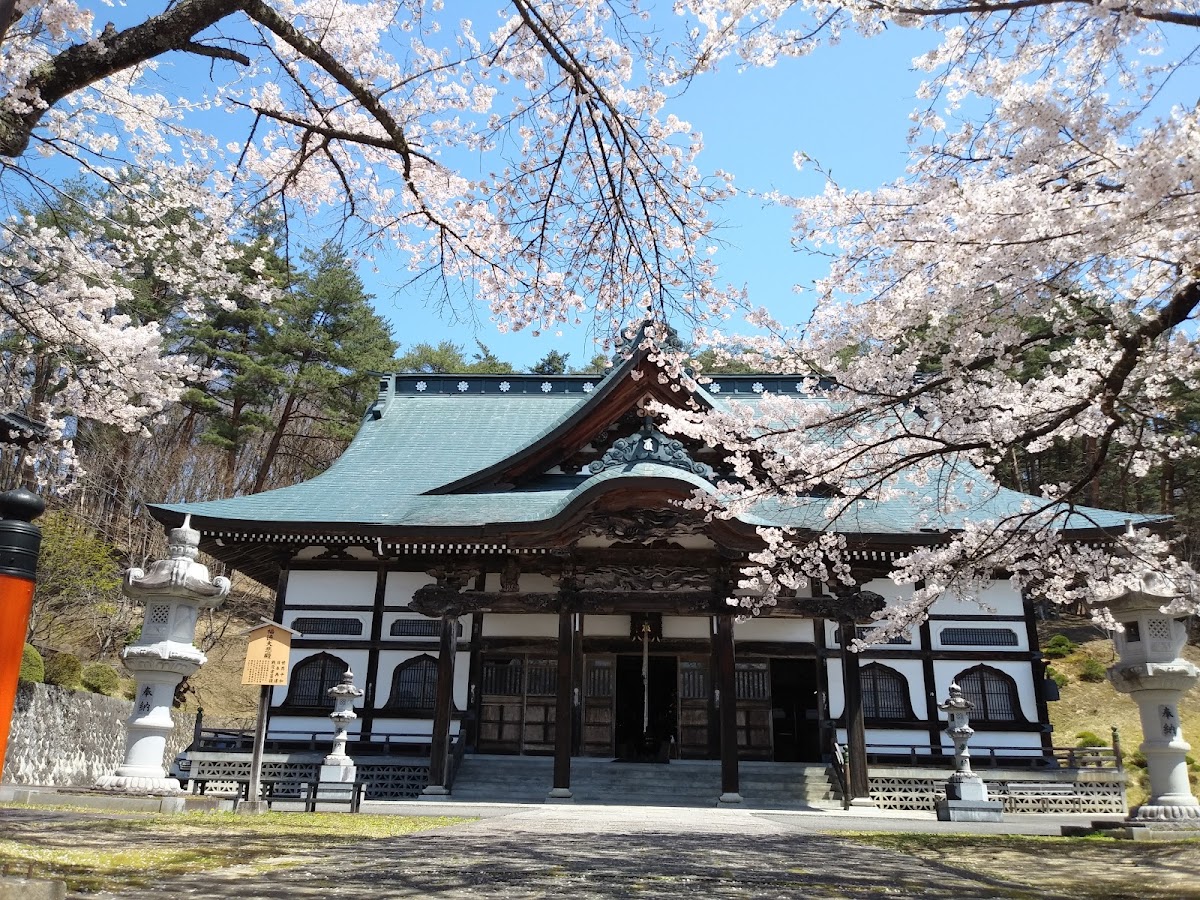
- Spring: Cherry blossom season and a beautiful time of fresh greenery.
- Autumn: Beautiful autumn foliage and mild weather.
- New Year’s: Special events such as Hatsumode (first shrine visit of the year) and the ringing of the temple bells on New Year’s Eve.
Since special events are held at each temple during certain times, it is recommended to check the information in advance.
Model Course for Visiting Fukusenji Temples
Visiting Fukusenji Temples in Kanagawa Prefecture
There are several Fukusenji temples in Kanagawa Prefecture, including those in Yugawara, Yokohama, and Miura. Model itinerary for visiting multiple temples in one day:
Morning: Visit Fukusenji Temple in Midori Ward, Yokohama City
Lunch: Lunch in Yokohama Chinatown
Afternoon: Visit Fukusenji Temple (Kubidaibutsu) in Yugawara
Evening: Day trip to Yugawara Onsen (hot springs)
Temple Tour in the Tohoku Region
Sightseeing plan centered around Fukusenji Temple in Tono:
Morning: View the wooden Kannon statue at Fukusenji Temple
Lunch: Genghis Khan (lamb barbecue), a specialty of Tono
Afternoon: Visit Kappa-buchi, Denshoen, and Tono Furusato Village
Evening: Return to accommodation in Tono City
Cultural Properties and Sect Characteristics of Fukusenji Temple
Characteristics of Each Sect
Temples named Fukusenji belong to various sects:
- Shingon Sect: Yugawara, Tono, etc. Emphasizes the teachings of Esoteric Buddhism
- Soto Sect: Fuji City, etc. Zen Buddhism Centered on Zazen Practice
- Jodo-shu: Miura, Nishio, etc. Preaches attaining rebirth in paradise through chanting the Buddha’s name.
- Jodo Shinshu: Fukuyama, etc. Teaches reliance on the power of others.
- Tendai-shu: Tokyo, etc. A comprehensive Buddhist sect encompassing diverse teachings.
- Rinzai-shu: A Zen sect aiming for enlightenment through Zazen and koans.
Important Cultural Properties and Highlights
Each Fukusenji temple has its own unique cultural properties and highlights:
- Yugawara: A ceramic head Buddha statue approximately 300 years old (a one-of-a-kind object)
- Tono: A 17-meter-tall wooden statue of Kannon (one of the largest in Japan)
- Nishio: The grave of Shiro Ozaki (of literary historical value)
These cultural properties are carefully preserved and displayed as valuable legacies that tell the history and faith of each region.
Events and Annual Festivals at Fukusenji Temple
Main Annual Festivals
Each Fukusenji temple holds various annual festivals according to its sect:
- New Year: First shrine visit of the year, Shusho-e (New Year’s Day service)
- Spring: Spring equinox memorial service, Hana Matsuri (Buddha’s birthday)
- Summer: Obon memorial service, Segaki-e (feeding of hungry ghosts)
- Autumn: Autumn equinox memorial service
- Year-end: New Year’s Eve bell ringing
Special Events and Festivals
Some Fukusenji temples also hold modern events:
- Zen meditation sessions and sutra copying sessions
- Concerts (e.g., Fukusenji Temple in Fukuyama)
- Community exchange events
- Cultural lectures
Donations and Support for Fukusenji Temple
Maintaining a temple requires significant expenses. Ways to support Fukusenji Temple:
- Offering: An offering made during a visit
- Perpetual Memorial Service: A fee for perpetual memorial services for ancestors
- Donation: A donation for cultural property preservation and building repairs
- Parishioner: Supporting the temple as a parishioner
Summary: The Charm of Fukusenji Temple and Recommendations for Visiting
Fukusenji temples, scattered throughout Japan, are each fascinating temples with their own unique history and characteristics. Many house one-of-a-kind cultural treasures, such as the ceramic head Buddha in Yugawara and the giant wooden Kannon statue in Tono, making them well worth a visit.
Why not plan a fulfilling temple tour using the access information for each Fukusenji temple and information on surrounding tourist spots? You’re sure to find peace of mind in the tranquil temple grounds and have a valuable experience of encountering traditional Japanese culture.
From popular spots featured in articles and travel websites to quiet, locally rooted temples, visiting various Fukusenji temples will allow you to experience the diversity of Japanese Buddhism and the depth of each region’s culture. Please visit a Fukusenji temple near you, or one in your travel destination, and experience its unique atmosphere and history.