Complete Guide to Okubo-ji Temple | History, Highlights, and Access Information for the Final Temple of the Shikoku 88 Temple Pilgrimage
About Okubo-ji Temple
Okubo-ji Temple is a Shingon Buddhist temple located in Tawakanewari, Sanuki City, Kagawa Prefecture. Its official name is Iōzan Henjōkōin Okubo-ji. As the 88th temple of the Shikoku 88 Temple Pilgrimage, it is known as the final temple for pilgrims.
Located in a mountain hollow between Mount Nyotai (776m elevation) and Mount Yahazu (782m elevation), the temple’s principal image is Yakushi Nyorai (Medicine Buddha). The temple’s stamp bears the inscription “Kechigansho” (final temple of pilgrimage), and a certificate of completion (award certificate) can be obtained at the temple for a fee.
Nestled in a quiet mountainous area near the border with Tokushima Prefecture, this temple holds special significance for pilgrims completing the Shikoku Pilgrimage. It is enveloped in a tranquil and solemn atmosphere, so much so that it was selected as one of the “100 Soundscapes” by the Ministry of the Environment.
History and Origins of Okubo-ji Temple
Founding and Gyoki Bodhisattva
Okubo-ji Temple is believed to have been founded during the Yōrō era (717-724) or in 714. According to tradition, it was established by Gyoki Bodhisattva at the foot of Mt. Nagao Nyotai in the Maeyama district, in a place called Furokubo, to alleviate the suffering of the people.
Initially, Gyoki carved Yakushi Nyorai (Medicine Buddha) and the attendant bodhisattvas Nikko and Gekko, enshrining them as the principal image. This region has long been an object of mountain worship, and as the name Nyotai-san (Female Body Mountain) suggests, it had a deep connection to women’s faith.
Kobo Daishi’s Training and Renovation
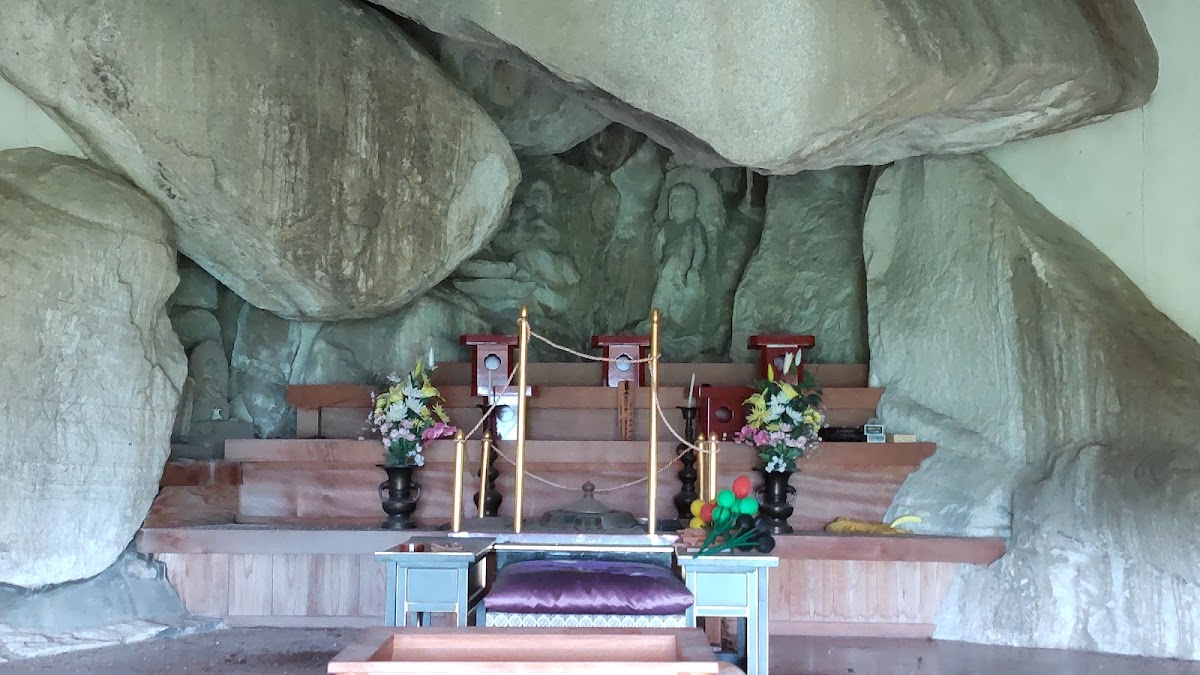
During the Konin era (810-824), Kobo Daishi Kukai visited this site and practiced asceticism in a cave. Legend says that when the master struck the ground with his staff, clear water gushed forth. This sacred water is still cherished by worshippers today as “Daishi’s Water.”
Kobo Daishi designated this temple as the final temple of the Shikoku 88 Temple Pilgrimage and expanded and renovated the temple grounds. It is said that at this time, the master himself carved a statue of Yakushi Nyorai (Medicine Buddha) and enshrined it as the principal image alongside a statue created by Gyoki.
History as a Women’s Koyasan
Okubo-ji Temple is also known as “Women’s Koyasan.” During the time when Mount Koya was off-limits to women, women practiced asceticism at Okubo-ji Temple. It was a particularly important place of worship for women in the Sangawa region.
This character as a “Women’s Koyasan” is deeply connected to the mountain’s name, Nyotai-san (Female Body Mountain), and the temple’s history of accepting female practitioners. During the Edo period, it flourished as a place where many female pilgrims visited and shared the joy of completing their pilgrimage.
From the Early Modern Period to the Present
During the Edo period, the Shikoku Pilgrimage became popular among common people, and Okubo-ji Temple was bustling with pilgrims as the final temple of the pilgrimage. Despite the impact of the anti-Buddhist movement of the Meiji era, it has continued to preserve its teachings, supported by the faith of the local people.
Even today, many pilgrims visit throughout the year, and as the final temple of the Shikoku 88 Temple Pilgrimage, it serves as a place to celebrate the completion of the pilgrimage.
Temple Grounds and Highlights
Main Hall
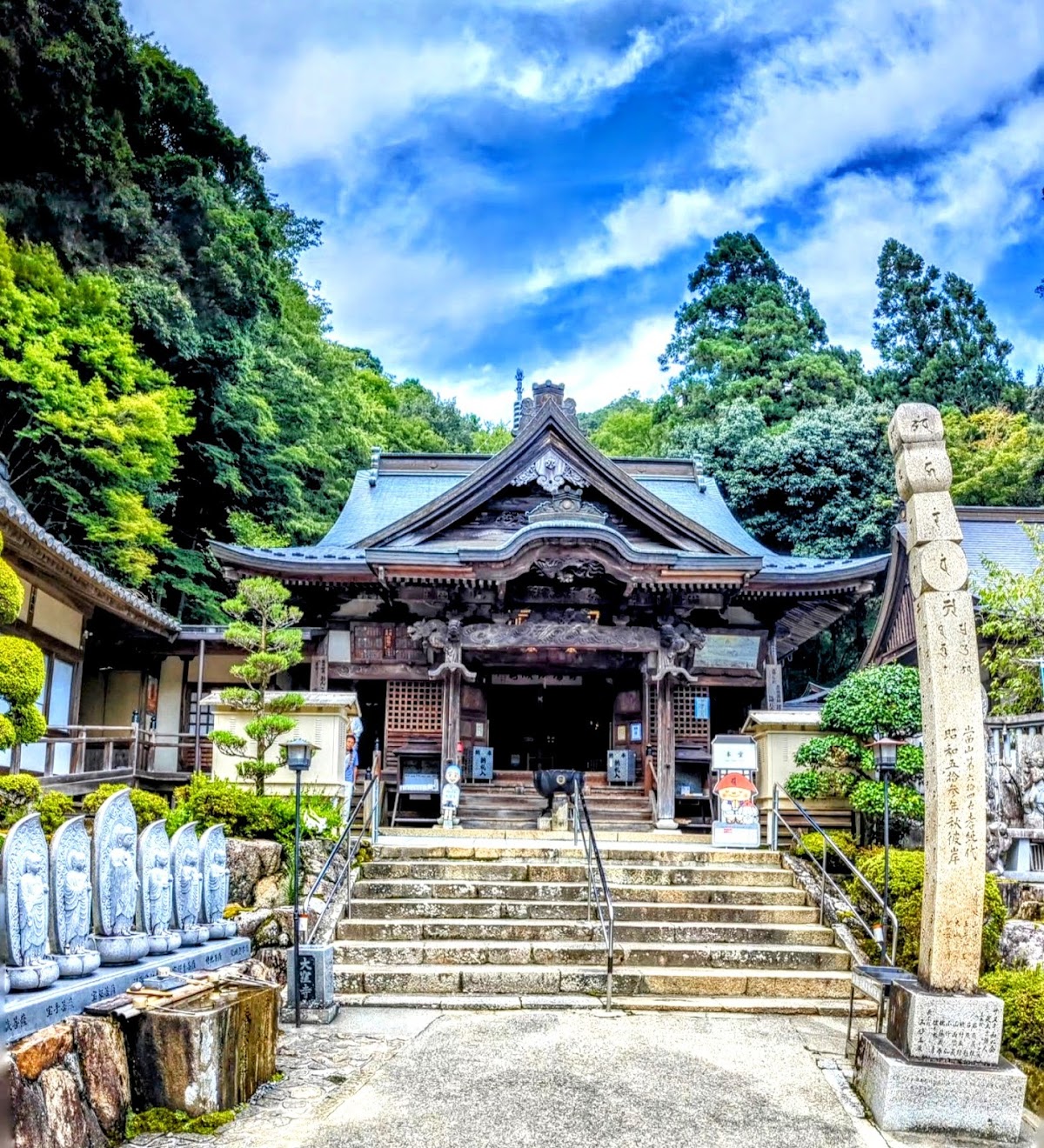
The main hall of Okubo-ji Temple is a magnificent building standing in a quiet mountain hollow. The principal image, Yakushi Nyorai (Medicine Buddha), is a hidden Buddha and is not usually open to the public. However, the sight of pilgrims chanting sutras in front of it is a unique scene at this temple.
In front of the main hall, numerous Kongo staffs donated by pilgrims who have completed their pilgrimage are leaning against the wall, testifying to the many people who have completed their pilgrimage here. A certificate of completion can be issued inside the main hall, serving as an official memento of completing the Shikoku pilgrimage.
Daishido Hall
Adjacent to the main hall is the Daishido Hall, dedicated to Kobo Daishi. After praying in the main hall, pilgrims also chant sutras in the Daishido Hall, offering their gratitude to the Daishi. A statue of Kobo Daishi is enshrined inside, creating a solemn space constantly filled with the scent of incense.
In the basement of the Daishido Hall is a place for “sand-treading,” where pilgrims can tread on precious sand collected from each of the 88 temples of Shikoku while paying their respects to the small principal images of each of the 88 temples. This facility was established for those who cannot actually make the pilgrimage, allowing them to experience a simulated pilgrimage of the 88 temples.
Nitenmon Gate
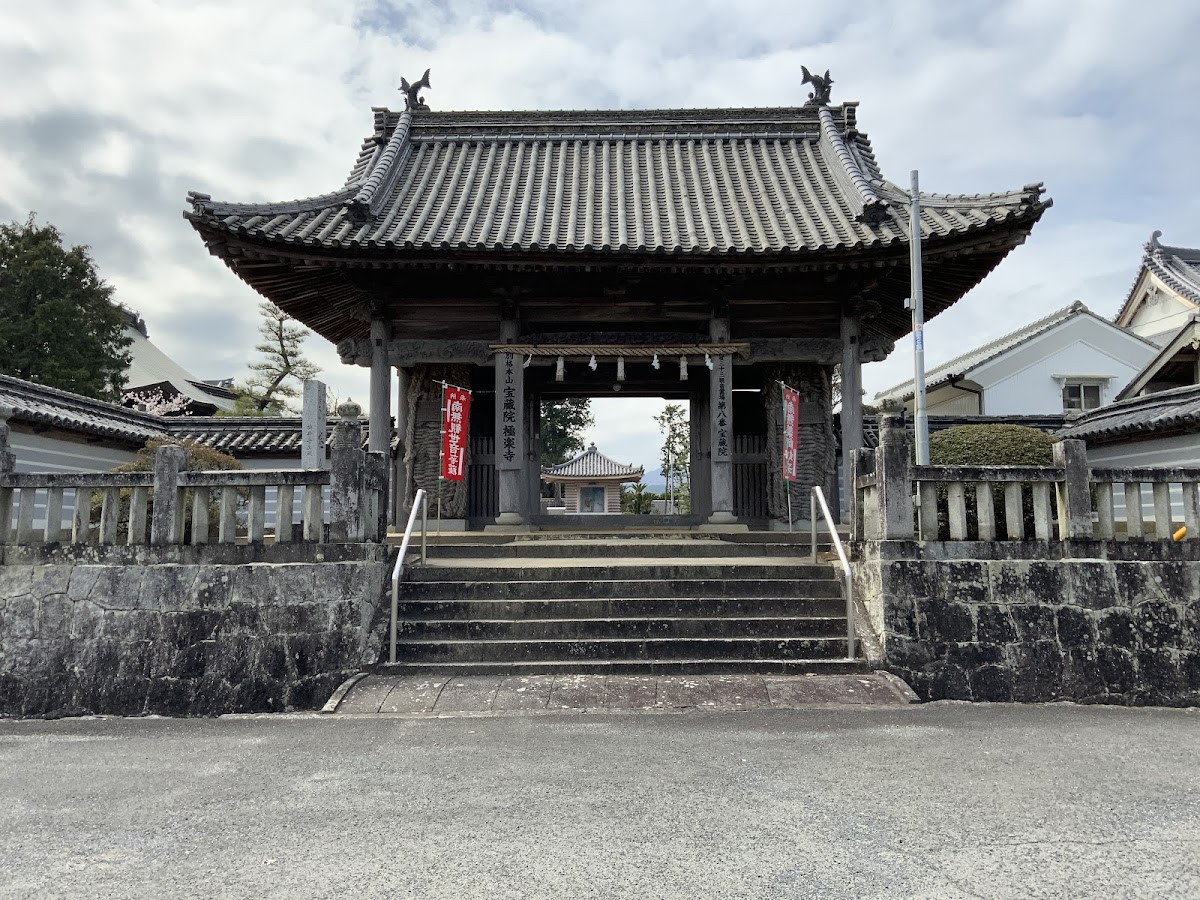
A magnificent Nitenmon Gate stands at the entrance to the temple grounds. This gate is an important structure that signifies the temple’s status, and Nio statues are enshrined on either side, welcoming visitors. Passing through the Nitenmon Gate, one is enveloped in a solemn atmosphere that suggests the presence of a sacred space.
Tahoto Pagoda
The double-story Tahoto Pagoda, leading to the main hall, is one of Okubo-ji Temple’s symbolic buildings. Its dignified presence in a quiet setting creates a beautiful landscape that harmonizes with the mountain scenery. This pagoda is a particularly popular spot for photography within the temple grounds.
Okunoin and Nyotai-san Mountain
Okubo-ji Temple’s Okunoin is located in the mountains of Nyotai-san Mountain, and remains a cave that was once used as a place of ascetic training. It is said to be a place where Kobo Daishi (Kukai) practiced asceticism, and it remains an object of worship today. The path to the inner sanctuary is a mountain trail, and those confident in their physical fitness can attempt the climb.
The area around Mount Nyotai is rich in nature, offering beautiful scenery throughout the seasons. Especially during the autumn foliage season, the entire mountain is vividly colored, captivating visitors.
Cultural Properties and Treasures
Okubo-ji Temple houses numerous valuable cultural properties. From the principal image of Yakushi Nyorai (Medicine Buddha) to Buddhist statues said to be the work of Gyoki, and items associated with Kobo Daishi, treasures of high historical value are preserved.
Particularly noteworthy are the numerous votive tablets and offerings dedicated from the Edo period to the present day. These are valuable historical materials that tell the story of the Shikoku Pilgrimage and convey the depth of people’s faith.
Among the temple’s treasures are calligraphy and paintings written by successive chief priests, as well as records left by famous pilgrims, making them important resources for the study of Shikoku Pilgrimage culture.
Significance as the Final Temple
There is profound significance in Okubo-ji Temple being the 88th temple on the Shikoku Pilgrimage, thus marking the final stage of the pilgrimage. The Shikoku Pilgrimage is a long journey spanning approximately 1,400 kilometers, and for pilgrims who have overcome numerous difficulties to reach this point, Okubo-ji Temple holds a special place of profound emotion.
The Final Ceremony
Upon reaching the final stage of the pilgrimage, pilgrims recite sutras in the main hall and receive the final stamp in their pilgrimage notebook. Afterward, they receive a certificate of completion, officially acknowledging their completion of the Shikoku 88 Temple Pilgrimage.
Many pilgrims are said to be overcome with emotion and shed tears at this moment. The sense of accomplishment from walking the long journey, the various encounters and farewells, the time spent reflecting on oneself—all of these are condensed into the moment of completion.
Dedication of the Pilgrim’s Staff
There is a custom of dedicating the pilgrim’s staff, which accompanied them on their pilgrimage, to Okubo-ji Temple. The Kongo staff is considered an embodiment of Kobo Daishi, a protector and guide for pilgrims. After completing the pilgrimage, returning the staff to the temple expresses gratitude for a safe journey and gratitude to the Daishi.
Countless Kongo staffs are dedicated around the main hall, each bearing the name and date of the pilgrim’s completion. These staffs are witnesses to the history of countless people who have completed the pilgrimage.
Returning the Pilgrimage
In the Shikoku Pilgrimage, it is considered proper etiquette to return to the first temple, Ryozenji, after completing the pilgrimage at the 88th temple. This signifies that the pilgrimage is not over, but that faith should be continued even after returning to daily life.
The distance from Okuboji to Ryozenji is approximately 80 kilometers. While many pilgrims travel by car or bus, some walk back. This return journey is considered to complete the cycle of the Shikoku Pilgrimage.
Annual Events and Festivals
Okubo-ji Temple holds various events throughout the year.
First Three Days of the New Year
The temple is bustling with worshippers making their first visit of the year. As the temple of completion for the pilgrimage, visiting at the start of the new year is considered auspicious, and many local residents and pilgrims visit.
Spring and Autumn Grand Festivals
Grand festivals are held in spring and autumn, where prayers are offered to the principal image, Yakushi Nyorai (Medicine Buddha), for a bountiful harvest and good health. Many local residents participate in these festivals, and traditional ceremonies are performed solemnly.
Kobo Daishi Memorial Service
A memorial service for Kobo Daishi is held on the 21st of every month. The Spring Daishi Service on March 21st is particularly grand, attracting many devotees.
New Year’s Eve Bell
On New Year’s Eve, the New Year’s Eve bell is rung, marking the end of the year and the beginning of the new year. The sound of the bell, said to dispel the 108 worldly desires, resonates through the quiet mountains, creating a solemn atmosphere.
Nearby Attractions and Culture
Maeyama Ohenro Exchange Salon
Near Okubo-ji Temple is the “Maeyama Ohenro Exchange Salon,” a facility where pilgrims and tourists can rest. Here, local specialties are sold, information about the pilgrimage is provided, and it serves as a place for interaction with local people.
Tengu Legend
Many legends about tengu (mythical mountain spirits) remain in the Nyotai-san area. Tengu worship, intertwined with mountain worship, is an important element of the local folk culture and is still passed down among the local people.
Culture of the Tawa District
The Tawa district, where Okubo-ji Temple is located, has long been deeply connected to pilgrimage culture. Along the pilgrimage route, “pilgrimage stones” and signposts remain, conveying the atmosphere of past pilgrimages.
In the region, the culture of hospitality towards pilgrims is still deeply rooted, and the warm spirit of welcoming pilgrims has been passed down through generations. This is one of the important characteristics of Shikoku pilgrimage culture.
Access Information
Access by Car
From Takamatsu:
- Approximately 40 minutes from Shido IC on the Takamatsu Expressway
- Via National Route 377 to Prefectural Route 3
From Tokushima:
- Approximately 50 minutes from Wakimachi IC on the Tokushima Expressway
- Via National Route 193
Parking:
There is a free parking lot in front of the temple with a capacity of approximately 50 cars. There is also parking space on the east side, making it relatively easy to park even during peak seasons. However, it can get crowded during long holidays and the autumn foliage season, so early arrival is recommended.
Access by Public Transportation
Train and Bus:
- Approximately 40 minutes by taxi from JR Kotoku Line “Shido Station” or “Zoda Station”
- Approximately 30 minutes by taxi from JR Kotoku Line “Nagao Station”
- Community buses also operate, but the number of services is limited, so it is necessary to check the timetable in advance.
Important Note:
Public transportation is infrequent, so plan accordingly. If using a taxi, be sure to arrange a return taxi as well.
Access by Walking Pilgrimage
The distance from Nagao-ji Temple (Temple No. 87) to Okubo-ji Temple is approximately 17 kilometers. It is a relatively challenging course, including mountain trails, and takes about 5-6 hours.
Along the way, there is a historical pilgrimage route called the “Nyotai-san Pilgrimage Route,” where you can walk through a rich natural environment. However, there is a difference in elevation and physical stamina is required, so sufficient preparation and equipment are necessary.
Etiquette and Guidelines for Visiting the Temple
Basic Etiquette for Visiting the Temple
- Bow at the Nitenmon Gate: Bow before entering the temple grounds.
- Purify at the Water Basin: Cleanse your hands and mouth.
- Worship at the Main Hall: Chant sutras and offer prayers to the principal image, Yakushi Nyorai (Medicine Buddha).
- Worship at the Daishi Hall: Offer your gratitude to Kobo Daishi (Kukai).
- Receive a Stamp at the Sutra Office: Receive a red stamp in your pilgrimage book.
Guidelines for Completing the Pilgrimage
Upon completing the pilgrimage, it is important to reflect on the journey so far and express gratitude to all the people you have met and everything that has supported you. The Shikoku Pilgrimage is not an end, but a new beginning.
Even after completing the pilgrimage, continuing to grow as a person by utilizing the insights and lessons gained during the pilgrimage in your daily life is considered the true meaning of the pilgrimage.
Visiting Information
Address: 96 Tawakanewari, Sanuki City, Kagawa Prefecture 769-2306
Phone Number: 0879-56-2278
Visiting Hours: 7:00 AM – 5:00 PM (Reception hours for the temple office)
Admission Fee: Free entry to the grounds (Separate fee required for the sand-treading ritual)
Sect: Shingon-shu Daikakuji-ha
Principal Image: Yakushi Nyorai (Medicine Buddha)
Founder: Gyoki Bodhisattva
Mantra: Om Korokoro Sendari Matougi Sowaka
Waka Poem: Namu Yakushi, praying for freedom from all illness, those who visit Okubo Temple
Nearby Accommodations
There are several guesthouses and inns around Okubo-ji Temple, warmly welcoming pilgrims. You can relax and recover after completing your pilgrimage. Furthermore, there are many hotels and inns scattered throughout Sanuki City and the Nagao area, offering a wide range of choices.
Many accommodations offer plans specifically for pilgrims, providing meticulous services such as storage and drying of pilgrimage supplies and arrangements for transportation the following day.
Points to Note When Visiting Okubo-ji Temple
Clothing and Equipment
Because it is located in a mountainous area, temperatures are lower than in the lowlands. It gets particularly cold in winter and in the early mornings and evenings, so warm clothing is necessary. For those walking the pilgrimage, sturdy hiking boots and rain gear are essential.
Weather
Mountain weather is unpredictable, and sudden rain showers are possible. It is recommended to check the weather forecast and carry rain gear.
Opening Hours
The reception hours for the temple office are until 5:00 PM, but in winter, sunset is early, so it is important to plan your visit with plenty of time to spare.
Manners
The temple grounds are a sacred place. Please refrain from loud conversations and cell phone use, and pray quietly. Photography is permitted, but please follow the signs as there are areas where photography is prohibited, such as inside the main hall.
Summary
Okubo-ji Temple is a venerable temple with a history of over 1300 years, serving as the final temple of the Shikoku 88 Temple Pilgrimage. Founded by Gyoki Bodhisattva, renovated by Kobo Daishi, and serving as a women’s Koyasan, it preserves a rich history and culture.
As the temple of completion, this place holds special significance for many pilgrims, symbolizing both the end of the pilgrimage and the beginning of a new life. The temple buildings, including the main hall, pagoda, and Nitenmon gate, nestled in the quiet mountains, offer visitors deep emotion and peace.
Whether you are aspiring to the Shikoku pilgrimage, already on the pilgrimage, or returning after completing it, Okubo-ji Temple always warmly welcomes you. We hope this article will be helpful to those visiting Okubo-ji Temple.
We recommend that you visit these sacred sites in a peaceful state of mind, while feeling the spirit of the pilgrimage culture preserved and passed down by the Shikoku 88 Temple Pilgrimage Association. Please spend your time at these sacred sites with a heart filled with the joy and gratitude of completing the pilgrimage.