Enmei-ji Temple (Kamakura City, Kanagawa Prefecture) Complete Guide | History, Goshuin (Temple Seal), and the Legend of the Substitute Jizo
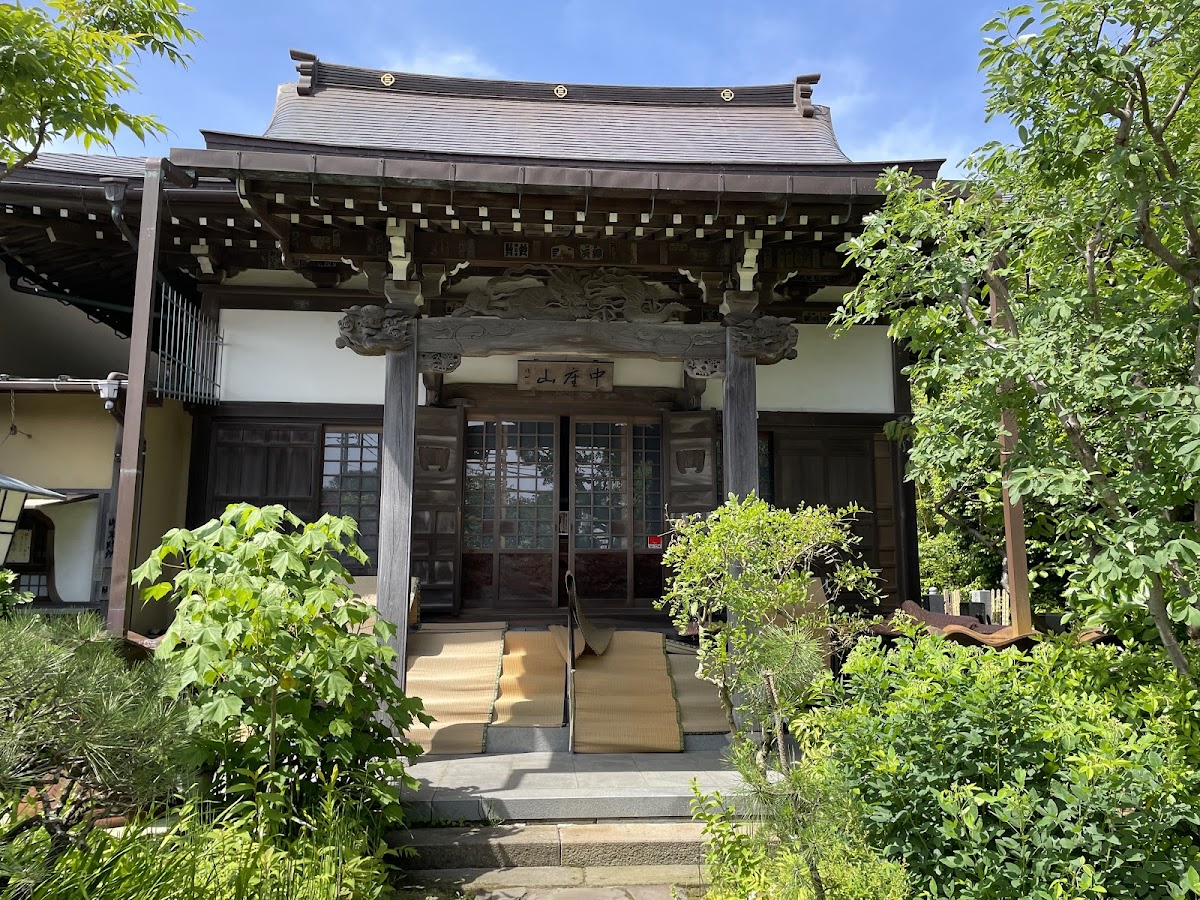
Enmei-ji Temple, located in Zaimokuza, Kamakura City, Kanagawa Prefecture, is a Jodo sect temple with deep ties to the history of the Kamakura period. Despite its convenient location just a 4-6 minute walk from Kamakura Station, it maintains a tranquil atmosphere, far removed from the hustle and bustle of tourist crowds. This article comprehensively introduces information you should know before visiting Enmei-ji Temple, including its history, highlights, access methods, and goshuin (temple seal) information.
Basic Information about Enmei-ji Temple
Enmei-ji Temple is a Jodo sect temple located at 1-1-3 Zaimokuza, Kamakura City, Kanagawa Prefecture, and its mountain name is Kimyozan.
Basic Data
- Official Name: Kimyozan Enmei-ji Temple
- Sect: Jodo-shu (Pure Land Buddhism)
- Principal Image: Seated Amida Buddha Statue
- Founder: Senrensha Shoyo Noko Shonin
- Founder: Lady of Hojo Tokiyori (tradition)
- Year of Founding: Believed to be mid-13th century (Kamakura period)
- Pilgrimage Site: 11th of the Kamakura Thirty-Three Kannon Pilgrimage Sites
- Address: 1-1-3 Zaimokuza, Kamakura City, Kanagawa Prefecture 248-0013
While there are 236 temples named Enmei-ji throughout Japan, the Enmei-ji Temple in Kamakura City is known for its unique historical value, including its deep connection to the Hojo clan, the legend of the substitute Jizo statue, and its ties to the Ako Forty-Seven Ronin.
History and Origin of Enmei-ji Temple
Founded by the Wife of Hojo Tokiyori
Enmei-ji Temple is said to have been founded by the wife of Hojo Tokiyori (1227-1263), the 5th regent of the Kamakura Shogunate. Hojo Tokiyori was a key figure who implemented political reforms as regent and solidified the foundation of the Kamakura Shogunate. His wife, who converted to Buddhism, is said to have built Enmei-ji Temple with the wish for the longevity and peace of the people.
While there are no definitive records of the exact founding date, it is believed to have been in the mid-13th century, during the mid-Kamakura period, when Hojo Tokiyori was active. Kamakura at that time was a center of samurai rule, and many temples were built during this period.
The Significance of the Location in Zaimokuza
Zaimokuza, where Enmei-ji Temple is located, was a thriving area during the Kamakura period as a center for timber collection. Located near the southern end of Wakamiya-oji Street and close to the sea, this area played a crucial role as a distribution hub for goods. Enmei-ji Temple, built within this area of common people’s life, functioned as a place of worship deeply rooted in the community.
Even today, many temples are scattered throughout Zaimokuza, preserving its historical atmosphere. Among them, Enmei-ji Temple stands out for its combination of prestige, stemming from its connection to the Hojo clan, and its approachable, down-to-earth nature.
Highlights and Cultural Assets of Enmei-ji Temple
Main Hall and Principal Image
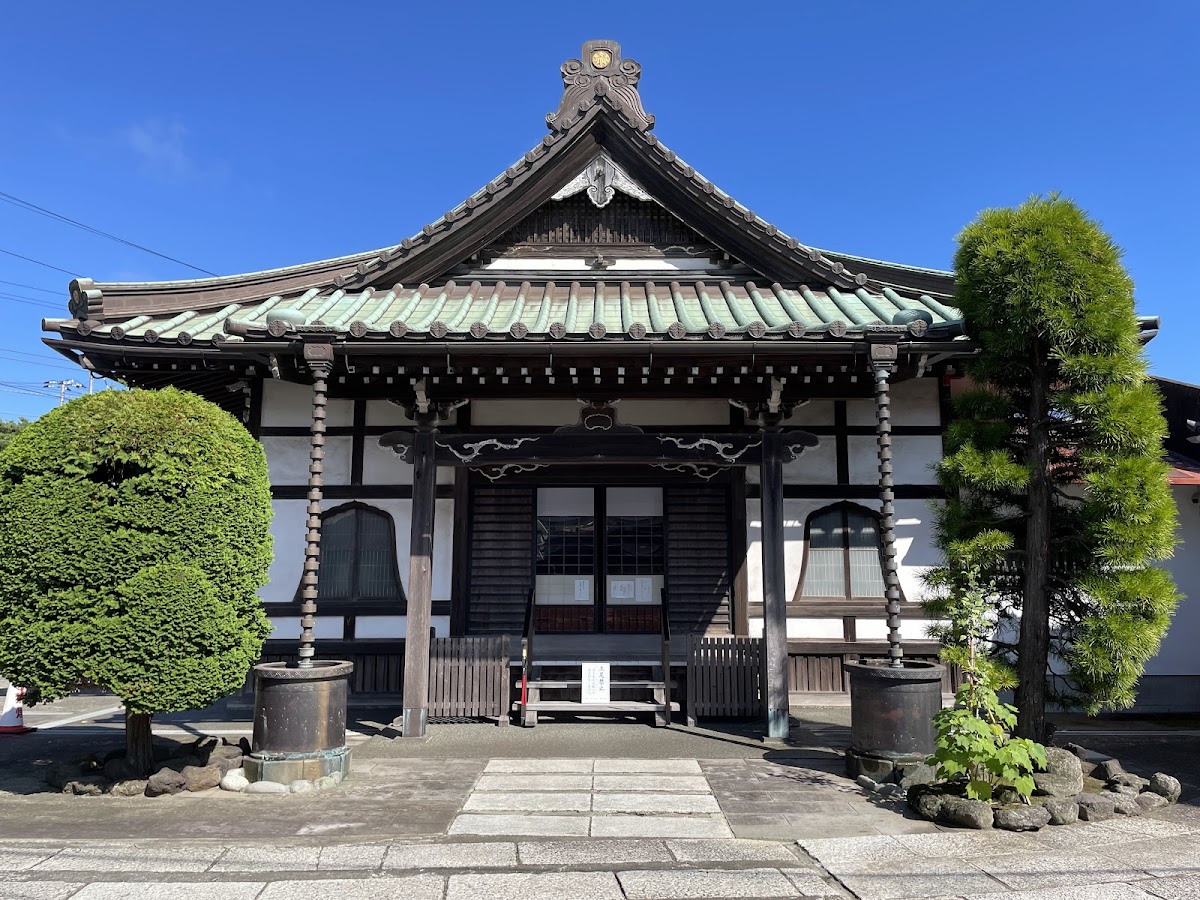
In the main hall of Enmei-ji Temple, the principal image, a seated statue of Amida Buddha, is enshrined in the center. As a Jodo sect temple, it serves as a place for Nembutsu practice centered on the faith in Amida Buddha.
The layout inside the main hall is as follows:
- Right side: Amida Triad and Two Great Masters
- Center: Seated Amida Buddha and Standing Kannon Bodhisattva
- Left side: Substitute Jizo Bodhisattva
The standing Kannon Bodhisattva, enshrined in the center, is revered as the principal image of the 11th temple of the Kamakura Thirty-Three Kannon Pilgrimage.
The Legend of the Substitute Jizo
The most famous Buddha statue at Enmei-ji Temple is the Jizo Bodhisattva statue known as the “Substitute Jizo.” A heartwarming legend surrounds this Jizo.
It is said that when Lady Hojo Tokiyori was playing a board game and was about to lose, this Jizo Bodhisattva took her place and brought her victory. From this anecdote, the statue became known as the “Substitute Jizo” and has been worshipped as a being that takes on people’s suffering.
Even today, many worshippers visit this Substitute Jizo to offer their prayers. Many prayers are offered here, from those in difficult situations to those seeking recovery from illness and those praying for the safety of their families.
The Story of the Tanuki Mound
Enmei-ji Temple also has another heartwarming legend: the grave of a tanuki (raccoon dog) that befriended the head priest. This story of the tanuki mound is passed down as a fine example of how Buddhist compassion extends not only to humans but also to animals.
The retention of these folk religious elements is evidence of Enmei-ji Temple’s deep roots in the community and its enduring popularity.
Connection to the Ako Forty-Seven Ronin
The Son of Okajima Yasoemon and Enmei-ji Temple
Enmei-ji Temple has an unexpected historical connection. It is said that the son of Okajima Yasoemon (also known as Okano Kin’emon), one of the forty-seven ronin of Ako, known from “Chushingura,” became a monk and served as the head priest of Enmei-ji Temple.
The Ako Incident took place on December 14, 1702 (Genroku 15). The forty-seven samurai, who avenged their lord Asano Takumi-no-kami by killing Kira Yoshinaka, were subsequently ordered to commit seppuku (ritual suicide). Their families scattered throughout the country, and it is said that one of them formed a connection with Enmei-ji Temple.
Temple Treasures Related to Chushingura
Due to this connection, Enmei-ji Temple is said to possess temple treasures related to Chushingura. While some specific details are not publicly disclosed, these treasures are valuable historical materials that connect Edo period history with a temple in Kamakura.
The connection with the Ako Incident demonstrates that Enmei-ji Temple is not merely a local temple, but a place connected to an important event in Japanese history.
11th Temple of the Kamakura Thirty-Three Kannon Pilgrimage
What is the Kamakura Thirty-Three Kannon Pilgrimage?
The Kamakura Thirty-Three Kannon Pilgrimage is a pilgrimage route that visits 33 Kannon temples scattered throughout Kamakura City. Along with the Saigoku Thirty-Three Kannon Pilgrimage and the Bando Thirty-Three Kannon Pilgrimage, it is a popular pilgrimage site for Kannon worshippers, attracting many visitors.
Enmei-ji Temple is the 11th temple on this pilgrimage, housing a standing statue of the Holy Kannon Bodhisattva. This Kannon statue is enshrined in the center of the main hall alongside an Amida Buddha statue and is revered as a being that hears and grants the wishes of worshippers.
Significance of the Pilgrimage
Visiting the Kamakura Thirty-Three Kannon Pilgrimage is a journey to experience the history and culture of Kamakura while encountering the compassion of Kannon Bodhisattva. Enmei-ji Temple is close to Kamakura Station and has good access to other temples, making it a suitable base for the pilgrimage.
As the 11th temple on the pilgrimage route, it marks a point close to the halfway point for pilgrims. It’s an ideal place to calm the mind in its tranquil grounds and prepare for the next temple.
Goshuin (Temple Seal) Information
Goshuin Available at Enmei-ji Temple
Enmei-ji Temple offers goshuin. The main goshuin available are as follows:
- Goshuin of the Holy Kannon: A goshuin commemorating the 11th temple of the Kamakura Thirty-Three Kannon Pilgrimage
- Goshuin of Enmei-ji Temple: A standard temple goshuin
Many people seek goshuin as proof of their visit and as a memento of their journey. Each carefully inscribed goshuin is a handwritten work of art.
Manners for Receiving a Goshuin (Temple Stamp)
When receiving a Goshuin, please observe the following manners:
- First, complete your prayers at the main hall before requesting a Goshuin.
- Prepare your Goshuincho (stamp book) and show the open page.
- Prepare the offering fee (generally around 300 yen).
- Do not insist if the head priest or temple staff are absent.
- Request quietly and using polite language.
Receiving a Goshuin is not merely a stamp rally; it is an important act of forging a connection with Buddha. Please receive it with respect.
How to Access Enmei-ji Temple
Access by Train
Enmei-ji Temple is very close to Kamakura Station and easily accessible.
From JR Yokosuka Line/Enoshima Electric Railway “Kamakura Station”
- Approximately 4-6 minutes on foot from the East Exit
- Distance: Approximately 479m
Detailed Directions
- Exit Kamakura Station East Exit
- Head south along Wakamiya-oji Street (opposite direction from Tsurugaoka Hachimangu Shrine)
- Turn left just past the Shimouma intersection
- The entrance to Enmei-ji Temple is located in a residential area.
It’s not directly on Wakamiya-oji Street, but on a side street, so you need to look carefully. If you get lost, it’s best to ask a local for directions to “Enmei-ji Temple in Zaimokuza.”
Access by Car and Parking
Enmei-ji Temple may not have its own dedicated visitor parking lot. Therefore, if you are visiting by car, please note the following:
- Use coin-operated parking lots around Kamakura Station.
- Use parking lots near Zaimokuza Beach and walk to the temple.
- Kamakura city has narrow roads and gets congested during peak tourist season; therefore, using public transportation is recommended.
Parking is limited in Kamakura City due to the preservation of its historical landscape. Considering environmental factors, visiting by train or bus is preferable.
Combining with Nearby Temples and Shrines
Enmei-ji Temple is surrounded by many historical temples and shrines, allowing you to visit several notable sites within walking distance:
- Komyo-ji Temple: A large temple in Zaimokuza (approx. 10-minute walk)
- Kuhon-ji Temple: A temple associated with Nitta Yoshisada (approx. 8-minute walk)
- Tsurugaoka Hachimangu Shrine: A representative shrine of Kamakura (approx. 15-minute walk)
- Honkaku-ji Temple: A Nichiren Buddhist temple near Kamakura Station (approx. 5-minute walk)
The Zaimokuza area is relatively less crowded with tourists, making it an attractive place for a peaceful temple and shrine visit.
Points to Note and How to Enjoy Your Visit
A Pilgrimage Experience in Tranquility
Compared to famous tourist temples, Enmei-ji Temple has fewer visitors, offering a quiet and peaceful pilgrimage experience. The time spent quietly contemplating the Buddha, away from the hustle and bustle, will be a valuable experience for modern people.
When visiting the main hall, offer your prayers to Amida Buddha, Kannon Bodhisattva, and the Jizo Bodhisattva, expressing your gratitude and wishes.
Seasonal Expressions
Kamakura’s temples display different expressions with each season. Enmei-ji Temple is no exception:
- Spring: Flowers blooming in the temple grounds and fresh greenery
- Summer: Near Zaimokuza Beach, the sea breeze is pleasant
- Autumn: Autumn leaves and a tranquil atmosphere
- Winter: Worship in a serene silence
Visiting on a weekday outside of the tourist season will allow for a quieter and deeper worship experience.
Regarding Photography
When taking photographs at the temple, please observe the following etiquette:
- Permission may be required to photograph inside the main hall; please check beforehand.
- Please be considerate of other visitors.
- Do not use flash photography directly on Buddha statues.
- When posting on social media, please be mindful of location information and details.
Annual Events at Enmei-ji Temple
Enmei-ji Temple, a Jodo sect temple, holds various memorial services and events throughout the year. Typical events at Jodo sect temples include:
- January: Shusho-e (New Year’s memorial service)
- Spring and Autumn Equinox: Higan-e memorial service
- August: Obon memorial service, Segaki service
- December: New Year’s Eve bell ringing
For specific dates and whether general participation is permitted, we recommend contacting the temple in advance.
About Enmei-ji Temple and its Cemetery
Enmei-ji Temple also has a temple cemetery and accepts the purchase of burial plots and interment of ashes. Due to its location within Kamakura City and its historical significance, it is a popular choice for those seeking a place for perpetual memorial services.
Information Regarding the Burial Site
- Sect: Jodo-shu (Please confirm whether there are any restrictions based on sect)
- Location: Conveniently located within walking distance of Kamakura Station
- Acceptance of Reburial Due to Grave Closure: Possible (Please confirm details with the temple)
If you are considering purchasing a burial plot or interring remains, it is necessary to contact the temple directly to confirm detailed conditions, costs, and availability.
The Position of Enmei-ji Temple in Kamakura City’s Temple Culture
Characteristics of Temples in Kamakura
Kamakura City has over 100 temples of varying sizes, each with its own unique history and characteristics. From large temples represented by the Kamakura Five Mountains to community-oriented temples like Enmei-ji Temple, a diverse temple culture coexists.
While Enmei-ji Temple is not large in scale, it holds an important position as a temple with unique historical value, due to its connections with the Hojo clan, the worship of the substitute Jizo statue, and its ties to the Ako Forty-Seven Ronin.
Temples in the Zaimokuza Area
The Zaimokuza area is home to many historical temples, including Komyoji Temple, Kuhonji Temple, and Jissoji Temple. These temples, as places of worship dating back to the Kamakura period, continue to convey the history and culture of the region.
Enmei-ji Temple plays a part in this Zaimokuza temple cluster, fulfilling a role rooted in faith and daily life, distinct from that of a tourist temple.
Notes and Manners for Visitors
Basic Visiting Manners
- Attire: Modest, understated clothing is preferred.
- Behavior: Be quiet and considerate of other visitors.
- Mobile Phones: Put your phone on silent mode and refrain from making calls.
- Eating and Drinking: Eating and drinking are generally discouraged on the temple grounds.
- Pets Allowed: Please check in advance.
Visiting Hours and Admission Fee
Official information regarding specific visiting hours and admission fees for Enmei-ji Temple is limited. Generally:
- Visiting Hours: Daytime (approximately 9:00 AM to 4:00 PM)
- Admission Fee: Entry to the temple grounds is likely free.
- Goshuin (Temple Stamp) Reception Hours: When the head priest is present (prior confirmation recommended).
It is recommended to check by phone before visiting or to visit with ample time.
Tourist Spots Around Enmei-ji Temple
Zaimokuza Beach
Located about a 10-minute walk from Enmei-ji Temple, Zaimokuza Beach is one of Kamakura’s most representative beaches. It’s a bustling swimming spot in the summer, and even in other seasons, it’s lively with people enjoying walks and surfing.
Combining temple visits with a stroll along the beach allows you to experience the diverse charms of Kamakura.
Kamakura’s Food Culture
There are many restaurants and cafes around Kamakura Station and Komachi Street. Before or after visiting Enmei-ji Temple, we recommend enjoying Kamakura’s unique culinary experiences, such as dishes made with Kamakura vegetables, Shonan shirasu (whitebait) rice bowls, or spending time at a traditional house cafe.
The Zaimokuza area also has local eateries and cafes, allowing you to experience the everyday life of Kamakura, different from the tourist areas.
Summary: The Charm of Enmei-ji Temple
Enmei-ji Temple, located in Zaimokuza, Kamakura City, Kanagawa Prefecture, boasts a dignified history, having been founded by the wife of Hojo Tokiyori. Yet, it also incorporates elements of accessible folk belief, such as the legend of the substitute Jizo statue and the story of the tanuki mound.
As the 11th temple on the Kamakura Thirty-Three Kannon Pilgrimage, it welcomes pilgrims and has an unexpected connection to the Ako Forty-Seven Ronin, embodying the multifaceted history of Kamakura.
Despite its convenient location just a few minutes’ walk from Kamakura Station, it remains relatively uncrowded, maintaining a peaceful environment for worship. Enmei-ji Temple is a place worth visiting, offering a glimpse into the profound charm of Kamakura that cannot be experienced simply by visiting famous temples.
When you visit Kamakura, be sure to stop by Enmei-ji Temple, pay your respects to the substitute Jizo statue, and spend some time in its tranquil grounds to find peace of mind. In a space where history and faith breathe life into, you might find something that is essential for us living in the modern age.