
Complete Guide to Hokaiji Temple | History and Highlights of the Tendai Sect Temple on the Site of the Hojo Regent’s Residence, Known as the Temple of Bush Clover
Hokaiji Temple, located in Komachi, Kamakura City, is an ancient Tendai sect temple widely known as the “Temple of Bush Clover.” Built on the site of the Hojo Regent’s residence, the heart of the Kamakura Shogunate, it is a historically significant temple founded by imperial decree of Emperor Go-Daigo to mourn the spirits of the Hojo clan. This article comprehensively introduces everything you need to know before visiting Hokaiji Temple, from its history and highlights to seasonal flowers and access information.
History and Origin of Hokaiji Temple
A Temple of Remembrance Built on the Site of the Hojo Regent’s Residence
The land on which Hokaiji Temple stands is said to have been the site of the residences of successive Hojo Tokuso family members (the main lineage of the Hojo clan) since Hojo Yoshitoki, the third regent of the Kamakura Shogunate. As the political center of the Kamakura Shogunate, this location symbolized the power of the Hojo clan for approximately 100 years.
In 1333 (Genko 3), the Kamakura Shogunate was destroyed by Nitta Yoshisada’s attack on Kamakura. The Hojo clan, including the last regent Hojo Takatoki, committed suicide at Toshōji Temple (near the present-day Harakiri Yagura), marking the end of the Hojo clan. To mourn the spirits of the Hojo clan who met this tragic end, in 1335 (Kenmu 2), Emperor Go-Daigo ordered Ashikaga Takauji to construct Hōkaiji Temple on this site, the former residence of Hojo Takatoki.
Formal Name of Kinryūzan Shakuman-in Endon Hōkaiji Temple
The formal name of Hōkaiji Temple is “Kinryūzan Shakuman-in Endon Hōkaiji Temple.” The temple’s mountain name, “Kinryuzan,” is derived from the golden dragon, the temple’s guardian deity. As a Tendai sect temple, it also served as a training ground for cultivating nationally renowned talent.
Even after the failure of the Kenmu Restoration, Hokaiji Temple continued to receive the patronage of the Ashikaga clan and developed into an important center of Tendai Buddhism in Kamakura. During the Edo period, it also received the patronage of the Tokugawa family, and to this day, it remains one of Kamakura’s most representative temples.
Highlights of Hokaiji Temple
Principal Image: Seated Jizo Bodhisattva Statue for Child-Rearing (Important Cultural Property)
The principal image of Hokaiji Temple is a seated statue of Jizo Bodhisattva, designated as a National Important Cultural Property. This Jizo Bodhisattva has long been revered as the “Jizo for Child-Rearing,” and worshippers constantly visit to pray for the healthy growth and academic success of their children.
It is considered the first of the 24 Jizo pilgrimage sites in Kamakura and is a central figure in Jizo worship in Kamakura. This imposing seated statue, approximately 2 meters tall, is characterized by its gentle and compassionate expression. It can be viewed inside the main hall, and many visitors are deeply moved by its majestic presence.
Juntei Kannon and the Kamakura Thirty-Three Kannon Pilgrimage
Hokaiji Temple is the second temple on the Kamakura Thirty-Three Kannon Pilgrimage. Notably, it is the only temple among the Kamakura Thirty-Three Kannon Pilgrimage that enshrines Juntei Kannon.
Juntei Kannon is a Kannon Bodhisattva with eighteen arms, believed to have the power to grant any wish. It is particularly revered as a guardian deity for women, and is believed to bring blessings for safe childbirth, successful child-rearing, and finding a good partner.
Bishamonten and the Kamakura Enoshima Seven Lucky Gods
To the left of the main hall, Bishamonten, one of the Kamakura Enoshima Seven Lucky Gods, is enshrined. Bishamonten is widely worshipped as the god of wealth, prosperity, success in competitions, and protection from evil, attracting many worshippers.
Bishamonten is also known as Tamonten, one of the Four Heavenly Kings, and is a warrior god who protects Buddhist law. The Bishamonten at Hokaiji Temple is considered particularly miraculous, and the temple is bustling with worshippers during the New Year’s Seven Lucky Gods pilgrimage.
Main Hall and Temple Grounds Architecture
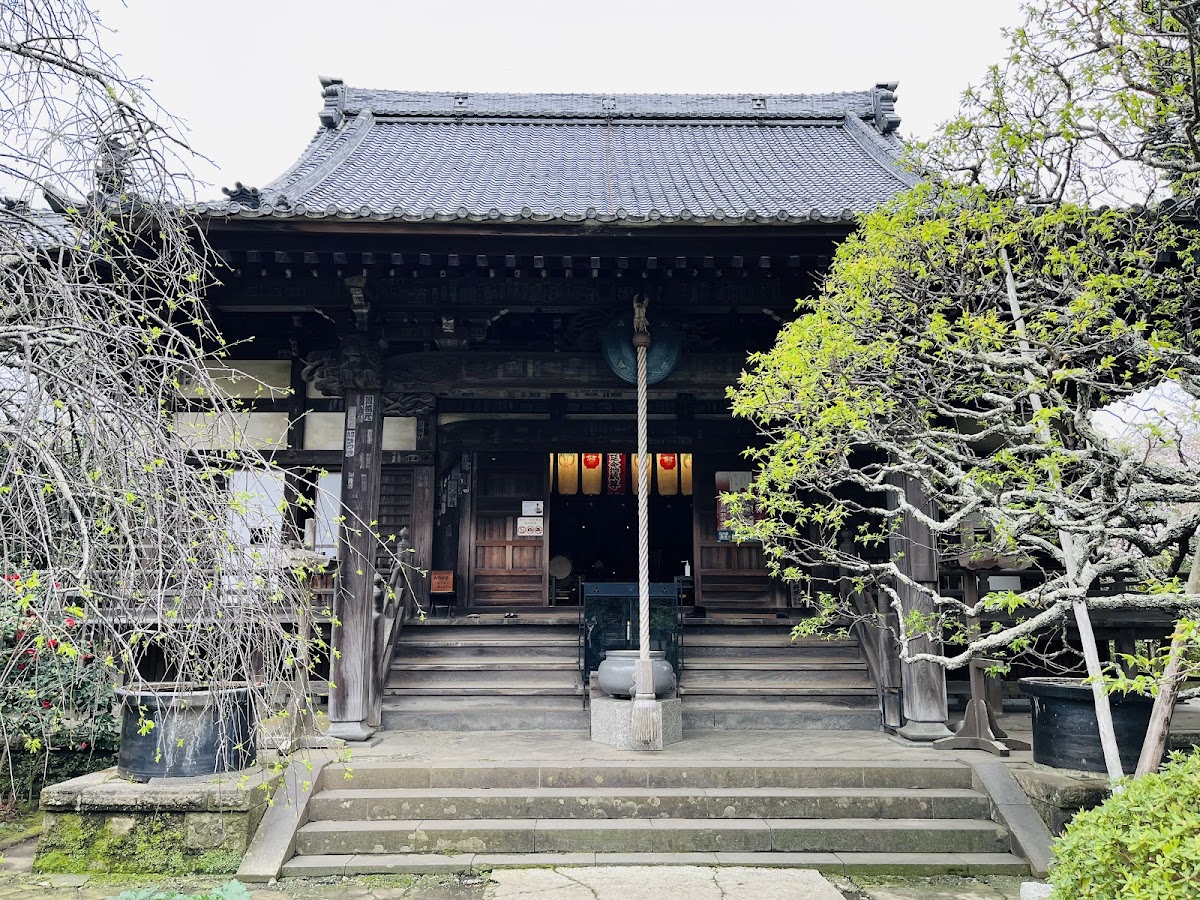
The current main hall was rebuilt in the late Edo period and exhibits a tranquil atmosphere typical of Tendai Buddhist temples. By paying an entrance fee, visitors can enter the tatami-matted room inside the main hall and worship the principal image and other Buddhist statues up close.
The temple grounds also include a bell tower, a Prince Shotoku Hall, and a Benten Hall, offering a peaceful atmosphere for worship. Despite being in the heart of Kamakura, it offers a calm space far removed from the hustle and bustle.
Seasonal Flowers and the Charm of “Hagi Temple”
A Breathtaking View Created by White Hagi in Autumn
Hōkaiji Temple is known as “Hagi Temple” because of the beauty of the white hagi (bush clover) that fills the temple grounds from mid- to late September every year. Approximately 250 hagi plants are planted throughout the grounds, creating a fantastical landscape when in full bloom, as if white flowers are raining down.
The sight of the delicate petals swaying in the wind is one of Kamakura’s finest autumn scenes. Many photography enthusiasts and tourists visit during the peak blooming season to capture its beauty in photographs. The pure beauty of the white hagi resonates with the temple’s history as a place of remembrance for the Hojo clan, leaving a deep impression on visitors.
A Competition of Plum Blossoms in Early Spring
Besides hagi, Hōkaiji Temple is also known as a famous spot for plum blossoms. From February to March, various varieties of plum blossoms, including red, white, and weeping varieties, bloom in profusion throughout the temple grounds.
The plum trees in front of the main hall are particularly magnificent and a must-see spot during an early spring stroll through Kamakura. The fragrance of plum blossoms fills the temple grounds, signaling the arrival of spring.
Flowers of the Four Seasons
At Hokaiji Temple, you can enjoy a variety of flowers throughout the seasons, in addition to bush clover and plum blossoms.
- Spring: Cherry blossoms, daffodils, camellias
- Early Summer: Hydrangeas, irises
- Summer: Crape myrtle, hibiscus
- Autumn: Bush clover, spider lilies, Japanese anemones
- Winter: Plum blossoms, camellias, winter sweet
With flowers blooming throughout the year, this temple offers a different view each time you visit.
Pilgrimage to Hokaiji Temple
First Temple of the Kamakura Twenty-Four Jizo Pilgrimage
Hokaiji Temple is the first temple of the Kamakura Twenty-Four Jizo Pilgrimage, serving as the starting point for pilgrimages of Jizo worship. Its principal image, known as the Child-Rearing Sutra-Reading Jizo, attracts many worshippers praying for the health and growth of their children.
Second Temple of the Kamakura Thirty-Three Kannon Pilgrimage
Hokaiji Temple is also the second temple of the Kamakura Thirty-Three Kannon Pilgrimage, and holds a special position as the only temple with Juntei Kannon as its principal image. It is an important temple for worshippers undertaking Kannon pilgrimages.
Kamakura Enoshima Seven Lucky Gods
Hokaiji Temple, which enshrines Bishamonten, is one of the temples on the Kamakura Enoshima Seven Lucky Gods pilgrimage, and is especially bustling with worshippers during the New Year. The Seven Lucky Gods pilgrimage is a popular route for people praying for good fortune and prosperity.
Cultural Properties and Treasures of Hokaiji Temple
Important Cultural Properties
- Seated Jizo Bodhisattva Statue: A masterpiece from the Kamakura period, enshrined as the principal image.
- Temple Bell: An ancient bell from the Kamakura period, of high historical value.
Other Temple Treasures
Hokaiji Temple houses items related to the Hojo clan, as well as Buddhist implements and scriptures donated by the Ashikaga clan. These treasures are usually not open to the public, but may be displayed during special exhibitions.
Visiting Information
Visiting Hours and Admission Fees
- Visiting Hours: 9:00 AM – 4:30 PM (may vary depending on the season)
- Admission Fee: Adults 200 yen, Junior high school students and younger 100 yen
- Closed Days: None (Open all year round)
Goshuin (Temple Seals)
Hokaiji Temple offers multiple Goshuin (temple seals).
- Goshuin (temple stamp) of the principal image, Jizo Bodhisattva
- Goshuin of the 24 Jizo statues of Kamakura
- Goshuin of the 33 Kannon pilgrimage sites of Kamakura
- Goshuin of the Seven Lucky Gods of Kamakura and Enoshima (Bishamonten)
Goshuin can be obtained at the temple office next to the main hall. Goshuin notebooks are also available for purchase.
Sutra Copying and Buddha Image Copying Experience
At Hokaiji Temple, you can experience sutra copying and Buddha image copying (reservations required). The experience of calming your mind and letting the brush move in the tranquil main hall will surely be healing for your soul. For details, please inquire via the official website or by phone.
Access Information
Access by Train
From JR Yokosuka Line/Enoshima Electric Railway “Kamakura Station”
- Approximately 13 minutes on foot from the East Exit
- Located on Komachi-dori, east of Tsurugaoka Hachimangu Shrine
Access by Bus
Take a Keikyu Bus from Kamakura Station East Exit, get off at the “Daigaku-mae” bus stop, and walk for approximately 3 minutes.
Access by Car
- Approximately 20 minutes from the Yokohama-Yokosuka Expressway “Asahina IC”
- Parking: None (Use nearby coin parking)
Address and Contact Information
- Address: 3-5-22 Komachi, Kamakura City, Kanagawa Prefecture 248-0006
- Phone: 0467-22-5512
Recommended Nearby Spots
Tsurugaoka Hachimangu Shrine
A representative shrine of Kamakura, located approximately 5 minutes on foot from Hokaiji Temple. As a place associated with Minamoto no Yoritomo, it attracts many tourists.
Kamakura-gu Shrine (Daito-gu)
Approximately a 10-minute walk from Hokaiji Temple. This shrine enshrines Prince Moriyoshi, son of Emperor Go-Daigo, and has deep ties to the fall of the Kamakura Shogunate.
Myohonji Temple
A Nichiren Buddhist temple associated with the Hiki clan. Its charm lies in its beautiful seasonal flowers and tranquil grounds.
Honkakuji Temple
A Nichiren Buddhist temple near Kamakura Station. It enshrines Ebisu-no-kami, one of the Seven Lucky Gods of Kamakura and Enoshima, and is bustling with worshippers during the New Year.
Points to Note When Visiting Hokaiji Temple
Recommended Time to Visit
- Mid-to-late September: Best time to see the bush clover. The best time to experience the true essence of the “Bush Clover Temple.”
- February-March: Best time to see the plum blossoms. Perfect for a stroll through Kamakura in early spring
- First three days of the New Year: A busy time for the Seven Lucky Gods pilgrimage
Estimated time required for visit
The temple grounds are not very large, so 30 minutes is usually sufficient for a normal visit. However, if you want to enjoy taking photos at a leisurely pace during the bush clover or plum blossom season, it’s a good idea to allow about an hour.
Clothing and belongings
- Since you remove your shoes before entering the main hall, easy-to-remove footwear is recommended.
- Don’t forget your camera for taking photos during the bush clover or plum blossom season.
- If you collect Goshuin (temple stamps), bring your Goshuincho (stamp book).
Annual events at Hokaiji Temple
Main events
- January 1st-3rd: New Year’s prayers, Seven Lucky Gods pilgrimage
- Early August: Segaki memorial service
- Mid-September: Bush clover festival (held depending on the year)
- 8th of every month: Jizo Bodhisattva festival
It is recommended to check the official website for detailed dates. ## Summary: The Charm of Hokaiji Temple
Hokaiji Temple is an ancient Tendai sect temple built on the historically significant site of the Hojo regent’s residence, the heart of the Kamakura shogunate. It was founded to mourn the spirits of the fallen Hojo clan. Affectionately known as the “Temple of Bush Clover,” its autumn white bush clover is among the most beautiful in Kamakura.
The temple boasts numerous Buddhist statues, including the important cultural property, the Child-Rearing Sutra-Reading Jizo Bodhisattva, the Juntei Kannon, and Bishamonten. It is also a pilgrimage site for three sacred sites: the Kamakura Twenty-Four Jizo, the Kamakura Thirty-Three Kannon, and the Kamakura Enoshima Seven Lucky Gods.
With different flowers blooming in each season, it’s a temple worth visiting throughout the year. Its convenient location within walking distance of Kamakura Station is another attractive feature, making it a must-visit spot during Kamakura sightseeing.
Hokaiji Temple offers a place to feel the weight of history, enjoy the beauty of nature in each season, and pray in peace. If you ever visit Kamakura, be sure to stop by.
.png)