Myohoji Temple (Moss Temple) Complete Guide | Visiting Kamakura’s Moss-Covered Stone Steps and Ancient Temple Associated with Nichiren
Nestled in the quiet Omachi area of Kamakura, Myohoji Temple is an ancient Nichiren Buddhist temple affectionately known as “Kokedera” (Moss Temple). The moss-covered stone steps leading from the Niomon Gate behind the main hall possess an ethereal beauty, as if time has stood still, captivating visitors. This article comprehensively introduces information useful for those planning to visit Myohoji Temple during their Kamakura sightseeing trip, including its history, highlights, visiting information, and access methods.
What is Myohoji Temple (Moss Temple)?
Myohoji Temple, officially known as “Ryogonzan Myohoji,” is a Nichiren Buddhist temple. Established in 1253 (Kencho 5) during the Kamakura period, Myohoji Temple stands on the site of Matsubagaya, where Nichiren Shonin built his hermitage when he began his missionary work in Kamakura. It is considered one of the oldest temples of the Nichiren sect.
The temple grounds feature beautiful moss-covered stone steps, and its mystical appearance has earned it the nickname “Moss Temple.” While Saihoji Temple in Kyoto is also famous as a “Moss Temple,” Myohoji Temple is the most representative of them in Kamakura. The tranquil grounds, far removed from the hustle and bustle of Kamakura, are a hidden gem beloved by many tourists and photography enthusiasts.
History and Origin of Myohoji Temple
Nichiren Shonin and the Matsubagaya Persecution
In 1253 (Kencho 5), at the age of 32, Nichiren Shonin entered Kamakura and built a hermitage in Matsubagaya. Here, he preached the teachings of the Lotus Sutra and engaged in fervent missionary work. However, conflicts with the Kamakura Shogunate and other Buddhist sects deepened, and it is said that in 1260 (Bun’ō 1), the temple suffered persecution known as the “Matsubagaya Persecution.”
Matsubagaya, where Myōhōji Temple is located, is considered the site of this persecution and is one of the important sacred sites in Nichiren Buddhism. Along with Ankokuronji Temple and Chōshōji Temple, several locations are believed to be the site where Nichiren built his hermitage, but Myōhōji Temple holds particular historical significance among them.
Restoration by Nichiei Shōnin
In 1357 (Enbun 2 / Shōhei 12) during the Nanboku-chō period, Nichiei Shōnin, born to Prince Morinaga (son of Emperor Go-Daigo) and Minami no Kata (a court lady of the Southern Court), rebuilt the temple on this site. Nichiei Shonin named the temple “Ryōgonzan Myōhōji” after his childhood name, “Ryōgonmaru,” and became its restorer and founder.
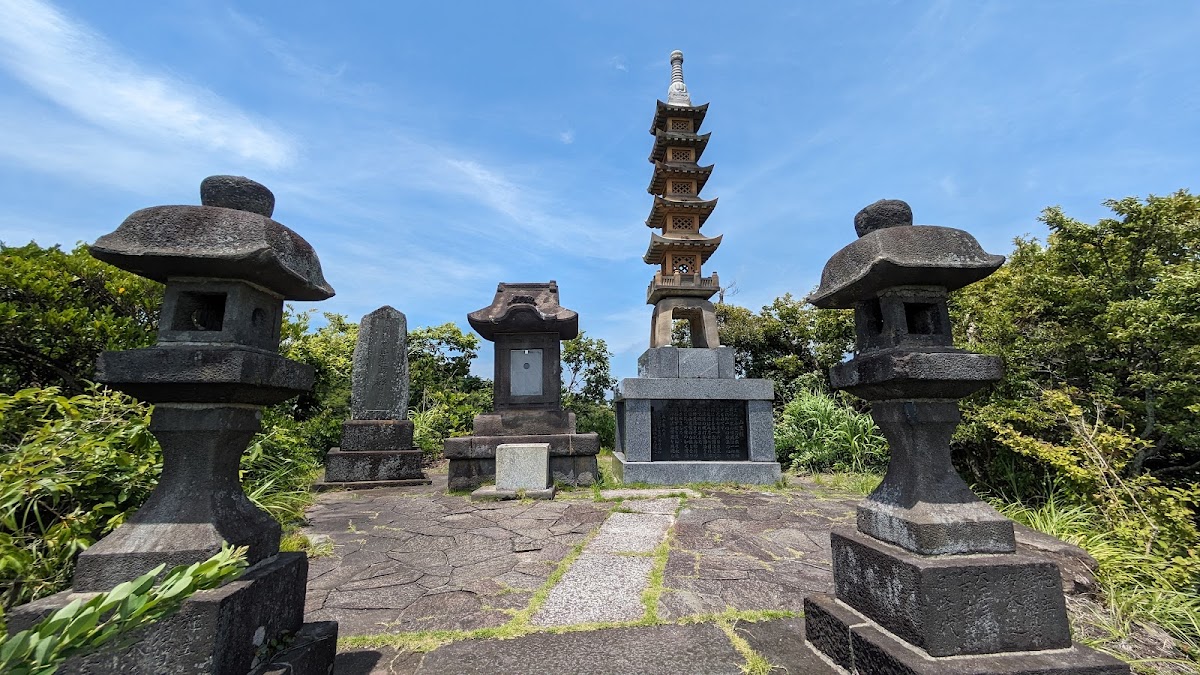
To mourn his father, Prince Moriyoshi, and mother, Lady Mina, who met tragic ends, Nichiei Shonin erected a tomb (a Hōkyōintō pagoda) for them on the summit of the hill behind Myōhōji Temple. This tomb is still enshrined in the highest place on the temple grounds, testifying to the historical importance of Myōhōji Temple.
Highlights of Myōhōji Temple (Moss Temple)
Moss-Covered Stone Steps
The greatest highlight of Myōhōji Temple is the moss-covered stone steps leading from the Niomon Gate behind the main hall. The approximately 50 steps have been covered in moss over many years, creating a beautiful landscape resembling a green velvet carpet.
The moss is at its most beautiful, especially from the rainy season through early summer, and a magical atmosphere permeates the air after a gentle rain. Trees grow lushly on both sides of the stone steps, and the way sunlight filters through the leaves, illuminating the green moss, gives the feeling of having wandered into another world.
These stone steps are a popular spot for photography and are frequently featured on social media. However, to protect the moss, climbing the steps may be prohibited, so please follow the temple’s instructions when visiting.
Niomon Gate
The Niomon Gate, standing at the entrance to the mossy stone steps, is a beautiful vermilion gate with Nio statues on either side. Passing through this gate gives you the feeling of entering a world of profound tranquility. The combination of the Niomon Gate and the mossy stone steps beyond is a landscape that symbolizes Myohoji Temple and is beloved by many.
Main Hall and Hokke-do Hall
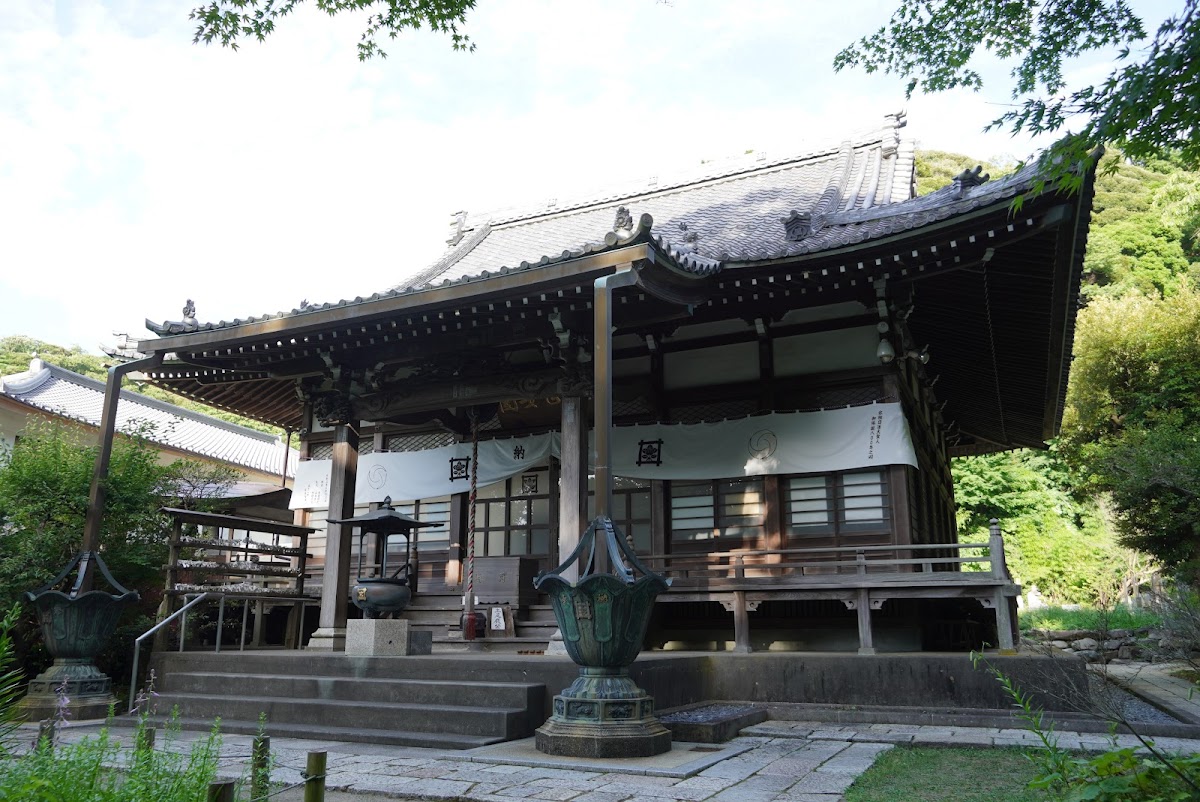
The main hall of Myohoji Temple is a wooden building with a serene presence. The main hall houses a statue of Nichiren Shonin, allowing for peaceful worship. The temple grounds also contain a Hokke-do hall, serving as a central hub of Nichiren Buddhism.
The area surrounding the main hall is planted with seasonal flowers, offering beautiful scenery throughout the year: cherry blossoms in spring, hydrangeas in early summer, and autumn leaves. The hydrangea season, in particular, is especially stunning, with the vibrant colors of the hydrangeas complementing the green moss.
Tomb of Prince Moriyoshi (Hokyoin-to Pagoda)
At the top of the mountain, reached by climbing moss-covered stone steps, stands a Hokyoin-to pagoda believed to be the tomb of Prince Moriyoshi and his wife, Minami. From here, one can enjoy a panoramic view of Kamakura, and on clear days, even Sagami Bay is visible—a truly spectacular viewpoint.
Prince Moriyoshi, a son of Emperor Go-Daigo, dedicated himself to overthrowing the Kamakura Shogunate, but met a tragic end in Kamakura due to his conflict with Ashikaga Takauji. Visitors can be seen quietly offering prayers, remembering the tragic life of the deceased.
Nature and Seasonal Scenery of the Temple Grounds
Myohoji Temple’s grounds are situated in a tranquil environment surrounded by the nature of Kamakura. It displays different scenery with each season: cherry blossoms and kerria in spring, hydrangeas in early summer, and autumn leaves in fall.
The moss is especially beautiful during the rainy season, and visiting on a damp, rainy day is particularly special. Also, during the autumn foliage season, the contrast between the green moss and the red and yellow leaves is magnificent, attracting many tourists.
Visiting Information
Visiting Hours and Admission Fee
Myohoji Temple’s visiting hours are 9:30 AM to 4:30 PM. However, please note the visiting period: from the second week of December to mid-March and from the second week of July to mid-September, visiting is only possible on Saturdays, Sundays, and public holidays. While the temple is generally open for viewing every day during other periods, there may be occasional closures, so it is recommended to check in advance.
The admission fee is 300 yen (as of 2024). The admission fee is paid at the temple office near the main hall.
Notes for Visitors
- Protection of Moss: The moss-covered stone steps are very delicate. Always follow instructions if entry is prohibited and avoid stepping on the moss.
- Photography: Photography is generally permitted on the temple grounds, but please be considerate of other visitors.
- Quietness: Temples are places of prayer. Please refrain from loud conversations and noise.
- Take Your Trash Home: There are no trash cans on the temple grounds. Please take your trash home with you.
Goshuin (Temple Seal)
Myohoji Temple offers two types of goshuin. They can be obtained at the temple office near the main hall. You can bring your own goshuincho (stamp book) or receive a pre-printed goshuin. The offering fee for a Goshuin (temple stamp) is usually around 300 to 500 yen.
Access Methods
Access by Train and Bus
From JR Yokosuka Line/Enoshima Electric Railway “Kamakura Station”:
- By Bus: From the Kamakura Station East Exit Bus Terminal, take the Keikyu Bus “Kama 40/Kama 41” line and get off at the “Omachi Yotsukado” or “Nagoshi” bus stop. It’s about a 3-minute walk from there.
- On Foot: It’s about a 20-minute walk from the Kamakura Station East Exit. Head towards Omachi, turn left at the Omachi Yotsukado intersection, and proceed towards Matsubagaya.
Access by Car and Parking
Myohoji Temple does not have a dedicated parking lot. If you are visiting by car, we recommend using a nearby coin parking lot or parking in a parking lot around Kamakura Station and accessing the temple on foot or by bus.
Kamakura’s roads can be congested during peak tourist seasons and weekends, so using public transportation is recommended. ### Combining Myohoji Temple with Nearby Tourist Attractions
Myohoji Temple is located in the Omachi/Zaimokuza area, and nearby tourist attractions include:
- Ankokuronji Temple: Approximately 5 minutes on foot. A temple associated with Nichiren Shonin, and considered the place where he wrote the *Rissho Ankoku Ron* (Treatise on Establishing Righteousness and Securing the Peace of the Nation).
- Nagoe Pass: Approximately 10 minutes on foot. One of the seven passes of Kamakura, offering a historical stroll along an ancient road.
- Choshoji Temple: Approximately 10 minutes on foot. An important Nichiren Buddhist temple, known for its tranquil grounds.
- Honkakuji Temple: Approximately 15 minutes on foot. Dedicated to “Nigiwai Ebisu,” the god of business prosperity.
Combining these spots to plan a sightseeing route that allows you to fully enjoy Kamakura’s history and nature is highly recommended.
Recommended Gourmet & Lunch Spots near Myohoji Temple
After visiting Myohoji Temple, it is recommended to enjoy a meal in the Kamakura Omachi area or around Kamakura Station.
Recommended Shops in the Omachi Area
- Cafes & Restaurants: The Omachi area is dotted with hidden cafes and restaurants where you can enjoy dishes and sweets made with local ingredients.
- Japanese Food & Soba Noodles: You can spend a relaxing time at soba noodle shops and Japanese restaurants with a Kamakura-like atmosphere.
Gourmet Food Around Kamakura Station
There are many restaurants around Kamakura Station, offering a variety of culinary experiences, including shirasu donburi (whitebait rice bowl), dishes using Kamakura vegetables, and cafe sweets. Popular shops for tourists line Komachi Street and Wakamiya-oji Street.
How to Enjoy Visiting Myohoji Temple (Moss Temple)
Best Season for Photography
The moss-covered stone steps of Myohoji Temple are said to be most beautiful during the rainy season from May to July. After the rain, the moss, saturated with moisture, shines a vibrant green, creating a fantastical atmosphere. The autumn foliage season (mid-November to early December) is also ideal for photography, with the beautiful contrast between the green moss and the autumn leaves. ### Enjoying a Time of Tranquility
Myohoji Temple is a relatively less crowded hidden gem in Kamakura. Especially on weekday mornings, it’s quiet, allowing you to stroll through the grounds at your leisure and have time for meditation or prayer. It’s also recommended to spend time in quiet contemplation, reflecting on the teachings of Nichiren Shonin.
Learning about Kamakura’s History
Myohoji Temple is deeply connected to Nichiren Shonin and Prince Moriyoshi, important historical figures from the Kamakura to Nanboku-cho periods. Learning about Nichiren’s life and the tragedy of Prince Moriyoshi before your visit will allow you to understand Myohoji Temple’s history and significance more deeply.
Summary of Basic Information about Myohoji Temple (Moss Temple)
- Official Name: Ryogonzan Myohoji
- Sect: Nichiren Buddhism
- Founded: 1253 (Kencho 5)
- Restoration and Founder: Nichiei Shonin (1357)
- Location: 4-7-4 Omachi, Kamakura City, Kanagawa Prefecture 248-0007
- Visiting Hours: 9:30 AM – 4:30 PM (Saturdays, Sundays, and holidays only from the second week of December to mid-March, and from the second week of July to mid-September)
- Admission Fee: 300 yen
- Access: Approximately 20 minutes on foot from Kamakura Station, or 3 minutes on foot from the “Omachi Yotsukado” or “Nagoshi” bus stop
- Parking: None
- Phone Number: 0467-22-5813 (Checking visiting days and times is recommended)
Visitor Experiences and Reviews of Myohoji Temple
Many tourists who have visited Myohoji Temple have shared the following impressions:
- “The moss-covered stone steps were truly beautiful; I lost track of time admiring them.”
- “It was a quiet place away from the hustle and bustle of Kamakura, and I felt at peace.”
- “The view from Prince Moriyoshi’s tomb was magnificent; I could see the whole city of Kamakura.”
- “Visiting hours are limited, so it’s necessary to check in advance.”
- “When I visited after the rain, the moss was even more beautifully radiant.”
Many visitors are impressed by the tranquil atmosphere and the beauty of the moss at Myohoji Temple, and highly rate it as a hidden gem for Kamakura sightseeing.
Differences between Myohoji Temple and Other Kamakura Temples
While Kamakura boasts numerous temples, Myohoji Temple possesses a unique charm that sets it apart from others:
- Beauty of Moss: Myohoji Temple is the only temple in Kamakura known as the “Moss Temple,” and the beauty of its moss-covered stone steps is unparalleled.
- Tranquil Environment: Compared to famous tourist spots like Tsurugaoka Hachimangu Shrine and Hase-dera Temple, it attracts fewer tourists, allowing for a peaceful visit.
- Sacred Site of Nichiren Buddhism: It is considered the site where Nichiren Shonin first established his hermitage, holding significant importance in Nichiren Buddhism.
- Connection to Prince Moriyoshi: It houses the tomb of Prince Moriyoshi, a tragic figure from the Nanboku-cho period, giving it a rich historical context.
Myohoji Temple’s Place in Kamakura Tourism
Myohoji Temple is a hidden gem in Kamakura tourism, known only to those in the know. Located in the Omachi area, a short distance from Kamakura Station, it is more popular with Kamakura repeat visitors and history/photography enthusiasts than with first-time visitors. In addition to the standard Kamakura sightseeing routes, visiting Myohoji Temple will allow you to experience Kamakura’s history and nature more deeply. It’s a must-visit spot, especially for those interested in Nichiren Buddhism, those who appreciate the beauty of moss and nature, and those seeking tranquility in a peaceful temple.
Events and Festivals Held Around Myohoji Temple
Myohoji Temple sometimes hosts major Nichiren Buddhist services and ceremonies. In particular, services are sometimes held around October 13th, the anniversary of Nichiren Shonin’s death.
Also, various festivals and events are held throughout Kamakura City throughout the year:
- Kamakura Festival (April): Kamakura City’s largest festival, featuring traditional events such as Yabusame (mounted archery).
- Bonbori Festival (August): A summer tradition held at Tsurugaoka Hachimangu Shrine.
- Kamakura Fireworks Festival (July): A fireworks display held at Zaimokuza Beach.
While Kamakura as a whole becomes bustling during these events, Myohoji Temple offers a relatively quiet and peaceful place to visit.
What to Wear and Bring When Visiting Myohoji Temple
Clothing
- Comfortable Walking Shoes: Since there are stone steps and slopes within the temple grounds, comfortable walking shoes such as sneakers are recommended.
- Seasonal Clothing: Remember to take precautions against the heat in summer and warm clothing in winter. The temple grounds have plenty of shade, so it’s relatively cool even in summer.
- Rain Gear: Bring an umbrella or raincoat during the rainy season or autumn rains.
What to Bring
- Camera: Don’t forget your camera or smartphone to photograph the moss-covered stone steps and the beautiful scenery of the temple grounds.
- Goshuincho (Stamp Book): Bring one if you collect temple stamps.
- Drinks: Staying hydrated is especially important in the summer.
- Insect Repellent: Mosquitoes and other insects can be abundant in the summer, so insect repellent is recommended.
Reasons to Visit Myohoji Temple (Moss Temple)
Myohoji Temple is a precious spot where you can experience traditional Japanese beauty and history in a tranquil environment away from the hustle and bustle of Kamakura. The beauty of the moss-covered stone steps captivates visitors regardless of the season, leaving a deep impression on their hearts.
You can trace the footsteps of Nichiren Shonin, reflect on the tragedy of Prince Moriyoshi, and touch upon the profound history of Kamakura. Furthermore, the nature within the temple grounds displays different expressions in each season, offering new discoveries with every visit.
Visiting Myohoji Temple after touring the standard Kamakura tourist spots, or as a repeat visitor, will enhance your Kamakura experience. The time spent in tranquility, calming your mind and feeling the beauty and history of Japan, will be a precious moment away from your busy daily life.
Summary
Myohoji Temple (Moss Temple) is a hidden gem of Kamakura, a special temple that combines the beauty of moss with historical value. Myohoji Temple is an important spot for deeply understanding Kamakura’s history, as it is the place where Nichiren Shonin first built his hermitage and where the tomb of Prince Moriyoshi is enshrined.
Because visiting hours and periods are limited, it is highly recommended to check the latest information before visiting. The moss-covered stone steps are especially beautiful during the rainy season and the autumn foliage season.
When sightseeing in Kamakura, be sure to visit Myohoji Temple, calm your mind in its tranquility, and experience the traditional beauty and depth of Japanese history. It will surely become an unforgettable memory of your trip to Kamakura.