Gokurakuji Temple Complete Guide | The Charm and Cultural Assets of Kamakura’s Historic Shingon Ritsu Sect Temple
Gokurakuji Temple is a Shingon Ritsu sect temple located in Gokurakuji, Kamakura City, Kanagawa Prefecture. Its official name is Ryūjusan Kannōin Gokuraku Ritsuji, and it is known as a historical temple that still conveys the atmosphere of the Kamakura period. The principal image is Shakyamuni Buddha, and the temple was founded by Hōjō Shigetoki, a powerful figure in the Kamakura Shogunate, and its first abbot was Ninshō, also renowned as a social worker.
The thatched-roof temple gate, located right next to the Enoden “Gokurakuji Station,” is one of Kamakura’s representative picturesque landscapes, attracting many worshippers and tourists. In the past, it boasted a large temple complex with hospital and welfare facilities on its vast grounds, playing an important role as a center of social welfare during the Kamakura period.
History of Gokuraku-ji Temple
Founding History and Founder/First Abbot
The founding of Gokuraku-ji Temple dates back to the mid-13th century. Initially, the monk Shōei conceived the idea of building a temple in Fukasawa with an Amida Buddha statue as its principal image. However, after Shōei’s death in 1258, the temple was left to fall into disrepair.
Later, Hōjō Shigetoki, a key figure in the Kamakura Shogunate, embarked on its restoration. Born as the third son of Hōjō Yoshitoki, Hōjō Shigetoki was a powerful figure who served as Rokuhara Tandai and Rensho (one of the highest-ranking officials in the Shogunate). Shigetoki had a deep faith in Buddhism and particularly devoted himself to the revival of the Ritsu sect.
Ninshō was invited to serve as the founding abbot. Ninshō was a high-ranking Buddhist monk who studied under Eizon of Saidai-ji Temple in Nara, learning the teachings of the Shingon Ritsu sect. He was not merely a religious figure, but is known for his extensive social work, including the relief of the poor and sick, and the construction of roads and bridges.
A Grand Temple Complex in the Kamakura Period
Gokuraku-ji Temple developed rapidly after its founding. In its heyday, Gokuraku-ji Temple had a vast area far exceeding its current grounds. According to records, it was a grand temple complex with 49 halls and pagodas, including the main hall, lecture hall, twelve sub-temples, Yakushi-dō (Medicine Buddha Hall), and Okunoin (inner sanctuary).
Notably, the temple also housed hospital facilities and sanatoriums. Under Ninshō’s guidance, relief efforts for leprosy patients and the poor were actively carried out, making Gokuraku-ji Temple a center of social welfare in Kamakura. This activity is considered not merely religious charity, but a pioneering example of an organized medical and welfare system.
Furthermore, during the Mongol invasions, Gokuraku-ji Temple is known for having performed prayers for the expulsion of the foreign invaders at the command of the Kamakura Shogunate and the Imperial Court. This event demonstrates that Gokuraku-ji was not merely a local temple, but also played a role as a national religious institution.
History of Decline and Restoration
From the late Kamakura period to the Muromachi period, Gokuraku-ji gradually declined. With the fall of the Kamakura Shogunate, it lost its powerful patrons, and many of its buildings were lost due to repeated fires and natural disasters. In particular, the fire of 1512 (Eisho 9) destroyed most of the main buildings, and the magnificent temple complex of its time was lost.
In the Edo period, some restoration was attempted through the efforts of Konchiin Sūden, a close confidant of Tokugawa Ieyasu. However, it fell far short of its former scale, and the temple grounds visible today only retain a faint trace of its former glory.
Although affected by the anti-Buddhist movement of the Meiji era, the temple’s religious traditions were preserved. From the Showa to the Heisei period, preservation of cultural properties and development of the temple grounds progressed, and today it welcomes many visitors as one of Kamakura’s representative historical temples.
Highlights of the Temple Grounds
Thatched Gate
The first thing visitors to Gokuraku-ji Temple see is its charming thatched gate. Known as one of the few thatched-roof buildings in Kamakura, its simple yet warm appearance leaves a deep impression on visitors.
In front of the gate are stone steps, flanked by ancient stone monuments and Jizo statues. Despite its location right next to the Enoden railway tracks, passing through the gate envelops you in a tranquil silence, like entering another world. This contrast creates Gokuraku-ji Temple’s unique charm.
While the gate’s structure is simple, the meticulous craftsmanship in the details speaks to the high level of Edo period architecture. Maintained through regular roof repairs, this temple gate is an important element of Kamakura’s historical landscape.
Main Hall and Principal Image
Upon passing through the temple gate and entering the grounds, the main hall comes into view. The current main hall was rebuilt during the Edo period and is a simple yet dignified building.
The principal image, a standing statue of Shakyamuni Buddha, is a valuable Buddhist statue designated as an Important Cultural Property. Believed to be a work from the Kamakura period, it features an elegant form influenced by Song dynasty style. The statue is approximately 90 centimeters tall, and its exquisite carving technique and serene expression captivate viewers.
Inside the main hall, several other Buddhist statues are enshrined, including an eleven-faced Kannon Bodhisattva and a Fudo Myoo statue. Many of these are works from the Kamakura to Muromachi periods and are valuable cultural assets that tell the long history of Gokuraku-ji Temple.
Five-Ring Pagoda and Stone Structures
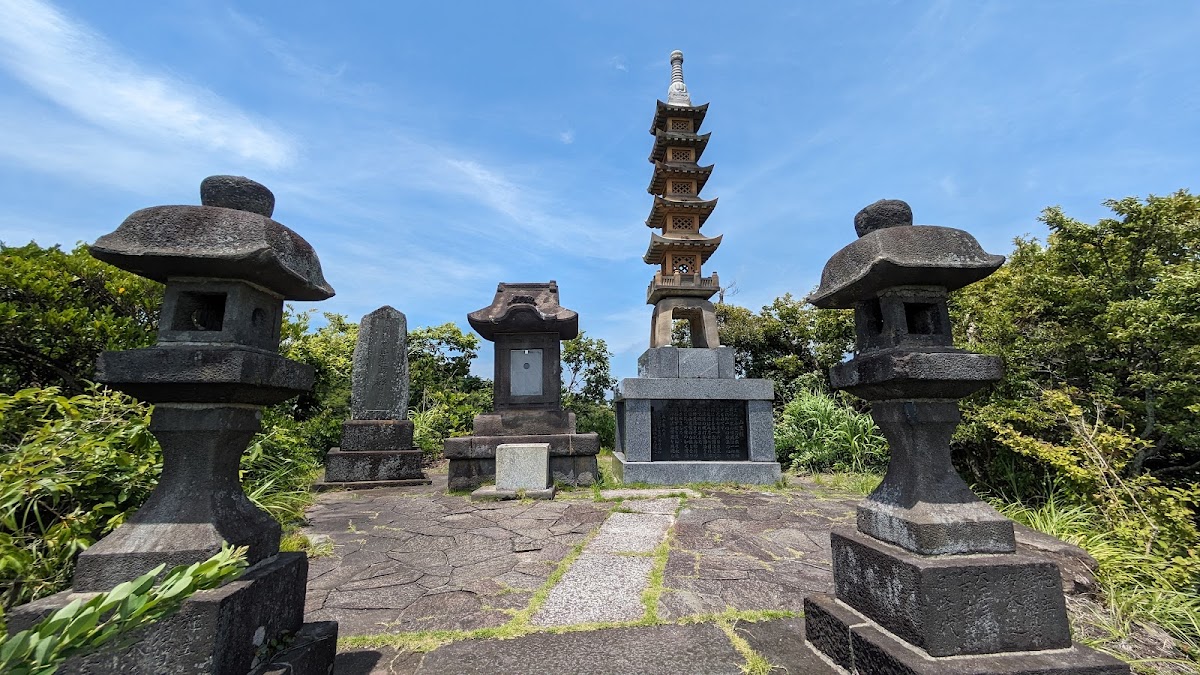
Several five-ring pagodas and stone structures are scattered throughout the temple grounds. Of particular note is the five-tiered pagoda believed to be the tomb of Ninshō. This pagoda strongly retains the style of the Kamakura period and is considered an important historical site from the perspective of stone sculpture.
Furthermore, memorial towers for Hōjō Shigetoki and successive chief priests remain on the temple grounds, providing important clues to the history of Gokuraku-ji Temple. These stone structures, covered in moss over many years, create a deeply evocative landscape that blends seamlessly with the surrounding nature.
Various stone Buddha statues and pagodas from the Kamakura to Edo periods are placed throughout the temple grounds, allowing visitors to stroll and admire them.
Cultural Properties of Gokuraku-ji Temple
Important Cultural Properties
Gokuraku-ji Temple houses several important cultural properties. In addition to the aforementioned wooden standing statue of Shakyamuni Buddha, it possesses the following valuable cultural properties:
The wooden standing statue of Eleven-faced Kannon Bodhisattva is a work from the late Kamakura period, characterized by its elegant form and exquisite carving. It is valued as an important example demonstrating the spread of Kannon worship.
The Wooden Standing Statue of Fudo Myoo is also designated as an Important Cultural Property, and its powerful expression and imposing form are impressive. It is considered one of the masterpieces of Esoteric Buddhist art.
These Important Cultural Properties are usually not open to the public, but many worshippers and researchers visit when they are specially exhibited.
Other Temple Treasures
Besides the Important Cultural Properties, Gokuraku-ji Temple houses many other valuable temple treasures.
Ancient Documents include temple land documents from the Kamakura to Edo periods, as well as records concerning Ninsho, which are important historical materials for the study of medieval history.
Buddhist Artifacts include a temple bell, incense burner, and scriptures from the Kamakura period, which are valuable materials for understanding the religious culture of that time.
Furthermore, Paintings and Calligraphy include calligraphy and paintings by successive chief priests and famous monks, which speak to the cultural richness of Gokuraku-ji Temple.
Gokuraku-ji Temple as a Pilgrimage Site
Gokuraku-ji Temple is designated as the 22nd temple on the Kamakura Thirty-Three Kannon Pilgrimage. This pilgrimage visits major Kannon temples in Kamakura and attracts many believers and tourists.
The principal image of Gokuraku-ji Temple is Nyoirin Kannon, believed to grant blessings for safe childbirth and child-rearing. Temple seals are given out at the main hall, making them a precious memento for pilgrims.
For those undertaking the Kamakura Thirty-Three Kannon Pilgrimage, Gokuraku-ji Temple is an important temple located at the western edge of Kamakura, and as a temple at the point of contact with Enoshima, it holds special significance within the pilgrimage route.
Gokuraku-ji Temple and Ninshō’s Social Work
Medieval Welfare Activities
Ninshō’s social work is a noteworthy aspect of Gokuraku-ji Temple’s history. Ninshō was not merely a religious figure, but also a practical social reformer.
Gokuraku-ji Temple had a facility called the “Therapeutic Hospital,” which housed leprosy patients, the poor, and those without families. Ninshō provided equal medical care and nursing to people who were discriminated against and excluded in society at the time.
He also provided “relief for the outcasts,” distributing food and clothing to those at the very bottom of society. Records indicate that Ninshō helped tens of thousands of impoverished people throughout his life.
Infrastructure Development Projects
Ninshō’s activities extended beyond medical care and welfare to include the development of social infrastructure. He actively promoted road construction, bridge building, and well drilling in Kamakura and the surrounding areas.
Particularly famous is the restoration of “Wagaejima,” a port facility that functioned as Kamakura’s outer harbor, which Ninshō dedicated himself to improving. Such activities were not merely religious charity, but comprehensive social projects aimed at the development of the entire community.
Impact on Modern Times
Ninshō’s social work is highly regarded as a pioneering example of social welfare in Japan. The systematic and continuous welfare activities carried out during the medieval period are a rare example on a global scale.
Compared to modern social welfare ideals and practices, Ninshō’s activities were remarkably advanced, and his spirit offers significant insights to contemporary welfare professionals. When visiting Gokurakuji Temple, one can reflect on the significance of this historical social work.
Attractions around Gokurakuji Temple
Gokurakuji-zaka Pass
Located very close to Gokurakuji Temple is the Gokurakuji-zaka Pass. This is one of the “Seven Entrances of Kamakura,” an important transportation route connecting Kamakura to the outside world. The pass also served as a defensive structure utilizing Kamakura’s unique topography, retaining a strong medieval character.
Walking through the Gokurakuji-zaka Pass, with sheer cliffs on both sides, one can imagine the people of the Kamakura period traversing this path. Currently, it is a popular hiking course, bustling with people enjoying historical walks.
Joju-in Temple
Within walking distance of Gokuraku-ji Temple lies Joju-in Temple. This temple belongs to the Shingon sect and is known as a famous spot for hydrangeas. Especially during the hydrangea season in June, many tourists visit.
From Joju-in Temple, you can enjoy a panoramic view of Yuigahama Beach, and simultaneously appreciate the scenery of Kamakura’s sea and mountains. Visiting both Gokuraku-ji Temple and Joju-in Temple allows you to fully experience the charm of western Kamakura.
Enoden Gokuraku-ji Station
Enoden Gokuraku-ji Station is a charming station selected as one of the “100 Best Stations in the Kanto Region.” The wooden station building retains the atmosphere of the early Showa period and is frequently used as a filming location for movies and dramas.
From the station platform, you can see the main gate of Gokuraku-ji Temple, and the unique scenery created by the Enoden train and the temple is a charm unique to Kamakura. It is also a popular spot for photography, attracting many railway enthusiasts and tourists.
Access and Visiting Information for Gokurakuji Temple
Location
Address: 3-6-7 Gokurakuji, Kamakura City, Kanagawa Prefecture
Gokurakuji Temple is located in the Gokurakuji district, in the western part of Kamakura City. It’s a little far from Kamakura Station, but easily accessible by the Enoden train line.
Transportation
Access by Train
- Get off at Gokurakuji Station on the Enoshima Electric Railway (Enoden), approximately 2 minutes on foot.
- Approximately 12 minutes by Enoden train from Kamakura Station on the JR Yokosuka Line/Enoden Line.
- Approximately 15 minutes by Enoden train from Katase-Enoshima Station on the Odakyu Enoshima Line.
Access by Bus
- Approximately 15 minutes by Keikyu Bus bound for Gokurakuji from JR Kamakura Station, get off at Gokurakuji bus stop, approximately 3 minutes on foot.
Access by Car
- Approximately 20 minutes from Asahina IC on the Yokohama-Yokosuka Expressway.
- *Parking is limited, so the use of public transportation is recommended.
Visiting Hours and Admission Fees
Visiting Hours: Grounds are freely accessible (the interior of the main hall is usually closed to the public).
Admission Fee: Grounds are free.
Special Opening: The interior of the main hall can only be viewed during special openings held a few times a year (please check in advance).
Manners and Precautions for Visiting Gokurakuji Temple
Gokurakuji Temple is a temple that still functions as a place of worship. Please observe the following points when visiting:
- Maintain silence within the temple grounds and avoid disturbing other visitors.
- Photography is permitted, but please be considerate of the interior of the main hall and other visitors.
- Do not touch the temple gate or the main hall, or enter restricted areas.
- Please take all your trash with you.
Annual Events at Gokurakuji Temple
Gokurakuji Temple holds various religious events throughout the year.
January: First Shrine Visit of the Year, Shusho-e Ceremony
Spring Equinox: Spring Equinox Ceremony
April 8th: Flower Festival (Buddha’s Birthday Celebration)
August: Obon Memorial Service
Autumn Equinox: Autumn Equinox Ceremony
December 31st: New Year’s Eve Bell Ringing
During these events, the main hall, which is usually closed to the public, may be opened. Especially important events such as the spring and autumn equinox services and the Flower Festival attract many parishioners and believers.
The Four Seasons of Gokurakuji Temple
Spring
In spring, Gokurakuji Temple is bathed in soft spring light as the cherry and plum blossoms in the temple grounds come into full bloom. The contrast between the thatched gate and the cherry blossoms is one of the representative spring landscapes of Kamakura. The Flower Festival is held in April, attracting many visitors.
Summer
In summer, the greenery deepens at Gokurakuji Temple, and the temple grounds are covered in lush greenery. It is a season for quiet worship amidst the sound of cicadas. Due to its location along the Enoden railway line, many tourists visit the surrounding area during the swimming season, but the temple grounds maintain a relatively quiet atmosphere.
Autumn
In autumn, the trees in the temple grounds change color, creating a beautiful landscape of autumn foliage. The autumn foliage around the temple gate is particularly magnificent, and the combination of the thatched roof and the autumn leaves creates a picturesque scene. The autumn equinox ceremony is also an important event, attracting many visitors to pay respects to their ancestors.
Winter
In winter, Gokuraku-ji Temple is enveloped in a tranquil silence. Snowfall is rare, but the snow-covered grounds are exceptionally beautiful. Many worshippers visit for the New Year’s Eve bell ringing and the New Year’s Day visit, celebrating the new year.
Gokuraku-ji Temple and Kamakura Culture
Gokuraku-ji Temple played a crucial role in the formation of Kamakura culture. The Shingon Ritsu sect, characterized by its strict adherence to precepts and the practice of social work, formed a distinct trend in Kamakura Buddhism.
Ninshō’s activities, alongside the spread of Zen Buddhism, demonstrate the diversity of religious culture during the Kamakura period. Kamakura Buddhism, which developed under the samurai government, had a practical and social character distinct from aristocratic culture, and Gokuraku-ji Temple is a prime example of this.
Furthermore, Gokuraku-ji Temple served as a hub for cultural exchange connecting Kamakura with Kyoto and Nara. The Ritsu sect teachings that Ninsho learned from Eison of Saidai-ji Temple were transmitted to Kamakura through Gokuraku-ji, making it a center of Ritsu Buddhism in eastern Japan.
The Modern Significance of Gokuraku-ji Temple
In modern times, Gokuraku-ji Temple is not merely a historical site, but continues to function as a living place of faith. Under the danka system (parishioner system), it plays a central role in the local community, deeply intertwined with people’s lives through funerals, memorial services, and annual events.
At the same time, it also has aspects of a tourist destination, welcoming many visitors from both within Japan and abroad. Its educational value is highly regarded as an important place that conveys the history and culture of Kamakura.
Moreover, Ninsho’s spirit of social work resonates with modern social welfare and volunteer activities, and his pioneering efforts offer many lessons even today. Visiting Gokuraku-ji Temple is not simply about viewing historical buildings, but an experience that touches upon the history of people’s activities and faith from the Middle Ages to the present day.
Summary
Gokurakuji Temple is a valuable temple that conveys the history and culture of the Kamakura period. Its former glory, founded by Hojo Shigetoki and with Ninsho as its founding priest who carried out social projects, may be difficult to imagine from its current small grounds. However, the thatched gate, the important cultural property Buddha statue, and the stone structures remaining on the grounds certainly convey the weight of history.
Despite its convenient location just a two-minute walk from Gokurakuji Station on the Enoden Line, stepping into the temple grounds reveals a tranquil space far removed from the hustle and bustle of the city. It continues to welcome many pilgrims as one of the 33 Kannon pilgrimage sites of Kamakura.
When visiting Kamakura, be sure to visit not only famous tourist spots like the Great Buddha and Tsurugaoka Hachimangu Shrine, but also historically significant temples like Gokurakuji Temple. There, you can experience the true charm of Kamakura and a glimpse of Japan’s spiritual culture that has continued since the Middle Ages.