Complete Guide to Sennenji Temples | A Comprehensive Summary of History, Sect, Principal Image, and Access Information for Sennenji Temples Nationwide
The name “Sennenji” exists for temples throughout Japan, each with its own unique history and characteristics. This article provides a comprehensive explanation of Sennenji temples, focusing on those of particular note, covering their historical background, sect, principal image, cultural assets, and contemporary activities.
What is Sennenji? Characteristics of Sennenji Temples Scattered Across Japan
The name “Sennenji” originates from the Buddhist concept of “sennen,” meaning single-minded devotion to chanting the Buddha’s name. It is a common temple name found in Pure Land Buddhist sects such as Jodo-shu, Jodo Shinshu, and Yuzu Nembutsu-shu. Multiple Sennenji temples exist throughout Japan, each playing an important role as a center of local faith.
Each Sennenji temple differs in its founding date and sect, and while many enshrine Amida Buddha as their principal image, each has cultivated its own unique history and culture. This article provides detailed introductions to Sennenji temples of particularly high historical and cultural value, or those attracting attention in modern times.
Sennenji Temple in Hirano Ward, Osaka City | A Temple Associated with Doll Memorial Services and the Toyotomi Family
History and Overview
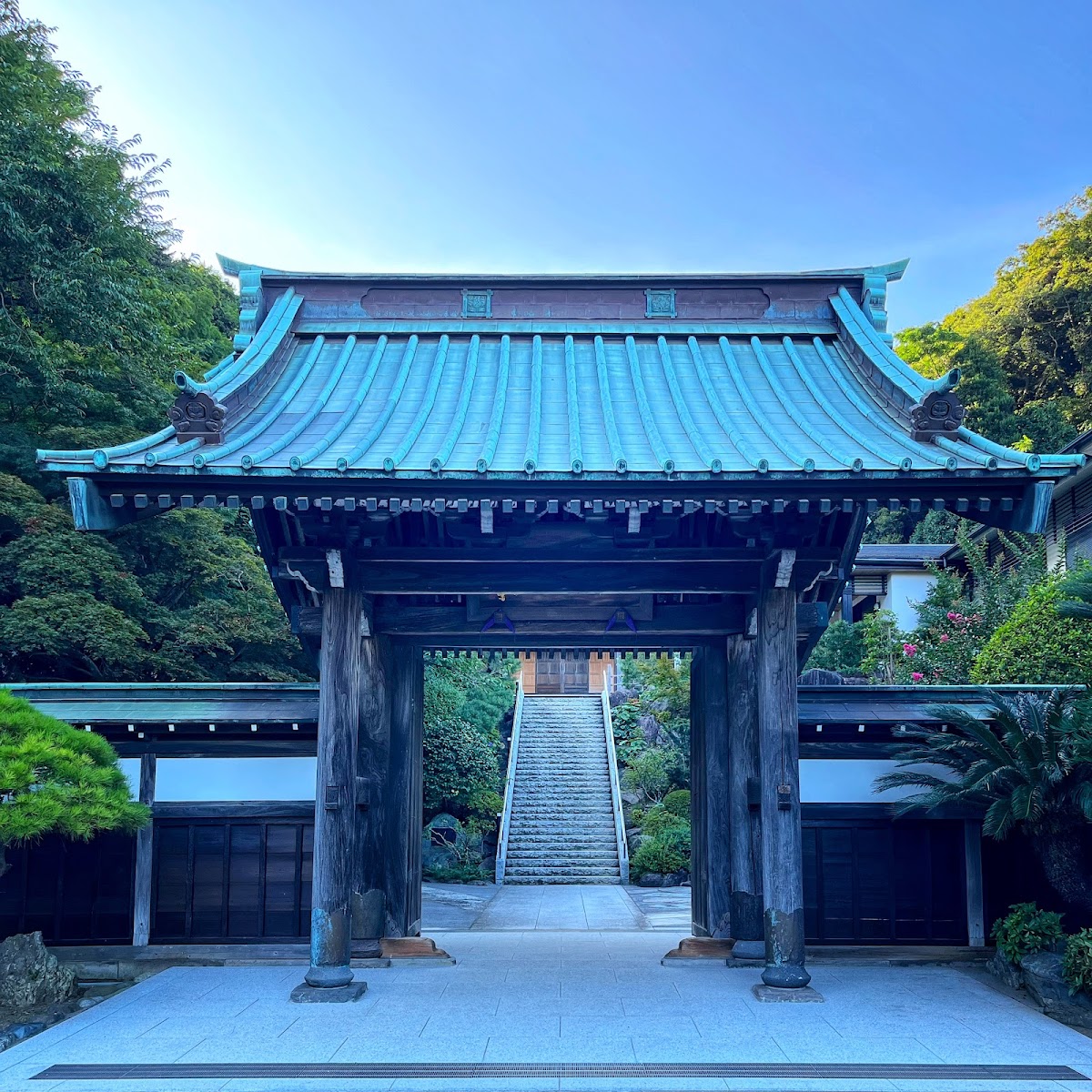
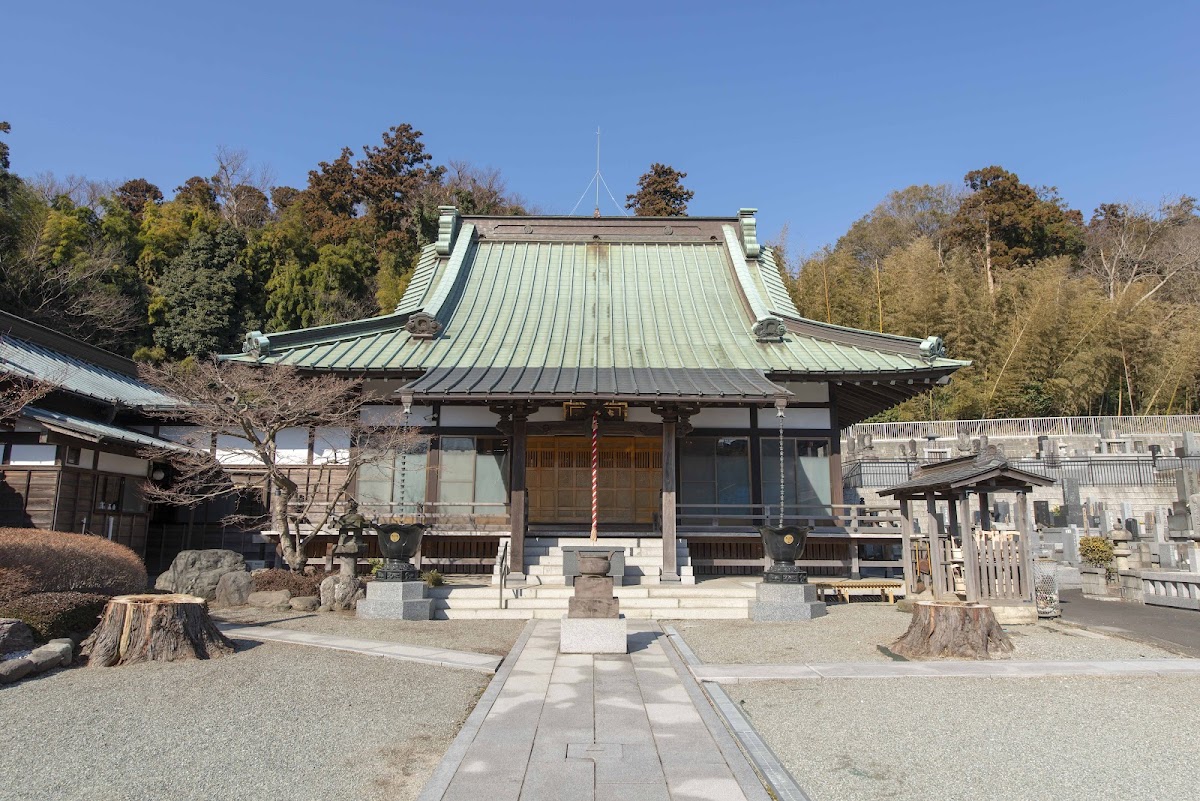
Sennenji Temple, located in Kire 4-chome, Hirano Ward, Osaka City, is a temple belonging to the Yuzu Nenbutsu sect and was founded in 1597 (Keicho 2). The temple’s crest is the five-seven paulownia crest, which originates from the fact that the Nakakire area was a territory directly controlled by the Toyotomi family. This crest is used on the roof tiles of the main hall and the temple gate, conveying the deep connection with the Toyotomi family to this day.
Principal Image and Cultural Assets
The principal image is Amida Buddha, and within the temple grounds is a Buddhist artwork known as “Japan’s most beautiful Kalavinka.” Kalavinka is an imaginary creature with the upper body of a human and the lower body of a bird, said to live in the Pure Land and sing with a beautiful voice. This Kalavinka statue captivates many visitors.
Doll Memorial Service Initiatives
Sennenji Temple in Osaka is widely known as a “temple for doll memorial services” in modern times. They offer a service to respectfully perform memorial services for dolls that hold sentimental value and cannot be discarded, such as Hina dolls, May dolls, and stuffed animals. They receive many requests from all over Japan. Reservations for memorial services are accepted through their official website.
The Cat Monk and Animal Welfare Activities
The head priest is known as the “Cat Monk” and is an influencer with over 440,000 followers on Instagram (@sennenji1597). Through the issuance of cat-themed goshuin (temple stamps), they are working towards zero euthanasia of animals, attracting attention as a modern initiative that connects a temple with animal welfare.
Temple for Severing Bad Relationships
Sennenji Temple in Osaka is also known as a temple for “severing bad relationships.” They accept prayers to sever unwanted ties, such as relationships or bad habits, and people who want to take a step towards a new life visit the temple.
Access Information
- Location: 4-chome, Kire, Hirano-ku, Osaka City
- Nearest Station: 6-minute walk from Exit 3 of Kire-Uriwari Station on the Osaka Metro Tanimachi Line
- Sect: Yuzu Nenbutsu Sect
- Founded: 1597 (Keicho 2)
Sennenji Temple in Shin-Kamigoto Town, Nagasaki Prefecture | A Jodo Sect Temple that Conveys the History of the Edo Period
Historical Background
Sennenji Temple, located in Shin-Kamigoto Town, Minami-Matsuura District, Nagasaki Prefecture, is a temple belonging to the Jodo Sect (head temple Chion-in). According to the temple’s records (old records), the main hall was completed in Shoho 2 (1645).
Founder and First Abbot
The founder was Eguchi Jin’emon Masaaki, a retainer of Arikawa Zen’nai, the local lord of Arikawa. It is said that the temple was built after a wish was fulfilled following a plan conceived while the priest was stationed at Edo Castle. The founding priest is said to be Kanrensha Seiyo Shonin Rintetsu Daiohsho, who was invited from Zendo-ji Temple in Chikugo.
Changes in the Principal Image and Temple Rank
The principal image is Amida Buddha (a wooden standing statue). Originally a branch temple of Fukue Sounen-ji Temple, in 1885 (Meiji 18) it was incorporated as a direct branch temple of the head temple Chion-in, and thereafter officially became known as “Isshinzan Sennen-ji.” This elevation in temple rank demonstrates the temple’s importance in the region.
Access Information
- Location: Shinkamigoto-cho, Minamimatsuura-gun, Nagasaki Prefecture
- Sect: Jodo-shu (Head Temple: Chion-in)
- Principal Image: Amida Buddha (Wooden Standing Statue)
- Main Hall Completion: Shoho 2 (1645)
Sennenji Temple, Kurume City, Fukuoka Prefecture | An Ancient Temple with an Amida Buddha Statue Designated as a National Important Cultural Property
History and Founder
Nishimukaiyama Sennenji Temple, located 5 minutes west of Chikugo-Kusano Station on the JR Kyudai Main Line, is an ancient temple belonging to the Jodo-shu sect. It is said to have been founded in Genkyu 1 (1204) by Jigan Shonin. It is believed that Jigan Shonin, a disciple of Chinzei Shoko Shonin, the second patriarch of the Jodo-shu sect, built the temple at Shoko’s command.
National Important Cultural Property: The Principal Image
The principal image is a wooden statue of Amida Buddha from the Kamakura period, designated as a National Important Cultural Property. This Buddha statue has a history of over 800 years and is a valuable cultural asset that conveys the excellent Buddhist sculpture techniques of the Kamakura period.
Relationship with the Head Temple, Zendo-ji
Sennen-ji Temple in Kurume is located 4 kilometers east of the head temple, Zendo-ji, and has functioned as one of the important centers of the Jodo sect in Kyushu. It is believed that the temple underwent renovations during the Bunsei era (1818-1830).
Access Information
- Location: Kusano-machi, Kurume City, Fukuoka Prefecture
- Nearest Station: 5-minute walk from Chikugo-Kusano Station on the JR Kyudai Main Line
- Sect: Jodo-shu (Pure Land Buddhism)
- Principal Image: Wooden Amida Buddha (National Important Cultural Property, Kamakura period)
- Founder: Genkyu 1 (1204)
Sennenji Temple in Sanjo-cho, Nara City | A Temple of the Shinshu Otani School
Basic Information
Sennenji Temple, located in Sanjo-cho, Nara City, is a temple belonging to the Shinshu Otani School (Higashi Honganji School). The Shinshu Otani School is a branch of Jodo Shinshu Buddhism, founded by Shinran Shonin, and has Higashi Honganji Temple in Kyoto as its head temple.
Temple Activities
The temple conducts activities centered on funerals and memorial services, functioning as a local parishioner temple. It also has a rich annual schedule, playing a role as a spiritual pillar for the local community. ### Access Information
- Location: Sanjo-cho, Nara City, Nara Prefecture
- Sect: Shinshu Otani School
- Phone: 0742-26-0777
- Reception Hours: 9:00 AM – 5:00 PM
Sennenji Temple in Fukaya City, Saitama Prefecture | A temple known as Fukaya Meyakushi (Fukaya Eye Medicine Buddha)
Official Name and History
Shinkokuzan Seiyoin Sennenji Temple is a temple belonging to the Jodo sect and is affectionately known locally as “Fukaya Meyakushi.” Originally, it was a branch temple of Daichoji Temple in Iwase, Kamakura.
Relationship between the Founder and Kamakura Gongoro Kagemasa
The founder is the same as for Daichoji Temple, Chinrensha Kanyo Zontei Shonin. Furthermore, it is said to have a connection to Kamakura Gongoro Kagemasa, making it a temple with ties to the samurai culture of the Kamakura period.
Eye Medicine Buddha Faith
The common name “Fukaya Eye Medicine Buddha” is thought to originate from the belief in Yakushi Nyorai (Medicine Buddha), who is believed to have the power to heal eye diseases. It has long been a place of worship for local residents praying for good health.
Access Information
- Location: Fukaya City, Saitama Prefecture
- Official Name: Fukaya-san Seiyoin Sennenji Temple
- Sect: Jodo-shu (Pure Land Buddhism)
- Founder: Chinrensha Kanyo Sontei Shonin
Sennenji Temple of the Jishu Sect | Temple Associated with Ippen Shonin
Jishu Sect and Ippen Shonin
Hoju-san Konponin Sennenji Temple is a temple belonging to the Jishu sect. The Jishu sect was founded by the Kamakura period monk Ippen Shonin (1239-1289) and is characterized by its practice of “Odori Nenbutsu” (dancing chanting of Amida Buddha’s name).
Founding and History
The sect is believed to have been founded in Kenji 3 (1277) by Ippen Shonin. Ippen Shonin was a monk who traveled throughout Japan (on pilgrimage), spreading the teachings of Nenbutsu, and founded many temples along the way.
Characteristics of the Jishu Sect
The Jishu sect teaches that anyone can attain rebirth in paradise by chanting “Namu Amida Butsu,” and was accepted by many people regardless of social status or gender. Its unique religious practice of Odori Nenbutsu is still practiced in some temples today.
Summary of Sennenji Temples by Sect
Sennenji Temples of the Jodo Sect
Sennenji Temples of the Jodo Sect (Nagasaki, Fukuoka Kurume, Saitama Fukaya, etc.) consider Honen Shonin as their founder and preach attaining rebirth in paradise through chanting “Namu Amida Butsu.” The principal image is generally Amida Buddha, and the head temple is Chion-in in Kyoto.
Sennenji Temples of the Shinshu Otani Sect
Sennenji Temple of the Shinshu Otani Sect (Nara) is a branch of the Jodo Shinshu sect, with Shinran Shonin as its founder. It emphasizes believing in Amida Buddha’s original vow through chanting “Namu Amida Butsu,” and its head temple is Higashi Hongan-ji in Kyoto.
Sennenji Temple of the Yuzu Nembutsu Sect
Sennenji Temple (Hirano Ward, Osaka), of the Yuzu Nembutsu Sect, is a sect founded by Ryōnin Shōnin. It preaches the “Yuzu Nembutsu” teaching, which states that one person’s recitation of the Buddha’s name can reach all, and the recitation of the Buddha’s name by all reaches one. Its head temple is Dainenbutsu-ji Temple in Osaka.
Sennenji Temple of the Jishu Sect
Sennenji Temple of the Jishu Sect was founded by Ippen Shōnin and is characterized by its “Odori Nembutsu” (dancing recitation of the Buddha’s name). It has a tradition of traveling priests who tour the country, and its head temple is Seijōkō-ji Temple (Yūgyō-ji Temple) in Fujisawa City, Kanagawa Prefecture.
Etiquette and Manners for Visiting Sennenji Temple
Basic Etiquette for Visiting Temples
This section introduces basic etiquette for visiting Buddhist temples, including Sennenji Temple.
- Bow at the Temple Gate: Bow before passing through the temple gate.
- Procedure for Washing Hands: Cleanse your hands and mouth at the water basin.
- Worship at the Main Hall: Face the main image of Buddha, join your hands in prayer, and quietly chant the Nembutsu (Buddhist invocation).
- Offering a Coin: Offer your coin quietly and with sincerity.
- Bow Upon Departure: Bow towards the main hall again when leaving the temple gate.
How to Chant the Nembutsu
In Jodo (Pure Land) temples, chant “Namu Amida Butsu.” It is important to be considerate of those around you in volume and chant with sincerity.
Photography Etiquette
Even if photography is not prohibited on the temple grounds, please observe the following etiquette:
- Photography is often prohibited inside the main hall.
- Be considerate of other visitors.
- Avoid using flash photography.
- Check the temple’s policy before posting on social media.
Main Memorial Services and Ceremonies Offered at Sennenji Temple
Doll Memorial Services
Sennenji Temple in Osaka, in particular, actively performs doll memorial services. Dolls filled with memories, such as Hina dolls, May dolls, stuffed animals, and French dolls, are respectfully given a memorial service. Some temples also accept dolls by mail.
Funerals and Memorial Services
Each Sennenji Temple conducts funerals and memorial services for its parishioners and local residents. Annual memorial services such as the seventh day, forty-ninth day, first anniversary, and third anniversary are also accepted.
Prayers and Supplications
Some Sennenji temples accept various prayers, including those for protection against misfortune, family safety, business prosperity, academic success, and severing bad relationships. It is recommended to check by phone or on their website beforehand.
Information on Sennenji Temple’s Goshuin (Temple Seal)
Issuance of Goshuin
Many Sennenji temples offer Goshuin (temple seals). In particular, the “Cat Goshuin” at Sennenji Temple in Osaka is popular and is offered as part of their animal welfare activities.
Manners for Receiving a Goshuin (Temple Stamp)
- Receive the Goshuin after completing your prayers.
- Prepare a Goshuincho (stamp book) (paper stamps may also be available).
- Confirm the Goshuin fee in advance (generally 300-500 yen).
- Request using polite language.
- Wait quietly while the stamp is being written.
Tourist Spots Around Sennenji Temple
Around Hirano Ward, Osaka
- Hirano-go: A historical townscape dating back to the Middle Ages.
- Kuwata Shrine: The guardian shrine of Hirano-go.
- Chohoji Temple: A temple possessing a Buddhist statue designated as an Important Cultural Property.
Around Kurume
- Zendo-ji Temple: The head temple of the Jodo sect.
- Kora Taisha Shrine: The Ichinomiya (first-ranked shrine) of Chikugo Province.
- Kurume Castle Ruins: The site of the Arima clan’s castle.
Around Shinkamigoto Town, Nagasaki
- Okunenji Temple: A nearby temple.
- Keirinji Temple: Historic Temple
- Benzaiten Shrine: Local Place of Worship
- Arikawa Shrine: Local Guardian Deity
- Statue of Hara Father and Son: Monument to Local Historical Figures
Access and Visiting Information for Sennenji Temple
Visiting Hours and Admission Fees
Many Sennenji temples offer free admission, but special viewings and treasure viewings may incur a fee. Visiting hours are generally 9:00 AM to 5:00 PM, but these vary by temple, so it is recommended to check in advance.
Parking Information
Some temples have parking lots for visitors, but spaces are often limited, so using public transportation is recommended.
Accessibility for People with Disabilities
In recent years, many temples have made progress in making them accessible for people with disabilities, but this can be difficult due to the need to preserve historical buildings. If you wish to visit in a wheelchair, it is recommended to contact the temple in advance.
Annual Events at Sennenji Temple
Spring Events
- Spring Equinox Ceremony: A Buddhist service held around the spring equinox in March
- Flower Festival: A ceremony celebrating Buddha’s birthday on April 8th
Summer Events
- Obon Ceremony: An ancestral memorial service held from August 13th to 16th
- Segaki Ceremony: A memorial service for those without relatives and beings in the realm of hungry ghosts
Autumn Events
- Autumn Equinox Ceremony: A Buddhist service held around the autumn equinox in September
Winter Events
- New Year’s Eve Bell: A bell rung 108 times on New Year’s Eve
- Shushō-e Ceremony: A Buddhist service praying for safety in the new year
Cultural Assets and Highlights of Sennenji Temple
Nationally Designated Important Cultural Property
The wooden standing statue of Amida Buddha, housed at Sennenji Temple in Kurume City, Fukuoka Prefecture, is designated as a National Important Cultural Property, dating from the Kamakura period. Its elegant form and exquisite sculptural technique are highly regarded as a masterpiece of Kamakura Buddhist art.
Kalavinka Statue
The “most beautiful Kalavinka in Japan,” located at Sennenji Temple in Osaka, is a valuable Buddhist artwork that visually represents the world of the Pure Land. Its unique form, with the upper body of a celestial maiden and the lower body of a bird, symbolizes the solemnity of the Pure Land.
Historical Buildings
The main halls, gates, and bell towers of each Sennenji Temple are valuable cultural heritage sites that convey the architectural styles of their respective eras. In particular, buildings constructed before the Edo period convey the architectural techniques and religious practices of that time.
Sennenji Temple and the Local Community
Danka System and Temple Management
Most Sennenji Temples are operated under the Danka system (parishioner system). A “danka” is a family that provides economic and spiritual support to a particular temple, maintaining a deep relationship with the temple through funerals and memorial services.
Center of the Local Community
Temples are not merely religious institutions; they also serve as spiritual pillars of the local community. Through annual events and memorial services, they serve as places for local residents to interact.
Modern Initiatives
Like Sennenji Temple in Osaka, an increasing number of temples are actively addressing modern societal issues, such as using social media for information dissemination and engaging in animal welfare activities. By preserving tradition while developing new activities adapted to the times, they are creating connections with younger generations.
Q&A about Visiting Sennenji Temple
Q: Can I visit Sennenji Temple without a reservation?
A: Reservations are not required for regular visits, but if you have a special request such as a memorial service or doll memorial service, you must contact the temple in advance.
Q: Are there any dress code requirements?
A: There are no particularly strict rules, but it is preferable to avoid revealing clothing and to wear clean, presentable attire. When attending a memorial service, it is appropriate to wear clothing in subdued colors such as black or navy blue.
Q: How much should I offer as a donation?
A: There is no set amount for donations. Some people choose auspicious amounts such as 5 yen (go-en, meaning good fortune) or 50 yen (sufficient good fortune), but what matters is your intention.
Q: Can people of other Buddhist sects visit?
A: Yes, Buddhist temples are generally open to anyone. Different sects are not a problem.
Summary: The Charm and Value of Sennenji Temple
Sennenji temples, scattered throughout Japan, each possess their own unique history and culture, and have played an important role in their local communities. Their forms are diverse, ranging from ancient temples founded in the Kamakura period to temples engaged in modern activities.
The Pure Land teachings, which enshrine Amida Buddha as the principal image and preach salvation through chanting the Buddha’s name, have provided spiritual support to many people across generations. The temple’s cultural treasures, including Buddhist statues designated as important national cultural properties and beautiful Kalavinka statues, showcase the richness of Japanese Buddhist art.
In modern times, the temple also engages in new forms of social contribution, such as doll memorial services and animal welfare activities, striving to balance tradition and innovation. A visit to Sennenji Temple will deepen your understanding of the depth of Japanese Buddhist culture and the role of temples in the modern age.
When planning a visit to any Sennenji Temple, we recommend checking the latest information on their official website or by phone beforehand, and visiting with respect and a calm heart.