Complete Guide to Kotohira Shrine: History, Goshuin (Shrine Seals), and Blessings of Famous Shrines Nationwide
Kotohira Shrine is a group of shrines located throughout Japan, with Kotohira-gu Shrine in Shikoku as its head shrine. Known for its blessings of maritime safety and business prosperity, it is affectionately known as “Konpira-san” by local people. This article provides a detailed explanation of the history, enshrined deities, worship methods, and goshuin information for major Kotohira Shrines throughout Japan.
What is Kotohira Shrine?: Basic Knowledge and History of Faith
Kotohira Shrine is a general term for shrines that enshrined a divided spirit of Kotohira-gu Shrine, located in Sanuki Province (present-day Kagawa Prefecture). During the Edo period, “Konpira pilgrimage” became extremely popular among common people, and Kotohira Shrines were established throughout Japan.
Main Deity and Divine Virtues
The main deity of Kotohira Shrine is Ōmononushi-no-kami. Ōmononushi-no-kami is widely worshipped as the god of nation-building, agriculture, and commerce. Many Kotohira Shrines also enshrine Amaterasu Ōmikami in addition to Ōmononushi-no-kami, thus possessing characteristics of a Shinto shrine as well.
The main blessings are as follows:
- Maritime safety and safe voyages
- Business prosperity and success
- Abundant harvests and agricultural protection
- Family safety and protection from evil
- Matchmaking and successful relationships
The Spread of Kotohira Faith
From the mid-to-late Edo period, pilgrimages to Kotohira-gū became a nationwide trend. However, travel to Shikoku was not easy for ordinary people at the time, leading to a surge in the establishment of branch shrines of Kotohira-gū throughout Japan. As a result, Kotohira Shrines were founded all over the country, from Hokkaido in the north to Kyushu in the south.
Bushu Kakio Kotohira Shrine (Kawasaki City, Kanagawa Prefecture)
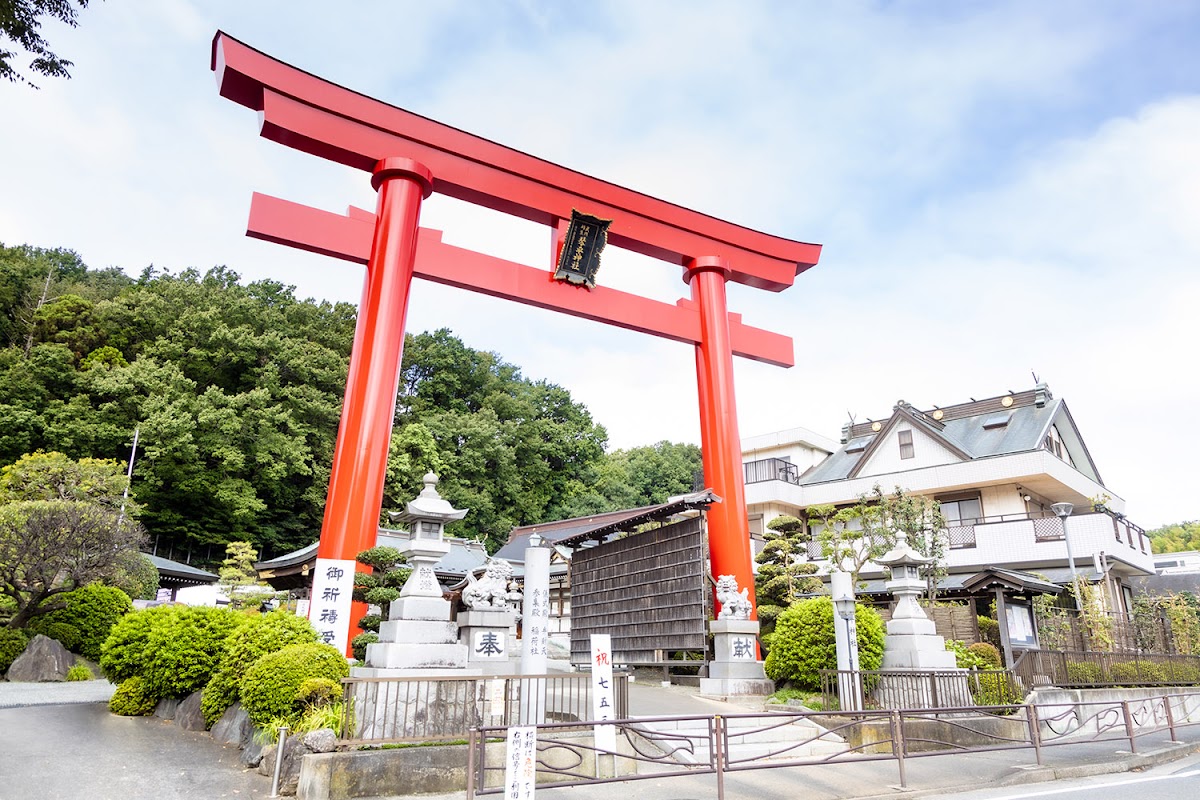
Bushu Kakio Kotohira Shrine, located in Asao Ward, Kawasaki City, Kanagawa Prefecture, is a shrine affectionately known locally as “Kakio’s Konpira-san.”
History and Origin
Bushu Kakio Kotohira Shrine has a long history, and it is said to have been founded as a Shinmei Shrine in Genki 1 (1570). Ancient documents passed down through generations of the Shimura family indicate that a shrine building existed on the current site, known as Iseyama, before the Shotoku era (1711).
In Bunsei 9 (1826), Shimura Bunnojō, the headman of Ōzenji Village, invited Ōmononushi-no-kami from Kotohira-gū in Shikoku and merged the Shinmei Shrine and Kotohira Shrine on the Iseyama site. This is the origin of the current Kotohira Shrine.
In 1980 (Showa 55), the shrine was officially renamed “Kotohira Shrine,” and it remains so to this day.
Deities Enshrined
- Amaterasu Omikami (Originating from Shinmei Shrine)
- Omononushi-no-kami (Originating from Kotohira Shrine)
Features of the Shrine Grounds
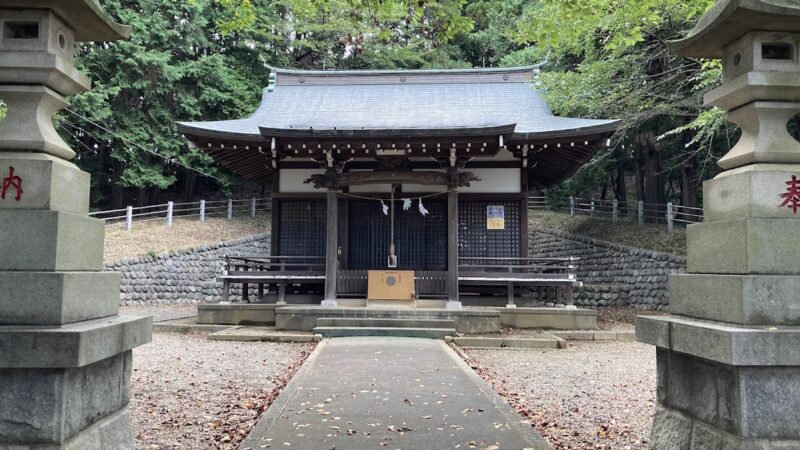
The grounds of Bushu Kakio Kotohira Shrine are characterized by being divided into two areas by a road: the Main Hall and the Ritual Hall. The Main Hall is located on a hill on Iseyama Mountain and is enveloped in a tranquil atmosphere. Prayers and various ceremonies are performed in the Ritual Hall.
The shrine grounds are beautiful throughout the seasons, and many worshippers visit, especially during the cherry blossom season in spring and the autumn foliage season. As the guardian shrine of the region, various festivals are held throughout the year.
Annual Rituals
The following annual rituals are performed at Bushu Kakio Kotohira Shrine:
- January: New Year’s Day Festival, Saitansai Festival, Hatsumode (first shrine visit of the year)
- February: Setsubun Festival, Kigensai Festival
- Spring: Spring Grand Festival
- July: Summer Purification Ceremony
- Autumn: Autumn Grand Festival, Shichi-Go-San Festival
- December: Year-End Purification Ceremony, Joya Festival
Prayers and Various Services
The following prayers are accepted at Bushu Kakio Kotohira Shrine:
- Family Safety
- Business Prosperity
- Traffic Safety
- Protection from Evil Spirits
- Prayer for Safe Childbirth
- First Shrine Visit for a Newborn
- Shichi-Go-San Festival
- Prayer for Success in Examinations
If you wish to request a prayer, it is recommended that you contact the shrine office by phone in advance. Especially during the New Year period and on weekends, crowds are expected, so making a reservation is recommended for a smoother experience.
Goshuin (Shrine Seal) Information
At Bushu Kakio Kotohira Shrine, goshuin are given to visitors. Goshuin are available at the shrine office, and the offering fee is generally around 300 to 500 yen. In addition to direct writing in your goshuin book, pre-printed goshuin may also be available.
Receiving a goshuin is a good way to commemorate your visit and deepen your connection with the shrine.
Access
Location: 5-46-1 Ozenji-Nishi, Asao-ku, Kawasaki City, Kanagawa Prefecture
Access by Train:
- Approximately 15 minutes on foot from Kakio Station on the Odakyu Line
- Take a bus bound for Tsurukawa Station from the north exit of Kakio Station and get off at “Kotohira Shrine Mae” bus stop.
Access by Car:
- Approximately 15 minutes from Yokohama Aoba IC on the Tomei Expressway
- Parking available (limited spaces; public transportation is recommended during festivals)
Bessho Kotohira Shrine (Kumamoto Prefecture)
Bessho Kotohira Shrine, located in Kumamoto Prefecture, is one of the representative Kotohira Shrines in the Kyushu region.
Features and Services
Bessho Kotohira Shrine accepts applications for amulets and Goshuin (shrine stamps) by mail for those who live far away or are unable to visit in person for various reasons. This service has been particularly popular since the COVID-19 pandemic.
Prayers and Konpira Pilgrimage
Bessho Kotohira Shrine cherishes the spirit of traditional Konpira pilgrimages while accepting various prayers tailored to modern needs. Many worshippers visit seeking a wide range of blessings, including maritime safety, traffic safety, business prosperity, and family safety.
Mail-Order Goshuin (Shrine Seal)
Bessho Kotohira Shrine’s mail-order Goshuin service can be used as follows:
- Access the application form on the official website.
- Fill in the required information and submit.
- Pay the offering fee and postage using the specified method.
- The Goshuin will be mailed to you.
For detailed procedures, please check the official website of Bessho Kotohira Shrine.
Kotohira Shrine (Furubira District, Hokkaido)
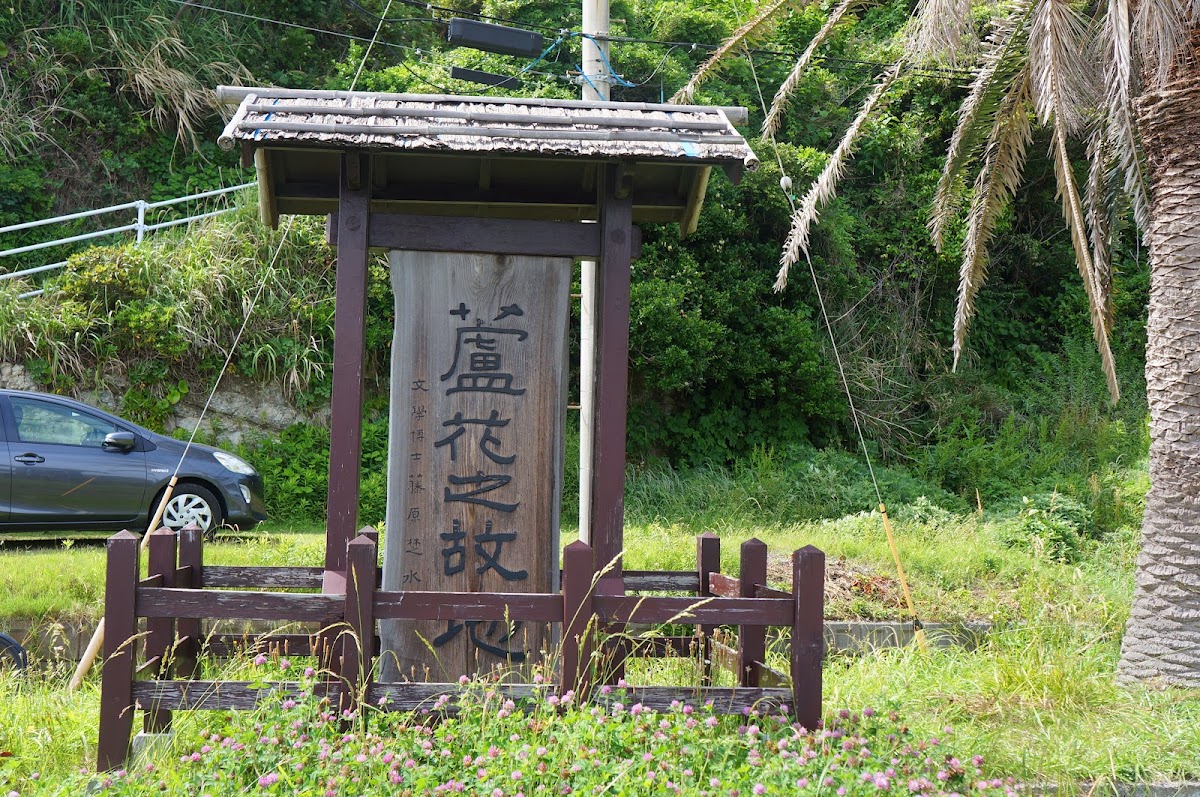
Located in Furubira District, Hokkaido, Kotohira Shrine is one of the central shrines of Kotohira worship in Hokkaido.
History
In 1865 (Keio 1), the shrine petitioned the Hakodate Magistrate’s Office and received land at the foot of Maruyama Mountain. The following year, 1866 (Keio 2), the sacred object of Ōmononushi-no-kami was bestowed from Kyoto, and the shrine was established in June of the same year, with Emperor Sutoku also enshrined.
In 1875 (Meiji 8), it was designated a local shrine and has since become the guardian shrine of Furubira County, attracting local devotion.
Deities Enshrined
- Ōmononushi-no-kami (Main Deity)
- Emperor Sutoku (Enshrined alongside)
Role in the Region
Kotohira Shrine in Hokkaido has attracted the faith of people engaged in the shipping and fishing industries since the pioneering era. Furubira is one of Hokkaido’s leading fishing towns, and many people involved in the fishing industry visit the shrine to pray for safety at sea and a bountiful catch.
Kotohira Shrine (Nankoku City, Kochi Prefecture)
Kotohira Shrine, located in Satokaiden, Nankoku City, Kochi Prefecture, is affectionately known locally as “Toichi no Konpira-sama“.
History and Origin
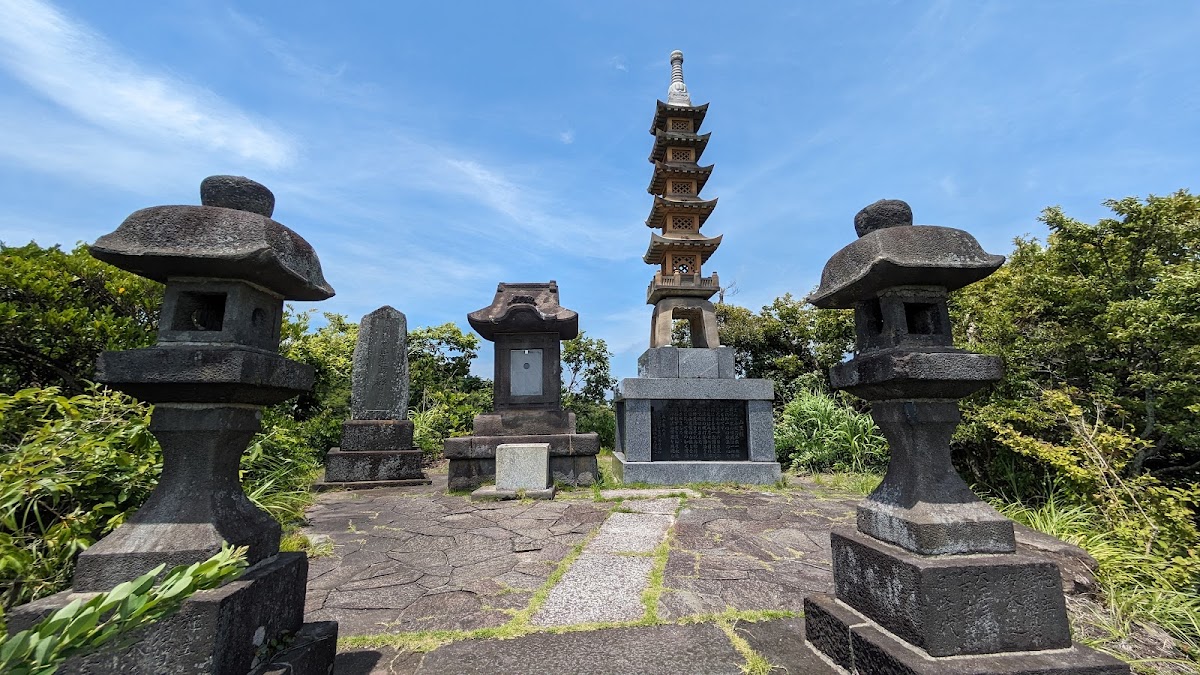
Kotohira Shrine is located on Mount Kotohira, and its origins are ancient. It is said to have begun when Emperor Tenji built the Kurosaki Shrine in Kuroda-go to pray for a bountiful harvest and the happiness of the people.
It was relocated to its current location in Kanei 18 (1641) and has since been revered as the guardian deity of the region.
Nature of Mount Kotohira
Mount Kotohira, where Kotohira Shrine is located, is known for its rich natural beauty. The view from the summit is magnificent, offering a panoramic view of Nankoku City and the Pacific Ocean. Visitors can also enjoy a light hike in conjunction with their visit to the shrine.
Connection to the Community
Kotohira Shrine in Nankoku City plays an important role as the center of local festivals and events. Many parishioners gather for the autumn festival, where traditional Shinto rituals are performed.
Kotohira Shrines Nationwide: Other Notable Shrines
Kotohira Shrines in Tokyo
Several Kotohira Shrines are located within Tokyo. Kotohira-gu Shrine in Toranomon, Minato Ward (Toranomon Kotohira-gu), has been affectionately known as “Toranomon no Konpira-san” since the Edo period, and is visited by many office workers as the guardian deity of the business district.
Kotohira Shrines in Osaka Prefecture
Osaka also has several Kotohira Shrines, and, as befits a commercial city like Osaka, many visitors come to pray for business prosperity.
Other Regions
Numerous Kotohira Shrines of varying sizes are located throughout Japan, each cultivating its own unique history and beliefs in its respective region.
Etiquette and Manners for Visiting Kotohira Shrine
Basic Etiquette for Visiting Shrines
The basic etiquette for visiting shrines, including Kotohira Shrine, is as follows:
- Bow before passing through the torii gate: This shows respect for entering the sacred area.
- Purify yourself at the water basin: Purify your left hand, right hand, and mouth in that order.
- Walk along the edge of the path: The center is considered the path for the gods.
- Etiquette at the main hall: Two bows, two claps, and one bow are the basics.
Receiving Prayer
When receiving prayer, please note the following:
- Advance reservation: Reservations may be necessary, especially during peak seasons.
- Attire: Formal attire or equivalent is desirable.
- Offering fee: The amount varies depending on the type of prayer. Please check at the shrine office.
- Allow plenty of time: Prayers take a certain amount of time.
Manners when receiving a Goshuin (shrine stamp)
When receiving a Goshuin, please observe the following manners:
- Receive after worship: A Goshuin is proof of worship, so be sure to worship before receiving it.
- Prepare a Goshuincho (stamp book): Prepare a dedicated Goshuincho.
- Prepare the offering: It’s a good idea to have small change ready so you don’t need change.
- Use polite language: Ask politely, “May I receive a Goshuin?”
- Wait quietly while it’s being written: Refrain from talking and wait quietly.
Annual events and festivals at Kotohira Shrine
New Year’s events
At Kotohira Shrine, various events are held to welcome the New Year:
- New Year’s Day Festival: A festival praying for peace and prosperity in the new year.
- Hatsumode (First Shrine Visit of the Year): Many worshippers visit to pray for a safe year ahead.
- New Year’s Prayer Ceremony: Prayers are offered for family safety, business prosperity, and other blessings.
Even in the Reiwa era, traditional New Year’s customs are carefully preserved and have become a symbol of the New Year for the local community.
Spring and Autumn Grand Festivals
Many Kotohira Shrines hold grand festivals in spring and autumn. These festivals are the most important events for the shrine, and may include a portable shrine procession and performances.
Summer and Year-End Purification Ceremonies
The Summer Purification Ceremony at the end of June and the Year-End Purification Ceremony at the end of December are important Shinto rituals to purify and cleanse away the impurities accumulated over the past six months. Many shrines hold a ritual of passing through a ring of reeds, and worshippers pray for good health and protection from illness.
Kotohira Shrine and the Local Community
As a Local Guardian Shrine
Kotohira Shrine plays a vital role as a guardian shrine in each region. It serves as a place to pray for the safety and prosperity of the community, and also functions as a community center.
Cultural Inheritance
Shrines are also places for the inheritance of traditional culture. Through festivals, traditional performing arts and customs of the region are passed down to the next generation.
Role in Modern Society
Even in modern society, Kotohira Shrine remains an important spiritual anchor for people. It is deeply connected to the local community through life milestone ceremonies (such as the first shrine visit for a newborn, Shichi-Go-San, and exorcism).
How to Enjoy Visiting Kotohira Shrine
Enjoying the Seasons
Many Kotohira Shrines are situated in rich natural environments. You can enjoy the beauty of each season, from the cherry blossoms in spring, the fresh greenery of early summer, the autumn leaves, to the tranquility of winter.
Amulets and Lucky Charms
Each Kotohira Shrine offers a variety of amulets and lucky charms. You can choose from amulets for maritime safety, business prosperity, traffic safety, and more, depending on your purpose.
Nearby Tourist Attractions
After visiting Kotohira Shrine, we recommend exploring the nearby tourist attractions. For example, the area around the Bushu Kakio Kotohira Shrine in Kawasaki City features the charming streets of Kakio and nature trails, offering a relaxing and enjoyable experience.
Donations and Support for Kotohira Shrine
Types of Donations
Kotohira Shrine accepts the following types of donations:
- Tamagushi-ryo: Donated during prayers and festivals
- Hatsuhoryo: Donated when receiving amulets or talismans
- Honokin: Donations for the maintenance and operation of the shrine
- Honohin: Donations of sake, rice, fruit, etc.
As a Parishioner/Worshipper
Those living in the area can support the shrine as parishioners, and those living far away can support it as worshippers. By paying an annual membership fee, you can contribute to the maintenance and management of the shrine.
Summary: The Charm of Kotohira Shrine
Kotohira Shrines are located throughout Japan, each cultivating its own unique history and faith in its respective region. They offer various blessings, including maritime safety and business prosperity, and are affectionately known as “Konpira-san” by many people.
From shrines with over 400 years of history, like the Musashi Kakio Kotohira Shrine, to those founded during the pioneering era, like the Kotohira Shrine in Hokkaido, each has its own fascinating story.
The solemn atmosphere in the main hall and ceremonial hall, the changing seasons, and the festivals rooted in the local community—Kotohira Shrines offer many attractions. We encourage you to visit a Kotohira Shrine near you and experience its history and faith.
When visiting, you can deepen your connection with the shrine by receiving a Goshuin (shrine stamp) or prayers at the shrine office. We recommend calling ahead to confirm and allowing ample time for your visit.
Even in the Reiwa era, Kotohira Shrines continue to play an important role as a spiritual center for local people and as a place to pass on traditional Japanese culture.