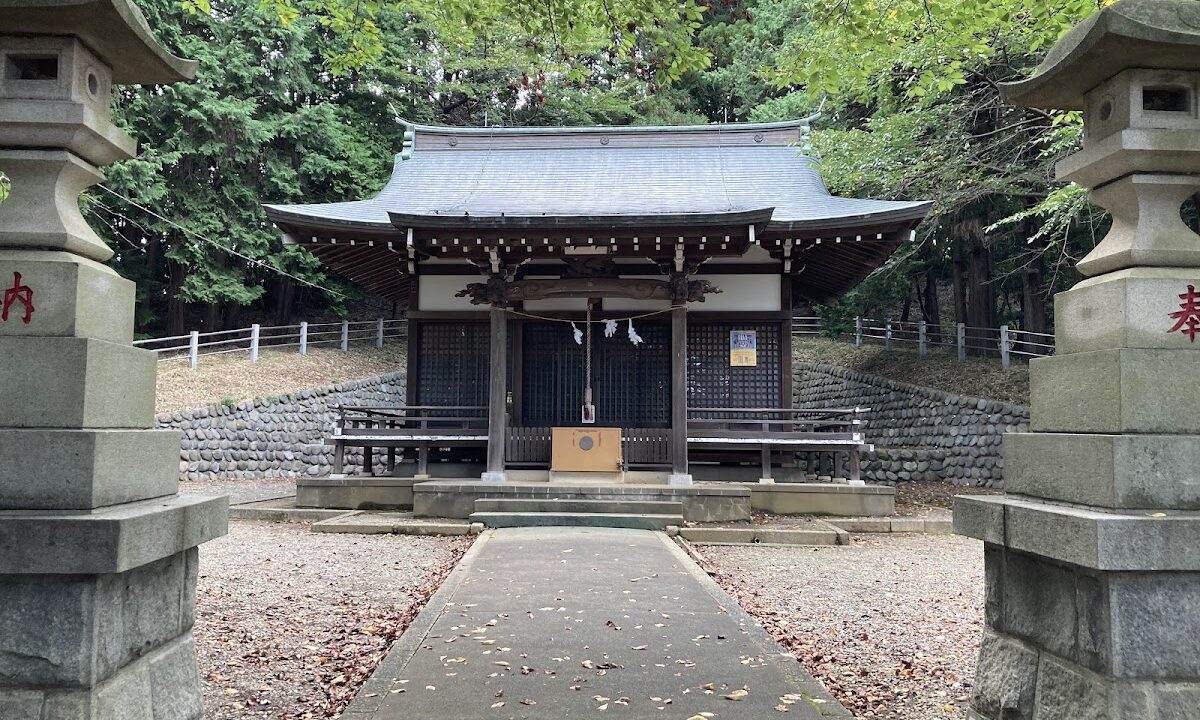
Sugimori Shrine (Tokyo) Complete Guide | History of the Three Edo Shrines and a Famous Place for Praying for Lottery Winnings
Nearby in Nihonbashi Horidomecho, Chuo-ku, Tokyo, stands the historic Sugimori Shrine, a shrine with a history dating back to the Heian period. During the Edo period, it attracted many worshippers as one of the “Three Edo Shrines,” and today it is known as the shrine of Ebisu, one of the Seven Lucky Gods of Nihonbashi, and as a power spot for financial luck and business prosperity, with a history of lottery events.
This article comprehensively introduces information you should know before visiting Sugimori Shrine, including its history, goshuin (shrine seal), access methods, and surrounding tourist spots.
History and Origins of Sugimori Shrine
Legend of its Founding in the Heian Period
The founding of Sugimori Shrine dates back to the Heian period. According to shrine tradition, the shrine’s origins date back to 940 AD, when the warrior Fujiwara no Hidesato prayed for victory in order to quell the rebellion of Taira no Masakado. This ancient history is one of the longest in Tokyo, having watched over the Nihonbashi area for over a thousand years.
The Legend of Ota Dokan’s Rain-Praying
During the Muromachi period, a legend remains that Ota Dokan, known for building Edo Castle, prayed for rain at Sugimori Shrine for the sake of people suffering from drought. It is said that rain miraculously fell after Dokan’s prayer, and this led to the widespread recognition of Sugimori Shrine’s miraculous powers.
The Rise of the Three Edo Shrines
In the Edo period, Sugimori Shrine, along with “Karasumori Shrine” (present-day Shinbashi) and “Yanagimori Shrine” (present-day Kanda), became one of the “Three Edo Shrines,” attracting the fervent devotion of the common people of Edo. As the guardian shrine of Nihonbashi Horidome-cho, an area particularly inhabited by merchants and artisans, it became deeply rooted in the lives of the local people.
History of Lottery Performances
Sugimori Shrine flourished particularly during the Edo period when it received permission from the shogunate to hold lottery performances. These lotteries were the prototype of modern-day lotteries, and during the Edo period, only a limited number of temples and shrines, such as Kanno-ji Temple in Yanaka (now Tenno-ji Temple), Takisen-ji Temple in Meguro, and Yushima Tenjin Shrine, were permitted to hold them. Sugimori Shrine was one of these, becoming a place where many people visited dreaming of striking it rich.
Within the shrine grounds stands a stone monument called “Tomizuka,” commemorating the Edo-period lottery performances. Even today, Tomizuka is a popular spot for many worshippers praying for lottery winnings.
The Great Kanto Earthquake and Post-War Reconstruction
The main hall of Sugimori Shrine was destroyed by fire during the Great Kanto Earthquake of 1923. It was rebuilt in 1931 with earthquake-resistant construction. This shrine incorporated advanced architectural techniques for its time and continues to welcome worshippers today.
While it escaped the ravages of World War II, the surrounding landscape changed dramatically due to post-war urban development. Nevertheless, Sugimori Shrine remains firmly rooted in Nihonbashi, continuing to serve as a spiritual pillar for the community to this day.
Deities and Blessings of Sugimori Shrine
Deities
The deities enshrined at Sugimori Shrine are as follows:
Main Deity: Gosha Inari Okami
- Ukanomitama no Mikoto
- Susanoo no Mikoto
- Kami Oichihime
- Onamuchi no Okami
- Shino Okami
Enshrined Together: Ebisu Okami
Gosha Inari Okami is worshipped as the god of business prosperity and abundant harvests, while Ebisu Okami is worshipped as the god of business prosperity and improved financial fortune.
Main Benefits
Sugimori Shrine is believed to offer the following benefits:
- Business Prosperity: Because it enshrines both Inari and Ebisu, it is considered particularly strong for business prosperity.
- Improved Financial Fortune: Due to its history of lottery events, many visitors come to pray for lottery winnings and improved financial fortune.
- Abundant Harvest: The original benefit of Inari.
- Protection from Evil and Good Fortune: The benefit of protection from evil provided by Susanoo-no-Mikoto.
- Successful Business Negotiations: Located in the Nihonbashi business district, it attracts many business people.
Nihonbashi Seven Lucky Gods Pilgrimage and Sugimori Shrine
Sugimori Shrine enshrines Ebisu, one of the “Nihonbashi Seven Lucky Gods.” The Nihonbashi Seven Lucky Gods Pilgrimage is a popular and easily accessible Seven Lucky Gods pilgrimage in the heart of Tokyo.
Composition of the Nihonbashi Seven Lucky Gods
- Sugimori Shrine (Ebisu) – Business Prosperity
- Suitengu Shrine (Benzaiten) – Safe Childbirth and Fertility
- Chanoki Shrine (Hotei) – Purity and Generosity
- Takada Ebisu Shrine (Ebisu) – Business Prosperity
- Suehiro Shrine (Bishamonten) – Victory and Military Fortune
- Kasama Inari Shrine (Jurojin) – Longevity and Health
- Koami Shrine (Fukurokuju and Benzaiten) – Wealth and Performing Arts
Sugimori Shrine is one of the important bases on the Nihonbashi Seven Lucky Gods pilgrimage and is especially crowded with many visitors during the New Year season.
Highlights of Sugimori Shrine
Tomizuka (Tomizuka)
The most noteworthy feature on the shrine grounds is the “Tomizuka.” This stone monument, erected in 1820 (Bunsei 3), is a valuable cultural asset that conveys the history of lottery performances.
The Tomizuka is inscribed with images and characters related to lotteries, making it an important resource for understanding the popular culture of the Edo period. Currently, many people visit to pray for winning before or after purchasing lottery tickets. Especially during the year-end Jumbo Lottery season, many worshippers can be seen praying before the Tomizuka.
Shrine Building and Fox Statues
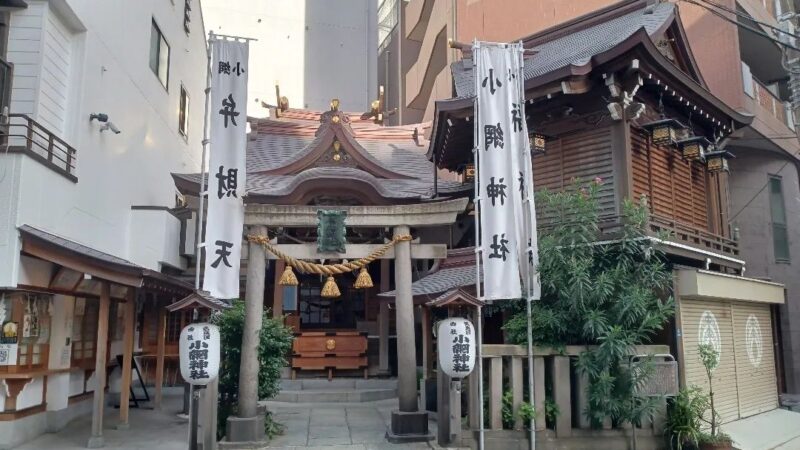
The shrine building, rebuilt in 1931 (Showa 6), is a modern building with earthquake-resistant construction, yet it follows the style of traditional shrine architecture. It is compact but exudes a sense of dignity.
As is typical of Inari shrines, a pair of fox statues are dedicated in front of the shrine building. This fox statue is positioned to watch over worshippers and is an object of faith for those praying for business prosperity and increased wealth. Paying attention to the fox’s expression and posture reveals the intricate carving techniques.
Ebisu Statue
As one of the Seven Lucky Gods of Nihonbashi, a statue of Ebisu is also enshrined on the grounds. Ebisu, holding a fishing rod and a sea bream, symbolizes business prosperity and abundant catches, and many worshippers take photographs of him.
Atmosphere of the Shrine Grounds
Despite being in the hustle and bustle of the city center, Sugimori Shrine maintains a tranquil atmosphere. Although surrounded by office buildings and apartments, stepping onto the grounds feels like entering a different world.
Weekday mornings, in particular, are less crowded and are recommended for a peaceful visit. The grounds are meticulously clean and well-maintained, reflecting how much the shrine is cherished by the local community.
Goshuin (Shrine Seals) and Amulets
Goshuin (Shrine Seals)
At Sugimori Shrine, you can receive several types of goshuin:
- Standard Goshuin: A basic goshuin bearing the name of Sugimori Shrine and the date.
- Nihonbashi Seven Lucky Gods Goshuin: A goshuin for the Seven Lucky Gods pilgrimage, stamped with the seal of Ebisu (the god of fortune).
- Limited “Wealth” Goshuin: A limited-edition goshuin given on special days or times, featuring a design related to Tomizuka (Wealth Mound).
Goshuin can be obtained at the shrine office, but staff may be absent. Therefore, if you want to be sure to receive a goshuin, it is recommended to call in advance.
Goshuin reception hours are generally from 9:30 AM to 5:00 PM, but may vary depending on the day.
Amulets and Souvenirs
Sugimori Shrine offers the following amulets and souvenirs:
- Business Prosperity Amulet: An amulet for business owners wishing for business prosperity.
- Financial Luck Amulet: An amulet for those wishing for improved financial luck or lottery winnings.
- Good Fortune Amulet: A general amulet for good fortune and prosperity.
- Wealth Amulet: A special amulet related to Tomizuka (Wealth Mound).
The amulet designs are dignified, simple yet elegant.
Access and Basic Information
Location
1-10-2 Nihonbashi Horidomecho, Chuo-ku, Tokyo 103-0012
Phone Number
03-3661-5462
Access Methods
Access by Train
- Tokyo Metro Hibiya Line “Kodemmacho Station”: 3-minute walk (nearest station)
- Toei Asakusa Line “Ningyocho Station”: 5-minute walk
- Tokyo Metro Hibiya Line “Ningyocho Station”: 5-minute walk
- Tokyo Metro Hanzomon Line “Suitengumae Station”: 8-minute walk
Access from Kodemmacho Station is the most convenient. After exiting the station, head towards Horidomecho, and you will arrive in about 3 minutes on foot.
Access by Car
Approximately 5 minutes from the “Edobashi Exit” of the Metropolitan Expressway Inner Circular Route. However, there is no dedicated parking lot for the shrine, so you will need to use nearby coin parking. Parking fees in the Nihonbashi area are relatively high, so we recommend using public transportation.
Visiting Hours
While the shrine grounds are generally open 24 hours a day, the shrine office is only open from 9:30 AM to around 5:00 PM. If you wish to receive a Goshuin (shrine stamp) or amulet, please visit during these hours.
Admission Fee
Free
Bettara Market and Sugimori Shrine
The Bettara Market is held annually on October 19th and 20th around Sugimori Shrine. This is a traditional event with a history of over 400 years, a symbol of autumn in Nihonbashi.
History of the Bettara Market
The Bettara Market originally began as a market selling vegetables and fish to be offered at the household shrine the day before Ebisu-ko (October 20th). Among the items sold, the sweet, lightly pickled radish called “Bettara-zuke” was particularly popular.
Bettara-zuke is a type of pickled radish that has been pre-pickled in salt and then sweetened with rice koji and sugar, resulting in a sticky texture. This “stickiness” is the origin of its name.
Modern Bettara Market
At the modern Bettara Market, stalls line the streets around Sugimori Shrine for several hundred meters, selling pickles including bettara-zuke, vegetables, fish, and lucky charms. It attracts approximately 100,000 visitors annually and is a popular autumn event in Tokyo, frequently featured in the media.
During the Bettara Market, Sugimori Shrine sometimes offers special amulets, making it an excellent opportunity to visit the shrine.
Tourist Spots Around Sugimori Shrine
Suiten-gu Shrine
Located about a 10-minute walk from Sugimori Shrine, Suiten-gu Shrine is famous for prayers for safe childbirth. It is also one of the Nihonbashi Seven Lucky Gods and enshrines Benzaiten. The new shrine building was completed in 2016, and is characterized by its modern and beautiful architecture.
Koami Shrine
Approximately a 7-minute walk from Sugimori Shrine. This shrine enshrines Fukurokuju and Benzaiten, two of the Seven Lucky Gods of Nihonbashi. Having miraculously escaped destruction during the Tokyo air raids, it is revered as a “god of good fortune and protection against evil.” The “money-washing well” on the shrine grounds is also popular.
Ningyocho Shopping Street
Ningyocho Shopping Street, located within a 5-minute walk from Sugimori Shrine, is a charming shopping street lined with long-established Japanese confectionery shops, rice cracker shops, and restaurants. Enjoy a stroll while experiencing the atmosphere of the Edo period.
Nihonbashi Bridge
Approximately a 15-minute walk from Sugimori Shrine. This historical bridge has been considered the starting point of Japan’s road network since the Edo period. The current bridge is a stone double-arch bridge built in 1911 and is designated as a National Important Cultural Property. ### Mitsui Memorial Museum
Located within the Mitsui Main Building in Nihonbashi, this museum exhibits art collections, including national treasures and important cultural properties, collected by the Mitsui family. Approximately a 12-minute walk from Sugimori Shrine.
Recommended Restaurants near Sugimori Shrine
Long-Established Restaurants in Nihonbashi
Tamahide (The birthplace of Oyakodon)
An 8-minute walk from Sugimori Shrine. A long-established restaurant founded in 1760 (Horeki 10), known as the birthplace of Oyakodon.
Yanagiya (Taiyaki)
A taiyaki specialty shop in Ningyocho, founded in 1909 (Meiji 42). Characterized by its thin crust and crispy texture.
Morinoen (Hojicha Soft Serve Ice Cream)
A Japanese tea specialty shop founded in 1914 (Taisho 3). Their fragrant hojicha soft serve ice cream is popular.
Amazake Yokocho
A street near Ningyocho Station, named after the shops that once sold amazake (sweet rice wine). Even today, many long-established restaurants line the streets.
Lunch & Dinner Spots
The Nihonbashi/Ningyocho area boasts a wide variety of renowned restaurants, from traditional Japanese cuisine such as Edomae sushi, tempura, eel, and soba noodles, to Western and Chinese food. The abundance of options to suit various budgets is also a major draw.
Visitor Trends at Sugimori Shrine
Characteristics of Visitors
While Sugimori Shrine attracts diverse visitors, the following types of people primarily visit:
- Local Residents/Businesspeople: Local residents who visit regularly
- Lottery Ticket Buyers: People who visit to pray for winning the lottery at Tomizuka
- Seven Lucky Gods Pilgrimage Participants: Tourists who visit the Nihonbashi Seven Lucky Gods pilgrimage during New Year’s or holidays
- Goshuin Collectors: Shrine enthusiasts who collect Goshuin (shrine stamps)
- History Enthusiasts: People interested in Edo history and culture
Recommended Time to Visit
While it is possible to visit year-round, the following times are particularly recommended:
- New Year’s (January 1st-7th): A busy time for Hatsumode (first shrine visit of the year) and the Nihonbashi Seven Lucky Gods pilgrimage
- Bettara Market (October 19th-20th): A chance to experience traditional events
- Weekday Mornings: Recommended for those who want to visit quietly and at their own pace.
While it gets crowded during the New Year’s holiday period, it’s relatively peaceful at other times of the year.
Sugimori Shrine’s Spiritual Power Spot Information
Power Spot for Financial Luck and Wealth
Sugimori Shrine is known as a power spot for financial luck and wealth due to its history in lottery-related activities. It is especially believed that praying in front of the Tomizuka (Lottery Mound) will increase one’s financial luck.
Many people visit the shrine to pray for winning before purchasing lottery tickets, pray for winning after purchasing tickets, and even return to offer thanks after winning. It’s a shrine deeply connected to lotteries.
Benefits for Business Prosperity
Because it enshrines both Inari and Ebisu, it is considered to have particularly strong benefits for business prosperity. Located in Nihonbashi, a commercial center, it is also frequently visited by business owners and sole proprietors praying for success.
A Healing Spot in the City
Despite being located in the heart of the city surrounded by skyscrapers, the temple grounds maintain a quiet and peaceful atmosphere. It serves as a place to escape the hustle and bustle of everyday life and find peace of mind, making it a popular resting spot for people working in the surrounding area.
Manners and Etiquette for Visiting Sugimori Shrine
Basic Worship Etiquette
- Bow before passing through the torii gate: As a sign of respect before entering the sacred area.
- Purify yourself at the water basin: Purify your left hand, then your right hand, then your mouth.
- Walk along the edge of the path: The center is considered the path of the gods.
- Etiquette in front of the main hall: Two bows, two claps, and one bow is the basic procedure.
Regarding Photography
Photography is generally permitted on the shrine grounds, but please note the following:
- Be considerate of other worshippers.
- Refrain from taking photos inside the shrine buildings.
- Avoid using flash photography.
- Use moderation when posting on social media.
Summary: The Charm of Sugimori Shrine
Sugimori Shrine is a shrine with many charms, including its long history dating back to the Heian period, its status as one of the three Edo shrines, the cultural value of its lottery performances, and its role as one of the Nihonbashi Seven Lucky Gods.
Despite its location amidst the hustle and bustle of the city center, Sugimori Shrine maintains a tranquil atmosphere, welcoming a diverse range of visitors: those praying for business prosperity and financial success, those interested in history and culture, and tourists enjoying a stroll through Nihonbashi.
Although its grounds are compact, there are many points of interest, including the Tomizuka (a sacred mound), allowing for a fulfilling visit even in a short time. When visiting the Nihonbashi area, be sure to stop by Sugimori Shrine and experience the atmosphere of this shrine with over a thousand years of history.
Whether your reason for visiting is to pray before buying a lottery ticket, for business success, to visit the Seven Lucky Gods, to collect Goshuin (shrine stamps), or to see the Bettara Market, Sugimori Shrine always warmly welcomes visitors, serving as a spiritual haven in Nihonbashi.