Tokurinji Temple (Ukyo Ward, Kyoto Prefecture) Complete Guide | Detailed Explanation of History, Access, and Characteristics of the Jodo Sect
The Saga district of Ukyo Ward, Kyoto City, is known for its tourist attractions such as Arashiyama and Sagano, but nestled quietly within it is Tokurinji Temple. This article provides a detailed explanation of Tokurinji Temple’s history, characteristics, access methods, and the teachings of the Jodo sect.
Basic Information on Tokurinji Temple
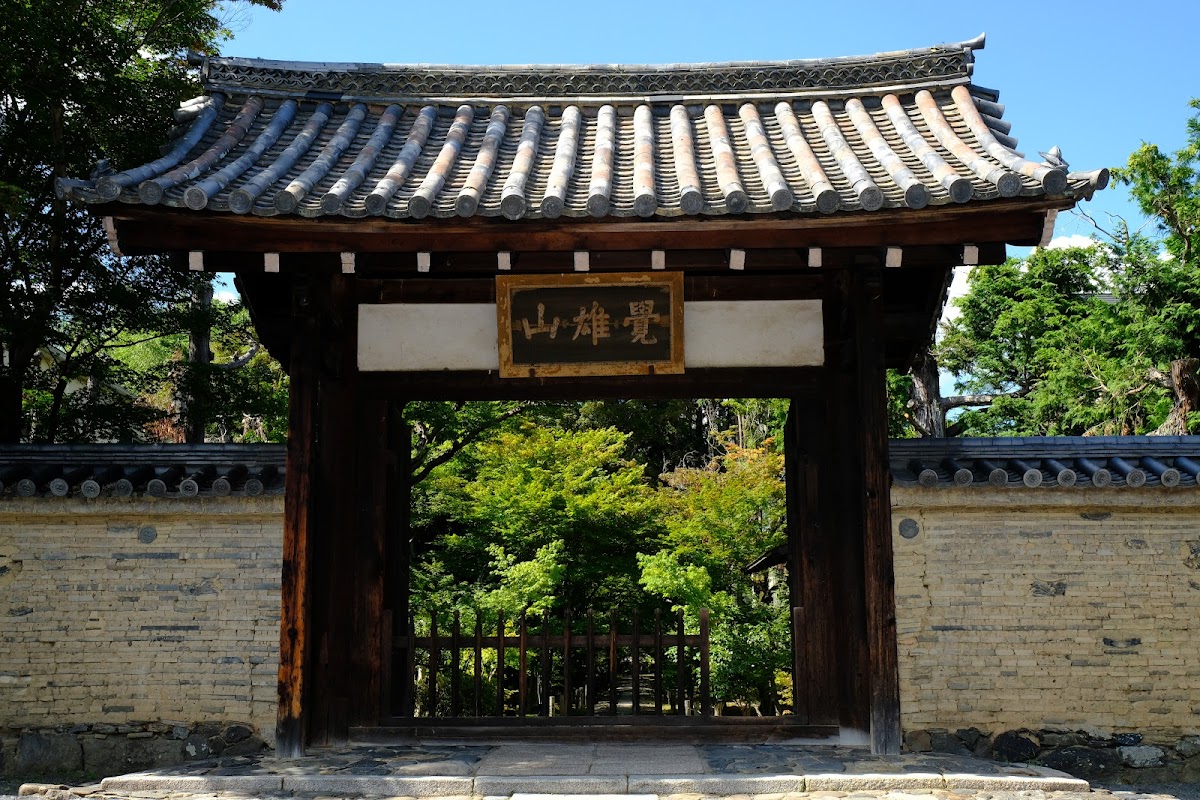
Tokurinji Temple is a Jodo sect temple located at 39 Saga Nakayama-cho, Ukyo Ward, Kyoto City, Kyoto Prefecture. Its mountain name is Buppozan, and it is known as a historical temple deeply rooted in the local community.
Location and Access
Location: 39 Saga Nakayama-cho, Ukyo-ku, Kyoto City, Kyoto Prefecture
Postal Code: 616-8364
Phone Number: 075-861-0591
Chief Priest: Taiju Naito
Sect: Jodo-shu (Pure Land Buddhism)
Mountain Name: Buddhism
Opening Hours: 9:00 AM – 5:00 PM (Visiting Hours)
Tokurinji Temple is conveniently located about a 3-minute walk from Rokuoin Station, making it easily accessible among temples in Kyoto City. Situated in a quiet residential area of the Saga district, it offers a peaceful and tranquil environment for worship.
How to Access Tokurinji Temple
Access by Train
The nearest station to Tokurinji Temple is Rokuoin Station on the Keifuku Electric Railway Arashiyama Line (Randen).
From Keifuku Electric Railway Arashiyama Line, Rokuoin Station:
- Approximately 3 minutes on foot from Exit 1 (approx. 262m)
- Located in the Saga Nakayama-cho area, south of the station, on the way to Kyoto Prefectural Road 112.
Access from Major Stations:
- From Kyoto Station: Approximately 15 minutes on the JR Sagano Line to Saga-Arashiyama Station, then approximately 5 minutes on the Randen line to Rokuoin Station.
- From Shijo-Omiya Station: Approximately 20 minutes on the Randen Arashiyama Line to Rokuoin Station.
- From Arashiyama Station: Approximately 5 minutes on the Randen line to Rokuoin Station.
Access by Bus
If using Kyoto City Buses, it is within walking distance from the nearest bus stop. It is convenient to use bus routes that pass through the Saga area and get off around Saga Nakayama-cho.
Access by Car
Approximately 30 minutes by car from central Kyoto. However, the Saga area can get crowded during the tourist season, so we recommend using public transportation. Please inquire with the temple in advance regarding parking availability.
History and Origins of Tokurinji Temple
Founding and Historical Background of the Temple
The Saga area, where Tokurinji Temple is located, has been a beloved area for aristocrats and cultural figures since the Heian period. Many temples were built in this area, and Buddhist culture flourished. Tokurinji Temple has also played an important role as a center of faith in the region within this historical context.
Kyoto temples each have a long history and are deeply connected to their local communities. Tokurinji Temple is no exception, and has a history of being used as a family temple and a place of worship for local residents.
Temple Culture of the Saga Area
The Saga area is known as a place associated with Emperor Saga, and many temples are scattered throughout the area. In this region, home to numerous renowned temples such as Seiryoji (Saga Shakado), Daikakuji, Nisonin, and Jojakkoji, Tokurinji plays a unique role as a community-oriented temple.
Unlike tourist temples, Tokurinji is characterized by its practical function as a temple supporting the daily religious activities, funerals, and memorial services of local residents.
About the Jodo Sect | About Tokurinji’s Sect
Teachings and History of the Jodo Sect
The Jodo Sect, to which Tokurinji belongs, is a sect of Japanese Buddhism founded by Honen Shonin (1133-1212). Established from the late Heian period to the early Kamakura period, it teaches that anyone can attain rebirth in the Pure Land by chanting “Namu Amida Butsu.”
Basic Doctrines of the Jodo Sect:
- Principal Deity: Amida Buddha
- Fundamental Scriptures: The Three Pure Land Sutras (Larger Sukhavativyuha Sutra, Contemplation Sutra, Amida Sutra)
- Method of Practice: Chanting the Nembutsu (Reciting “Namu Amida Butsu”)
- Head Temple: Chion-in Temple (Higashiyama Ward, Kyoto City)
Characteristics of the Jodo Sect
The greatest characteristic of the Jodo Sect is the concept of “exclusive chanting of the Nembutsu.” This is a teaching that salvation can be attained simply by chanting the Nembutsu, without the need for other difficult practices or studies. This teaching was groundbreaking in the turbulent society of the late Heian period, opening the door to Buddhist salvation not only for the nobility but also for commoners.
Honen Shonin inherited the teachings of Master Shandao of China and, in his “Selected Original Vow Nembutsu Collection,” expounded that chanting the Nembutsu is the practice that aligns with Amida Buddha’s original vow. This teaching was accepted by many people as it showed a path to salvation for everyone equally, regardless of knowledge or wealth.
Jodo Sect Funeral and Memorial Service
Jodo Sect funerals are conducted as rituals to send the deceased to Amida Buddha’s Pure Land.
Characteristics of Jodo Sect Funerals:
- Pillow Sutra: Chanting of the Nembutsu immediately after death
- Wake: Chanting of sutras, primarily the Nembutsu
- Funeral Service: Guiding the deceased to the Pure Land through the Indō ritual
- Incense Offering: Offering incense by pinching it three times (general practice)
- Prayer Beads: Using double-strand prayer beads
Tokurinji Temple also conducts funerals and memorial services in accordance with these Jodo Sect customs.
About Funerals and Memorial Services at Tokurinji Temple
Characteristics of Temple Funerals
Unlike funerals conducted impersonally at inexpensive funeral halls, Tokurinji Temple offers an ideal environment for those who wish to send off their loved ones in a solemn atmosphere.
Advantages of Temple Funerals:
- You can send off your loved one in the solemn atmosphere of a historic temple.
- A quiet and peaceful environment allows for a heartfelt funeral.
- A respectful ceremony following the traditional customs of the Jodo sect.
- Heartfelt chanting and sermons by the head priest.
- The warmth unique to a temple rooted in the local community.
Available Buddhist Services
Tokurinji Temple offers the following Buddhist services:
- Funeral and Memorial Service: Conducting funerals according to the customs of the Jodo sect.
- Memorial Services: Annual memorial services such as the seventh day, forty-ninth day, first anniversary, and third anniversary.
- Ancestral Memorial Services: Memorial services during Obon and Higan.
- Perpetual Memorial Services: Memorial service for those without successors.
- Grave Closure Consultation: Consultation regarding grave closure and relocation.
For specific usage methods and costs, we recommend contacting the temple directly.
Temple Culture in Ukyo Ward, Kyoto City
Characteristics of Temples in Ukyo Ward
Ukyo Ward in Kyoto City is an area with a particularly high concentration of temples within Kyoto City. Even in the Saga-Arashiyama area alone, there are numerous historical temples, including the World Heritage site Tenryu-ji Temple.
Major Temples in Ukyo Ward:
- Tenryu-ji Temple (World Heritage Site, Rinzai Zen sect)
- Daikaku-ji Temple (Head Temple of the Daikaku-ji branch of Shingon Buddhism)
- Seiryo-ji Temple (Jodo sect)
- Koryu-ji Temple (Shingon sect)
- Kozan-ji Temple (World Heritage Site, Shingon sect)
- Ninna-ji Temple (World Heritage Site, Head Temple of the Omuro branch of Shingon Buddhism)
- Ryoan-ji Temple (World Heritage Site, Rinzai Zen sect)
- Adashino Nenbutsu-ji Temple (Jodo sect)
- Rokuo-in Temple (Rinzai Zen sect)
Tokurin-ji Temple, unlike these famous tourist temples, is characterized by its emphasis on its role as a community-based family temple.
Historical Background of the Saga District
The Saga district developed from the fact that Emperor Saga (786-842) established a detached palace there in the early Heian period. Emperor Saga was also known as a man of culture, and many cultural activities took place in this area. As a result, many temples were built in the Saga district, and Buddhist culture flourished.
Even after the Middle Ages, it continued to be cherished by nobles, samurai, and cultural figures, and today it maintains a representative cultural landscape of Kyoto. Tokurinji Temple has also supported the local faith within this historical and cultural foundation.
Attractions Around Tokurinji Temple
Rokuoin Temple
Rokuoin Temple is the closest famous temple to Tokurinji Temple. It is a Rinzai Zen temple, said to have been founded by Ashikaga Yoshimitsu. It is characterized by its beautiful garden and tranquil atmosphere, and is also known as a famous spot for autumn foliage. It is the temple from which Rokuoin Station is named.
Arashiyama/Sagano Area
A short walk from Tokurinji Temple will take you to the Arashiyama/Sagano area, one of Kyoto’s most representative tourist destinations. Many famous spots, such as Togetsukyo Bridge, the Bamboo Grove, and Tenryuji Temple, attract tourists from both Japan and abroad.
Daikakuji Temple and Hirosawa Pond
In the northern part of the Sagano area lies Daikakuji Temple, the head temple of the Daikakuji branch of Shingon Buddhism. It was converted from Emperor Saga’s detached palace and boasts the beautiful Hirosawa Pond.
Points to Note When Visiting Tokurinji Temple
Etiquette for Visiting Temples
Tokurinji Temple is not a tourist temple, but rather a temple that functions as a place of worship for the local community. Please observe the following points when visiting the temple:
- Pray quietly and refrain from speaking loudly on the temple grounds.
- Take photographs sparingly; if permission is required, please check in advance.
- Do not enter the main hall or other buildings on the temple grounds without permission.
- Respect the opening hours (9:00 AM to 5:00 PM).
- Observe quietly if a memorial service or funeral is taking place.
Regarding Attire
For general visits, no special attire is required. However, if attending a memorial service or funeral, please wear appropriate attire such as mourning clothes or formal wear.
Regarding Prior Contact
If you are considering using specific services such as requesting funeral or memorial services, or inquiring about perpetual memorial services, it is recommended that you contact the temple by phone in advance. Since the head priest or temple staff may be absent, it is best to confirm before visiting.
Kyoto’s Jodo Sect Temple Network
Jodo Sect Head Temples and Temples in Kyoto
Chion-in Temple, the head temple of the Jodo Sect, is located in Higashiyama Ward, Kyoto City, and is the central hub for Jodo Sect temples nationwide, including Tokurin-ji Temple. In addition to Chion-in Temple, Kyoto has the following important Jodo Sect temples:
- Chion-in Temple (Head Temple, Higashiyama Ward)
- Seiryo-ji Temple (Ukyo Ward)
- Adashino Nenbutsu-ji Temple (Ukyo Ward)
- Konkai Komyoji Temple (Sakyo Ward)
- Seigan-ji Temple (Nakagyo Ward)
Tokurin-ji Temple belongs to the same sect as these temples and plays a role in practicing the teachings of the Jodo Sect in the region.
About Searching for Jodo Sect Temples
The Jodo Sect has an official temple search system that allows you to search for Jodo Sect temples nationwide. Tokurin-ji Temple is also registered as an official Jodo Sect temple and operates as part of the sect’s network.
The Role of Temples in Modern Times
As a Hub for Local Communities
In modern society, temples are not merely religious institutions, but play a vital role as hubs for local communities. Community-oriented temples like Tokurinji Temple function as:
- A spiritual haven for local residents
- A place for the transmission of traditional culture
- A place for rituals at life’s milestones
- A place for ancestral veneration and reaffirming family bonds
- A place for preserving local history and memories
Modern Challenges in Funerals and Memorial Services
In recent years, the way funerals and memorial services are conducted has changed due to the declining birthrate, aging population, and the rise of nuclear families. Temples like Tokurinji Temple offer services that address these modern challenges, such as:
- Addressing the need for perpetual memorial services
- Consultation and support for closing graves
- Handling small-scale funerals such as family funerals
- Consultation on succession issues
How to Contact Tokurinji Temple
Contact Information
You can contact Tokurinji Temple using the following methods:
Phone: 075-861-0591
Address: 39 Saga Nakayama-cho, Ukyo-ku, Kyoto City, Kyoto Prefecture 616-8364
Examples of Inquiries
- Requests and consultations regarding funerals and memorial services
- Consultations regarding perpetual memorial services
- Consultations regarding grave closures
- Inquiries regarding visits and tours
- Questions about the teachings of the Jodo sect
- Consultations regarding temple parishioners
If you have specific questions, we recommend contacting us by phone in advance to schedule a visit.
Summary: The Charm and Value of Tokurinji Temple
Tokurinji Temple is a Jodo sect temple located in Saga Nakayama-cho, Ukyo-ku, Kyoto City. Despite its convenient location, approximately a 3-minute walk from Rokuoin Station, it maintains a quiet and peaceful environment.
Located in the bustling Arashiyama-Sagano area, a popular tourist destination, Tokurinji Temple has long served as a deeply rooted family temple, supporting the religious lives of local residents. It provides services such as funerals, memorial services, and perpetual memorial services based on the teachings of the Jodo sect, fulfilling the role of a temple in modern society.
For those who wish to respectfully bid farewell to their loved ones in the solemn atmosphere of a historic temple, those who wish to experience the teachings of the Jodo sect, and those who desire a peaceful environment for worship, Tokurinji Temple is a valuable choice.
As a vital part of Kyoto’s temple culture, Tokurinji Temple will continue to fulfill its role as a temple that walks hand-in-hand with the local community.