Injoji Temple (Senbon Enmado) Complete Guide: The World of Enma Worship and Nembutsu Kyogen Associated with Ono no Takamura
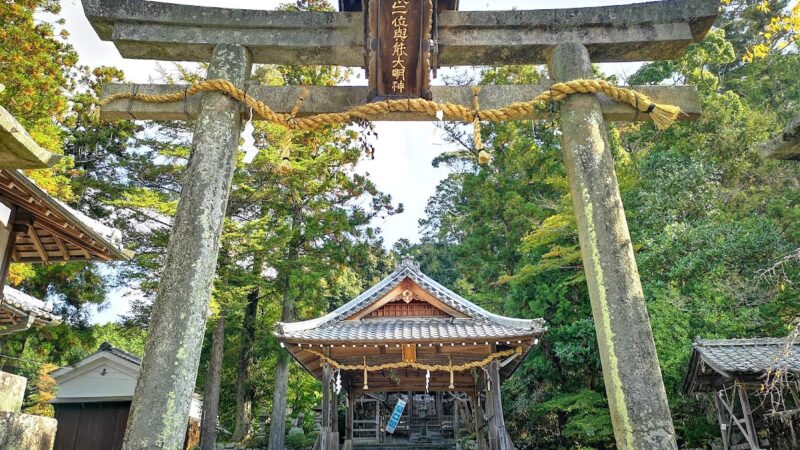
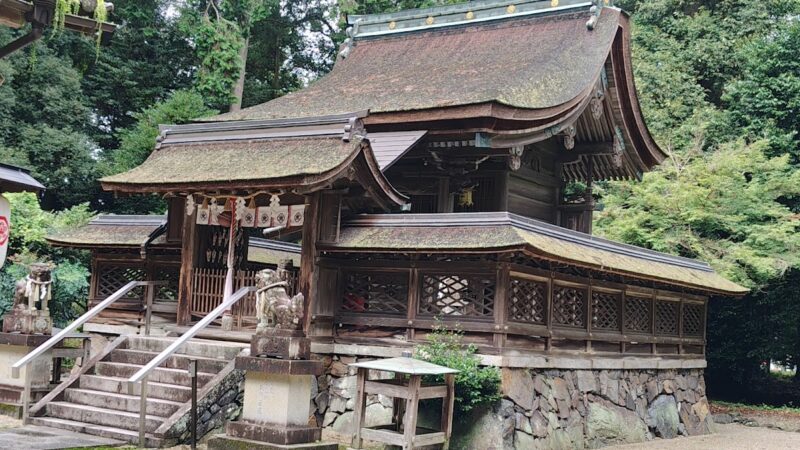
Injoji Temple, located along Senbon Street in Kamigyo Ward, Kyoto City, is a Shingon Buddhist temple of the Koyasan sect, widely known by its nicknames “Senbon Enmado” and “Senbon Enmado.” It is a rare temple nationwide that enshrines Enma, the King of Hell, as its principal deity, and is known for its mystical legends surrounding Ono no Takamura, a legendary figure from the Heian period, and for “Senbon Enmado Dai Nembutsu Kyogen,” one of Kyoto’s three major Nembutsu Kyogen performances.
This article comprehensively introduces information you should know before visiting Injoji Temple, including its history, highlights, annual events, and access methods.
History and Origin of Injoji Temple
Formal Name and Mountain Name
The formal name of Injoji Temple is “Komyozan Kankiin Injoji.” Its mountain name is Komyozan, and its temple name is Kankiin. It belongs to the Koyasan Shingon sect. It is generally known as “Senbon Enma-do” or “Senbon Enma-do,” and is affectionately called simply “Enma-do” by locals.
The name “Injo” in the temple’s name is a Buddhist term meaning “to guide sentient beings to the Pure Land,” a fitting name for a temple dedicated to King Yama, who bridges the gap between this world and the next.
Legend of Ono no Takamura and the Founder
Injoji Temple is said to have been founded by Ono no Takamura (802-853), a court official and poet of the early Heian period. Ono no Takamura is a famous poet who appears in the Hyakunin Isshu (One Hundred Poets, One Poem Each), and is also a figure surrounded by numerous mysterious legends. The most famous legend tells of Takamura serving the imperial court during the day and working as an assistant to King Yama in the underworld at night. According to this legend, Takamura possessed supernatural powers to travel between this world and the next, traveling to the underworld through a well at Rokudo Chinno-ji Temple and returning through a well at Fukusho-ji Temple in Saga (which no longer exists).
Takamura enshrined a statue of King Yama at the entrance to Suzaku-oji Avenue, marking the beginning of Injo-ji Temple. During the Heian period, this location was the entrance to Rendaino, a burial ground, and truly situated at the boundary between this world and the next.
History of Rendaino and Burial Practices
Heian-kyo had three major open-air burial grounds: Adashino, Toribeno, and Rendaino. Rendai-no, where Injoji Temple is located, was a burial ground north of Heian-kyo (Kyoto), a place where many people’s final moments were witnessed.
Located at the entrance to Rendai-no, Injoji Temple has long played an important role as a fundamental training ground for welcoming spirits, serving as a gateway to the afterlife. During the Obon season, many people visit the temple to welcome the spirits of their ancestors, and this tradition continues to this day.
The Charm of the Main Image, the Statue of King Yama
What is King Yama?
King Yama (Enma Daio) is the king of the underworld in Buddhism, known as the judge who judges the actions of the deceased during their lifetime. In Japan, the saying “If you lie, King Yama will pull out your tongue” is widely known and has been used in moral education for children.
King Yama is a crucial figure who determines whether the deceased go to paradise or hell, and is often depicted in a fearsome form, but he also possesses a compassionate side as a savior.
The Statue of King Yama at Injoji Temple
The seated statue of King Yama, the principal image of Injoji Temple, is a magnificent statue standing approximately 2.4 meters tall. It is said to have been created in 1017 by Jocho and his disciples.
Flanking the statue of King Yama are the attendant deities Shimei and Shiroku. Shimei is considered the god who governs lifespan, and Shiroku the god who records people’s good and evil deeds; they assist King Yama in his judgments. This three-figure arrangement is a distinctive feature of Injoji Temple.
The principal image of King Yama, with its stern yet dignified expression, exudes a presence that prompts visitors to deeply contemplate life and death.
Senbon Enmado Dainembutsu Kyogen
One of Kyoto’s Three Great Nenbutsu Kyogen
Injoji Temple is widely known as the temple where the “Senbon Enmado Dainembutsu Kyogen” is passed down. This Nenbutsu Kyogen, along with the “Mibu Kyogen” of Mibu Temple and the “Saga Dainembutsu Kyogen” of Seiryoji Temple, is counted among the “Three Great Nenbutsu Kyogen of Kyoto” and is an important intangible folk cultural property.
Nenbutsu Kyogen is a performing art that developed to convey Buddhist teachings to the common people in an easy-to-understand way, and is characterized by its silent drama without dialogue. It has a unique style in which the story unfolds only with the music of gongs and drums and the gestures and movements of the performers.
Dates and Program
The Senbon Enmado Dainembutsu Kyogen is held annually from May 1st to 4th. This period has become a well-established Golden Week tradition in Kyoto, attracting many tourists and locals alike.
The schedule is as follows:
- May 1st: Evening performance 7:00 PM – 9:30 PM
- May 2nd: Evening performance 7:00 PM – 9:30 PM
- May 3rd: Daytime performance 12:00 PM – 4:30 PM, Evening performance 6:00 PM – 9:00 PM
- May 4th: Daytime performance 12:00 PM – 4:30 PM, Evening performance 6:00 PM – 9:30 PM
The performances include a variety of works ranging from humorous to didactic, such as “Imo-jiru” (potato soup), “Enma-cho” (the King of Hell’s Court), “Tsuchigumo” (earth spider), and “Hana-nusuto” (flower thief), preserving a tradition that has been passed down for hundreds of years.
The History and Significance of Kyogen
The Nenbutsu Kyogen at Senbon Enmado Temple is said to have a history dating back to the Kamakura period. Originally, it developed from “Nenbutsu Odori” (Nenbutsu Dance), a dance performed while chanting Buddhist prayers, and began as a means of spreading Buddhist teachings to the common people.
Even today, it is carefully preserved by a local preservation society, and the performers are local residents. This traditional art form is not merely a tourist attraction, but functions as an important cultural activity that deepens the bonds of the local community.
Highlights of the Temple Grounds
Fugenzo Cherry Tree (Fugen-do Cherry Tree)
Within the grounds of Injoji Temple is the “Fugenzo Cherry Tree,” designated as a natural monument of Kyoto City. This cherry tree is a type of double-flowered cherry tree, and two leaf-like pistils protrude from the center of the flower. Its appearance resembles the trunk of the elephant ridden by Fugen Bodhisattva, hence its name.
The Fugenzo cherry tree is a late-blooming variety, reaching its peak bloom from mid- to late April, after the Somei Yoshino cherry blossoms have fallen. Its magnificent double blossoms are a delicate pink, and when in full bloom, they beautifully adorn the temple grounds.
This variety is also planted in Kyoto Gyoen National Garden and Hirano Shrine, but the Fugenzo cherry tree at Injoji Temple is particularly splendid and cherished by locals as a symbol of spring’s arrival.
Murasaki Shikibu Memorial Tower
Within the temple grounds is a memorial tower for Murasaki Shikibu, a female writer from the Heian period. Murasaki Shikibu is known as the author of “The Tale of Genji,” but because she depicted many loves and human relationships in the story, a legend arose that she was condemned to hell for “the sin of writing lies.”
It is said that people who took pity on her erected this memorial tower to comfort her spirit. It is an interesting historical site where literature and faith intersect.
Water-Pouring Jizo
Within the temple grounds, there is a Water-Pouring Jizo statue. Visitors pour water over it with a ladle while making their wishes. The Water-Pouring Jizo is an object of folk belief; it is believed that pouring water over it purifies the statue and grants wishes.
Other Highlights
The grounds of Injoji Temple are dotted with various memorial towers and monuments, such as the Brush Mound and the Carp Mound. These express gratitude for worn-out tools and living creatures, and can be considered a cultural heritage that demonstrates the Japanese view of nature and respect for objects.
Annual Events and Welcoming the Spirits
Welcoming the Spirits (Oshorai Mukae)
Injoji Temple has long been known as the “fundamental training ground for welcoming the spirits of ancestors.” During the Obon period, a special memorial service is held to welcome the spirits of ancestors.
Located at the entrance to Rendaino, this temple has been considered a boundary between this world and the next, a place where the spirits of ancestors return. The welcoming of ancestral spirits during Obon is one of the most important religious events at Injoji Temple.
Other Annual Events
- First three days of the New Year: The temple is bustling with worshippers making their first visit of the year.
- Setsubun: Setsubun festival is held, and prayers for protection against evil are offered.
- May 1st-4th: Senbon Enmado Daibutsu Kyogen performance.
- Obon (August): Memorial service to welcome ancestral spirits.
These events are deeply rooted in the lives of the local people and demonstrate the role the temple plays in accordance with the changing seasons.
Visiting Information
Basic Information
- Official Name: Komyo-zan Kanki-in Injoji Temple
- Common Name: Senbon Enmado, Senbon Enma-do
- Sect: Koyasan Shingon Buddhism
- Principal Image: Enma-o (King Yama)
- Founder: Ono no Takamura
- Address: 34 Enma-mae-cho, Senbon-dori Rozanji-agaru, Kamigyo-ku, Kyoto City
- Visiting Hours: 9:00 AM – 5:00 PM (Normal Hours)
- Admission Fee: Free entry to the grounds (Additional fees may apply during special viewings)
- Parking: Available (Several spaces, Free)
Access Method
Using Public Transportation
- City Bus: Get off at “Kenryu-ko-mae” or “Senbon Kuramaguchi” bus stop (Kyoto City Bus), approximately 2 minutes on foot
- From Kyoto Station: Approximately 25 minutes by Bus Route 206
- From Shijo Kawaramachi: Approximately 20 minutes by Bus Route 46
- Train: Get off at Kuramaguchi Station on the Karasuma Subway Line, then approximately 15 minutes on foot
If using a private car
Located along Senbon-dori Street, there are several parking spaces on the temple grounds. However, congestion is expected during the Nenbutsu Kyogen performance period and the cherry blossom season, so using public transportation is recommended.
Nearby Tourist Attractions
Senbon Shakado (Daihoonji Temple)
Senbon Shakado, located about a 10-minute walk from Injoji Temple, is an ancient temple founded during the Kamakura period, possessing a National Treasure main hall and important cultural property Buddhist statues. It is also known for the “Okame Legend,” and the “Okame Fukusetsubun” festival is held during Setsubun in February.
Kitano Tenmangu Shrine
Kitano Tenmangu Shrine, dedicated to Sugawara no Michizane, the god of learning, is about a 15-minute walk from Injoji Temple. Known for its plum blossoms, it hosts an antique market on the 25th of every month (“Tenjin-san”), attracting many visitors.
Seimei Shrine
Seimei Shrine, dedicated to the Onmyoji (exorcist) Abe no Seimei, is also relatively close and within walking distance. As a place associated with Seimei, who, like Ono no Takamura, is shrouded in mystical legends, it is a popular power spot.
Points to Note When Visiting Injoji Temple
Recommended Time to Visit
- Mid-to-late April: The best time to see the Fugenzo cherry blossoms. This is the time when the late-blooming double cherry blossoms are at their most beautiful.
- May 1st-4th: The Senbon Enmado Dai Nenbutsu Kyogen performance is held, and the temple grounds are enveloped in a special atmosphere.
- August Obon: A memorial service to welcome the spirits of the ancestors is held, allowing visitors to experience the temple’s original role.
Regarding Photography
Photography within the temple grounds is generally permitted, but there may be restrictions on photographing the interior of the main hall or the Buddha statues. Regarding photography of the Nenbutsu Kyogen performances, permission may vary depending on the performance, so it is recommended to check in advance.
Manners and Precautions
Injoji Temple is a place of faith for the local people before it is a tourist temple. Please observe proper etiquette and be mindful of quiet observation. Especially during memorial services and Kyogen performances, please be considerate and turn off your mobile phone.
The Teachings of Life and Death Conveyed by Injoji Temple
The most distinctive feature of Injoji Temple is that, by enshrining Enma-o (King Yama) as its principal deity, it confronts “death” head-on. While death tends to be considered taboo in modern society, this temple explores the meaning of life through the lens of death.
The legend of Ono no Takamura suggests that this world and the next are not completely separate but rather interconnected. Located at the entrance to the burial ground of Rendaino, Injoji Temple has served as a place where the living and the dead intersect, continuously conveying the preciousness of life and the meaning of death to people.
Standing before King Yama, we are reminded to reflect on our own lives and reaffirm the importance of living an honest and sincere existence. The saying, “If you lie, King Yama will pull out your tongue,” is not merely a threat, but a profound wisdom teaching the importance of speaking the truth and living honestly.
Summary
Injoji Temple (Senbon Enmado) is a rare temple nationwide that enshrines King Yama as its principal deity. It boasts many attractions, including the mystical legend of Ono no Takamura, the “Senbon Enmado Dai Nenbutsu Kyogen” (one of Kyoto’s three major Nenbutsu Kyogen plays), and the beautiful Fugenzo cherry blossoms.
Located at the entrance to Rendaino, the burial ground of Heian-kyo, this temple has long functioned as a fundamental training ground for welcoming spirits, representing the boundary between this world and the next. It is a precious place that prompts deep reflection on life and death.
Rather than the glamour of a tourist temple, Injoji Temple possesses the charm of a simple and sincere place of faith rooted in the local community. When you visit Kyoto, be sure to stop by. Standing before King Yama and quietly reflecting on your own life will surely be a memorable experience.