Daikoji Temple (Kyoto Prefecture) Complete Guide | History and Access to the Jodo Sect Temple Known for its Soba Jizo
The area around Senbon-dori in Kamigyo-ku, Kyoto City, is a historic district that has flourished as a temple town since ancient times. Standing in this area is Daikoji Temple, a Jodo sect temple affectionately known to locals as the “Soba Jizo.” This article comprehensively introduces all the information you need to know before visiting Daikoji Temple, including its history, highlights, access methods, and surrounding area information.
Basic Information about Daikoji Temple
Daikoji Temple is a Jodo sect temple located at 1012 Kashiwa Kiyomori-cho, Senbon-nishi-iru, Teranouchi-dori, Kamigyo-ku, Kyoto City. Situated south of Senbon Enmado (Injoji Temple), it is a small temple quietly nestled in a residential area, yet known as an ancient temple with a unique charm.
Location and Contact Information
- Address: 1012 Kashiwagiyomori-cho, Teranouchi-dori Senbon-nishi-iru, Kamigyo-ku, Kyoto City, Kyoto Prefecture
- Phone Number: 075-462-3181
- Sect: Jodo-shu (Pure Land Buddhism)
- Chief Priest: Nakamura Tetsuaki
Temple Size and Characteristics
Daikoji Temple is not a large tourist temple, but a small temple rooted in the local community. However, its simplicity and warm atmosphere provide peace to visitors. The temple grounds are neatly maintained, creating a space where one can find peace of mind in tranquility.
History and Origin of Daikoji Temple
Origin as a Jodo-shu Temple
Daikoji Temple, belonging to the Jodo-shu sect, enshrines Amida Buddha as its principal deity and continues to transmit the teachings of Honen Shonin, who preached rebirth in paradise through chanting the Buddha’s name. Kyoto is home to numerous Jodo sect temples, but Daikoji Temple stands out as a community-oriented temple, maintaining deep ties with its parishioners and local residents.
Historical Background of the Senbon-dori Area
The area around Senbon-dori, where Daikoji Temple is located, is a historic area corresponding to Suzaku-oji Avenue in Heian-kyo (ancient Kyoto). It once flourished as the center of Kyoto, and many temples were built there. Along with surrounding temples such as Senbon Enma-do, it is an important presence that shaped the religious culture of this area.
Teranouchi-dori, as its name suggests, is known as a street where many temples are concentrated, and Daikoji Temple has played a part in this temple town culture. The place name Kashiwa Kiyomori-cho also tells the story of the historical changes in this area.
Reputation as “Soba Jizo”
Origin of the Soba Jizo Name
Daikoji Temple is affectionately known locally as “Soba Jizo” (Soba Jizo). There are several theories about the origin of this name, but the most likely is that it is related to the fact that the head priest is known as a master soba noodle maker. ### The Abbot and Soba-Making Culture
The current abbot, Reverend Tetsuaki Nakamura, is known for his soba-making skills, and his techniques are highly regarded in the community. His approach of balancing Buddhist practice with the traditional Japanese culture of soba-making embodies the Japanese cultural virtue of “mastering one thing,” which resonates with the spirit of Zen.
Soba-making is not merely a cooking technique; it has a spiritual aspect, requiring mental concentration and heartfelt dedication to creating a single work of art. The abbot’s dedication to soba-making can be seen as an extension of his Buddhist practice.
Connections with the Community
The friendly nickname “Soba Jizo” (Soba Jizo) is evidence of Daikoji Temple’s deep roots in the local community. It’s clear that the temple is not a stuffy, formal temple, but rather a familiar and approachable presence loved by the local people.
Highlights and Charms of Daikoji Temple
Main Hall and Temple Grounds
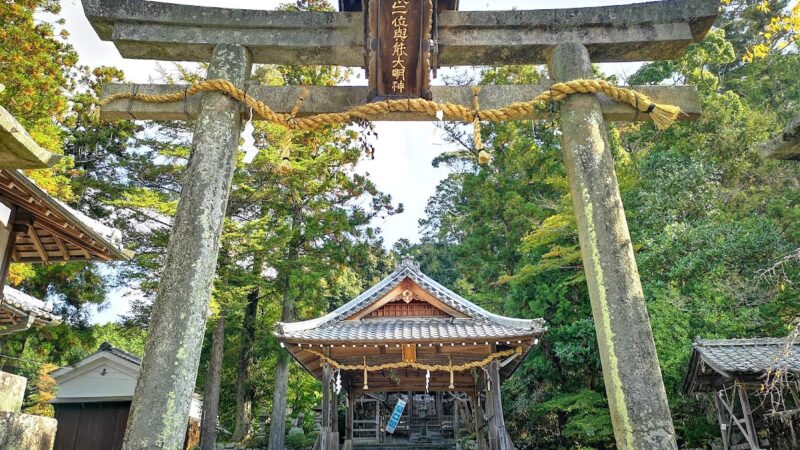
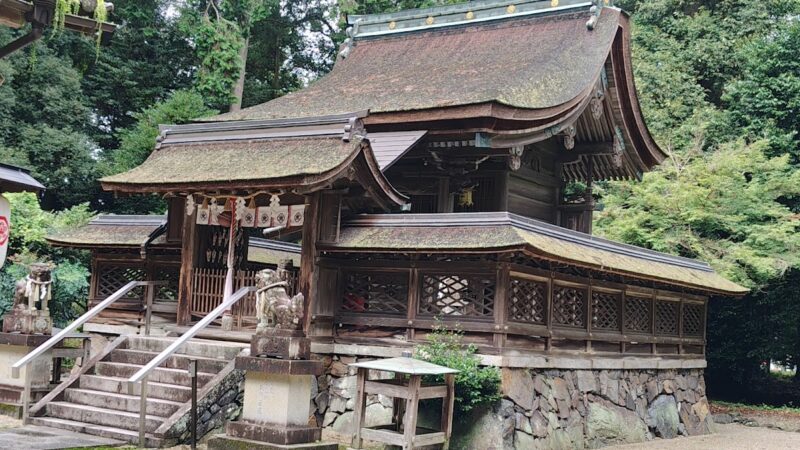
Daikoji Temple’s main hall is characterized by its simple appearance, devoid of extravagant decorations. In a tranquil atmosphere typical of a Jodo sect temple, the Amida Buddha is enshrined, and daily religious services are performed.
The temple grounds, though small, are meticulously maintained, and the seasonal plantings delight visitors. It offers an ideal space for quiet contemplation, away from the hustle and bustle of the city.
A Space of Silence and Tranquility
The greatest charm of Daikoji Temple lies in its tranquility and peace. While it lacks the bustling atmosphere of a tourist temple, this is precisely what provides the serenity, allowing visitors to find inner peace.
For those seeking time to escape the hustle and bustle of everyday life and reflect on themselves, Daikoji Temple is an ideal place. It offers a precious opportunity to calm the mind while experiencing the teachings of Nembutsu (recitation of Amida Buddha’s name).
A Space of Silence and Tranquility
The greatest charm of Daikoji Temple lies in its tranquility and peace. It lacks the crowds of a tourist temple, but this is precisely what creates its profound serene atmosphere, allowing visitors to find inner peace.
For those seeking time to escape the hustle and bustle of daily life and reflect on themselves, Daikoji Temple is an ideal place. It provides a precious opportunity to find inner peace while engaging with the teachings of Nembutsu.
Jizo Bodhisattva Worship
As the name “Soba Jizo” suggests, the worship of Jizo Bodhisattva is also highly valued at Daikoji Temple. Jizo Bodhisattva has long been revered by the Japanese people as a bodhisattva who prays for the salvation of ordinary people. The Jizo statue at Daikoji Temple also attracts the faith of the local community.
Access and Surrounding Information
Access by Public Transportation
The nearest station to Daikoji Temple is Kitano-Hakubaicho Station on the Keifuku Electric Railway Kitano Line.
Access from Kitano-Hakubaicho Station:
- Approximately 19 minutes on foot from the Kitano-Hakubaicho Station exit
- Exit the station and head towards Senbon-dori, then proceed west along Teranouchi-dori.
Access by City Bus:
- Get off at the Kyoto City Bus “Senbon Kuramaguchi” bus stop, approximately 5 minutes on foot
- Get off at the Kyoto City Bus “Senbon Imadegawa” bus stop, approximately 10 minutes on foot
Access by Car
Senbon-dori is one of Kyoto’s main roads, but the surrounding area is a residential area, so some parts of the road are narrow. When visiting, we recommend using nearby coin parking.
Nearby Attractions
Senbon Enmado (Injoji Temple)
This is a famous temple located north of Daikoji Temple. Known for its statue of Enma Daio (King Yama), the “Senbon Enmado Dai Nenbutsu Kyogen” performance held every August is a summer tradition in Kyoto. It is a temple you should definitely visit when you visit Daikoji Temple. Senbon Shakado (Daihoonji Temple)
Located along Senbon Street, this ancient Shingon Buddhist temple boasts a National Treasure main hall. Known for the “Okame Legend,” it is a historically significant temple as Kyoto’s oldest wooden building.
Kitano Tenmangu Shrine
This is the head shrine of all Tenmangu shrines nationwide, dedicated to Sugawara no Michizane, the god of learning. It’s close to Kitano Hakubaicho Station and famous for its plum blossoms.
Nishijin Area
The area around Daikoji Temple is located in the Nishijin area, known for Nishijin weaving. A stroll through the charming streets with their traditional townhouses is highly recommended.
Manners and Precautions for Visiting a Temple
Basic Manners for Visiting a Temple
Daikoji Temple is a small temple and not a tourist temple. Please observe the following points when visiting.
- Maintain Silence: As this is also the living space of the head priest and parishioners, please pray quietly.
- Photography: Please refrain from taking photographs on the temple grounds. Permission is required, especially for photography inside the main hall.
- Visiting Hours: We recommend checking by phone in advance.
- Offering: When praying, please place your offering in the offering box.
Jodo Sect Worship Etiquette
At Jodo Sect temples, chanting “Namu Amida Butsu” is fundamental. Join your hands in prayer in front of the main hall and chant the Nembutsu with sincerity. No special etiquette is required, but it is important to pray with a reverent heart.
Buddhist Services Available at Daikoji Temple
Funeral and Memorial Services
Daikoji Temple conducts funerals and memorial services for parishioners and local residents. You can receive a respectful memorial service in accordance with Jodo Sect etiquette.
Perpetual Memorial Services and Columbarium
In recent years, the demand for perpetual memorial services and columbariums has been increasing, and Daikoji Temple also offers consultations. Please contact the temple directly for details.
Ancestor Memorial Services
During the Obon and Higan periods, memorial services for ancestors are held. Even if you are not a temple parishioner, consultations may be possible, so please contact the temple in advance.
The Role of Daikoji Temple in Kyoto’s Temple Culture
The Value of Community-Based Temples
Kyoto has many famous tourist temples such as Kinkakuji and Kiyomizudera, but small, community-based temples like Daikoji also play an important role in supporting Kyoto’s religious culture.
These temples may not be bustling with tourists, but they play an irreplaceable role as spiritual pillars for local residents and as inheritors of traditional culture.
The Role of a Jodo Sect Temple
The Jodo sect, founded by Honen Shonin, teaches that everyone can attain rebirth in the Pure Land equally through the recitation of “Namu Amida Butsu.” Daikoji Temple serves as a place to pass on these teachings to the modern age, and as a spiritual haven for the local people.
The Significance of Temples in Modern Times
In modern society, temples have significance beyond mere religious institutions. They play multifaceted roles, serving as places to seek peace of mind, centers of local communities, and places for the transmission of traditional culture.
The fact that a small temple like Daikoji Temple, with its unique charm of the head priest’s soba-making culture, continues to be loved by the community, can be considered a model for the role of temples in modern times.
Visitor Voices and Reputation
The following are some comments from visitors to Daikoji Temple:
- “I stopped by when I visited Senbon Enma-do. The small but carefully maintained grounds were very soothing.”
- “I visited because I was interested in the name of the Soba Jizo (soba noodle Jizo). The quiet and peaceful atmosphere was wonderful.”
- “I felt the charm of a temple rooted in the community, unlike a tourist temple.”
These comments convey the simple charm of Daikoji Temple and the sense of peace it offers to its visitors.
Seasonal Highlights
Spring (March-May)
In spring, the grounds of Daikoji Temple are adorned with fresh greenery. During cherry blossom season, you can enjoy flower viewing along the nearby Senbon-dori Street. Many parishioners visit during the O-higan period to pay respects to their ancestors.
Summer (June-August)
Summer is the season for the Dai-Nembutsu Kyogen performance at Senbon Enmado Temple. After visiting Daikoji Temple, it’s recommended to enjoy Kyoto’s traditional performing arts at Senbon Enmado Temple to the north. During the Obon period, memorial services for the Urabon-e festival are held.
Autumn (September-November)
Ancestral memorial services are held again during the autumn O-higan period. During the autumn foliage season, you can enjoy the quiet autumn of Kyoto while visiting the surrounding temples.
Winter (December-February)
Winter in Kyoto is ideal for quiet temple visits, as there are fewer tourists. During the New Year’s holiday season, the temple is bustling with people ringing the temple bell on New Year’s Eve and making their first shrine visit of the year. The snow-covered grounds offer a different kind of charm.
Dining and Rest Spots Around Daikoji Temple
Nearby Restaurants
Around Senbon-dori Street, there are several restaurants beloved by locals.
- Soba Restaurants: Since the head priest is a soba-making master, there are several soba restaurants in the area.
- Kyoto-Style Japanese Restaurants: You can also find restaurants serving traditional Kyoto cuisine.
- Cafes: Cafes converted from traditional townhouses are perfect for a break after visiting the temple.
Rest Spots
There are also small parks and rest areas along Senbon-dori Street. Taking a break and enjoying the local atmosphere between temple visits is highly recommended.
Contact Information for Daikoji Temple
For inquiries regarding visits to Daikoji Temple or Buddhist services, please contact the following:
Phone Number: 075-462-3181
It is recommended to call in advance to confirm visiting hours and special events. As it is a small temple, the head priest may not always be present, so it is best to contact them before visiting.
Summary: Rediscovering the Charm of Daikoji Temple
Daikoji Temple is a small Jodo sect temple located near Senbon-dori in Kamigyo-ku, Kyoto City. It is affectionately known as “Soba Jizo” (Soba Jizo) by the local community and is also known for the head priest’s reputation as a master soba noodle maker.
While it lacks the flashy appearance of tourist temples, its simple charm rooted in the community and the tranquil atmosphere offer visitors a deep sense of peace. Visiting it along with other historical temples in the area, such as Senbon Enmado and Senbon Shakado, will allow you to gain a deeper understanding of Kyoto’s temple town culture.
When visiting Kyoto, try visiting not only famous tourist spots but also community-oriented temples like Daikoji Temple. There, you will find the true face of Kyoto that you won’t find in tourist guides.
Spending time quietly chanting the Nembutsu while immersed in the teachings of the Jodo sect will undoubtedly provide invaluable mental rest for those of us living in modern society. A peaceful moment spent at Daikoji Temple will enrich your trip to Kyoto.