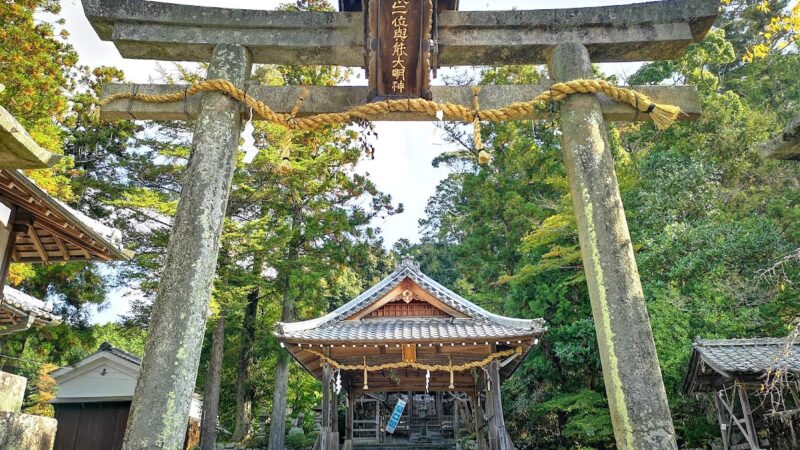
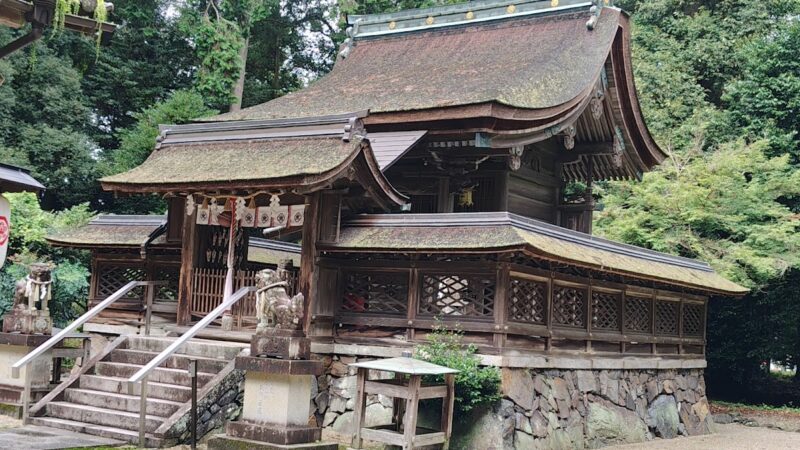
Uhoin Temple (Kamigyo Ward, Kyoto Prefecture) Complete Guide | History, Cherry Blossom Spots, and Access Information for Nishijin Shōten-san
Uhoin Temple, located in the Nishijin area of Kamigyo Ward, Kyoto City, is a Shingon sect temple of the Sennyūji school, affectionately known to locals as “Nishijin’s Shōten-san” or “Nishijin Shōten-gū.” This ancient temple, said to have been founded by Kūkai, is known not only for its blessings of business prosperity and matchmaking, but also for its beautiful cherry blossoms that adorn the temple grounds in spring, attracting many visitors.
This article provides comprehensive information you should know before visiting Uhoin Temple, from its history and cultural assets to seasonal highlights and access methods.
Basic Information about Uhoin Temple
Uhoin Temple is officially called “Kitamukiyama Uhoin Daishōkankiji,” and enshrines Kankiten (Shōten) as its principal deity.
Location: 9-3 Shōten-chō, Kamitachiuri-dōri, Chiekōin-dōri, Kamigyo-ku, Kyoto City, Kyoto Prefecture (〒602-8481)
Phone Number: 075-441-8678
Sect: Shingon-shu Sennyūji-ha
Principal Image: Kankiten (Daishō Kankiten)
Founder: Kōbō Daishi Kūkai
Common Names: Nishijin Shōten, Nishijin Shōten-gū, Nishijin no Shōten-san
Uhōin Temple, while relatively small among Kyoto’s temples, is known for its historical value, the high quality of its cultural assets, and its beauty throughout the seasons. It enjoys particularly strong devotion from local Nishijin textile manufacturers and other businesspeople, and is constantly visited by worshippers praying for business prosperity and family safety.
History and Origins of Uhoin Temple
Founded by Kobo Daishi
Uhoin Temple’s founding dates back to the early Heian period, specifically the 12th year of the Konin era (821 AD). It is said that Kobo Daishi Kukai, praying for the recovery of Emperor Saga’s headaches, carved a life-sized statue of Kankiten (a god of joy) onto the emperor’s body using the ritual of “one stroke, three bows” (bowing three times after each stroke). His prayers were answered.
Due to this miraculous event, Uhoin Temple, along with Toji Temple, flourished as a temple protecting the imperial capital, and was once a large temple complex with vast grounds. As an important religious facility protecting the northern part of Heian-kyo (Kyoto), it received strong protection from the imperial court.
Historical Changes
From the Heian period to the Kamakura period, Uhoin Temple also functioned as a training ground for Shingon Esoteric Buddhism, where many monks practiced their training. However, due to repeated wars, including the Ōnin War (1467-1477), many of the temple buildings were destroyed by fire. While the current temple grounds are small enough to evoke the grandeur of the past, they still retain their value as an important cultural asset and place of worship.
From the Edo period onward, in the Nishijin area, known for its thriving textile industry, the temple became a place of worship for local people as a god of business prosperity. The affectionate nickname “Nishijin no Shōten-san” (Nishijin’s Shōten-san) became established during this period.
About the Principal Deity, Kangiten (Shōten)
What is Kangiten?
Kangiten, the principal deity of Uhōin Temple, is a Buddhist guardian deity known as Ganapati or Vinayaka in Sanskrit. It is depicted with an elephant’s head and a human body, and is often worshipped in the form of two Kangiten embracing each other.
Kankiten is believed to bestow the following blessings:
- Business Prosperity: Success in business and increased wealth
- Matchmaking: Success in finding a good partner and marital harmony
- Protection from Disaster and Bringing Good Fortune: Protection from disaster and bringing happiness
- Healing from Illness: Recovery of health and freedom from illness
The Principal Image as a Hidden Buddha
The principal image of Kankiten at Uhoin Temple is strictly guarded as a hidden Buddha and is never open to the public. This is a characteristic of Kankiten worship, and its mystique actually enhances the faith of its followers. Worshippers clasp their hands together in front of the main hall and offer prayers to the principal image enshrined in the shrine.
This statue, said to have been carved by Kobo Daishi for Emperor Saga with three bows for each stroke of the chisel, has continued to attract the faith of people for over a thousand years, and its miraculous powers are still recounted today.
Important Cultural Property: Wooden Standing Statue of the Thousand-Armed Kannon
Besides the principal image of Kankiten, Uhoin Temple houses other important Buddhist statues. The most representative of these is the wooden standing statue of the Thousand-Armed Kannon enshrined in the Kannon Hall.
Characteristics of the Standing Statue of the Thousand-Armed Kannon
This standing statue of the Thousand-Armed Kannon is a masterpiece that strongly retains the style of the early Heian period (early Fujiwara period) and is designated as a National Important Cultural Property. The statue is approximately 160 centimeters tall and is a wooden standing statue covered in lacquer and gold leaf.
It is highly valued in art history as a work that exemplifies the essence of Heian Buddhist art, exhibiting the gentle and elegant expression, the flowing drapery, and the well-balanced proportions characteristic of early Fujiwara sculpture.
Viewing in the Kannon Hall
The standing statue of the Thousand-Armed Kannon is enshrined in the Kannon Hall and is usually open for viewing. However, it is recommended to check the viewing hours and admission fees in advance. This Buddhist statue, which conveys the spirit of the Heian period, is one of the must-see points of interest when visiting Uhoin Temple.
Uhoin Temple as a Cherry Blossom Spot
Uhoin Temple is a hidden gem for cherry blossom viewing in Kyoto, and is bustling with many visitors during the cherry blossom season. Although the temple grounds are not particularly large, various types of cherry trees are planted within this small space, creating a magnificent floral landscape in spring.
Types of Cherry Blossoms on the Temple Grounds
The following types of cherry blossoms are planted on the grounds of Uhoin Temple:
- Gyoiko-zakura: A rare double-flowered cherry blossom that blooms with green flowers.
- Kanki-zakura: A beautiful weeping cherry blossom with a unique name at Uhoin Temple.
- Kannon-zakura: An elegant cherry blossom that blooms near the Kannon Hall.
- Shogetsu-zakura: A double-flowered cherry blossom with pale pink flowers.
- Fugenzo-zakura: A late-blooming double-flowered cherry blossom.
The Gyoiko-zakura, in particular, is a unique cherry blossom that blooms green and gradually changes to pink, making it a specialty of Uhoin Temple. Many photography enthusiasts visit specifically to see this rare cherry blossom.
Best Time to See Cherry Blossoms
The best time to see the cherry blossoms at Uhoin Temple is usually from early to mid-April. Because many of the varieties bloom slightly later than Somei Yoshino, they sometimes reach full bloom when the famous cherry blossom spots in Kyoto City have already begun to shed their petals.
The sight of various types of cherry blossoms blooming densely within the small temple grounds is breathtaking, creating a fantastical experience as if you were in a “cloud of cherry blossoms.” Compared to famous temples that are crowded with tourists, it’s also appealing because you can enjoy cherry blossom viewing in relative peace.
Somedono-no-i (Somedono Well)
Within the grounds of Uhoin Temple lies a well called “Somedono-no-i.” This is a historical heritage unique to this region, which prospered from Nishijin weaving.
Origin of Somedono-no-i
The water from this well has long been renowned for its ability to produce excellent dyes, and has been highly valued by Nishijin weavers. The name “Somedono” is said to originate from a facility called “Somedono” that once existed in this area, responsible for dyeing for the imperial court.
The well’s water is soft and has properties suitable for dyeing, greatly contributing to the development of Nishijin weaving. This well, which still remains on the temple grounds today, is a valuable cultural heritage that tells the history of Nishijin.
The Current State of the Somedono Well
Although the Somedono Well is rarely used today, it is preserved as one of the points of interest within the temple grounds. For those interested in the history of Nishijin weaving or learning about Kyoto’s traditional industries, this well will be a fascinating historical site.
Highlights within the Temple Grounds
While the grounds of Uhoin Temple are small, they are packed with various points of interest.
Main Hall
The main hall houses the principal image, Kankiten, a hidden Buddha. While entry into the hall is not permitted, worshippers can pay their respects from the outer hall. In a tranquil atmosphere, worshippers can be seen praying for business prosperity and family safety.
Kannon Hall
The Kannon Hall, which houses the important cultural property, the standing statue of Senju Kannon (Thousand-Armed Kannon), is a valuable space to experience Heian period Buddhist art. In the solemn atmosphere of the hall, one can encounter a Buddha statue with over a thousand years of history.
Stone Monuments and Buddhist Statues
Throughout the temple grounds are numerous stone monuments and Buddhist statues donated by successive chief priests and parishioners. These serve as historical records of faith from the Edo period to the modern era.
Garden
Although small, the garden is meticulously maintained, allowing visitors to enjoy the plants of each season. The cherry blossoms in spring, the fresh greenery in early summer, and the autumn foliage are particularly beautiful, each displaying a different face with the seasons.
Annual Events and Festivals
Uhoin Temple holds various Buddhist services and events throughout the year.
Main Annual Events
- Hatsumode (January 1st-3rd): Bustling with worshippers praying for business prosperity in the new year.
- Setsubun-e (Around February 3rd): Bean-throwing ceremony to ward off evil and invite good fortune.
- Spring Equinox Service (March): Memorial service for ancestors.
- Cherry Blossom Festival (April): Special viewing timed to coincide with the cherry blossom season.
- Autumn Equinox Service (September): Memorial service for ancestors.
- Kankiten Grand Festival (Dates to be confirmed): Grand memorial service for the principal deity, Kankiten.
For detailed dates and content of events, it is recommended to inquire with the temple in advance.
Visiting Information
Visiting Hours
Normal visiting hours are from 9:00 AM to around 5:00 PM, but may change depending on the season and events. Hours may be extended, especially during special viewing periods such as the cherry blossom season.
Admission Fee
While strolling through the temple grounds is generally free, there may be separate fees for special viewing periods or for viewing cultural properties. Please check the official website or call for the latest information.
Notes
- Photography is permitted on the temple grounds, but there may be restrictions on photographing cultural properties such as Buddhist statues.
- Please be mindful of quiet and respectful conduct during your visit.
- The temple is expected to be crowded during cherry blossom season.
- Parking is limited, so we recommend using public transportation.
Access
Uhoin Temple is easily accessible using public transportation within Kyoto City.
Access by City Bus
Nearest Bus Stop: “Imadegawa Jofukuji”
- From Kyoto Station: Approximately 30 minutes by City Bus Route 9 or 101
- From Shijo Kawaramachi: Approximately 20 minutes by City Bus Route 12
- From Kyoto City Hall: Approximately 15 minutes by City Bus Route 12
After getting off at the “Imadegawa Jofukuji” bus stop, it’s about a 3-minute walk to Uhoin Temple. Walk a short distance north; it’s located on Chiekoin Street, north of Kamitachiuri Street.
Access by Subway
The nearest subway stations are Imadegawa Station or Kuramaguchi Station on the Karasuma Line, but both are about a 15-20 minute walk away. It’s convenient to transfer to a bus or take a taxi from the station.
Access by Private Car
It’s about a 15-minute drive from central Kyoto. However, there is no dedicated parking lot on the temple grounds, or if there is, the number of spaces is limited, so we recommend using nearby coin parking or public transportation.
When entering the address into your car navigation system:
9-3 Shōten-chō, Kamitachiuri-dōri, Chiekōin-dōri, Kamigyo-ku, Kyoto City, Kyoto 602-8481
Nearby Tourist Attractions
There are other points of interest around Uhōin Temple:
- Kubito Hachimangu Shrine: Approximately 5 minutes on foot. A shrine said to have been visited by Minamoto no Yoshitsune before he departed for Ōshū.
- Senbon Shakadō (Daihōonji Temple): Approximately 10 minutes on foot. An ancient temple with a national treasure main hall.
- Kitano Tenmangu Shrine: Approximately 15 minutes on foot. A famous shrine dedicated to Sugawara no Michizane, the god of learning.
- Seimei Shrine: Approximately 10 minutes on foot. A shrine dedicated to Abe no Seimei, the Onmyoji (exorcist/diviner).
When visiting Uhoin Temple, combining your visit with these surrounding spots will allow you to more deeply appreciate the charm of the Nishijin and Kamigyo areas.
Points to Note When Visiting Uhoin Temple
Recommended Time to Visit
Uhoin Temple can be visited year-round, but the most recommended times are:
- Early to Mid-April: Cherry blossom season. The temple grounds are filled with flowers, creating a breathtaking sight.
- May (Fresh Greenery): Beautiful green maple leaves create a refreshing atmosphere.
- Autumn Foliage Season: The autumn leaves, though small in scale, have a unique charm.
- First Three Days of the New Year: Bustling with people praying for business prosperity in the new year.
Time Required for Visit
Because the temple grounds are small, a typical visit can be completed in 30 minutes to an hour. However, if you want to see the cherry blossoms or appreciate the cultural artifacts in detail, it’s best to allow about an hour and a half.
About Goshuin (Temple Seals)
Goshuin (temple seals) are available at Uhoin Temple. Sometimes they are pre-printed, and sometimes they are written directly on your behalf. Please bring your goshuincho (stamp book) if you wish to receive one. Seasonal special goshuin are sometimes available.
History and Culture of the Nishijin Area
The Nishijin area, where Uhoin Temple is located, is known as the heartland of Nishijin-ori, a representative traditional industry of Kyoto.
Connection to Nishijin-ori
After the Onin War, weavers gathered in this area, and it developed into a production center for high-quality silk fabrics. As evidenced by the use of the dyeing well at Uhoin Temple’s dyeing hall for dyeing, the temple and local industry were closely related.
Even today, Nishijin-ori workshops and related companies are scattered throughout the area, and the traditional techniques are being passed down. When visiting Uhoin Temple, extending your visit to places like the Nishijin Textile Center will allow you to gain a deeper understanding of the culture of this region.
A Charming Streetscape with Remaining Traditional Townhouses
The Nishijin area still retains many traditional Kyoto townhouses, allowing visitors to experience the atmosphere of old Kyoto. Enjoying the charm of these townhouses on the way to Uhoin Temple is a delightful experience.
Prayers at Uhoin Temple
Prayers for Business Prosperity
Uhoin Temple, whose principal deity is Kankiten, is particularly known for its blessings of business prosperity. It has a long history of being revered by Nishijin merchants, and even today, many visitors come to pray for business success.
People constantly visit with various wishes related to business, such as the success of new ventures, the development of existing businesses, and the closing of deals.
Matchmaking and Marital Harmony
Kankiten is also known for its blessings of matchmaking and marital harmony. Many people seeking good relationships and those wishing for harmonious marriages visit the temple.
Recovery from Illness
Due to its history of being founded by Kobo Daishi to pray for the recovery of Emperor Saga from illness, the temple attracts visitors praying for good health and recovery from illness.
Summary: The Charms of Uhoin Temple
Uhoin Temple is a fascinating temple nestled in the Nishijin area of Kamigyo Ward, Kyoto City, where history and culture are condensed.
Main Charms of Uhoin Temple:
- A historically significant temple founded by Kobo Daishi
- The Kankiten faith, known for its blessings of business prosperity and matchmaking
- Valuable cultural assets, including the important cultural property, the standing statue of Senju Kannon
- One of Kyoto’s best cherry blossom viewing spots, especially the rare Gyoiko cherry blossoms
- The Somedono Well, which tells the history of Nishijin weaving
- A hidden gem not crowded with tourists
- Easy access and abundant surrounding tourist attractions
While it may not have the glamour of famous tourist spots, Uhoin Temple, where you can quietly experience history and culture, is well worth visiting as a hidden gem of Kyoto. Especially during cherry blossom season, you can witness the breathtaking sight of the small temple grounds completely filled with flowers.
When visiting the Nishijin area, be sure to stop by Uhoin Temple and experience the charm of this temple affectionately known as “Nishijin’s Shōten-san.” It’s a recommended place not only for those praying for business prosperity or successful relationships, but also for those interested in Kyoto’s history and cultural assets, and those seeking peace of mind in a quiet temple.
Contact Information:
Uhoin Temple
9-3 Shōten-chō, Kamitachiuri-dōri, Chiekōin-dōri, Kamigyo-ku, Kyoto 602-8481
TEL: 075-441-8678
For the latest information on visiting hours and event schedules, please check the official website or contact the temple directly before your visit.