Complete Guide to Senmyoin Temple (Kyoto Prefecture) | History and Access Information for the Head Temple of the Shinmon-ryu Nichiren Buddhism
Located in Kamigyo-ku, Kyoto City, Senmyoin Temple boasts a history of approximately 400 years as a sub-temple of Honryuji Temple, the head temple of the Shinmon-ryu Nichiren Buddhism. Among the many temples in Kyoto, it is a significant temple that conveys the tradition of Nichiren Buddhism to the present day, and is cherished by many worshippers and believers. This article provides a detailed introduction to Senmyoin Temple, including its history, architecture, characteristics of its faith, and access information for those actually visiting.
Basic Information on Senmyoin Temple
Senmyoin Temple is a temple of the Shinmon-ryu Nichiren Buddhism located in Kamigyo-ku, Kyoto City, and functions as a sub-temple (tatchu) of Honryuji Temple, the head temple. A tatchu is a small temple built within or around the grounds of a large temple, established as a retirement residence for high-ranking priests or a place for disciples to train.
Location and Contact Information
Senmyoin Temple is located in Kamigyo Ward, in the heart of Kyoto, relatively close to the Kyoto Imperial Palace. As a quiet temple nestled in an area with preserved historical streetscapes, it offers a place of worship away from the hustle and bustle of the city.
Sect and Principal Image
Senmyoin Temple belongs to the Hokke-shu Shinmon-ryu sect. The Hokke-shu Shinmon-ryu is one of the sects that inherits the teachings of Nichiren Shonin, with the Lotus Sutra as its fundamental scripture and the chanting of the mantra “Namu Myoho Renge Kyo” as its central faith. The temple houses Buddhist statues and mandalas that embody the teachings of the Lotus Sutra as its principal image.
History and Founding of Senmyoin Temple
Founded in 1621
Senmyoin Temple was founded in 1621 (Genna 7). This period, in the early Edo period, was a time when the Tokugawa shogunate’s rule was stable, and Kyoto’s temple culture was undergoing new developments. Senmyoin, established as a sub-temple of Honryuji Temple, the head temple of the Nichiren sect, has functioned as a center of Nichiren Buddhism for approximately 400 years.
Currently, the 23rd head priest oversees the temple, maintaining its traditions while also operating it in a way that is open to modern believers and visitors.
Relationship with Honryuji Temple
Honryuji Temple, to which Senmyoin belongs as a sub-temple, is a historical temple founded in 1488 (Chokyo 2) by Nichijin Daiohsho. Honryuji Temple is counted as one of the 16 head temples of the Nichiren sect in Kyoto and holds an important position as the head temple of the Shinmon school of the Nichiren sect.
Nichijin Daiohsho was a high-ranking priest who inherited the teachings of Nichiren Shonin and dedicated himself to the spread of Nichiren Buddhism in Kyoto. The group of temples centered around Honryuji Temple developed as a center of Nichiren Buddhism in Kyoto, and Senmyoin played a part in this.
From the Edo Period to the Present
Throughout the Edo period, Senmyoin Temple functioned as a sub-temple of Honryuji Temple, serving as a place for the education of monks and for local religious activities. Even through the anti-Buddhist movement after the Meiji Restoration and the turmoil of World War II, the temple was maintained thanks to the support of its believers, and continues to this day.
Currently, while preserving traditional Lotus Sutra faith, it engages in various activities to become a spiritual anchor for people living in modern society.
The Shinmon School of the Lotus Sutra and the Faith of Namu Myoho Renge Kyo
The Teachings of the Shinmon School of the Lotus Sutra
The Shinmon School of the Lotus Sutra is one of the sects that follows the lineage of Nichiren Buddhism, founded by Nichiren Shonin (1222-1282). It inherits the teachings of Lotus Sutra supremacy preached by Nichiren Shonin during the Kamakura period, and is based on the belief that the Lotus Sutra is the true teaching of Shakyamuni Buddha.
While various schools of Buddhism arose from the disciples of Nichiren Shonin, the Hokke-shu Shinmon-ryu sect, in particular, developed as a successor to the lineage of Nichijin Shonin. Its head temple is Honryu-ji, and its religious activities are centered in Kyoto.
Meaning of the Odaimoku “Namu Myoho Renge Kyo”
The core of the Hokke-shu Shinmon-ryu faith is the chanting of the Odaimoku “Namu Myoho Renge Kyo.” “Namu” originates from the Sanskrit word “namas,” meaning “to take refuge in” or “to believe in.” “Myoho Renge Kyo” is the formal name of the Lotus Sutra.
In short, “Namu Myoho Renge Kyo” is an expression of faith, meaning “I take refuge in the teachings of the Lotus Sutra.” It is believed that by chanting this Odaimoku, one can connect with the wisdom and compassion of the Buddha described in the Lotus Sutra and awaken one’s own Buddha-nature.
Daily Practice of Faith
At Senmyoin Temple, the Lotus Sutra is recited and the sacred title of the Lotus Sutra is chanted during daily services. Through morning and evening services, believers learn the teachings of the Lotus Sutra and find peace of mind and guidance in life by chanting the sacred title.
Furthermore, through memorial services and annual events, the temple functions as a place for practicing Lotus Sutra faith together with local believers, and for praying for ancestral veneration and worldly benefits.
Architecture and Grounds of Senmyoin Temple
Characteristics of a Sub-Temple
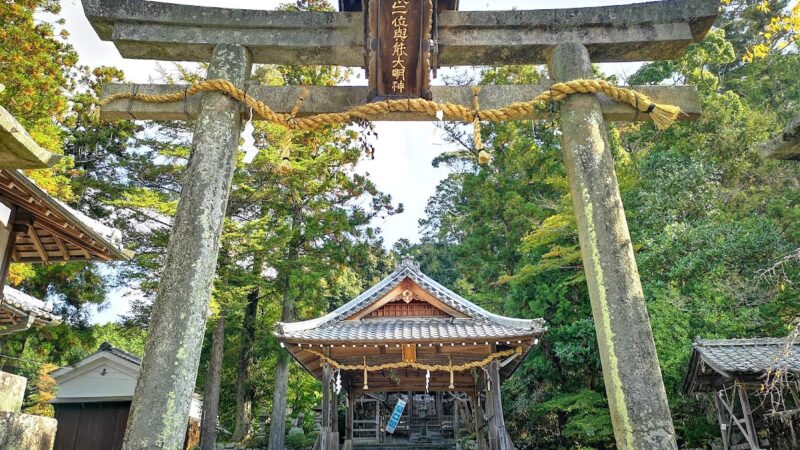
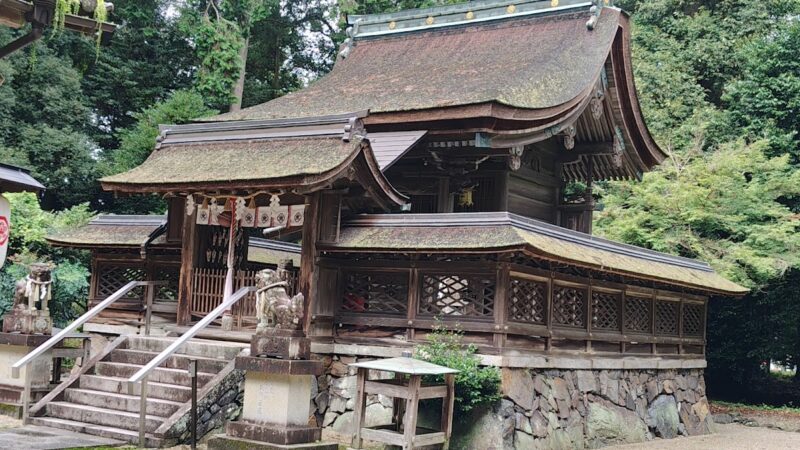
Senmyoin Temple, a sub-temple, is located within or near the grounds of the head temple, Honryuji Temple. While relatively small, it possesses a dignified temple architecture. Since its founding in the Edo period, it has undergone several restorations, yet it preserves the traditional style of temple architecture.
The main hall houses the principal image of worship, where daily services and memorial services are held. The temple grounds are enveloped in a tranquil atmosphere, allowing visitors to forget the hustle and bustle of the city and offer prayers in peace.
Kyoto Temple Architecture
The architecture of Senmyoin Temple exhibits the characteristics of traditional Kyoto temple architecture. Based on wooden construction, it features tiled roofs and interior spaces partitioned by shoji and fusuma screens, showcasing traditional Japanese beauty throughout.
The temple grounds boast a well-maintained garden where visitors can enjoy the beauty of nature in every season. Kyoto temple gardens, in particular, are known for their aesthetic beauty that expresses the spirit of Zen and Buddhist philosophy, and Senmyoin Temple’s garden is a space that soothes the hearts of visitors.
How to Access Senmyoin Temple
Access by Public Transportation
Senmyoin Temple is located in Kamigyo-ku, Kyoto City, and is accessible from major stations within Kyoto City. The nearest transportation options are as follows:
By City Bus:
From Kyoto Station, take a city bus bound for Kamigyo-ku. Senmyoin Temple is just a few minutes’ walk from the nearest bus stop. Kyoto City buses have extensive routes and are a convenient mode of transportation for tourists.
If using the subway:
Take the Kyoto Municipal Subway Karasuma Line and get off at Imadegawa Station or Marutamachi Station. From there, walk or take a bus towards Senmyoin Temple.
Access and Parking by Private Car
If visiting by private car, head towards Kamigyo Ward from a major road in Kyoto City. However, roads in Kyoto City are narrow and traffic congestion is common during tourist season, so using public transportation is recommended.
Regarding parking, there may be limited parking spaces dedicated to the temple, so it is recommended to check with the temple in advance or use nearby coin-operated parking lots.
Combining with Nearby Tourist Attractions
The area around Kamigyo Ward, where Senmyoin Temple is located, has many historical sites such as the Kyoto Imperial Palace, Kitano Tenmangu Shrine, and Shokokuji Temple. Visiting these tourist spots in conjunction with a visit to Senmyoin Temple will allow you to experience Kyoto’s history and culture more deeply.
Attractions Around Senmyoin Temple
Honryuji Temple (Head Temple)
Honryuji Temple, the head temple of Senmyoin Temple, is a must-see temple as the head temple of the Shinmon branch of the Nichiren sect. Founded in 1488, it is a historic temple and one of the 16 head temples of the Nichiren sect in Kyoto. The vast grounds include the main hall, founder’s hall, and gardens, exuding the grandeur of a center of Nichiren faith.
Kyoto Imperial Palace
Located relatively close to Senmyoin Temple, the Kyoto Imperial Palace is a historical building that served as the residence of the emperor until the Meiji Restoration. The vast grounds contain a group of dignified buildings, including the Shishinden, preserving Japanese court culture. It is open to the public, and visits can be made by prior reservation or on the day of your visit.
Kitano Tenmangu Shrine
Kitano Tenmangu Shrine, dedicated to Sugawara no Michizane, known as the god of learning, is another representative tourist spot in Kamigyo Ward. It attracts many visitors during exam season and is also famous for its plum blossoms. On the 25th of every month, the Tenjin Market, an antique market, is held and attracts many people.
Historic Townscape of Kamigyo Ward
Kamigyo Ward is an area of Kyoto that particularly retains its historical townscape. Walking through the alleys lined with old townhouses, you can feel the atmosphere of Kyoto during the Edo and Meiji periods. Traditional Japanese confectionery shops, kimono shops, and craft shops are scattered throughout, allowing you to experience Kyoto’s traditional culture.
Manners and Precautions for Visiting Senmyoin Temple
Basic Manners for Visiting Temples
When visiting Senmyoin Temple, please observe the following basic manners.
Attire:
Temples are sacred places, so avoid revealing clothing and aim for clean, understated attire.
Greetings:
Bow when passing through the temple gate and be quiet within the temple grounds. Refrain from loud conversations and noise.
Photography:
Please follow the temple’s rules regarding photography within the temple grounds. Photography inside the main hall and of the Buddha statues may be prohibited.
Proper Etiquette for Worship:
When praying in front of the main hall, bow slightly, then join your hands in prayer and offer your prayers quietly. In the Nichiren sect, it is common to chant the mantra “Namu Myoho Renge Kyo.”
Visiting Hours and Admission Fee
It is recommended to check with the temple in advance regarding the visiting hours and admission fee for Senmyoin. Generally, temples are open during the daytime, but there may be times when they are closed due to religious services or events.
Some sub-temples are usually closed or have limited opening hours, so please check official information regarding special viewing opportunities and the need for advance reservations.
Annual Events and Religious Services
Major Events of the Nichiren Sect
At Senmyoin, various religious services and events are held throughout the year according to the calendar of the Nichiren Shinmon-ryu sect.
Oeshiki (Memorial Service):
Held around October 13th, the anniversary of Nichiren Shonin’s death, this is one of the most important events at Hokke-shu temples. A procession of lanterns and a memorial service are held, with many believers participating.
Obon Segaki Memorial Service:
During the Obon period in August, a Segaki memorial service is held for the repose of ancestors. This is an important event to comfort and honor the spirits of ancestors.
Spring and Autumn Equinox Services:
During the Higan period, centered around the spring and autumn equinoxes, Higan services are held, providing an opportunity for ancestor worship and accumulating merit.
Nichiren Shonin’s Birthday Celebration
February 16th is considered Nichiren Shonin’s birthday, and a birthday celebration (Gotan-e) is held. This is an opportunity to celebrate the birth of the founder of the sect and to relearn his teachings.
Senmyoin Temple and the Nichiren Buddhist Faith in Kyoto
The History of the 16 Head Temples of Kyoto and the Nichiren Buddhist Faith
Kyoto is an important center of the Nichiren and Nichiren Buddhist sects, and a unique faith culture known as “Kyoto Nichiren” developed there. From the Muromachi period to the Edo period, the Nichiren Buddhist faith spread among the townspeople (merchants and artisans) of Kyoto, and 16 head temples were established.
Honryuji Temple is one of these 16 head temples, and Senmyoin Temple also inherits this historical tradition of Nichiren Buddhist faith. Kyoto’s Nichiren Buddhist temples have played important roles not only as religious institutions but also in education, culture, and social welfare.
The Nichiren Buddhist Faith in Modern Times
Even in modern times, Nichiren Buddhist temples, including Senmyoin Temple, function as spiritual havens for believers. Gaining peace of mind through chanting the Odaimoku (sacred mantra) and learning guidance for life from the teachings of the Lotus Sutra retains its value in modern society.
While preserving traditional faith, Senmyoin Temple is also developing various activities as a temple open to modern people. We offer opportunities to experience Buddhist teachings through Dharma talks, sutra copying sessions, and other activities.
The Significance of Visiting Senmyoin Temple
Experiencing History and Faith
Visiting Senmyoin Temple is a valuable opportunity to experience the tradition of Nichiren Buddhism in the tranquil atmosphere of a temple with approximately 400 years of history. It allows you to escape the hustle and bustle of the city and have time to quietly reflect on yourself.
Kyoto’s Hidden Charm
Kyoto boasts many famous tourist temples like Kinkaku-ji and Kiyomizu-dera, but sub-temples like Senmyoin are less crowded with tourists and offer a “hidden charm” for quiet worship.
The true charm of Kyoto lies in experiencing the depths of history and faith in these quiet temples.
Seeking Peace of Mind
Modern society is a stressful and information-overloaded era, making it difficult to find peace of mind. Visiting a temple like Senmyoin, chanting the Odaimoku, and offering quiet prayers provides a time for mental reset and healing.
The teachings of the Lotus Sutra convey a message of hope: that all people possess Buddha-nature and the potential for enlightenment. Visiting Senmyoin Temple allows you to experience this universal teaching.
Summary
Senmyoin Temple is a historic temple founded in 1621 as a sub-temple of Honryuji Temple, the head temple of the Shinmon-ryu school of Nichiren Buddhism, located in Kamigyo-ku, Kyoto City. For approximately 400 years, it has functioned as a center of Nichiren Buddhism, and continues to uphold its traditions under the 23rd head priest.
Nichiren Buddhism, with its chanting of the mantra “Namu Myoho Renge Kyo,” is deeply rooted in Kyoto’s history and culture, and Senmyoin Temple is one of its important pillars. It is a temple with multifaceted appeal, encompassing its relationship with the head temple Honryuji, the tradition of the 16 Nichiren sect temples in Kyoto, and its contemporary practice of faith.
When visiting Kyoto, consider visiting not only famous tourist spots but also temples like Senmyoin Temple, which possess a deep history and faith. By finding peace of mind in the tranquil temple grounds and immersing yourself in the teachings of the Lotus Sutra, your Kyoto trip will become richer and more meaningful.
Located in Kamigyo Ward, which offers relatively convenient access, the temple is also surrounded by other attractions such as the Kyoto Imperial Palace and Kitano Tenmangu Shrine. Enjoy a journey through Kyoto’s history and culture, centered around Senmyoin Temple.