Complete Guide to Kadode Hachimangu Shrine: A Shrine Associated with Minamoto no Yoshitsune’s Journey | Goshuin (Shrine Seal), Access, and Benefits
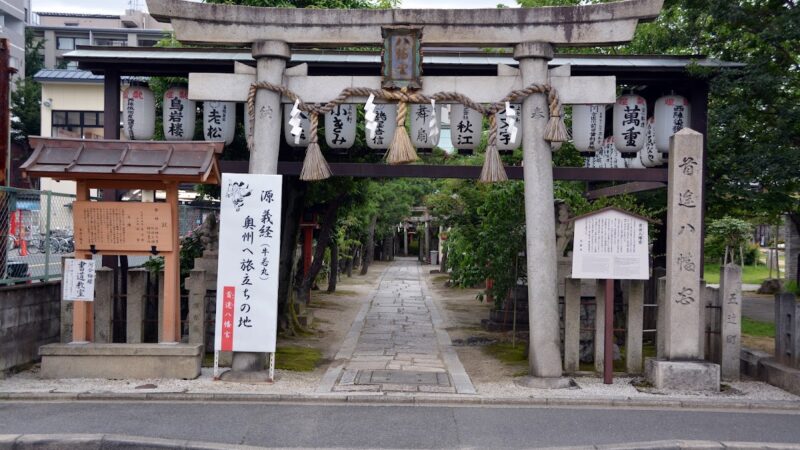
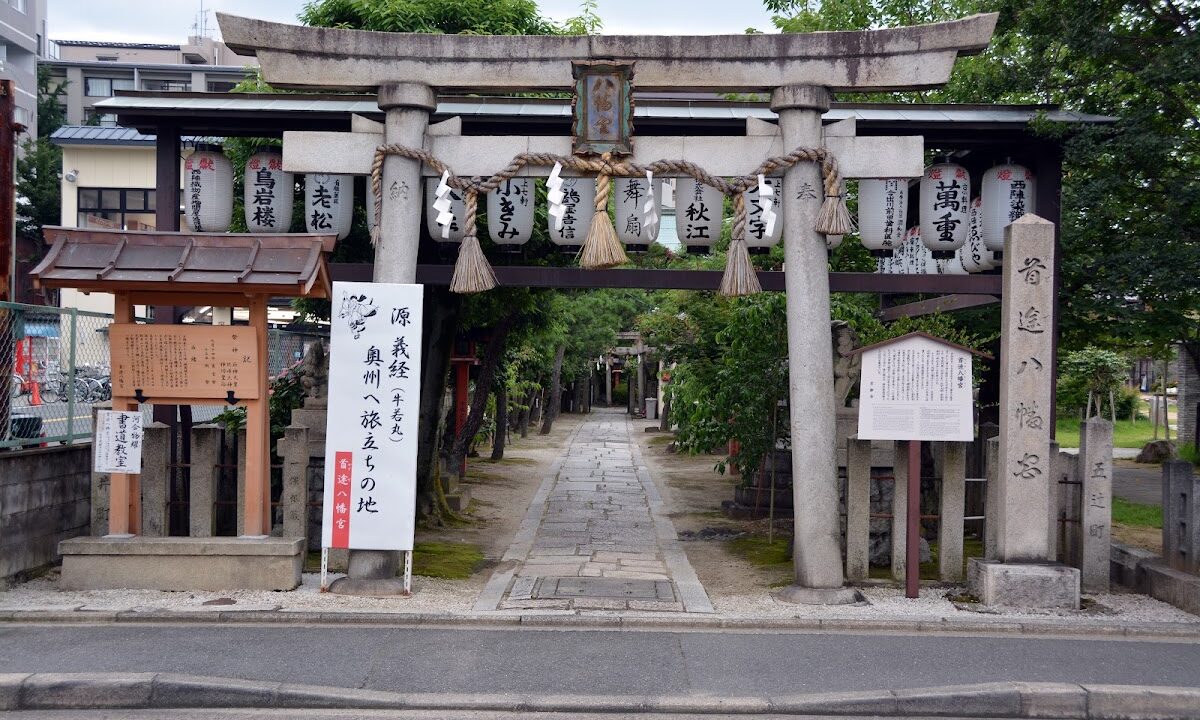
Kadode Hachimangu Shrine, nestled in a quiet residential area of Kamigyo Ward, Kyoto City, is a shrine with a history of Minamoto no Yoshitsune praying for safe travels before his journey to Hiraizumi in Oshu. “Kadode” means “departure,” and the shrine is popular with people praying for new beginnings and safe journeys. This article provides detailed information useful for visiting Kadode Hachimangu Shrine, including its history, benefits, goshuin (shrine seal), and access methods.
What is Kadode Hachimangu Shrine?
Kadode Hachimangu Shrine is a small shrine located in Sakurai-cho, Kamigyo Ward, Kyoto City. It is pronounced “Kadode Hachimangu” and is affectionately known as “Kadode Hachiman-san” by locals. Despite being in the bustling heart of Kyoto, its quiet presence in a residential area provides visitors with a peaceful atmosphere.
Deities enshrined at Kubito Hachimangu Shrine
The deities enshrined at Kubito Hachimangu Shrine are the following three:
- Emperor Ojin: The 15th Emperor, revered as Hachiman, the god of military fortune and victory.
- Hime Okami: A collective name for the three Munakata goddesses, guardian deities of maritime safety and traffic safety.
- Empress Jingu: The mother of Emperor Ojin, known as the goddess of safe childbirth and child-rearing.
These deities are central to Hachiman worship and are believed to bring blessings such as military fortune, safe travels, and traffic safety.
History and origins of Kubito Hachimangu Shrine
History of its founding
The founding of Kubito Hachimangu Shrine dates back to the early Heian period. It is said that the shrine was established by inviting a deity from Usa Hachimangu Shrine in Oita Prefecture, and was originally called “Uchino Hachimangu Shrine.” Its name originates from its location in Uchino (north of the Imperial Palace) in Heian-kyo.
Deep Connection to Minamoto no Yoshitsune
The current name of Kubito Hachimangu Shrine is deeply connected to Minamoto no Yoshitsune (childhood name: Ushiwakamaru).
At the end of the Heian period, Ushiwakamaru was training at Kurama-dera Temple in Kyoto, but guided by Kaneuri Kichiji, a retainer of his father Minamoto no Yoshitomo, he set out for Fujiwara no Hidehira in Hiraizumi, Oshu. It is said that before his departure, Ushiwakamaru visited this Hachimangu Shrine, located near Kaneuri Kichiji’s residence, to pray for safe passage.
From this story, the name “Kubito,” meaning “departure,” was given, and it has been affectionately known as “Kubito Hachimangu Shrine” ever since.
Relationship with Kanemaru Kichiji
Kanemaru Kichiji was a merchant in the late Heian period who traded gold between Oshu (northern Japan) and Kyoto. His residence is said to have been near this Kubito Hachimangu Shrine, and he is remembered in history as the person who guided Yoshitsune to Oshu. Even today, a stone monument marking the “site of Kanemaru Kichiji’s residence” remains near the shrine.
Benefits of Kubito Hachimangu Shrine
Kubito Hachimangu Shrine is believed to offer various benefits due to its history and enshrined deities.
Safe Travels and Traffic Safety
Because Minamoto no Yoshitsune visited the shrine before setting out on his journey, it is most famous for its blessings of safe travels and traffic safety. Many people visit before traveling or on business trips, and in modern times, people also visit for car blessings and when obtaining a driver’s license.
Success in New Beginnings
“Kubito” means a new journey or beginning, so many people visit the shrine at the following milestones in their lives:
- Employment/Career Change
- Further Education/Studying Abroad
- Starting a Business/Opening a Company
- Moving/Relocating
- Honeymoon
Long-lasting Military Fortune/Good Luck in Competitions
As Hachiman-sama is a god of war, the shrine also offers blessings for good luck in competitions and long-lasting military fortune. Athletes, students taking exams, and others facing competitive situations visit the shrine.
Other Blessings
- Protection from Evil: Protection from misfortune
- Good Fortune and Prosperity: Bringing good luck
- Safe Childbirth and Child-rearing: Due to the divine virtues of Empress Jingu
Highlights of the Shrine Grounds
Kubito Hachiman-gu is a small shrine, but it is full of interesting sights.
Main Hall
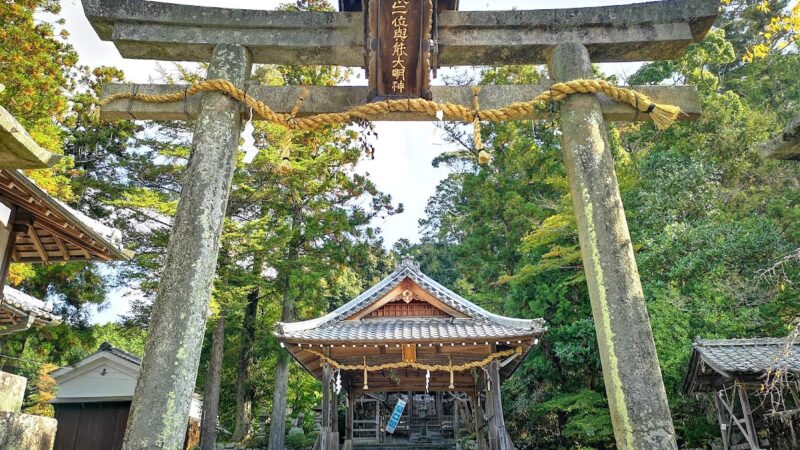
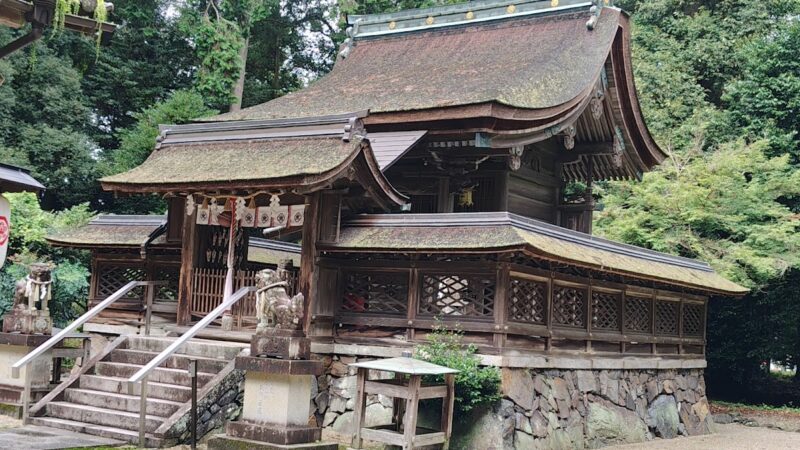
The beautiful vermilion-lacquered main hall is compact yet possesses a dignified presence. Located in a quiet residential area, the shrine offers a peaceful atmosphere perfect for a leisurely visit.
Yoshitsune Statue and Information Board
Within the shrine grounds, there are information boards and explanations about Minamoto no Yoshitsune, allowing visitors to learn about history while praying. You can imagine what it was like when Yoshitsune departed on his journey.
Stone Monument at the Site of Kinuri Kichiji’s Residence
Near the shrine is a stone monument marking the site of Kinuri Kichiji’s residence, worth visiting as part of a historical walk.
Sacred Tree
A magnificent sacred tree stands within the shrine grounds, evoking a sense of long history. It’s a spot where you can feel the power of nature.
Goshuin (Shrine Seal) Information
Regarding the Issuance of Goshuin
Goshuin (shrine seals) can be obtained at Kubito Hachimangu Shrine. However, since there may not always be a resident priest, it is recommended to check in advance.
Features of the Goshuin (Shrine Seal):
- Calligraphy of “Kubito Hachimangu Shrine”
- Shrine Seal
- Simple yet powerful calligraphy
Points to Note When Receiving a Goshuin
- Since the shrine may be absent, it is recommended to contact them in advance if you want to be sure to receive one.
- Bring your Goshuincho (stamp book).
- The offering fee is generally around 300 to 500 yen.
- It is considered good manners to receive the Goshuin after praying at the shrine.
Amulets and Souvenirs
Kubito Hachimangu Shrine offers amulets and souvenirs related to safe travels and new beginnings.
Main Amulets
- Travel Safety Amulet: Prayers for safe travel and business trips.
- Traffic Safety Amulet: Prayers for safe driving of cars and bicycles.
- Good Fortune Amulet: Prayers for success in new beginnings.
- Academic Success Amulet: Prayers for success in exams and academics.
The availability and types of souvenirs may vary depending on the time of year, so please check the details when you visit.
Access to Kubito Hachimangu Shrine
Basic Information
Address: 102-1 Sakurai-cho, Kamigyo-ku, Kyoto City, Kyoto Prefecture 602-8025
Phone Number: 075-431-0977
Visiting Hours: Grounds are freely accessible (Shrine office hours may be limited)
Admission Fee: Free
Access by Public Transportation
Using City Buses
The most convenient access method is by Kyoto City Bus:
- Get off at the “Imadegawa Omiya” bus stop: Approximately 3 minutes on foot
- Available routes: Routes 9, 12, 67, etc.
- Get off at the “Imadegawa Jofukuji” bus stop: Approximately 5 minutes on foot
- Available routes: Routes 51, 203, etc.
Access from Kyoto Station
- From Kyoto Station Bus Terminal, take City Bus Route 9 or 50.
- Get off at the “Imadegawa Omiya” bus stop (approximately 30 minutes).
- Approximately 3 minutes on foot from the bus stop.
By Subway
- Approximately 15 minutes on foot from Imadegawa Station on the Kyoto Municipal Subway Karasuma Line.
- As it’s a bit of a distance from the station, using the bus in conjunction with the subway is recommended.
Access by Car and Parking
There is no dedicated parking lot at Kubito Hachimangu Shrine. If you are visiting by car, you will need to use a nearby coin-operated parking lot. However, since it is a residential area, parking is limited, and we strongly recommend using public transportation.
Manners and Etiquette for Visiting a Shrine
Basic Visiting Etiquette
- Bow before passing through the torii gate: This is a courtesy when entering the sacred area.
- Purify yourself at the water basin: Purify your left hand, right hand, and mouth in that order.
- Worship at the main shrine: The basic procedure is two bows, two claps, and one bow.
- Bow deeply twice.
- Clap your hands twice.
- State your wish silently.
- Bow deeply once.
- Bow upon leaving: Turn around and bow once as you leave the torii gate.
Attire for Visiting a Shrine
There are no specific dress code requirements, but since shrines are sacred places, please dress in clean and respectful attire.
Nearby Tourist Attractions
There are many tourist attractions within walking distance of Kubito Hachimangu Shrine.
Kitano Tenmangu Shrine
Located about a 15-minute walk from Kubito Hachimangu Shrine, this shrine is dedicated to Sugawara no Michizane, the god of learning. It’s also famous for its plum blossoms, and a Tenjin Market is held on the 25th of every month.
Seimei Shrine
This shrine is dedicated to Abe no Seimei, the Onmyoji (exorcist/diviner), and is about a 10-minute walk from Kubito Hachimangu Shrine. It’s popular for its blessings of protection against evil and misfortune.
Kyoto Gyoen National Garden/Kyoto Imperial Palace
About a 15-minute walk from Kubito Hachimangu Shrine will take you to the vast Kyoto Gyoen National Garden. It’s a place of relaxation for citizens, where you can enjoy nature throughout the seasons.
Kamishichiken
Kamishichiken, Kyoto’s oldest geisha district, is also nearby. You can stroll through the charming streets.
Recommended Time to Visit Kubito Hachimangu Shrine
Spring (March-May)
During cherry blossom season, you can enjoy the beautiful cherry blossoms at the nearby Kitano Tenmangu Shrine and Kyoto Gyoen National Garden. The start of the new fiscal year is a suitable time for visiting the shrine.
Autumn (September-November)
This is the season of beautiful autumn foliage and the best time to visit Kyoto. It’s recommended to combine your visit with other nearby tourist attractions.
Weekday Mornings
For those who want to visit the shrine in peace, weekday mornings are recommended. There are fewer tourists, allowing for a calm and peaceful atmosphere.
Annual Events at Kubito Hachimangu Shrine
Kubito Hachimangu Shrine holds various events throughout the year.
Main Annual Events
- New Year’s Day Festival (January 1st): A festival celebrating the New Year
- Setsubun Festival (around February 3rd): A festival for warding off evil spirits
- Grand Festival (Autumn): The shrine’s most important festival
Detailed dates and content may vary from year to year, so it is recommended to check in advance.
Visitor Feedback and Reputation
Visitors to Kubito Hachimangu Shrine have shared the following comments:
- “I was able to worship at my own pace in a quiet and peaceful atmosphere.”
- “I was deeply moved by the opportunity to experience the history of Yoshitsune.”
- “I visited the shrine before my trip, and I had a safe and enjoyable trip.”
- “Located in a residential area, I felt that this shrine is loved by the locals.”
- “It’s a wonderful shrine, small but full of history.”
Summary of Key Points for Visiting Kubito Hachimangu Shrine
Here’s a summary of key points to keep in mind when visiting Kubito Hachimangu Shrine:
- A historical shrine associated with Minamoto no Yoshitsune: It has a history of being visited before he set out on his journey.
- Blessings for safe travels and new beginnings: A shrine to visit at important milestones in life.
- Quiet and peaceful atmosphere: Located in a residential area, allowing for a peaceful worship experience.
- Convenient access by city bus: Approximately 3 minutes on foot from the “Imadegawa Omiya” bus stop.
- Nearby tourist attractions: Kitano Tenmangu Shrine and Seimei Shrine are within walking distance.
- Advance confirmation is recommended for Goshuin (temple/shrine stamps): Staff may not always be present.
- No parking available: Use of public transportation is recommended.
The Charm of Kubito Hachimangu Shrine: Why You Should Visit
Kubito Hachimangu Shrine possesses a unique charm among Kyoto’s many shrines.
A Place to Experience Historical Romance
As a place actually visited by Minamoto no Yoshitsune, a hero of Japanese history, it’s an irresistible spot for history buffs. Imagining Yoshitsune’s state of mind before heading to Hiraizumi while praying will provide a deeper emotional experience.
A Shrine to Visit at Life’s Turning Points
This shrine offers emotional support when visiting at important turning points in life, such as when starting a new chapter or before embarking on a journey. You can feel the positive energy inherent in the name “Kubito.”
Quiet Away from the Hustle and Bustle
Despite being located in the heart of Kyoto, bustling with tourists, it’s situated in a quiet residential area, allowing for a peaceful visit. It’s ideal for when you want to calm your mind.
A Shrine Beloved by the Local Community
This is not a large-scale tourist shrine, but a small shrine that has been cherished by the local people for many years. Its homey atmosphere gives visitors a sense of warmth.
How to Make a Wish at Kubito Hachimangu Shrine
Here are some tips for effectively making a wish at Kubito Hachimangu Shrine.
Make a Specific Wish
Make a specific wish in your heart, such as “May my trip be safe” or “May I succeed in my new job.”
Don’t Forget Gratitude
It’s important to express gratitude not only for your wish but also for your daily life. Have a feeling of gratitude, such as “I am grateful that I have been able to live safely so far.”
Pledge Your Own Efforts
It is said that your wish is more likely to come true if you not only rely on the gods but also have a determination to make efforts yourself.
Regarding Photography
Photography is generally permitted at Kubito Hachimangu Shrine, but please observe the following etiquette:
- Refrain from taking photos inside the main hall.
- Be considerate of other visitors.
- Avoid using flash photography.
- When posting on social media, clearly state the location and strive for respectful posting.
The Story of Kubito Hachimangu Shrine and Minamoto no Yoshitsune
The Life of Yoshitsune and Kubito Hachimangu Shrine
Minamoto no Yoshitsune (1159-1189) was a samurai who was active from the late Heian period to the early Kamakura period. After his father, Minamoto no Yoshitomo, was defeated in the Heiji Rebellion, the young Yoshitsune (Ushiwakamaru) was entrusted to Kurama-dera Temple in Kyoto.
As an adult, Yoshitsune decided to join his brother, Minamoto no Yoritomo, who aimed to overthrow the Taira clan, and set out for Fujiwara no Hidehira in Hiraizumi, Oshu. Before his departure, he visited Kubito Hachimangu Shrine to pray for safe passage.
Journey to Oshu
Guided by Kinuri Kichiji, Yoshitsune traveled to Oshu, where he honed his martial arts skills under Fujiwara Hidehira. He eventually joined forces with his brother, Yoritomo, and made a significant contribution to the defeat of the Taira clan. He distinguished himself in battles such as the Battle of Ichinotani, the Battle of Yashima, and the Battle of Dan-no-ura, leading to the Taira’s downfall.
However, his relationship with his brother, Yoritomo, deteriorated, and he ultimately met a tragic end in Hiraizumi, Oshu. Considering that this Kubito Hachimangu Shrine marked the starting point of Yoshitsune’s turbulent life, it becomes even more poignant.
Kyoto Historical Walking Tour Including Kubito Hachimangu Shrine
We propose a half-day sightseeing course centered around Kubito Hachimangu Shrine.
Morning Course (Duration: Approx. 3-4 hours)
- Kubito Hachimangu Shrine (30 minutes): Pray for safe travels
- Seimei Shrine (40 minutes): Approx. 10-minute walk, learn about the history of Onmyoji (diviners)
- Kitano Tenmangu Shrine (60 minutes): Approx. 15-minute walk, pay respects to the god of learning
- Kamishichiken (30 minutes): Enjoy the atmosphere of the geisha district
- Lunch: Dinner at a nearby Kyoto cuisine restaurant
This course is within walking distance and allows you to efficiently experience Kyoto’s history and culture.
Summary: Celebrate your new beginning at Kubito Hachimangu Shrine
Kubito Hachimangu Shrine has a history of being visited by Minamoto no Yoshitsune before he departed for Oshu. It is a shrine that watches over safe travels and new beginnings. Though small, it possesses a deep history and a tranquil atmosphere, making it an ideal place to visit at important milestones in life.
When sightseeing in Kyoto, don’t just visit the famous tourist spots; take some time to visit these historic, small shrines as well. A visit to Kubito Hachimangu Shrine is sure to give you the strength to embark on new journeys and challenges.
If you are facing an important milestone in your life, such as before a trip, starting a new job, or entering higher education, be sure to visit Kubito Hachimangu Shrine and take your first step forward with the determination and hope that Minamoto no Yoshitsune must have felt. The time you spend praying in the tranquil shrine grounds will surely empower your heart.