Ujigami Shrine (Kyoto Prefecture) Complete Guide | A Thorough Explanation of the Charm of Japan’s Oldest Shrine Architecture and World Heritage Site
Nearby nestled in Uji City, Kyoto Prefecture, Ujigami Shrine boasts a National Treasure main hall known as the oldest shrine architecture in Japan and is a historically significant shrine registered as a component of the UNESCO World Heritage Site “Historic Monuments of Ancient Kyoto.” This guide will fully introduce the charm of this shrine, which encapsulates the architectural beauty of the Heian period and the history of Uji.
What is Ujigami Shrine? | History and Origins
Ujigami Shrine (Ujigami Jinja, or Ujikami Jinja) is a shrine located in Ujiyamada, Uji City, Kyoto Prefecture, and has been revered since ancient times as a Shikinaisha (a shrine listed in the Engishiki, an ancient Japanese legal code). While the exact date of its founding is unclear, records indicate that it already existed as an important shrine during the Heian period.
Deities and the Shrine’s Origins
Three deities are enshrined at Ujigami Shrine.
- Uji no Wakiratsuko no Mikoto: A prince of Emperor Ōjin, known for his outstanding academic achievements.
- Emperor Ōjin: The 15th Emperor.
- Emperor Nintoku: The 16th Emperor.
A tragic legend remains that Uji no Wakiratsuko, after a dispute with his older brother Ōsasagi no Mikoto (later Emperor Nintoku) over the succession to the throne, ultimately took his own life. Due to this noble spirit, he came to be revered as the god of learning.
Relationship with Uji Shrine
Ujigami Shrine and the nearby Uji Shrine were originally a single shrine. Together, they were called “Uji Rikyū Myōjin” and are thought to have functioned as the guardian shrine of Byōdō-in Temple. In the Meiji era, they were separated into the Upper Shrine and the Lower Shrine, resulting in their current form. The historical reason why Uji Shrine is called the “Lower Shrine” and Ujigami Shrine is called the “Upper Shrine” is due to this historical background.
Highlights of the National Treasure Architecture
The most distinctive feature of Ujigami Shrine is that it possesses two National Treasure buildings. These buildings occupy an extremely important position in the history of Japanese shrine architecture.
Main Hall | Japan’s Oldest Shrine Architecture
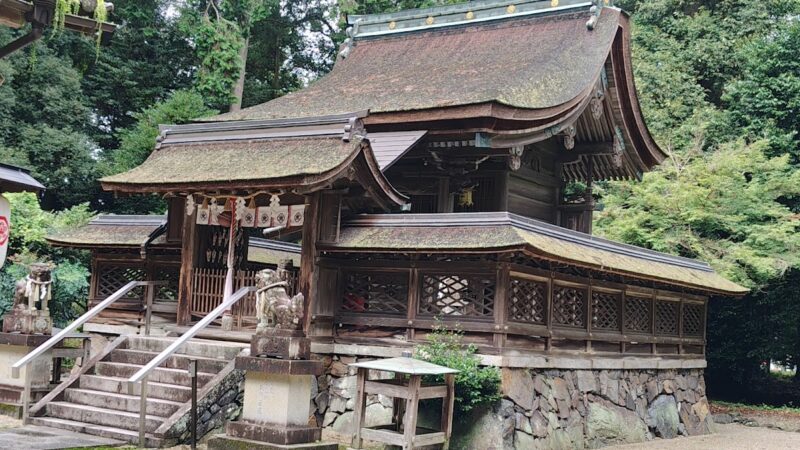
The main hall of Ujigami Shrine is considered to be the oldest existing shrine architecture in Japan, and is estimated to have been built in the late Heian period (around 1060). This date has been confirmed by scientific investigation using dendrochronology, making it a valuable historical site for understanding the history of shrine architecture.
Characteristics of the Architectural Style
The main hall has a unique structure consisting of three halls in the Ikkensha Nagare-zukuri style.
- Left and Right Shrines: Built on a large scale.
- Central Shrine: Smaller in size compared to the left and right shrines.
- Covering Structure: A style in which the three inner sanctuaries are covered by one large roof.
This style of enclosing the three sanctuaries by a single covering structure is extremely rare and holds high architectural historical value. The roof is covered with cypress bark shingles, preserving the elegant curves of the Heian period.
Worship Hall | The Elegance of Shinden-zukuri Style
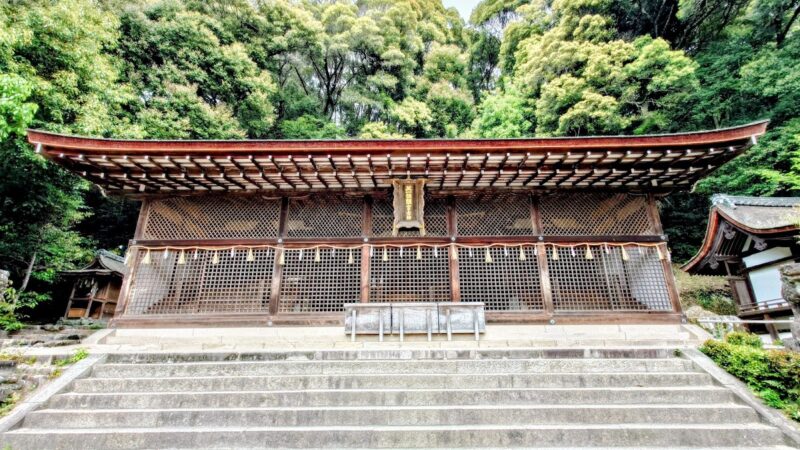
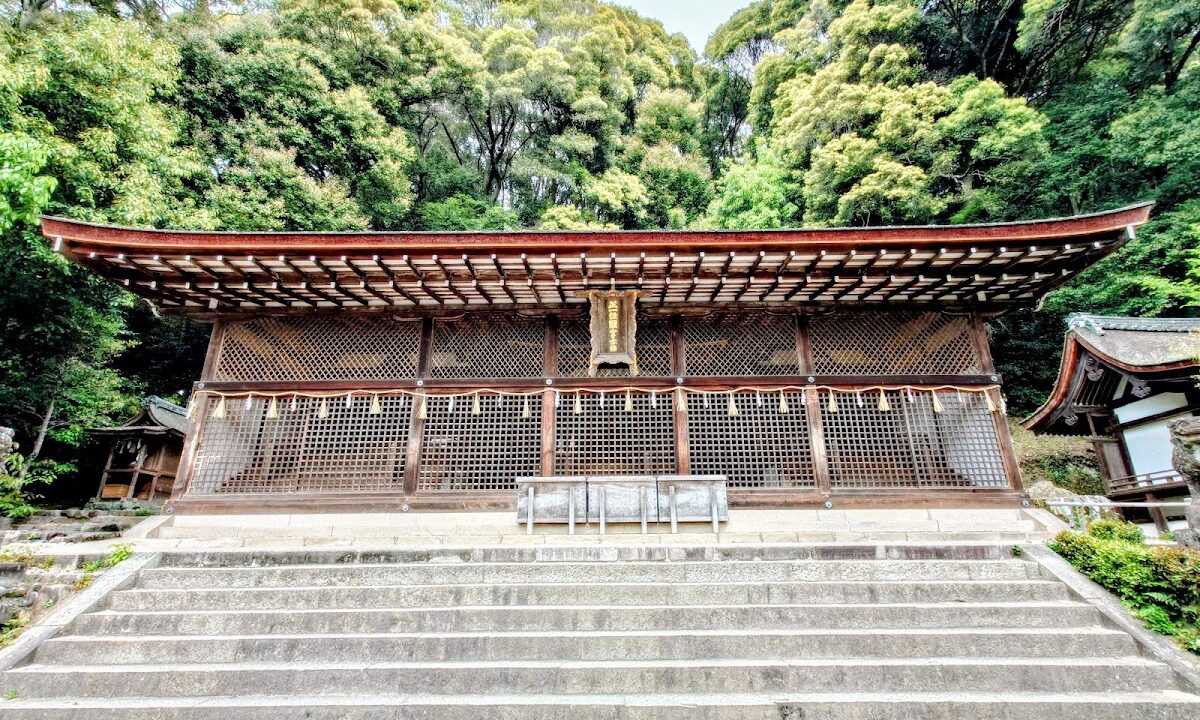
The worship hall, located in front of the main sanctuary, is also designated a National Treasure and is believed to have been built in the early Kamakura period (around 1215).
Architectural Characteristics of the Worship Hall
The worship hall has a rare structure incorporating the Shinden-zukuri style residential architecture, and has the following characteristics:
- Gable roof
- Elegant roof covered with cypress bark shingles
- Open structure: A spacious area with five bays in the front and three bays on the sides
- Sugaruhafu: Elegant gables seen at both ends of the roof
This worship hall is said to be a relocated structure from the Uji Imperial Villa (Uji-in), and is valued as a precious building that conveys the architectural culture of Heian period aristocrats. The interior has an earthen floor, a space used during Shinto rituals.
Kirihara-sui | The only remaining spring of the Seven Famous Waters of Uji
Within the temple grounds is a spring called “Kirihara-sui“. This is one of the “Seven Famous Waters of Uji,” and the only one that continues to spring forth today.
About the Seven Famous Waters of Uji
The Seven Famous Waters of Uji are seven famous springs that once existed in the Uji region, playing an important role in Uji, where the tea ceremony culture flourished. 1. Kirihara-sui (Ujigami Shrine) – Currently Existing
- Amida-sui
- Hyakuya-tsuki-i (Hundred Nights Moon Well)
- Izumidono (Spring Hall)
- Kojo-sui (High Purification Water)
- Kumon-sui (Kumon Water)
- Hokke-sui (Lawson’s Lotus Water)
Currently, the other six famous springs besides Kirihara-sui have dried up or their whereabouts are unknown, further increasing the historical and cultural value of Kirihara-sui.
Kirihara-sui Today
Kirihara-sui is located to the left of the main shrine building, and pure water still springs forth. This famous spring, once used for tea ceremonies, exudes a sacred atmosphere and provides a refreshing feeling to visitors. However, it is important to note that it is not currently safe to drink.
Value as a World Heritage Site
Ujigami Shrine was registered as a UNESCO World Heritage Site in 1994 (Heisei 6) as one of the constituent assets of “Historic Monuments of Ancient Kyoto“.
Reasons for World Heritage Site Designation
The main reasons for Ujigami Shrine’s selection as a World Heritage Site are as follows:
- Architectural Historical Value: As the oldest shrine architecture in Japan, it conveys the architectural techniques and aesthetic sensibilities of the Heian period to the present day.
- Excellent State of Preservation: Despite having a history of nearly a thousand years, it has maintained its original appearance in excellent condition.
- Cultural Landscape: It plays an important role as part of the historical landscape around the Uji River.
- Relationship with Byodo-in Temple: As the guardian shrine of Byodo-in Temple, which symbolizes Heian aristocratic culture, it tells the story of Uji’s history.
The Cultural Properties of Ancient Kyoto include 17 temples and shrines, such as Kiyomizu-dera Temple, Kinkaku-ji Temple, and Ginkaku-ji Temple, and Ujigami Shrine is a particularly valuable example of an ancient building among them.
Highlights of the Shrine Grounds and Points for Worship
From the Main Gate to the Worship Hall
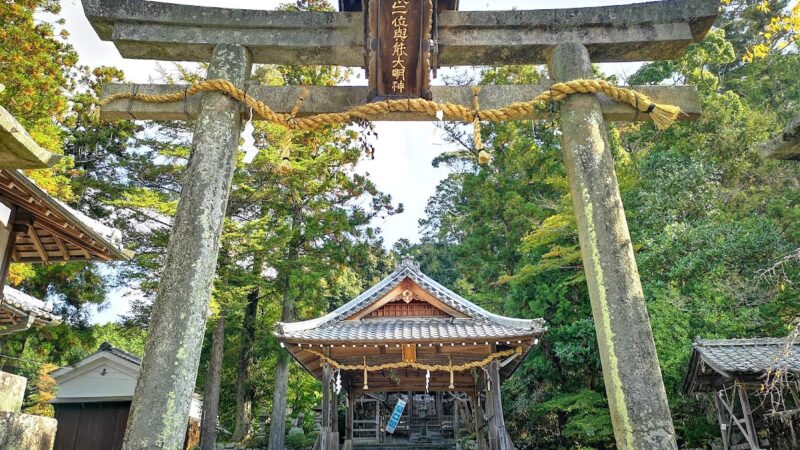
Upon passing through the main gate of Ujigami Shrine, the first thing you see is the magnificent worship hall. Passing through the vermilion torii gate and climbing the stone steps, you’ll find yourself in a tranquil shrine grounds. Surrounded by trees, the scenery is particularly beautiful during the seasons of fresh greenery and autumn leaves.
Subsidiary Shrines
Besides the main shrine and worship hall, there are several subsidiary shrines within the grounds.
- Kasuga Shrine: Enshrined as a subsidiary shrine within the grounds
- Kashii Shrine
- Sumiyoshi Shrine
Each of these small shrines has its own history and story of faith.
Waka Goshuin (Shrine Seal)
At Ujigami Shrine, you can receive a “Waka Goshuin,” a special seal inscribed by the chief priest with a waka poem related to Uji. Unlike regular goshuin, this is a special seal with a different waka poem depending on the season, making it a popular memento of your visit.
The waka poems, selected from collections such as the Manyoshu and Kokin Wakashu, are themed around the scenery and history of Uji, and combined with the beauty of the ink calligraphy, they create a work of art.
Scenery of the Four Seasons
Spring at Ujigami Shrine
In spring, cherry blossoms bloom profusely throughout the shrine grounds and along the approach, creating a beautiful landscape with the contrast between the ancient buildings and the blossoms. The fresh greenery is also vibrant, allowing you to feel the vitality of the season.
Summer’s Shade
In summer, you are enveloped in deep green, and you can enjoy a cool atmosphere along with the refreshing coolness of Kirihara water. As the trees grow greener, the shrine grounds are filled with a quiet and peaceful atmosphere.
Autumn Foliage
During the autumn foliage season, the trees along the approach and within the shrine grounds turn red and yellow, harmonizing beautifully with the national treasure architecture. The autumn leaves around the main hall are particularly beautiful, attracting many visitors.
Winter Silence
In winter, there are fewer visitors, allowing you to experience a solemn atmosphere in the temple grounds, enveloped in silence. On snowy days, a fantastical landscape unfolds, making you feel as if you’ve traveled back in time to the Heian period.
Access Information
Access by Train
From JR Nara Line “Uji Station”
- Approximately 20 minutes on foot
- Cross the Uji River and head towards Ujigami Shrine
From Keihan Railway Uji Line “Uji Station”
- Approximately 10 minutes on foot (nearest station)
- Walk along the Uji River, cross the Asagiri Bridge, and head north
Access from Keihan Uji Station is the most convenient, allowing you to enjoy the scenery of Byodo-in Temple and the Uji River while walking.
Access by Car
- Approximately 10 minutes from Keiji Bypass “Uji Higashi IC”
- Approximately 15 minutes from Keiji Bypass “Uji Nishi IC”
Parking Information
Ujigami Shrine does not have its own parking lot. We recommend using nearby paid parking lots or public transportation. There are several parking lots around Byodo-in Temple, so you can use those and visit on foot.
Address and Basic Information
- Address: 59 Ujiyamada, Uji City, Kyoto Prefecture 611-0021
- Phone: 0774-21-4634
- Visiting Hours: 9:00 AM – 4:30 PM (may vary depending on the season)
- Admission Fee: Free
- Closed Days: None
Nearby Tourist Attractions
When visiting Ujigami Shrine, we recommend also visiting nearby tourist attractions.
Uji Shrine (Lower Shrine)
Uji Shrine, located very close to Ujigami Shrine, is the former “Lower Shrine” of the two shrines. It also enshrines Uji no Wakiiratsuko as its main deity and is worshipped as the god of learning. It is said that passing through the “Ring of Wisdom” brings academic success, making it popular with students preparing for exams. Also, the adorable rabbit-shaped fortune slips are a local specialty.
Byodo-in Temple
Byodo-in Temple, known for its design on the 10-yen coin, is a representative World Heritage Site of Uji. Located about a 10-minute walk from Ujigami Shrine, the Phoenix Hall, built by Fujiwara Yorimichi, is considered one of the greatest masterpieces of Japanese architecture.
Uji River and Surrounding Scenery
A beautiful walking path is maintained along the Uji River, allowing visitors to enjoy the scenery of each season. The views from bridges such as Uji Bridge and Asagiri Bridge are also magnificent, and the area is known as a place associated with The Tale of Genji.
Famous Uji Tea Shops
Uji is one of Japan’s leading tea-producing regions. There are many long-established tea shops and tea houses in the surrounding area where you can enjoy authentic matcha and Uji tea. Taking a break with Uji tea and Japanese sweets after visiting the temple is highly recommended.
Manners and Precautions for Visiting a Shrine
Proper Etiquette for Visiting a Shrine
- When passing through the torii gate: Bow before entering the shrine grounds.
- Walking along the approach to the shrine: Walk along the sides, as the center is considered the path of the gods.
- Purification at the water basin: Purify your left hand, then your right hand, then your mouth.
- Worship at the main hall: The basic procedure is two bows, two claps, and one bow.
Regarding Photography
Photography is generally permitted on the shrine grounds, but please note the following points.
- Photography may be prohibited inside the main hall.
- Please be considerate of other visitors.
- Please refrain from using tripods.
- Please refrain from using flash photography to protect the building.
Clothing and Items to Bring
- As the grounds have gravel paths and stone steps, comfortable walking shoes are recommended.
- Insect repellent is useful in summer.
- Please bring your goshuincho (stamp book) if you wish to receive a goshuin (temple/shrine stamp).
Annual Events of Ujigami Shrine
Main Festivals
- Spring Grand Festival: An important festival held in spring.
- Autumn Grand Festival: A festival held in autumn.
- Tea Offering Festival: A special Shinto ritual befitting the Uji tea producing region.
During these festivals, you can experience a solemn atmosphere different from the usual.
Preservation Activities of Ujigami Shrine as a Cultural Property
Regular restoration and preservation work is carried out to pass on the national treasure architecture to future generations. The cypress bark roof needs to be re-thatched every 20 to 30 years, and the work is carefully carried out by craftsmen with traditional skills.
Maintaining its value as a World Heritage Site while continuing to function as a place of worship in the modern age is an ideal form of cultural property preservation.
Summary | The Charm of Ujigami Shrine
Ujigami Shrine is an extremely valuable entity, possessing historical value as the oldest shrine architecture in Japan, cultural importance as a World Heritage Site, and its role as a shrine that continues to attract the faith of people.
Nearly a thousand years after the Heian period, the main hall and worship hall, which still convey their original form, speak to the high level of Japanese architectural technology and the depth of aesthetic sense. The pure spring water of Kirihara-mizu, the natural beauty of the four seasons, and the tranquil grounds provide peace of mind to visitors.
When sightseeing in Kyoto, why not extend your trip to Uji and visit this treasure trove of history, in addition to famous temples such as Kinkaku-ji and Kiyomizu-dera? Visiting Ujigami Shrine in conjunction with Byodo-in Temple will allow you to experience the essence of Heian period aristocratic culture.
Ujigami Shrine is a special place recommended for everyone: those who want to deeply understand Japanese history and culture, those interested in architectural beauty, and those seeking a peaceful space to calm their minds. Please experience this sacred space, steeped in a thousand years of history, at least once.