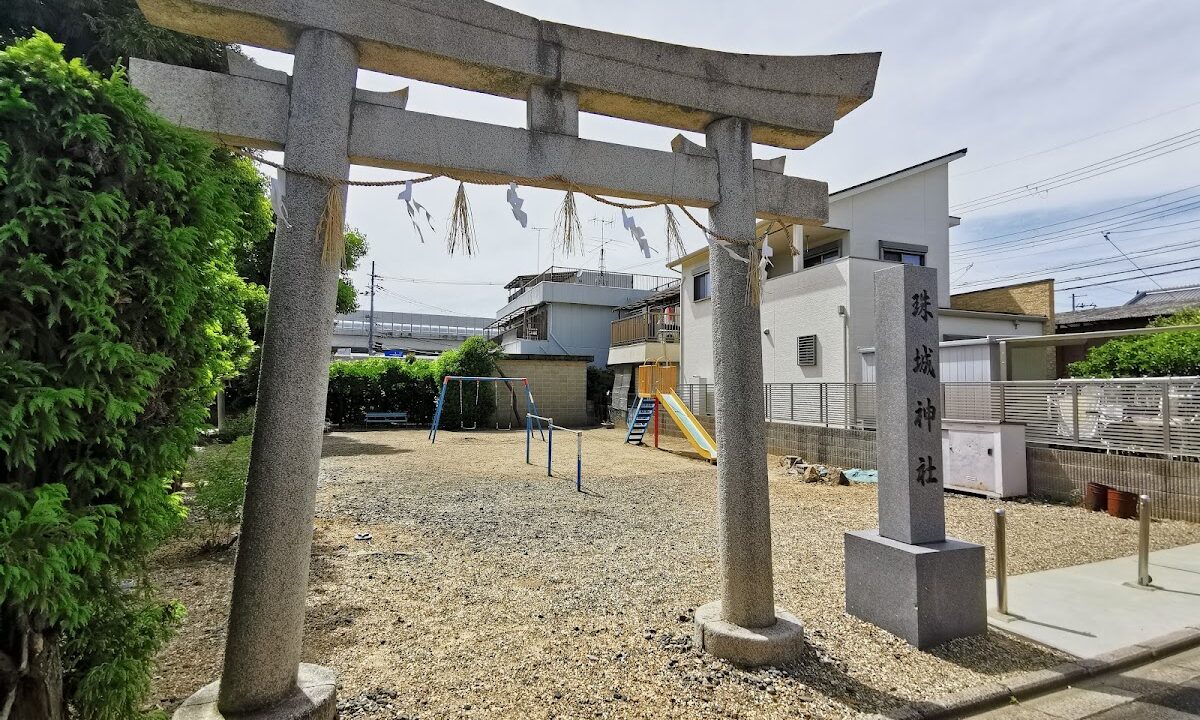
Tamaki Shrine (Kumiyama Town, Kyoto Prefecture) Complete Guide | History, Deities, Goshuin (Shrine Seal), and Access Information
Tamaki Shrine, located in Ichida Tamaki, Kumiyama Town, Kuse District, Kyoto Prefecture, is a historic shrine dedicated to Emperor Suinin and Wake no Kiyomaro, two important figures in Japanese history. This article provides detailed information you should know before visiting, including the history of Tamaki Shrine, its enshrined deities, goshuin information, and access methods.
History and Origins of Tamaki Shrine
Origins of Founding and the History of Tamaki Shrine
The founding of Tamaki Shrine is described in detail in the “History of Tamaki Shrine.” According to this history, the shrine began with the enshrinement of the spirit of the deity Ikumeirihiko Isachi no Mikoto, or Emperor Suinin, after his death.
Emperor Suinin, the 11th emperor, established his imperial palace in Makimuku and promoted various national projects during his reign. After the emperor’s death, a shrine was built in this place to commemorate his virtues and enshrine his spirit, which is the origin of Tamaki Shrine.
From Tamaki Palace to Tamaki Shrine
Formerly known as “Tamaki Palace,” it flourished as a center of local faith. It is said that this name originates from Emperor Suinin naming his imperial palace in Makimuku “Tamaki Palace.” The place name “Tamaki,” where the shrine is located, is also deeply connected to the existence of this shrine.
Enshrinement of Wake no Kiyomaro
Wake no Kiyomaro, another deity enshrined at Tamaki Shrine, was a historical figure who was active from the Nara period to the early Heian period. He is known for his efforts in the relocation of the capital to Heian-kyo, and after his death, he was revered as “Gohō Zenjin” (御法善神) for his achievements.
Regarding the circumstances of Wake no Kiyomaro’s enshrinement at Tamaki Shrine, it is thought that there are connections to the relocation of the capital to Heian-kyo and historical ties to this region. It is presumed that Kiyomaro’s activities as a posthumous official contributed to the development of this region, leading to his enshrinement by the local people.
Relationship with Jingūji Temple and Goōji Temple
In the Middle Ages, Goōji Temple, a Jingūji (temple associated with a shrine), was built adjacent to Tamaki Shrine. During the era of syncretism of Shinto and Buddhism, the shrine and temple gathered faith together, but they were separated by the Meiji-era decree separating Shinto and Buddhism.
Destruction and Reconstruction by War
Tamaki Shrine has faced several trials in its history. In particular, records show that many buildings, including the main shrine, were destroyed by fire during the Sengoku period (Warring States period). However, thanks to the fervent faith of the local people, reconstruction was carried out each time, leading to the present day.
Relationship with Saguri Shrine
There is also a shrine called Saguri Shrine nearby, and a connection to Tamaki Shrine has been pointed out. It is believed that the two shrines once had a close relationship and even held joint festivals.
About the Enshrined Deity
Ikumeirihiko Isachi no Mikoto (Emperor Suinin)
Ikumeirihiko Isachi no Mikoto is the given name of the 11th Emperor Suinin. According to the *Nihon Shoki* and *Kojiki*, Emperor Suinin reigned from 29 BC to 70 AD and is known for the following achievements:
- Construction of Makimuku Tamaki Palace: The imperial palace was established in Makimuku, Sakurai City, Nara Prefecture, and named “Tamaki Palace.”
- Founding of Ise Grand Shrine: Princess Yamato-hime was ordered to find a place to enshrine Amaterasu Omikami, laying the foundation for Ise Grand Shrine.
- Prohibition of Suicide: The custom of suicide, which had been practiced until then, was prohibited, and a reform was implemented to use haniwa (clay figures) as a substitute.
- Promotion of Agriculture: Ponds and ditches were constructed, and efforts were made to improve agricultural production.
The reign of Emperor Suinin was a crucial period in the development of the ancient Japanese state system, and his achievements have been passed down through generations.
Wake no Kiyomaro
Wake no Kiyomaro (733-799) was a nobleman and official from the Nara period to the early Heian period. His main achievements in his life are as follows:
- Usa Hachimangu Oracle Incident: Known for preventing Dokyo’s usurpation of the throne, thus protecting the imperial lineage.
- Contribution to the Relocation of the Capital to Heian-kyo: He dedicated himself to Emperor Kanmu’s plan to relocate the capital to Heian-kyo, and served as the chief construction officer, handling the practical aspects.
- River Improvement Projects: He promoted flood control projects on the Yodo River and Kamo River, contributing to the development of Kyoto’s urban infrastructure.
- Founding of Jingoji Temple: He founded Jingoji Temple on Mount Takao, contributing to the development of Buddhist culture.
After his death, Kiyomaro was deified as “Gohō Zenjin” for his achievements and is enshrined in various places, including Goō Shrine in Kyoto. At Tamaki Shrine, he is also revered as a figure who contributed to the relocation of the capital to Heian-kyo.
Highlights of the Shrine Grounds
Main Hall and Worship Hall
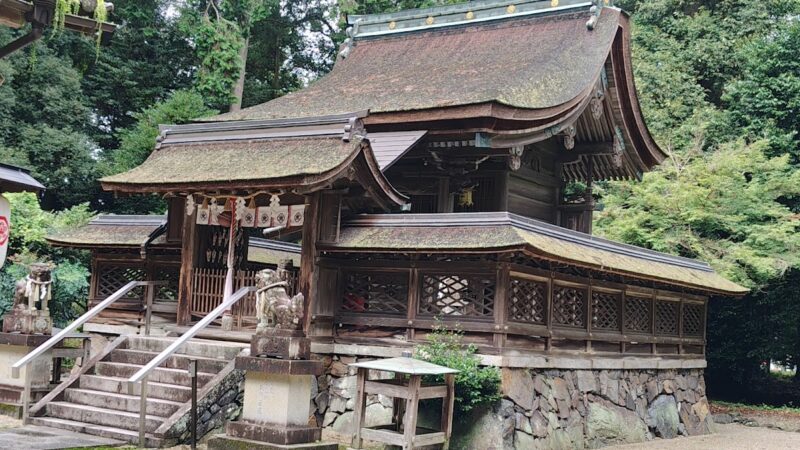
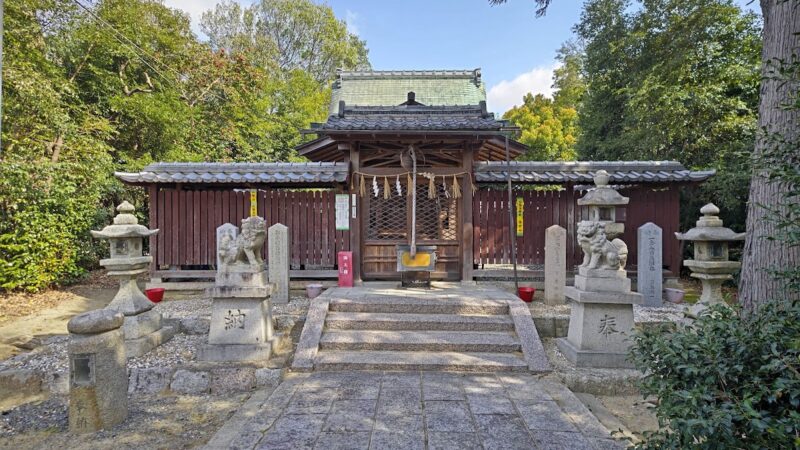
The main hall of Tamaki Shrine is built in the traditional style of shrine architecture. The current shrine building, rebuilt after being destroyed by fire during wartime, is an important structure that supports the local faith. In the worship hall, visitors can offer their daily gratitude and prayers.
Atmosphere of the Shrine Grounds
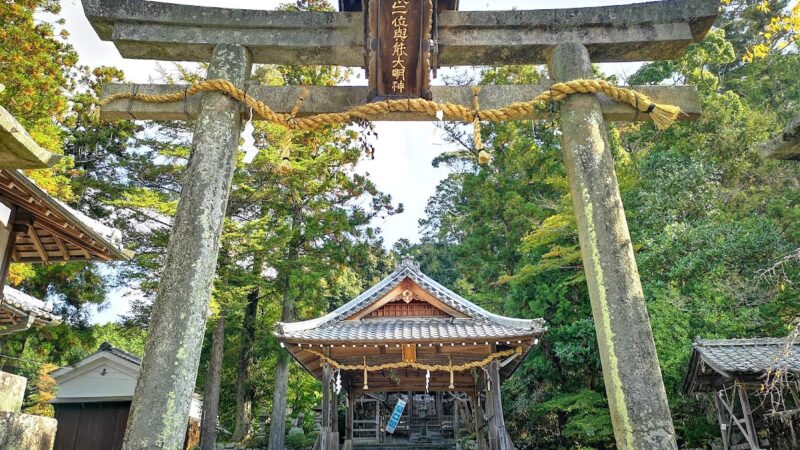
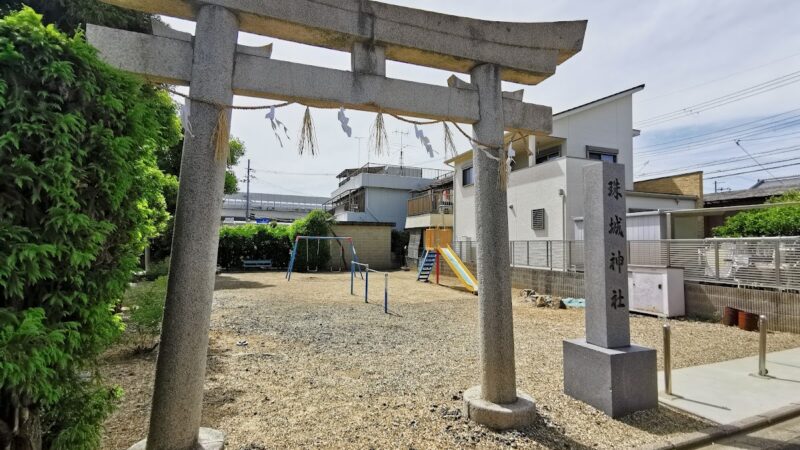
Located in the quiet residential area of Ichida Tamaki, Tamaki Shrine is characterized by its tranquil atmosphere, far removed from the hustle and bustle. The grounds are lush with trees, allowing visitors to experience the beauty of nature throughout the seasons. Especially during the fresh greenery of spring and the vibrant autumn foliage, visitors can enjoy the beauty of nature while praying.
Cultural Properties and Historical Sites
Tamaki Shrine preserves various historical materials and traditions that tell the story of its long history. Ancient documents, including the “Tamaki Shrine Engi” (History of Tamaki Shrine), are valuable resources for understanding the history of this region.
About Goshuin (Shrine Seals) and Goshuincho (Shrine Seal Books)
How to Obtain a Goshuin
Goshuin (shrine seals) for Tamaki Shrine can be obtained at the shrine office of the adjacent Tamada Shrine. Since the chief priest of Tamada Shrine also manages Tamaki Shrine, those wishing to receive a Goshuin (shrine stamp) must visit Tamada Shrine.
Relationship with Tamada Shrine
Tamada Shrine is closely related to Tamaki Shrine, and the same chief priest manages both shrines. When visiting Tamada Shrine, you can also receive detailed information about Tamaki Shrine from the chief priest. Visiting both shrines together will allow you to gain a deeper understanding of the history and faith of this region.
Points to Note When Receiving a Goshuin
- It is recommended to check the opening hours of the Tamada Shrine office in advance.
- You can bring your own Goshuincho (stamp book) or receive a pre-written Goshuin.
- Prepare a standard offering amount.
- The chief priest may be absent, so it is advisable to contact them in advance if you want to be sure to receive a Goshuin.
Access Information
Access by Train
The nearest station to Tamaki Shrine is “Iseda Station” on the Kintetsu Kyoto Line.
- Walking distance from Iseda Station: Approximately 15-20 minutes
- Exit the station and head southwest towards the Ichida area of Kumiyama Town.
Access by Bus
You can also take a bus from Kyoto City or the Uji area.
- Accessible by Keihan Bus, then a short walk from the nearest bus stop.
- Bus service may be limited, so it is recommended to check the timetable in advance.
Access by Car
- Keiji Bypass: Approximately 5 minutes from Kumiyama-Yodo IC
- National Route 1: Proceed towards Kumiyama-cho, then to the Ichida area
- Parking may be available at Tamada Shrine’s parking lot.
Address and Basic Information
- Location: Ichida Tamaki, Kumiyama-cho, Kuse-gun, Kyoto Prefecture
- Management: Chief Priest of Tamada Shrine
- Visiting Hours: Grounds are freely accessible (Shrine office hours are the same as Tamada Shrine’s)
Nearby Attractions
Tamada Shrine
As mentioned above, this shrine is managed by the same chief priest as Tamaki Shrine. Since you will definitely visit it when receiving a Goshuin (shrine stamp), it is recommended to visit it as well. Tamada Shrine has its own unique history and enshrined deities, and is a center of local faith. ### Historical Spots in Kumiyama Town
Besides Tamaki Shrine, Kumiyama Town has numerous other historical shrines and temples.
- Futakuri Shrine: A shrine with historical ties to Tamaki Shrine
- Other Ancient Shrines: There are several old shrines within the town, each with its own unique history.
Uji and Fushimi Areas
From Tamaki Shrine, you can easily access major Kyoto tourist destinations such as Uji and Fushimi.
- Uji Area: Historical buildings including World Heritage sites such as Byodo-in Temple and Ujigami Shrine
- Fushimi Area: Fushimi Inari Taisha Shrine, Fushimi sake breweries, etc.
Manners and Etiquette for Visiting Shrines
Basic Visiting Etiquette
- Bow before passing through the torii gate: As a sign of respect before entering the sacred area.
- Purify yourself at the water basin: Purify your left hand, right hand, and mouth in that order.
- Etiquette at the main hall: Two bows, two claps, and one bow are the basics.
- Maintain silence on the shrine grounds: Be mindful that this is a sacred place.
Regarding Photography
Photography is generally permitted on the shrine grounds, but please note the following points.
- Do not take photos in areas where photography is prohibited, such as inside the main shrine.
- Be considerate of other worshippers.
- When posting on social media, be careful not to damage the dignity of the shrine.
Annual Events at Tamaki Shrine
Annual Festivals
Tamaki Shrine holds various festivals throughout the year. For detailed schedules, we recommend asking the chief priest of Tamaki Shrine or checking in advance.
Seasonal Events
- Hatsumode: New Year’s visit
- Setsubun Festival: Prayers for protection against evil and good fortune
- Autumn Grand Festival: Festival to give thanks for a bountiful harvest
Points to Note When Visiting Tamaki Shrine
Recommended Time to Visit
Tamaki Shrine can be visited throughout the year, but the following times are particularly recommended.
- Spring (March-May): Beautiful fresh greenery and mild weather, ideal for visiting the shrine.
- Autumn (October-November): The autumn foliage enhances the atmosphere of the shrine grounds.
- New Year’s Visit (January): Many visitors come to pray for the New Year.
Estimated Time Required
- Visiting Tamaki Shrine only: Approximately 15-30 minutes
- Visiting Tamaki Shrine and Tamada Shrine together: Approximately 1 hour
- Including a stroll around the surrounding area: 2-3 hours
Clothing and Items to Bring
- Clothing: There are no specific rules, but clean clothing appropriate for visiting a shrine is desirable.
- Items to Bring: Goshuincho (stamp book) (if you wish to receive a stamp), camera, drinks, etc.
- Seasonal Attire: Don’t forget sun protection in summer and warm clothing in winter.
Kumiyama Town and Tamaki Shrine
Ties to the Community
Tamaki Shrine has long been revered by the local people as the tutelary shrine of the Ichida district in Kumiyama Town. It is an indispensable part of the region’s history and culture, and is still carefully preserved by the local community.
History of Kumiyama Town
Kumiyama Town has flourished since ancient times as a transportation hub. Located at the confluence of the Uji, Kizu, and Katsura rivers, it was a center of thriving water transport and goods distribution. Even today, it remains an important location connecting Kyoto and Osaka, and continues to develop as a town where industry and history coexist.
Benefits of Tamaki Shrine
Benefits related to Emperor Suinin
- National Peace and Security: Due to his achievements in governing the country as emperor.
- Development of Agriculture and Industry: Due to his efforts in promoting agriculture.
- Family Safety: Due to his virtue in maintaining stable rule.
Benefits related to Wake no Kiyomaro
- Protection from Evil: Due to the anecdote of thwarting Dokyo’s ambitions.
- Good Fortune and Prosperity: Due to his achievement in successfully completing the great project of relocating the capital to Heian-kyo.
- Traffic Safety: Due to his contributions to the development of roads and bridges.
- Academic Success: Due to his outstanding wisdom and learning.
Summary
Tamaki Shrine is a historical and venerable shrine dedicated to Emperor Suinin and Wake no Kiyomaro, two important figures in Japanese history. Located in a quiet residential area of Kumiyama Town, this shrine is a precious place where one can escape the hustle and bustle and worship in peace.
Since you can receive a Goshuin (temple/shrine stamp) at Tamada Shrine, visiting both shrines together will allow you to gain a deeper understanding of the history and faith of this region. When you visit Kyoto or Uji, why not extend your trip a little and visit Tamaki Shrine?
Its convenient location, within walking distance of Iseda Station, is another attractive feature. Take your time to reflect on the region’s history while you pray.
Inquiries
For detailed information about Tamaki Shrine and inquiries about visiting, please contact the Tamada Shrine office. The chief priest will provide you with detailed information about Tamaki Shrine.
We recommend checking the visiting hours and Goshuin availability before your visit. Especially if you are traveling from afar or want to be sure to receive a Goshuin, contacting them in advance is recommended.
Tamaki Shrine conveys the rich history and traditions of Kumiyama Town. May your visit be a fulfilling experience.