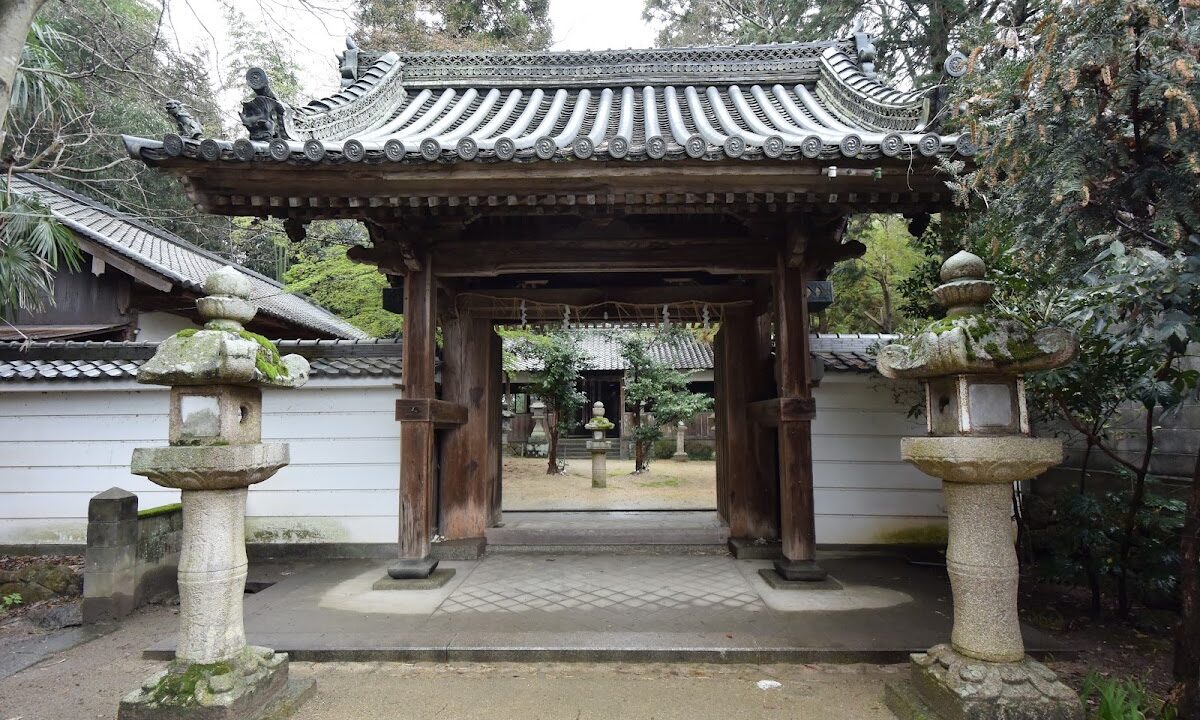
Complete Guide to Hosono Shrine (Seika-cho, Kyoto Prefecture) | History, Igomori Festival, and Access Information
Hosono Shrine, located in Seika-cho, Soraku-gun, Kyoto Prefecture, is known as a venerable shrine with a long history dating back to ancient times. Situated on the banks of the Kizu River, this shrine has existed since before the Nara period and attracts national attention with its annual “Igomori Festival” held every New Year. This article provides a detailed explanation of everything you need to know before visiting Hosono Shrine, including its history, enshrined deities, festivals, highlights within the grounds, and access information.
History and Origins of Hosono Shrine
Circumstances of its Founding and the Legend of the Oak Forest
The founding of Hosono Shrine dates back to the time of Emperor Sujin. It is an ancient shrine with related descriptions found in the *Nihon Shoki* and *Kojiki*, and an intriguing legend surrounds its origins.
During the reign of Emperor Sujin, a demon dwelled in the Hohosonomori forest in this area, tormenting the people. This demon is said to be the vengeful spirit of Takehaniyasuhiko, who was defeated after a rebellion. To appease this demon, the imperial court invited and enshrined Kasuga Daimyojin from Kasuga Taisha in Nara, marking the beginning of the Hōsono Shrine.
The place name “Hōsono” is also said to originate from this ritual to appease the demon, and it is believed that the place came to be called “Hōsono” as a place to worship and celebrate a deity.
Hōsono Shrine in Historical Documents
The oldest document indicating the existence of Hōsono Shrine is the *Shinshō Kakuchokufu Shō*, compiled in the early Heian period. The name “Hōsono-jin” is recorded in this document, confirming its existence at least during the Nara period.
Later, the shrine was listed as “Iwaizono Shrine, Soraku District, Yamashiro Province” in the Engishiki Jinmyocho (a list of shrines compiled in the Engi era), completed in 927, indicating its status as a Shikinaisha (a shrine listed in the Engishiki). Furthermore, the name of Iwaizono Shrine appears in the Nihon Sandai Jitsuroku (a historical record of the three reigns of the Nihon Daijitsu), suggesting it was a shrine highly valued by the imperial court.
During the medieval period, it had close ties with Kofuku-ji Temple. The Kofuku-ji Kanmu Chosho (a document from the Kofuku-ji Temple’s official affairs), written in 1441, records the presence of two resident monks, three priests, and three shrine attendants. This indicates that Iwaizono Shrine possessed a considerable scale and organization at that time.
Iwaizono Shrine in the Modern Era
Following the separation of Shinto and Buddhism during the Meiji era, Iwaizono Shrine was designated a Gosha (village shrine). Even after World War II, it continued to be a center of local faith, cherished by the people of Seika Town and the surrounding areas. Currently, it is attracting attention as a representative tourist spot in the Yamashiro region of southern Kyoto Prefecture and is positioned as an important cultural property in the “Tea of Kyoto” area.
Deities and Divine Virtues
The Three Deities of Kasuga Grand Shrine
The deities enshrined at Hōsono Shrine are the three deities of Kasuga Grand Shrine, who were invited from Kasuga Grand Shrine.
Amenokoyane-no-Mikoto
A deity considered the ancestral god of the Nakatomi clan (later the Fujiwara clan), known for reciting prayers when Amaterasu Ōmikami hid in the Heavenly Rock Cave. He is worshipped as the god of learning, wisdom, and the fulfillment of wishes.
Takemikazuchi-no-Mikoto
A war god known as the god of thunder and swords, who played an active role in the transfer of the land. He is believed to bestow blessings of victory, military fortune, and protection from evil.
Futsunushi-no-Mikoto
A war god who, along with Takemikazuchi-no-Mikoto, successfully completed the transfer of the land, and is also revered as the god of swords. He is said to bring good fortune in competitions and general good luck.
These deities were originally enshrined to appease demons and spirits, but today they are revered as guardian deities of the region, and many worshippers visit seeking blessings for the fulfillment of wishes, protection from evil, and family safety.
Igomori Festival | Kyoto Prefecture Designated Intangible Folk Cultural Property
Festival Overview and History
The most famous festival at Hōsono Shrine is the “Igomori Festival,” held annually for three days starting from the first Monkey Day of the New Year. This festival is said to have begun as a way to appease demons and spirits, which was the origin of the shrine’s founding. It is designated as a Kyoto Prefecture Designated Intangible Folk Cultural Property, a valuable Shinto ritual that preserves agricultural rites from the Middle Ages.
“Igomori” means “to stay indoors,” and during the festival, villagers observe a period of abstinence and seclude themselves in the shrine to perform the rituals. This custom is thought to be a fusion of ancient agricultural rituals and rituals of appeasing spirits.
The Power of the Torchlight Ritual
The highlight of the Igomori Festival is the torchlight ritual held at night. When the large torches are lit, the flames blaze into the winter night sky, creating a fantastical spectacle. These flames are considered sacred, believed to appease demons and pray for a bountiful harvest and the peace of the village.
There is also a custom of predicting the success or failure of the year’s crops based on the intensity and burning of the torches, making it an important New Year’s event for the local people. In recent years, many spectators from both within and outside Seika Town have come to witness this powerful torchlight ritual.
The Significance and Legacy of the Festival
The Igomori Festival is not merely a tourist event; it is an important opportunity to reaffirm the bonds of the local community and pass on traditions to the next generation. From preparation to execution, the cooperation of local residents fosters a strong sense of community.
Even in modern times, preserving the ritual forms that have continued since ancient times is not easy, but thanks to the efforts of the people of Seika Town, this precious cultural heritage has been passed down to the present day.
Highlights of the Shrine Grounds
Shrine Buildings and Architectural Style
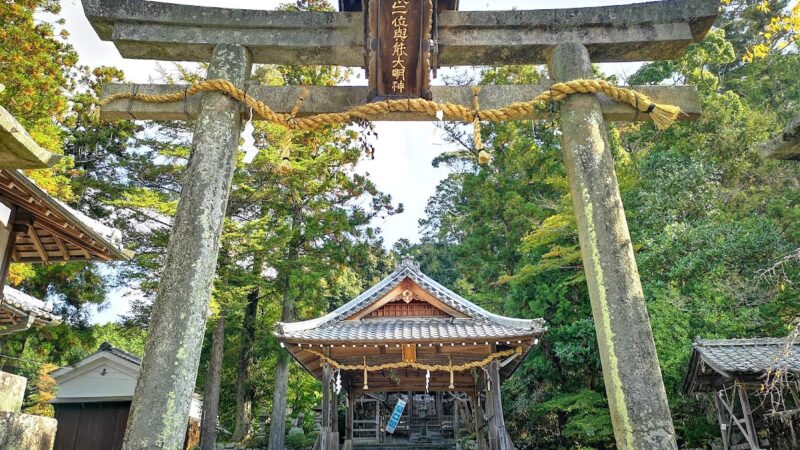
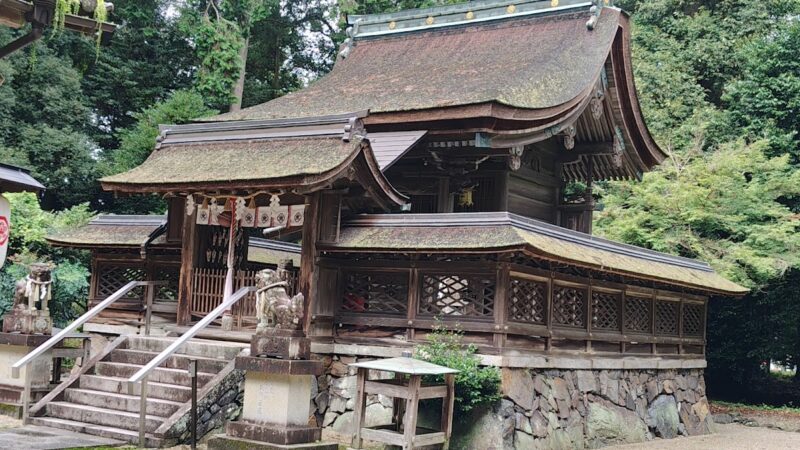
The shrine buildings of Hōsono Shrine are built in the Kasuga-zukuri architectural style, characterized by their vibrant vermilion color. The main hall is protected by a protective structure, and the three deities of Kasuga-no-Ōkami are enshrined inside.
The worship hall is where worshippers offer their prayers, and a magnificent shimenawa (sacred rope) hangs at the front. The entire shrine grounds are surrounded by trees, especially in summer when it is enveloped in deep green, and in winter when a tranquil atmosphere prevails.
Natural Environment of Kusa-no-Mori Forest
Kusa-no-Mori Forest, where Hōsono Shrine is located, has been protected as a sacred forest since ancient times. Kusa-no-Mori refers to deciduous trees such as sawtooth oak and Japanese oak, and various trees grow in this forest.
The tranquil environment of Hōsono Shrine, where you can hear the gentle murmur of the Kizu River, the chirping of birds, and the sound of the wind, is a unique charm of this shrine, which is rich in nature despite being located near an urban area.
Shrines and Stone Monuments
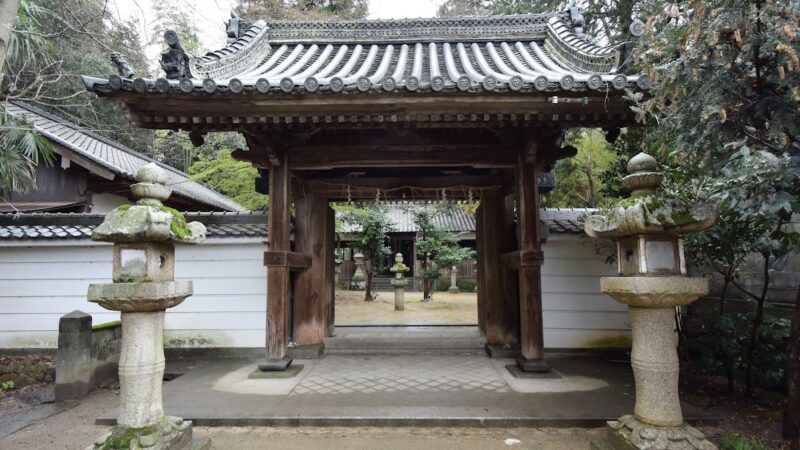
Several shrines and stone monuments are located around the main hall. These were donated by the local people through their faith over a long history.
As you stroll through the grounds and reflect on the origins and history of each, you can feel the layered history of faith at Hōsono Shrine.
Access to Hōsono Shrine
Access by Train
Hōsono Shrine is accessible from both the JR and Kintetsu lines, making it easily accessible from Kyoto City and Nara.
If using the JR Gakken Toshi Line:
- Get off at JR “Shukuen Station,” approximately 15 minutes on foot.
- Approximately 40 minutes from Kyoto Station; easily accessible from Osaka.
If using the Kintetsu Kyoto Line:
- Get off at Kintetsu “Shin-Shukuen Station,” approximately 15 minutes on foot.
- Approximately 30 minutes from Kyoto Station by transferring to the Kintetsu line.
JR Shukuen Station and Kintetsu Shin-Shukuen Station are adjacent, and the same route to the shrine can be used from either station. The path from the station to the shrine passes through a residential area, and guide signs are installed.
Access by Car and Parking
If visiting by private car, the following routes are convenient:
- Approximately 10 minutes from the Keina-Wa Expressway “Seika-Shimokoma IC”
- Approximately 20 minutes from the Daini Keihan Expressway “Hirakata-Higashi IC”
While there is parking space for visitors at the shrine, congestion is expected during major events such as the Igomori Festival, so using public transportation is recommended.
Nearby Tourist Attractions
Seika Town, where Hōsono Shrine is located, is situated in the Yamashiro region of southern Kyoto Prefecture and is part of the “Tea of Kyoto” area. The following tourist attractions are also located nearby:
Keihanna Commemorative Park
A core facility of the Kansai Culture and Science City, this park features a beautiful Japanese garden, “Suikeien.” It’s approximately a 10-minute drive from Hōsono Shrine.
Walking Path along the Kizu River
A walking path is maintained along the Kizu River, which flows very close to Hōsono Shrine, making it ideal for a walk while enjoying nature.
Uji Area
Uji City, home to the World Heritage sites Byōdō-in Temple and Ujigami Shrine, is approximately a 20-minute drive away and is recommended for a combined visit.
Manners and Precautions for Visiting the Shrine
Basic Worship Etiquette
When visiting Hōsono Shrine, please observe the following basic etiquette.
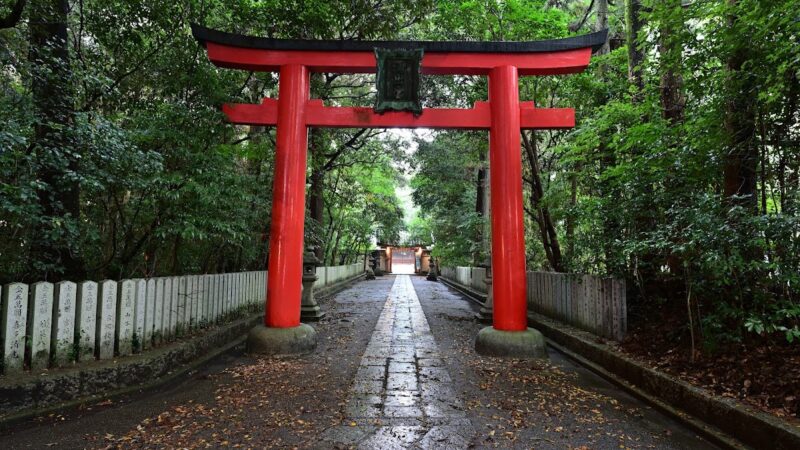
- Bow before passing through the torii gate: This is a courtesy when entering the sacred area.
- Purify yourself at the water basin: Purify your left hand, then your right hand, then your mouth.
- Avoid walking in the center of the approach to the shrine: The center is considered the path of the gods.
- Etiquette at the main hall: The basic procedure is two bows, two claps, and one bow.
Regarding Photography
Photography is generally permitted within the shrine grounds, but may be restricted during festivals or inside the main hall. Especially during Shinto rituals such as the Igomori Festival, please follow the instructions of the Shinto priests and other related personnel.
Clothing and Belongings
There are no specific dress code requirements for visiting the shrine, but please avoid revealing clothing and dress modestly. Especially when attending the Igomori Festival in winter, be sure to take precautions against the cold at night.
Major Annual Events
Igomori Festival (January)
As mentioned above, this is the most important festival, held for three days starting from the first day of the Monkey in January. The torchlight ritual is particularly impressive and attracts many worshippers.
Spring Festival
In spring, the Spring Festival is held to pray for a bountiful harvest. This is a traditional festival to report the start of farming to the gods and pray for a good harvest.
Autumn Festival
At the Autumn Festival, which expresses gratitude for the autumn harvest, local agricultural products are offered, and prayers are offered in thanksgiving for the year’s bounty.
Monthly Festivals
Monthly festivals are held regularly each month, praying for the safety of the community and the well-being of worshippers.
History and Culture of Seika Town
A Part of the Kansai Science City
Seika Town, home to the Hōsono Shrine, boasts a rich history dating back to ancient times, while also being a cutting-edge town at the heart of the Kansai Science City (Keihanna Science City). It possesses a unique regional characteristic where ancient beliefs and cutting-edge research and development coexist.
The Kyoto Tea Area
Seika Town belongs to the Yamashiro region in southern Kyoto Prefecture, known as “Kyoto Tea.” This region is famous for its Uji tea production, boasting beautiful landscapes of tea plantations and a rich tradition rooted in tea culture.
When visiting Hōsono Shrine, you can enjoy a unique cultural experience by admiring the surrounding tea fields and tasting Uji tea at local tea shops.
A Summary of the Charms of Hōsono Shrine
Hōsono Shrine is a multifaceted shrine with a rich history dating back to the reign of Emperor Sujin, an intriguing origin story of appeasing demons and spirits, the Igomori Festival (a Kyoto Prefecture-designated intangible folk cultural property), and the abundant natural environment on the banks of the Kizu River.
While possessing the prestige of a Shikinaisha (a shrine listed in the Engishiki, an ancient Japanese legal code), it has a friendly, community-oriented atmosphere and is loved by a wide range of people, from history buffs to locals and tourists.
Unlike the famous shrines in Kyoto City, Hōsono Shrine offers a quiet and sacred atmosphere unique to the Yamashiro region. When visiting Kyoto or Nara, why not extend your trip a little and visit this historic shrine? Within its grounds, surrounded by the murmur of the Kizu River and the greenery of the Isomori forest, you can experience the history of Japanese faith that has continued since ancient times.
Especially during the Igomori Festival in January, you can witness the fantastic sight of flames scorching the night sky, creating an unforgettable experience. With excellent accessibility, easily reachable from Kyoto Station and Nara, this shrine is definitely worth adding to your list of places to visit in the Kansai area.
Basic Information
Name: Hosono Shrine
Address: Hosono Sakunomori, Seika-cho, Soraku-gun, Kyoto Prefecture
Deities Enshrined: Amenokoyane-no-Mikoto, Takemikazuchi-no-Mikoto, Futsunushi-no-Mikoto
Shrine Rank: Shikinaisha (Shrine listed in the Engishiki), Former Gosha (Village Shrine)
Main Festival: Igomori Festival (3 days from the first Monkey Day of the New Year)
Access:
- Approximately 15 minutes on foot from JR Gakken Toshi Line “Hosono Station”
- Approximately 15 minutes on foot from Shin-Hozono Station on the Kintetsu Kyoto Line
Parking: Available (Limited number of spaces; public transportation is recommended during major events)
Admission Fee: Free
Visiting Hours: Grounds are freely accessible (Please check the shrine office’s opening hours)
Inquiries: Seika Town Board of Education, Lifelong Learning Division (Cultural Properties)
Hozono Shrine, located in Seika Town where ancient history and modern times intersect, will continue to be a beloved center of faith for many people.