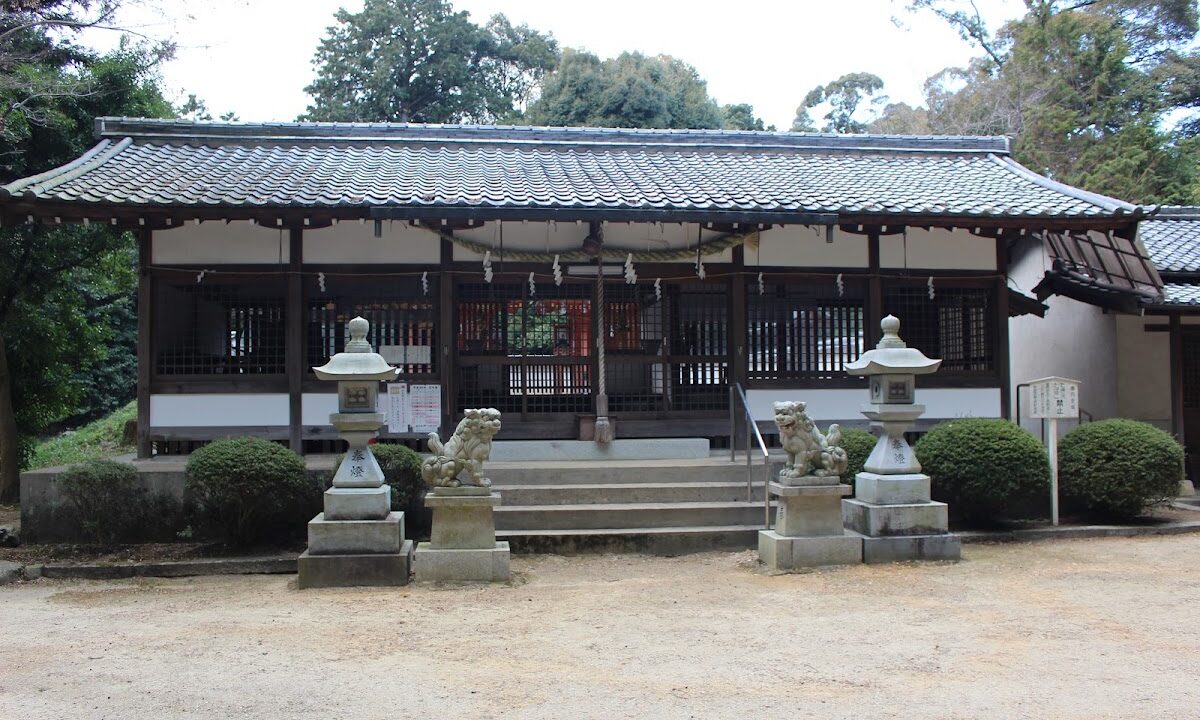
Saga Shrine (Kyoto Prefecture) Complete Guide | History, Benefits, Access, and Goshuin Information
Saga Shrine, located in the Tango region of northern Kyoto Prefecture, is a historic shrine that has long been a center of local faith. As a Shikinaisha (a shrine listed in the Engishiki Jinmyocho), it boasts a history of over a thousand years. This guide provides detailed information on its history, enshrined deities, benefits, highlights within the grounds, access methods, and Goshuin information.
About Saga Shrine
Saga Shrine is located in Yosano-cho, Yosa-gun, Kyoto Prefecture, and is known as an ancient shrine in the Tango region. It is pronounced “Saga Jinja” and is affectionately known as “Saga Shrine” by locals.
It is a Shikinaisha (a shrine listed in the Engishiki Jinmyocho), and is a historical shrine that has existed since before the Heian period. As a Shikinaisha of Yosa-gun, Tango Province, it has been a central place of worship for the local people since ancient times.
Basic Information on Saga Shrine
- Location: Yosano-cho, Yosa-gun, Kyoto Prefecture
- Shrine Rank: Shikinaisha (listed in the Engishiki Jinmyocho)
- Main Deity: Oyamatsumi-no-mikoto
- Founding Date: Unknown (before the Heian period)
- Annual Festival: October
History of Saga Shrine
Ancient History
The founding date of Saga Shrine is unclear, but since it is listed as “Saga Shrine, Yosa-gun, Tango Province” in the Engishiki Jinmyocho (compiled in 927), it is certain that it existed before the mid-Heian period.
The Engishiki Jinmyocho records shrines recognized as official shrines at the time, indicating that Saga Shrine was a prestigious shrine officially recognized by the imperial court.
Connection to the Place Name
The place name “Saga” is thought to be deeply connected to the geographical characteristics and history of the ancient Tango region. This area has long been a center of agriculture and fishing, and a belief in the worship of mountain gods was deeply rooted.
From the Medieval to the Early Modern Period
The shrine continued to be worshipped as the local tutelary deity from the medieval period onward. Through the turbulent Sengoku period, it was maintained during the Edo period under the protection of local influential figures and village headmen.
Despite being affected by the Meiji-era separation of Shinto and Buddhism and the shrine consolidation policy, it has been preserved to this day through the fervent faith of the local residents.
Deity and Benefits
Main Deity: Oyamatsumi-no-Mikoto
The main deity of Saga Shrine is Oyamatsumi-no-Mikoto. Oyamatsumi-no-Mikoto is a mountain god appearing in Japanese mythology and is revered as the supreme deity who governs the mountains.
Oyamatsumi-no-Mikoto was born as a child of Izanagi and Izanami, and is known as a god who brings blessings from the mountains and sea, as well as a god of war and sake brewing.
Benefits
The main benefits that can be received at Saga Shrine are as follows:
Safety in the Mountains and Abundant Harvest
As Oyamatsumi-no-Mikoto is a mountain god, there is a belief in praying for safety in mountain work and abundant harvests.
Family Safety and Protection from Evil
The mountain god is also a god who protects boundaries, and is believed to have the power to protect homes and communities.
Maritime Safety and Prosperity in Fishing
The Tango region faces the Sea of Japan, and there has been a long-standing belief in praying for safety at sea and prosperity in fishing.
Long-lasting Military Fortune and Victory
Oyamatsumi-no-Mikoto also has the characteristics of a god of war, and is believed to bestow the strength to overcome challenges and achieve victory in competitions.
Prosperity in Sake Brewing
Based on the myth that Konohanasakuya-hime, daughter of Oyamatsumi-no-Mikoto, brewed sake from rice, this shrine attracts the faith of those involved in sake brewing.
Highlights of the Shrine Grounds
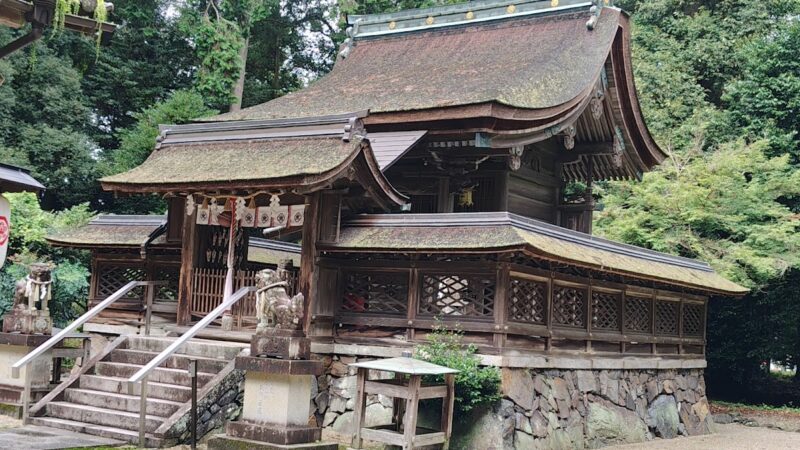
Main Hall
The main hall of Saga Shrine is built in the traditional style of shrine architecture. Its construction is suited to the climate and natural features of the Tango region, giving it a historical feel.
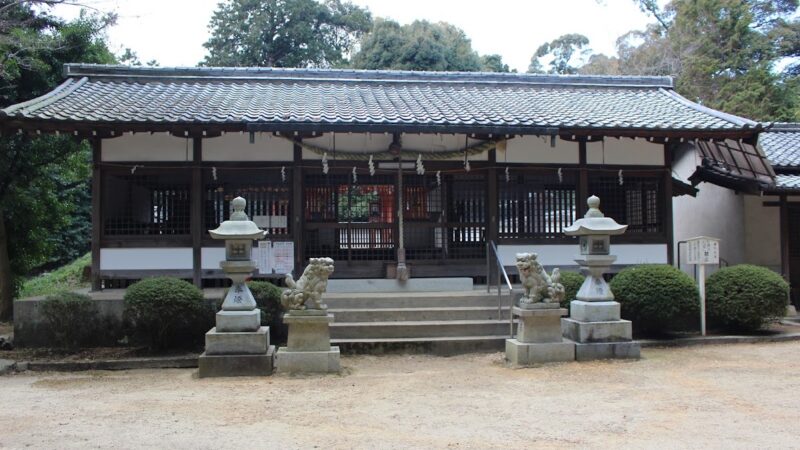
Worship Hall
The worship hall, where worshippers offer their prayers, is located in front of the main hall. It offers a serene and peaceful atmosphere for quiet worship.
Shrine Grove
The forest surrounding the shrine grounds retains its ancient natural beauty, creating a sacred atmosphere. You can experience the changing seasons.
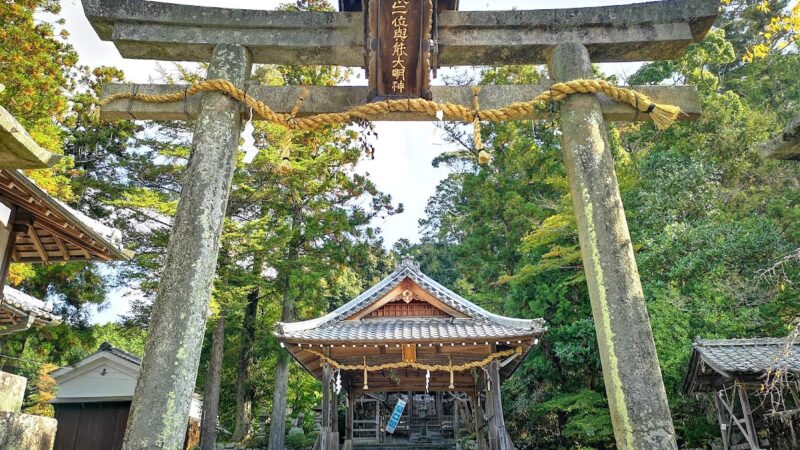
Stone Steps and Torii Gate
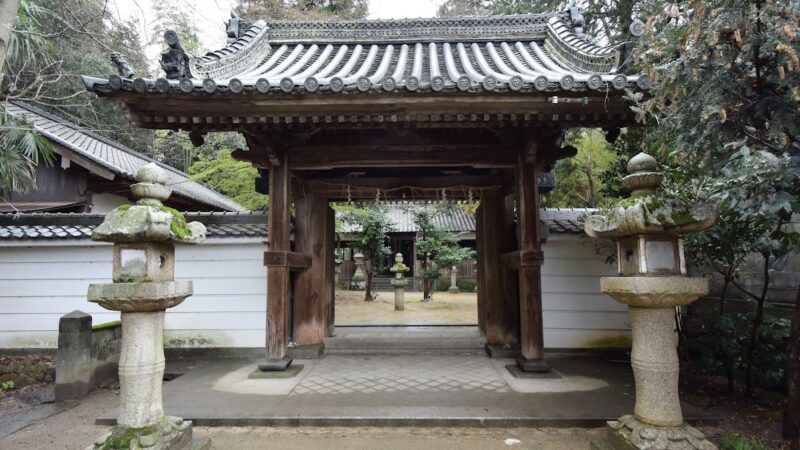
The approach to the shrine features stone steps, and you proceed through a torii gate to enter the grounds. Walking along this path shifts your mind from everyday life to a sacred realm.
Annual Events and Festivals
Annual Festival
The annual festival of Saga Shrine is held every October. Local residents gather, and events such as a portable shrine procession and Kagura (sacred dance) performances may take place.
New Year’s Festival
The New Year’s Festival is held on January 1st, praying for peace and prosperity in the new year. Local residents visit for their first shrine visit of the year.
Monthly Festival
Monthly festivals are held on fixed days each month, offering daily gratitude and prayers.
Goshuin (Shrine Seal) Information
Issuance of Goshuin
Goshuin may be available at Saga Shrine. However, since there may not always be a resident priest, it is recommended to check in advance.
Characteristics of Goshuin
The goshuin, bearing the ink inscription and red seal indicating its status as a Shikinaisha (a shrine listed in the Engishiki), is a valuable memento of your visit.
Issuance Hours
The issuance hours for Goshuin (temple/shrine stamps) vary depending on the shrine’s situation, so we recommend checking before your visit. If the chief priest is absent, you may be able to obtain a Goshuin at a nearby shrine under the same jurisdiction.
Access Information
Location
Located in Yosano-cho, Yosa-gun, Kyoto Prefecture.
Access by Train
Using the Kyoto Tango Railway (Tantetsu)
- Accessible on foot or by taxi from the nearest station on the Kyoto Tango Railway Miyazu Line.
- The nearest stations are Yosano Station or Nodagawa Station.
- Approximately 20-30 minutes on foot or 5-10 minutes by taxi from the station.
Access by Car
From Kyoto City
- Approximately 1 hour 30 minutes to 2 hours via the Kyoto Jukan Expressway.
- Approximately 10-15 minutes from the Yosa-Amanohashidate Interchange.
From Osaka
- Approximately 2 hours 30 minutes via the Kyoto Jukan Expressway.
Parking
There may be parking spaces for visitors on the shrine grounds or nearby. Please check in advance if visiting by large bus.
Car Navigation Settings
Please search by address or shrine name. You can also search for “Saga Shrine” using a smartphone map app.
Manners and Etiquette for Visiting a Shrine
Basic Etiquette for Visiting a Shrine
- Bow Before Passing Through the Torii Gate: Before entering the sacred area, bow before the torii gate.
- Walking Along the Path: The center of the path is considered the path of the gods, so walk along the sides.
- Purify at the Water Basin: If there is a water basin, purify your hands and mouth.
- Etiquette at the Main Hall: Two bows, two claps, and one bow is the basic procedure.
Clothing
There are no specific dress code requirements, but since shrines are sacred places, clean and subdued clothing is desirable.
Photography
Photography is generally permitted within the shrine grounds, but there are areas where photography is prohibited, such as inside the main hall. If unsure, please check with a Shinto priest.
Nearby Tourist Attractions
Amanohashidate
Amanohashidate, one of Japan’s three most scenic views, is approximately 20-30 minutes by car from Saga Shrine. As a representative scenic spot of Tango, it attracts many tourists every year.
Ine Boathouses
The Ine boathouses, designated as an Important Preservation District for Groups of Traditional Buildings, are known for their unique architectural style facing the sea. It’s about a 40-minute drive from Saga Shrine.
Kono Shrine
Kono Shrine, the Ichinomiya (first-ranked shrine) of Tango Province, is a prestigious shrine located near Amanohashidate. It is known as one of the original Ise shrines.
Tourist Facilities in Yosano Town
Yosano Town offers various attractions, including weaving workshops, facilities for learning about local history, and hot springs, which can be enjoyed in conjunction with shrine visits.
Pilgrimage to Shikinaisha Shrines in the Tango Region
Saga Shrine is one of the Shikinaisha shrines in the Tango region. Many Shikinaisha shrines are scattered throughout the Tango region, making a pilgrimage to these shrines a fascinating experience for history buffs and shrine enthusiasts.
Major Shrines in Tango Province
- Kono Shrine (Ichinomiya of Tango Province)
- Omiyauri Shrine
- Komushi Shrine
- Tayu Shrine
- Saga Shrine
Visiting these shrines allows you to experience the deep history and faith of the Tango region from ancient times.
Seasons at Saga Shrine
Spring (March-May)
In spring, the trees in the shrine grounds bud, creating a beautiful season of fresh greenery. Cherry blossoms may also bloom, allowing for a pleasant visit in mild weather.
Summer (June-August)
The greenery deepens, and the shrine’s forest creates a cool and refreshing atmosphere. Summer festivals are sometimes held.
Autumn (September-November)
This is a season of beautiful autumn foliage, and the annual festival is held in October. You can feel the richness of nature, befitting the harvest season.
Winter (December to February)
The Tango region sometimes experiences snowfall, and the snow-covered shrine grounds are enveloped in a solemn and mystical atmosphere. Many worshippers visit for the New Year’s first shrine visit.
Points to Note When Visiting
Visiting Hours
While the shrine grounds are generally open for worship, the shrine office may have limited opening hours. If you wish to obtain a Goshuin (shrine stamp) or other items, it is recommended to check in advance.
Absence of the Priest
As this is a small shrine, there may not always be a resident priest. If you wish to obtain a Goshuin or other items, it is advisable to check the contact information in advance.
Impact of Weather
During winter, the approach to the shrine may become slippery due to snow. Also, please take safety precautions, such as refraining from visiting during typhoons or heavy rain.
Connection to the Community
Saga Shrine is a central presence in the local community and is deeply intertwined with the lives of the residents.
Parishioners’ Organization
The local parishioners’ organization is involved in the maintenance and management of the shrine and the operation of festivals, ensuring that faith is passed down through generations.
Local Events
Annual events, including the annual festival, provide valuable opportunities for local residents to gather and play a role in strengthening community bonds.
Cultural Value
Its historical value as a Shikinaisha (a shrine listed in the Engishiki, an ancient Japanese legal text) is recognized as a local cultural heritage and is a subject of local history research.
Visitor Feedback
Visitors who have come to Saga Shrine have shared the following comments:
- “I was able to worship slowly in a quiet and peaceful atmosphere.”
- “It is a valuable shrine where you can feel the history of a Shikinaisha.”
- “I felt that this shrine is cherished by the local people.”
- “I visited as part of a tour of Shikinaisha in Tango and had a fulfilling time.”
Summary
Saga Shrine is a historical Shikinaisha located in Yosano-cho, Yosa-gun, Kyoto Prefecture. Saga Shrine enshrines Ōyamatsumi-no-Mikoto as its principal deity and is believed to offer various blessings, including safety in the mountains, safety for the family, and safety at sea.
As an ancient shrine listed in the Engishiki Jinmyōchō (a list of shrines compiled in the Heian period), it boasts a history of over a thousand years and has been preserved to this day, supported by the fervent faith of the local people.
When visiting the Tango region, why not also visit Saga Shrine along with other tourist attractions such as Amanohashidate and the Ine no Funaya (boat houses)? You can find peace of mind in the tranquil grounds and spend a precious time reflecting on the history of ancient faith.
For those who enjoy visiting shrines listed in the Engishiki or simply visiting shrines in general, Saga Shrine is well worth a visit. Enjoy a memorable pilgrimage while experiencing the rich nature and history of the Tango region and the warmth of the local people.