Complete Guide to Kuraoka Shrine (Seika-cho, Kyoto Prefecture) | The History of Tenjin Worship and Highlights of the Shrine Grounds, Situated on a Burial Mound
Kuraoka Shrine, located in Seika-cho, Soraku-gun, Kyoto Prefecture, is a historic Tenjin shrine established through a branch shrine from Kitano Tenmangu Shrine. This guide provides a detailed overview of the shrine, from its unique location—a shrine built on a burial mound—to its over 1000-year history of worship, highlights of the grounds, and access information.
Table of Contents
- Basic Information about Kuraoka Shrine
- Deities and Divine Virtues
- History of Kuraoka Shrine
- Highlights of the Shrine Grounds
- Details of Subsidiary Shrines
- Relationship with Ancient Burial Mounds
- Annual Events and Festivals
- Local Information and Access
- Nearby Tourist Spots
About Kuraoka Shrine
Kuraoka Shrine is located at 24 Nagashiba, Shimokoma, Seika-cho, Soraku-gun, Kyoto Prefecture. It enshrines Sugawara no Michizane, known as the god of learning, as its main deity. It is said to have been established in 1008 (Kanko 5) by inviting the deity from Kitano Tenmangu Shrine in Kyoto, making it a venerable shrine with a history of over 1000 years.
Characteristics of the Shrine
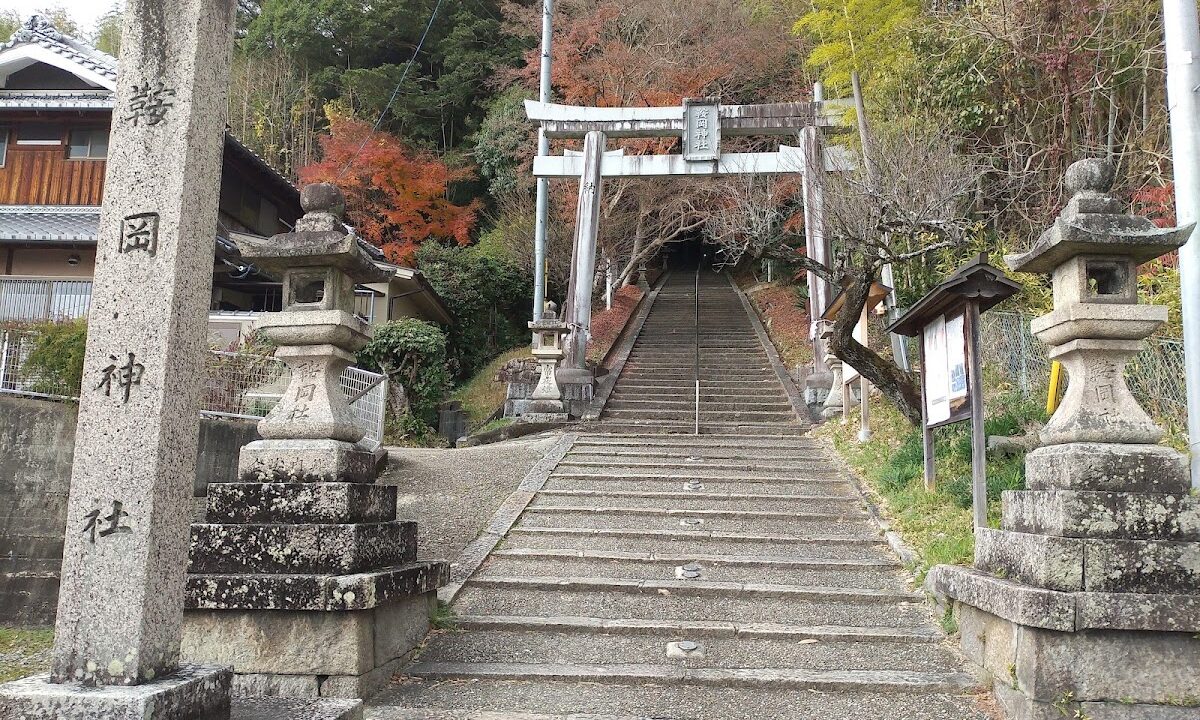
The most distinctive feature of Kuraoka Shrine is that its shrine building is constructed on top of a burial mound, Kuraokayama No. 4. This is a rare location nationwide, and it is an interesting example of the fusion of ancient tombs and beliefs from the early modern period onward. Access to the shrine grounds is via a stone staircase lined with cherry and maple trees, where an ancient stone torii gate welcomes visitors.
Several ancient burial mounds are scattered throughout the surrounding area, indicating that this region has been an important location since ancient times. Despite being surrounded by a quiet residential area, the shrine grounds are enveloped in a solemn atmosphere and continue to attract the faith of the local people.
Deity and Divine Virtues
Main Deity: Sugawara no Michizane
The main deity enshrined at Kuraoka Shrine is Sugawara no Michizane. Michizane was a scholar and politician of the Heian period, known for his outstanding learning and poetic talent. After his death, he was deified as Tenman Daijizai Tenjin.
Divine Virtues
Kuraoka Shrine, which enshrines Sugawara no Michizane, is believed to possess the following divine virtues:
- Academic Success and Passing Exams: The divine virtue of Sugawara no Michizane as the god of learning
- Literary Improvement: Drawing on the blessings of Sugawara no Michizane, who excelled in poetry and prose
- Protection from Misfortune and Disaster: The protective power based on Tenjin faith
- Abundant Harvest: The aspect of being a god protecting local agriculture
- Rainmaking Prayers: Ancient rituals such as water prayers have been performed since ancient times
In particular, in the region, there is a tradition that the shrine offers relief from toothaches, representing a fusion of Tenjin faith and unique local beliefs.
History of Kuraoka Shrine
From Founding to the Edo Period
Kuraoka Shrine is said to have been founded on August 25, 1008 (Kankō 5). In that year, a divided spirit of Sugawara no Michizane was invited from Kitano Tenmangu Shrine in Kyoto, and the shrine was founded as “Shimokoma Village Tenjin Shrine.” During the mid-Heian period, Tenjin worship was widespread throughout Japan, and it is believed that this shrine was established by a local influential figure.
An ancient document from 1617 (Genna 3) clearly states “Shimokoma Village Tenjin Shrine,” indicating that it was already functioning as a center of local faith in the early Edo period. Although it is said to have been destroyed by fire at one point, it was rebuilt, and the Shimokoma Village detailed register, created in the late Edo period, records it as “Kuraokayama Tenmangu Shrine.”
Renaming in the Meiji Era
In April 1883 (Meiji 16), the shrine was renamed to its current name, “Kuraoka Shrine.” This change was part of the Meiji government’s reorganization of the shrine system, and it is believed that the addition of the local place name “Kuraoka” clarified its character as a shrine rooted in the community.
Modern History
Even after the Meiji era, Kuraoka Shrine continued to attract worshippers as the local tutelary deity. After becoming a religious corporation after the war, it is still carefully preserved by local residents. The shrine buildings are regularly restored and the grounds are maintained, and traditional festivals are also preserved.
Highlights of the Shrine Grounds
Approach and Stone Steps
The approach to Kuraoka Shrine is a beautiful stone staircase lined with cherry and maple trees. In spring, the cherry blossoms bloom, and in autumn, the colorful autumn leaves add to the scenery, making it a path where you can enjoy the changing seasons. At the top of the steps, an old stone torii gate appears.
These steps were built using the slope of an ancient burial mound, and as you ascend, you can feel the sacred atmosphere of the shrine grounds. There aren’t many steps, but they have a historical charm.
Torii Gate
An old stone torii gate stands within the shrine grounds. The weathered texture of the stone tells a story of many years, guiding worshippers into the sacred realm. The torii gate is a Myojin-style gate, simple yet dignified in appearance.
Shrine Building
The main shrine is built on the summit of the Kuraokayama No. 4 burial mound. This structure, with a shrine built on top of a burial mound, is rare nationwide, creating a unique landscape where ancient tombs and Shinto worship are integrated.
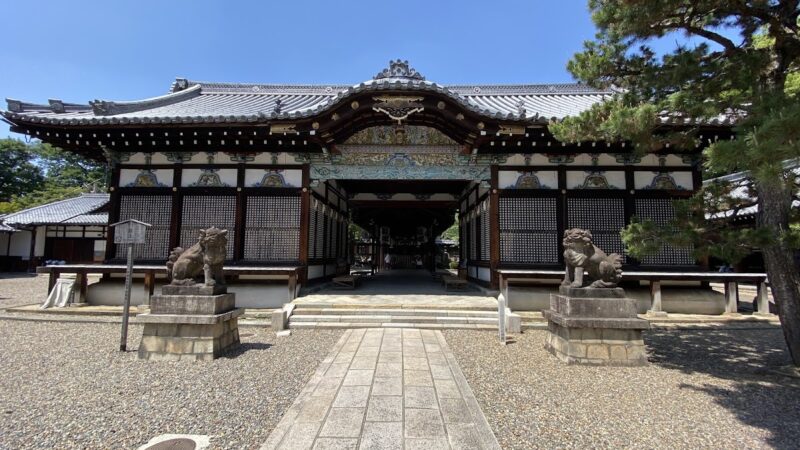
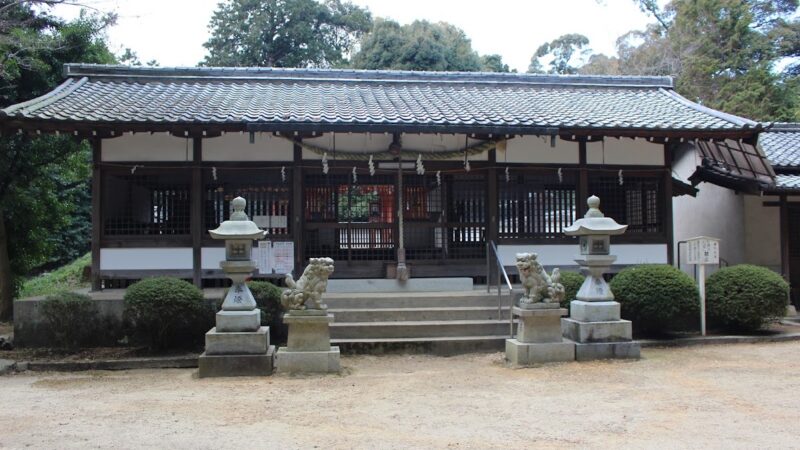
The shrine building is relatively compact, but it is meticulously maintained, reflecting the deep faith of the local people. The worship hall and main shrine are integrated into a single structure, typical of shrines dedicated to Tenjin worship.
Atmosphere of the Shrine Grounds
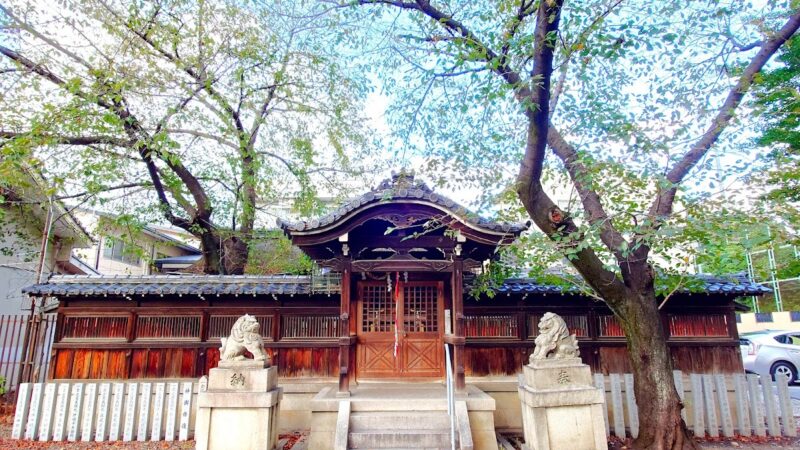
The shrine grounds are enveloped in a quiet and peaceful atmosphere. Despite being located in a residential area, stepping inside feels like entering another world, a sacred atmosphere pervading the air. Surrounded by trees, the grounds display different expressions with each season, offering tranquility to visitors.
Details of Subsidiary Shrines
In addition to the main shrine dedicated to the principal deity, Kuraoka Shrine’s grounds contain several subsidiary shrines. These are deities closely connected to the local faith and daily life.
Jishu Shrine
Jishu Shrine is a shrine dedicated to the local guardian deity of this land. This deity is believed to have protected this land even before the shrine was built, and is revered as the guardian deity of the land.
Doso Shrine
Doso Shrine enshrines Sarutahiko-no-Mikoto. Sarutahiko-no-Mikoto is known as the god of guidance, the god who protects travelers, and is also worshipped as the god who protects boundaries. Often enshrined at the entrance to settlements or at crossroads, he is considered a god who wards off disaster and brings happiness.
Inari Shrine
Inari Shrine enshrines Ukanomitama-no-Mikoto. Inari, widely worshipped as the god of abundant harvests and business prosperity, was a particularly important figure in agricultural communities.
Okuninushi Shrine
Okuninushi Shrine enshrines Okuninushi-no-Mikoto. This deity is believed to bestow blessings such as matchmaking, good fortune, and business prosperity, and is also known as the principal deity of Izumo Taisha Shrine.
Wind Shrine
The Wind Shrine is dedicated to the god of wind. Wind is a crucial element in agriculture; moderate wind is necessary for crop growth, but strong winds cause disasters. The faith in the god who controls wind reflects the earnest wishes of agricultural communities.
Mountain Shrine
The Mountain Shrine is dedicated to the god of mountains. It is an object of worship for gratitude for the blessings of the forests and the water provided by the mountains, and for prayers for safety in the mountains.
Rain Prayer Shrine
As the name suggests, the Rain Prayer Shrine is dedicated to praying for rain. It is believed that ancient rituals such as water prayers have been performed at Kuraoka Shrine since ancient times, and this Rain Prayer Shrine is thought to be a remnant of that faith. Water is a lifeline in agriculture, and rituals praying for rain were important during droughts.
Relationship with Kofun (Ancient Burial Mounds)
Kuraokayama No. 4 Burial Mound
Kuraokayama No. 4 Burial Mound, on which the Kuraoka Shrine’s main hall stands, is a burial mound constructed during the Kofun period. The structure of the shrine being built on the summit of this burial mound is noteworthy as a rare example nationwide.
While there are other examples of shrines built on top of burial mounds, in many cases, they are believed to have been built accidentally after the burial mound status was forgotten. However, in the case of Kuraoka Shrine, the area has long been recognized as “Kuraokayama” by the local community, suggesting a possible awareness of it as a sacred place.
Surrounding Burial Mounds
Several burial mounds are scattered around Kuraoka Shrine. This indicates that this region was an important area during the Kofun period, suggesting that powerful local clans ruled the area. The existence of these burial mounds tells the story of this region being a center of human life since ancient times.
Fusion of Burial Mounds and Faith
The background to the construction of a shrine on top of a burial mound is thought to be a sense of reverence for the ancient tomb and a recognition of it as a sacred place. High places are often considered places where gods descend and become objects of worship, and it’s possible that the burial mounds of ancient tombs were also recognized as such sacred sites.
Annual Events and Festivals
At Kuraoka Shrine, various festivals and events are held throughout the year. These are a blend of festivals based on Tenjin worship and unique local traditions.
Annual Festival
The annual festival at Kuraoka Shrine is the most important festival, held once a year. Local people gather for events such as a portable shrine procession and the dedication of sacred music and dance. It is an important event to pray for a bountiful harvest and the safety of the community.
Tenjin Festival
As a Tenjin shrine dedicated to Sugawara no Michizane, the Tenjin Festival is also an important event. It involves expressing gratitude to the god of learning and praying for success in exams.
First Shrine Visit of the Year
Many worshippers visit the shrine for their first shrine visit of the year. They pray for good health, academic success, and family safety in the new year.
Local Information and Access
Location
Address: 24 Nagashiba, Shimokoma, Seika-cho, Soraku-gun, Kyoto 619-0245
Transportation Access
Access by Train
- Approximately 6 minutes on foot from Kintetsu Kyoto Line “Shimokoma Station”
- Approximately 10 minutes on foot from Kintetsu Kyoto Line “Komada Station”
Shimokoma Station is the nearest station; it’s about a 6-minute walk from Exit 1 through the residential area. It’s also within walking distance from Komada Station, making it easily accessible from both stations.
Access by Car
There is parking space for about two cars. However, as it’s located in a residential area, some roads are narrow. Visiting in large vehicles should be avoided.
Visiting Hours
The temple grounds are generally open for free visits. However, consideration for neighbors is necessary when visiting early in the morning or late at night.
Admission Fee
Admission is free.
Goshuin (Shrine Seal)
We recommend checking in advance regarding the issuance of Goshuin. Since there may not always be a permanent shrine office, it’s best to inquire beforehand if you wish to receive a Goshuin.
Points to Note When Visiting
- As it is located in a residential area, consideration for noise and other disturbances to neighbors is necessary.
- There are stone steps, so we recommend wearing comfortable shoes.
- Parking space is limited, so using public transportation is recommended.
- The shrine grounds are relatively compact, so allow approximately 15-30 minutes for your visit.
Nearby Tourist Attractions
Wakaōji Temple
Wakaōji Temple is located near Kuraoka Shrine. It has been suggested that it may have once been the temple associated with Kuraoka Shrine, allowing visitors to experience the history of Shinto-Buddhist syncretism.
Kofun (Ancient Burial Mounds) of Seika Town
Several ancient burial mounds are scattered throughout the area, making it a point of interest for those interested in ancient history. Known as the Kuraokayama Kofun Cluster, it provides clues to the ancient appearance of this region.
Keihanna Memorial Park
Seika Town is home to Keihanna Memorial Park, where you can enjoy a Japanese garden and a vast lawn area. It’s about a 10-minute drive from Kuraoka Shrine.
Kyoto Prefectural Yamashiro Local History Museum
This museum allows you to learn about the history and culture of the Yamashiro region, exhibiting materials from the Kofun period to modern times. Information about the burial mounds around Kuraoka Shrine can also be obtained.
The Charm and Significance of Visiting Kuraoka Shrine
Kuraoka Shrine is a shrine of Tenjin worship with a history of over 1000 years, yet it is a rare shrine nationwide due to its unique location built on top of a burial mound. While not a large-scale tourist destination, it is a valuable place where you can quietly feel history and faith.
The faith in Sugawara no Michizane, the god of learning, the numerous subsidiary shrines rooted in the community, the layers of history from the Kofun period, and the tradition of festivals preserved by the local people. With all these elements fused together, Kuraoka Shrine can be said to embody the richness of regional Japanese faith.
Whether you’re praying for success in exams, taking a historical stroll, visiting ancient burial mounds, or simply seeking a quiet place of prayer, this shrine is worth visiting for a variety of reasons. If you have the opportunity to visit along the Kintetsu Kyoto Line, be sure to stop by. This ancient shrine, quietly nestled in a residential area, is sure to leave visitors with a sense of peaceful awe.