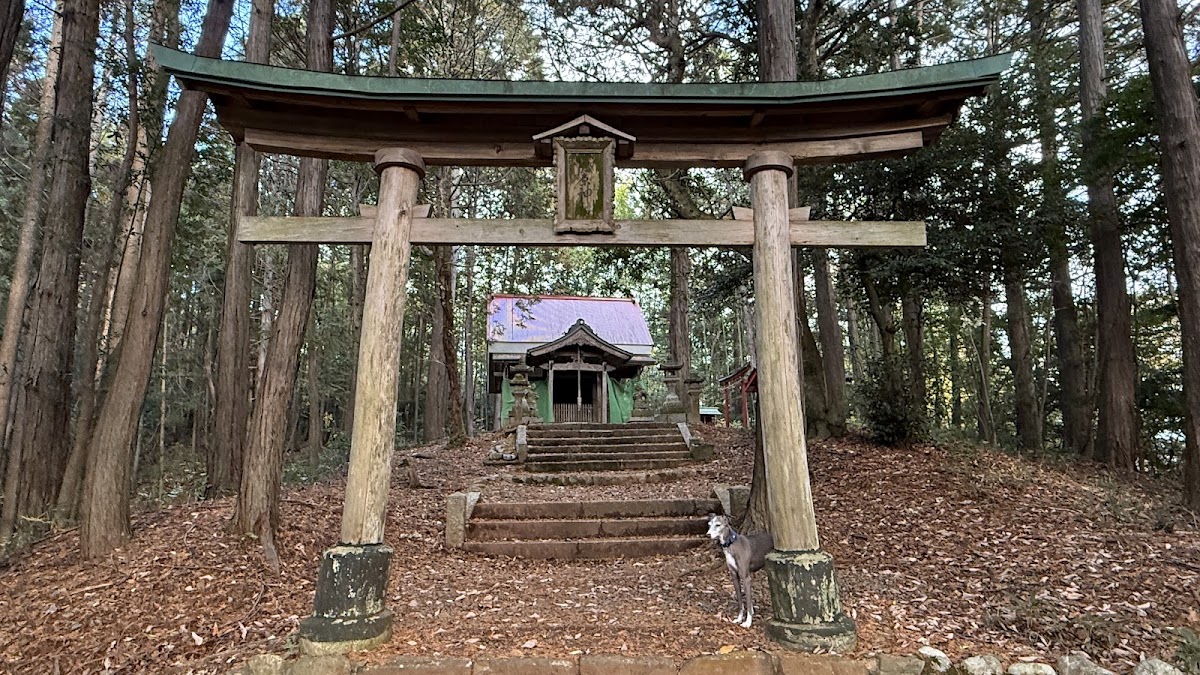
Iwao Shrine (Ayabe City, Kyoto Prefecture) Complete Guide | From Deities and Access to Benefits and Points for Visiting
Iwao Shrine, located in Nanahyakuseki-cho, Ayabe City, Kyoto Prefecture, is a historic shrine dedicated to Sugawara no Michizane and Yashiro Kojin. It is beloved by locals for its blessings of healing from illness, and its long stone staircase approach and tranquil grounds offer peace of mind to visitors. This article provides detailed information you should know before visiting Iwao Shrine, including its history, deities, access methods, and highlights within the grounds.
Basic Information about Iwao Shrine
Iwao Shrine is located in Nanahyakuseki-cho, Ayabe City, Kyoto Prefecture. While its founding date is unknown, it is a historic shrine that has attracted deep-rooted faith in the community.
Location
6 Yamadachi, Nanahyakuseki-cho, Ayabe City, Kyoto Prefecture 623-0111 (Some sources list 22 Yunoto)
Nearest Station
Within walking distance from Umesako Station on the JR San’in Main Line
Visiting Hours
Free access to the grounds (open 24 hours)
Admission Fee
Free
Parking
Parking available for visitors (limited number of spaces)
Deities and Benefits
Sugawara no Michizane
One of the main deities enshrined at Iwao Shrine is Sugawara no Michizane, known nationwide as the god of learning. He displayed outstanding talent as a nobleman and scholar during the Heian period, and even after his exile to Dazaifu, his virtue and learning continue to be praised.
While the blessings generally associated with Sugawara no Michizane include academic success, passing exams, and improved writing skills, Iwao Shrine is particularly known for its strong emphasis on healing from illness.
Hachidai Kojin
The other enshrined deity, Hachidai Kojin, is worshipped as the god of fire and hearths. Kojin worship is especially prevalent in western Japan, and is believed to bring blessings of household safety, protection from evil, and fire prevention.
Special Blessings of Iwao Shrine
Within the grounds of Iwao Shrine, there is a sign that reads, “Iwao Shrine: This enshrined deity protects people from illness, one of the greatest worries. With sincere faith, most illnesses can be cured.” This particularly emphasizes the blessings of healing from illness and prayers for good health.
For centuries, local people have visited Iwao Shrine to pray for the health of their loved ones, believing that sincere prayers could heal illnesses.
History and Origins of Iwao Shrine
The founding date of Iwao Shrine is unknown, but given its long history as a local tutelary deity in the Nanahyakuseki-cho area of Ayabe City, it is believed to have a long history.
Place Name Nanahyakuseki-cho
The place name “Nanahyakuseki-cho,” where the shrine is located, is presumed to originate from the fact that the area’s rice yield was once 700 koku (a unit of rice production). Ayabe City has long been a thriving agricultural area, and Iwao Shrine is thought to have been worshipped as a guardian deity of agriculture and a spiritual anchor for the local residents.
Connection with Sugawara no Michizane
While there are no clear records explaining how Sugawara no Michizane came to be enshrined as a deity, there is a theory that he may have passed through northern Kyoto Prefecture on his way to Dazaifu, and that this connection led to his enshrinement. Furthermore, it is believed that the worship of this deity spread not only as a god of learning, but also as a god who appeases vengeful spirits and heals illnesses, which led to its enshrinement at Iwao Shrine.
Access and Transportation Information
Access by Train
Using the JR San’in Main Line
- Nearest Station: Umesako Station
- Approximately 15-20 minutes on foot from Umesako Station
- The path from the station to the shrine is uphill, so comfortable walking shoes are recommended.
Using the Bus from JR Ayabe Station
- Get off at JR San’in Main Line “Ayabe Station”
- Take the Aya Bus (Nishi-Hatta Line)
- Get off at the “Nanahyakuseki” bus stop, then approximately 20 minutes on foot.
Access by Car
From Kyoto City
- Head north on National Route 9 towards Ayabe City
- Travel time: Approximately 1 hour 30 minutes to 2 hours
From Osaka
- Take the Kyoto Jukan Expressway and exit at Ayabe IC
- Take local roads towards Nanahyakuseki Town
- Travel time: Approximately 2 hours
Car Navigation Settings
- Address: 6 Yamadachi, Nanahyakuseki-cho, Ayabe City, Kyoto Prefecture
- Searching by phone number may be difficult, so entering the address is recommended.
Parking Information
There is parking space for visitors near the shrine, but the number of spaces is limited, so using public transportation is recommended, especially on festival days.
Highlights of the Shrine Grounds
Torii Gate and Approach
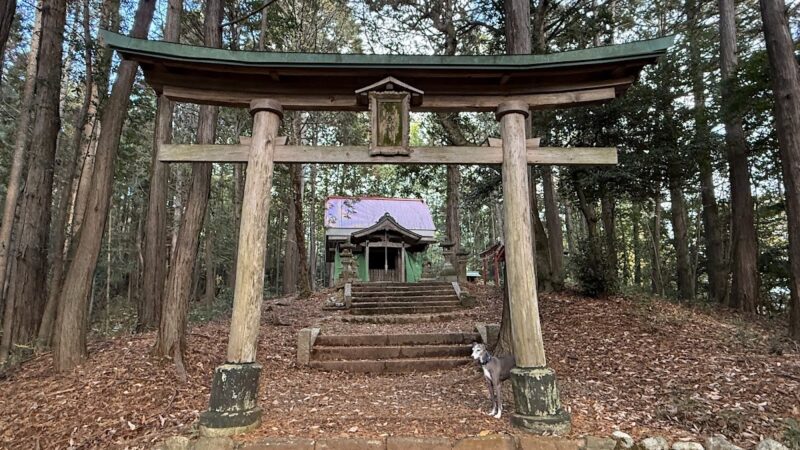
Visiting Iwao Shrine begins with passing through the torii gate. After passing through the gate, a long stone staircase appears before you. This staircase is not an easy climb, but each step allows you to compose yourself and take a precious time to leave the hustle and bustle of everyday life behind and enter the sacred realm.
Water Basin
Before ascending the stone steps, there is a water basin where you can purify your body and mind before praying. Some visitors have reported that the faucet at the water basin had an unusual shape, showing the shrine’s individuality even in its details.
The Ritual of Washing One’s Hands:
- Take the ladle with your right hand and wash your left hand.
- Switch the ladle to your left hand and wash your right hand.
- Switch the ladle back to your right hand, receive water in your left hand, and rinse your mouth.
- Wash your left hand again.
- Stand the ladle upright, wash the handle, and return it to its original position.
Stone Steps to the Shrine
After climbing the long stone steps, a gentler staircase follows. This two-tiered approach gradually leads visitors from the secular world to the sacred realm, slowly guiding their hearts towards a sacred state.
Looking back halfway up the steps, the scenery of Nanahyakuseki-cho in Ayabe City unfolds below, allowing you to enjoy the rich natural landscape.
Main Hall
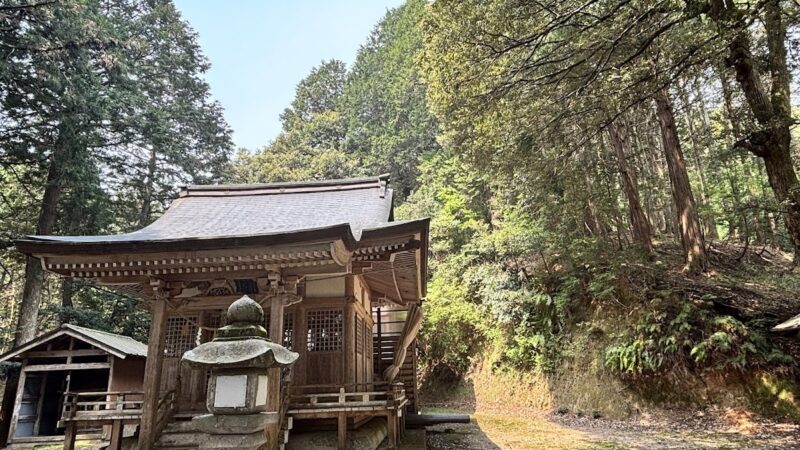
At the top of the stone steps is the main hall. In front of the main hall is an information board describing the blessings for healing illnesses. Many visitors read this information and pray for the health of their families and their own recovery from illness.
Proper Worship at the Main Hall:
- Bow once in front of the main hall.
- Place your offering in the offering box.
- Ring the bell (if present).
- Bow twice, clap twice, and bow once.
- Pray with all your heart.
- Bow once more and leave.
Atmosphere of the Shrine Grounds
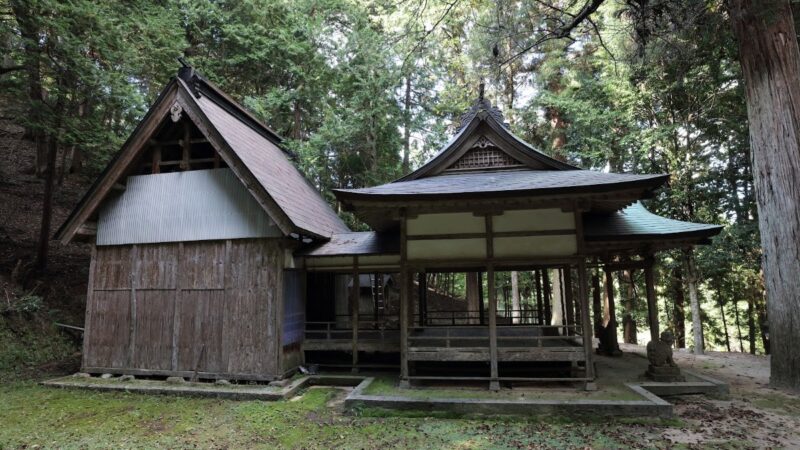
The grounds of Iwao Shrine are enveloped in tranquility, and since there are not many visitors, it is an environment where you can worship at your own pace. Surrounded by trees, the grounds show different expressions in each of the four seasons, and you can enjoy particularly beautiful scenery during the seasons of fresh greenery and autumn leaves.
Points and Precautions for Worship
Suitable Attire for Worship
- Comfortable shoes (sneakers, etc.) are recommended as there are long stone steps.
- Take precautions against insects in the summer.
- Don’t forget to take precautions against the cold in the winter.
- Since the grounds are rich in nature, comfortable clothing that allows for easy movement is desirable.
Time of Worship
The grounds are open 24 hours a day, but it is recommended to visit during daylight hours. Especially in the early morning, the air is clear, allowing for a peaceful and heartfelt visit.
Regarding Photography
Photography is generally permitted on the shrine grounds, but please observe the following:
- Do not disturb other visitors.
- Refrain from photographing inside the main hall.
- Avoid using flash photography.
- When posting on social media, remember to show respect to the shrine.
Regarding Goshuin (Shrine Seals)
Regarding the issuance of Goshuin at Iwao Shrine, there may not be a permanent shrine office. If you wish to receive a Goshuin, it is recommended to inquire in advance with the Ayabe City Tourism Association or related facilities.
Nearby Tourist Attractions
Iwao-ji Temple
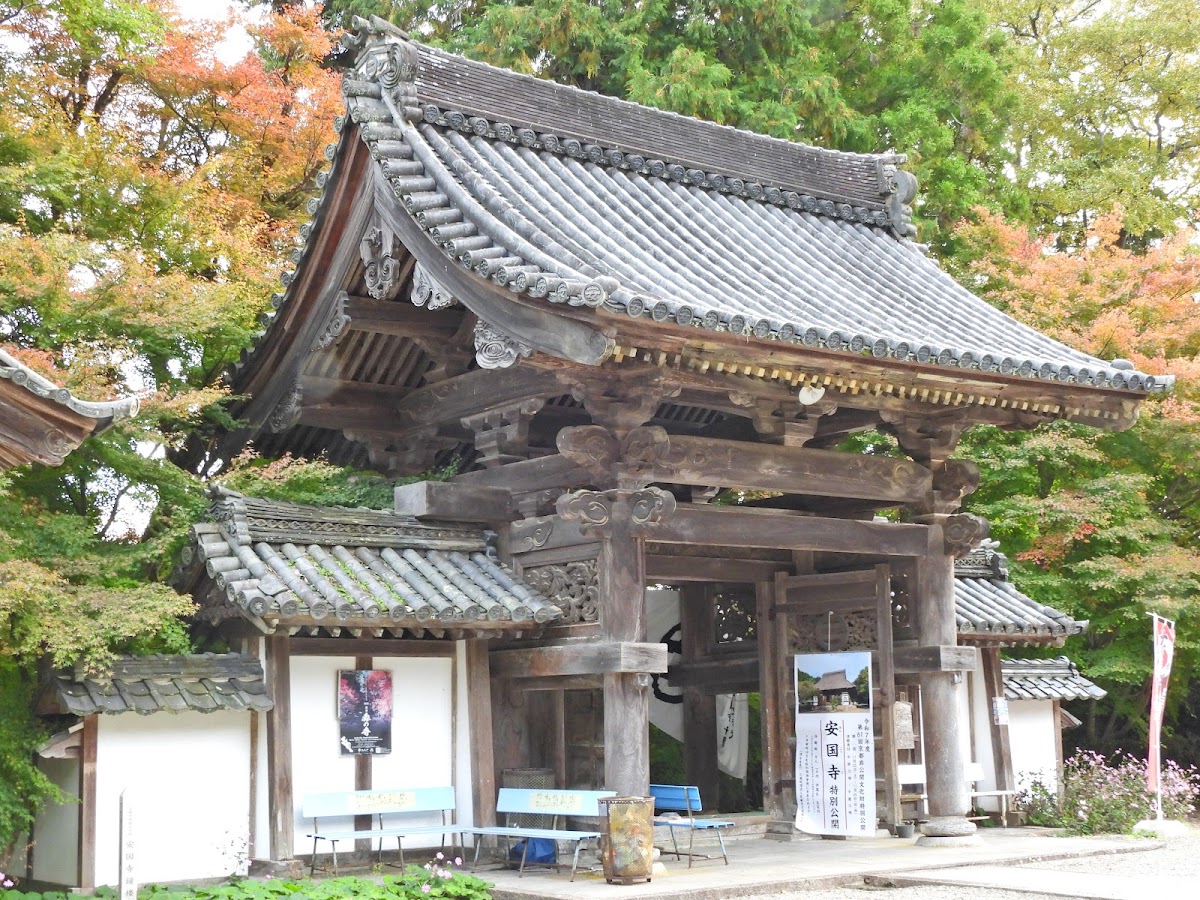
Iwao-ji Temple, which has a similar name to Iwao Shrine, is a temple located in the same city of Ayabe. While they are sometimes confused, they are different religious facilities, so please be careful when visiting. Iwao-ji Temple is also known as a historical temple.
Attractions in Ayabe City
Ayabe City is located in the northern part of Kyoto Prefecture and is a region rich in nature:
- Gunze Museum: A facility where you can learn about the history of the textile industry
- Ayabe Rose Garden: Enjoy roses in all four seasons
- Ayabe Onsen: A hot spring facility where you can relax after visiting shrines and temples
- Ayabe Specialty Products Center: Where you can purchase local specialty products
Nearby Shrines and Temples
There are many other shrines and temples around Ayabe City, making it a great place to enjoy a shrine tour. For those with ample time, the “Tanba Province Shrine Tour,” visiting multiple shrines, is also recommended.
Annual Events at Iwao Shrine
Since the founding date is unknown, official information regarding detailed annual events is limited. However, it is believed that the following events are held, similar to those of a typical shrine:
New Year’s Day Festival (January 1st)
A festival to welcome the new year and pray for good health throughout the year.
Grand Festival (Date to be confirmed)
The most important festival for the shrine, where local people gather.
Monthly Festival
A regular festival held on a specific day each month.
For specific dates, it is recommended to inquire at the Ayabe City Hall or a local tourist information center.
Faith for Healing and Sincere Prayers
Iwao Shrine particularly values “sincere faith.” As stated on the shrine’s information board, the words, “If you have sincere faith, most illnesses can be cured,” teach us the importance of mindset and the power of faith, even in today’s age of advanced medical technology.
How to Pray for Recovery from Illness
- Calm Your Mind: Calm your mind as you climb the stone steps of the approach to the shrine.
- Purify Yourself: Purify your mind and body at the water basin.
- Sincere Prayer: Pray with sincerity at the main hall.
- Grateful Heart: Don’t forget to be grateful for your health.
- Continuous Visit: Visit regularly if possible.
Balancing with Modern Medicine
Praying for recovery from illness at a shrine does not negate modern medicine. By receiving appropriate medical care and praying to the gods for emotional support, you can achieve mental stability. The mind and body are closely related, and it is medically recognized that a positive attitude enhances healing power.
Connection with the Community
Iwao Shrine is the tutelary shrine of Nanahyakuseki-cho, Ayabe City, and is deeply rooted in the lives of the local residents.
As a Guardian Deity of the Community
Since ancient times, local people have visited Iwao Shrine when facing life’s milestones or difficulties. The custom of visiting shrines to pray for various things, such as a baby’s first shrine visit, Shichi-Go-San (a traditional rite of passage for children), protection from evil, and recovery from illness, continues to this day.
Center of the Local Community
Shrines are not merely places of worship, but also serve as the center of the local community. During festivals, local people gather and deepen their relationships.
Voices and Experiences of Visitors
Visitors who have actually visited Iwao Shrine have shared the following impressions:
- “Climbing the long stone steps was difficult, but the sense of accomplishment and refreshment upon reaching the top was exceptional.”
- “I was able to spend a peaceful time in the quiet shrine grounds.”
- “Praying for recovery from illness was a source of comfort.”
- “The faucet at the purification fountain was impressive.”
- “The shrine grounds surrounded by nature were beautiful.”
These comments show that Iwao Shrine provides peace of mind to its visitors.
The Charms of Ayabe City and Iwao Shrine
Ayabe City is located in the northern part of Kyoto Prefecture and is a region where rich nature and history and culture are in harmony.
Characteristics of Ayabe City
- Natural Environment: A rich natural environment surrounded by mountains and flowing clear streams.
- History: Flourished as an important center of the Tanba region since ancient times.
- Industry: A history of the textile industry as the birthplace of Gunze.
- Agriculture: Agriculture, including rice cultivation, is thriving.
The Relationship Between Iwao Shrine and Ayabe
Iwao Shrine is an important element in forming the regional identity as part of Ayabe City’s history and culture. For those who want to escape the hustle and bustle of the city and experience nature and history, visiting Iwao Shrine will be a valuable experience.
Etiquette and Manners for Visiting Shrines
There are basic manners to observe when visiting a shrine. Please pay attention to the following points when visiting Iwao Shrine.
Basic Shrine Visiting Manners
- Bow before the torii gate: A greeting before entering the sacred area.
- Walk along the edge of the path: The center is the path of the gods.
- Worship quietly: Refrain from loud conversations.
- Respect nature: Do not damage the plants on the shrine grounds.
- Take your trash home: Keep the shrine grounds clean.
Photography Manners
- Remember that worship is the primary purpose.
- Be considerate and avoid including other worshippers in your photos.
- Act with awareness that this is a sacred place.
Iwao Shrine in the Seasons
Iwao Shrine shows different faces depending on the season.
Spring (March-May)
The fresh greenery is beautiful, and the trees along the path are budding. Enjoy worship in the refreshing air.
Summer (June-August)
The greenery becomes denser, and the shade of the trees is cool. Take precautions against insects when visiting.
Autumn (September-November)
A beautiful season for autumn leaves. The harmony between the colorful trees and the shrine is magnificent.
Winter (December-February)
Snow sometimes falls, creating a sacred atmosphere enveloped in silence. Please be careful of your footing when visiting.
Summary: Through Visiting Iwao Shrine
Iwao Shrine is a shrine known for its blessings of healing illnesses, situated in the rich natural environment of Ayabe City, Kyoto Prefecture. It enshrines Sugawara no Michizane and Yashiro Kojin, and values “sincere faith.”
The process of climbing the long stone steps to the shrine is a precious time to escape from daily life and compose oneself, and visiting the quiet grounds brings deep peace to the heart. While access is somewhat inconvenient, it is precisely for this reason that it is a shrine worth visiting, a place of spiritual solace.
Those praying for healing from illness, those seeking peace of mind, and those who want to experience the history and culture of northern Kyoto Prefecture should definitely visit Iwao Shrine. A sincere visit to the shrine will surely leave a lasting impression on your heart.
Final Checklist for Your Visit
- ☑ Wear comfortable walking shoes
- ☑ Dress appropriately for the weather
- ☑ Confirm proper shrine etiquette
- ☑ Confirm access methods
- ☑ Prepare with sincerity
We hope your visit to Iwao Shrine will be a meaningful experience for everyone.