Amino Shrine (Kyoto Prefecture) Complete Guide | History, Deities, Cultural Properties, Goshuin (Shrine Seals), and Access Information
Located in Amino-cho, Kyotango City, Kyoto Prefecture, Amino Shrine is a venerable shrine boasting a history of over a thousand years as a shrine listed in the Engishiki (an ancient Japanese legal code). As a central shrine in the Tango region facing the Sea of Japan, it has continuously attracted the faith of the local community. It is also known for enshrining Mizue Urashima-ko no Kami, associated with the legend of Urashima Taro, and eight of its buildings, including the main hall, are designated as registered tangible cultural properties of Japan.
This article comprehensively explains everything you need to know before visiting Amino Shrine, from its historical background and details of its enshrined deities to the highlights of the grounds, its cultural value, goshuin information, and access methods.
Basic Information about Amino Shrine
Location: 789 Amino, Amino-cho, Kyotango City, Kyoto Prefecture 629-3101
Phone Number: 0772-72-0079
Shrine Rank: Shikinaisha (Shrine listed in the Engishiki), Former Prefectural Shrine
Deities Enshrined: Hikoimasu-no-miko, Sumiyoshi-no-Okami, Mizunoe-no-Urashima-no-Kami
Access: Approximately 22 minutes on foot or 5 minutes by car from Amino Station on the Kyoto Tango Railway Miyazu Line
Amino Shrine is located in Amino-cho, in the heart of Kyotango City, and has long been revered as a Shikinaisha (shrine listed in the Engishiki) in Takeno District, Tango Province. Because it is listed in the Engishiki Jinmyocho (a list of shrines compiled in the Heian period), its founding is thought to be before the mid-Heian period (10th century).
History and Origin of Amino Shrine
Status as an Engishiki-listed Shrine
Amino Shrine is a Shikinaisha (shrine listed in the Engishiki) compiled in the 5th year of the Engi era (927 AD) during the mid-Heian period, listed as “Amino Shrine, Takeno District, Tango Province.” Shrines listed in the Engishiki-listed Shrines were officially recognized by the imperial court at the time, indicating that Amino Shrine was a central place of worship in the region even before the 10th century.
Its status as a Shikinaisha is evidence of the important role this shrine has played in the Tango region since ancient times, making it an indispensable presence when discussing the region’s history and culture.
Origin and Changes of the Shrine Name
There are various theories regarding the origin of the place name “Amino” and the shrine name, but the most likely theory is that it is related to fishing nets (ami), given that fishing has been thriving in this region since ancient times. Furthermore, the Tango region has also been a land where the textile industry flourished since ancient times, and some theories point to a connection with net-like textiles.
Since the early modern period, Amino Shrine has been worshipped as the local tutelary deity, and under the Meiji era’s shrine ranking system, it was designated a prefectural shrine. Even today, it remains a central shrine in Amino-cho, Kyotango City, attracting the faith of local residents.
Positioning in the Tango Region
Tango Province has formed its own unique cultural sphere since ancient times, and Amino Shrine is one of its central shrines. The Tango Peninsula, facing the Sea of Japan, was a gateway for exchange with the continent, and diverse cultures flowed in. The composition of the deities enshrined at Amino Shrine is thought to reflect these regional characteristics.
About the Enshrined Deities
Amino Shrine enshrines three deities, each with a different history and divine virtue.
Prince Hikoimasu
Prince Hikoimasu was a son of Emperor Kaika, the 9th emperor, and an ancient member of the imperial family who appears in the Kojiki and Nihon Shoki. Known as the father of Tanba-no-Michinushi-no-Mikoto, he is credited with contributing to the development of the Tanba and Tango regions.
Several shrines dedicated to Hikosato-no-Ō exist in the Tango region, and he has been revered as a figure deeply involved in the development and governance of the area. He is worshipped as a god of land development, industrial promotion, and regional development.
Sumiyoshi Ōkami
Sumiyoshi Ōkami is a deity worshipped nationwide as the god of safe voyages and protection at sea. It is a collective term for three gods: Sokotsutsu-no-Mikoto, Nakatsutsu-no-Mikoto, and Uwatsutsu-no-Mikoto, and has been revered since ancient times as a god of the sea and navigation.
In Amino, a region facing the Sea of Japan, the worship of Sumiyoshi Ōkami is a natural form of faith, and it has played an important role as a guardian deity for people involved in fishing and shipping.
Mizunoe no Urashima-ko no Kami
The distinctive deity enshrined at Amino Shrine is Mizunoe no Urashima-ko no Kami, who is considered the model for the legend of Urashima Taro. The legend of Urashima has been passed down in the Tango region since ancient times, and the story of “Mizunoe no Urashima-ko” is recorded in the “Tango no Kuni Fudoki Ibun” (a lost fragment of the Tango Province’s historical record).
While the story of Urashima Taro is known nationwide, the legend that served as its prototype is said to have originated in the Tango region, and Amino Shrine is known as a shrine associated with this legend. It is believed to bestow blessings of longevity, good health, and maritime safety.
Highlights of the Shrine Grounds
The grounds of Amino Shrine feature historical buildings and facilities welcoming visitors.
Main Approach and Stone Torii Gate
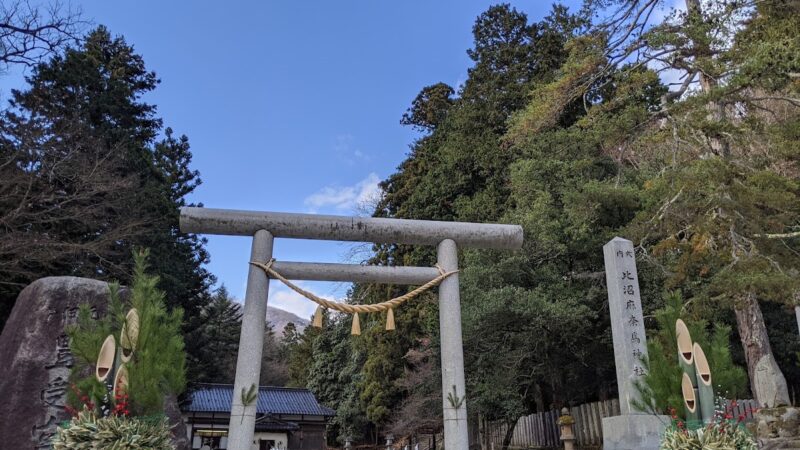
The main approach to Amino Shrine is the path leading from the center of the region to the shrine. A magnificent stone torii gate stands at the entrance, serving as the gateway to the sacred area. This stone torii gate is also designated as a nationally registered tangible cultural property, recognizing its historical value.
As you proceed along the approach to the shrine, you can feel the tranquil atmosphere of the grounds, preparing your mind to transition from everyday life to a sacred space.
Main Hall and Worship Hall
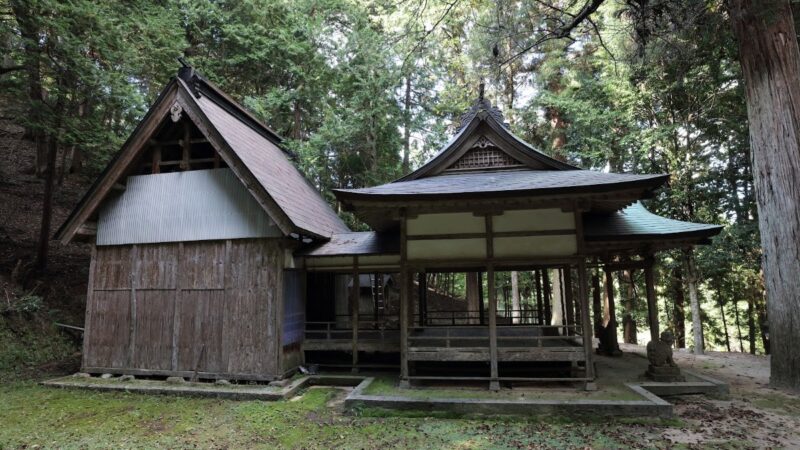
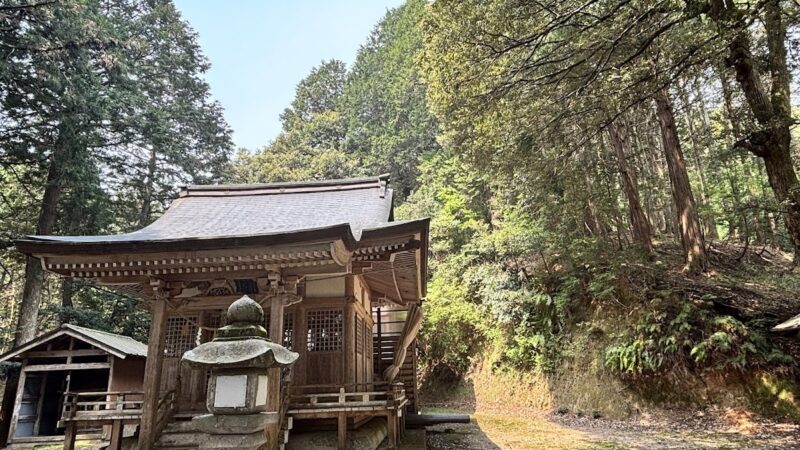
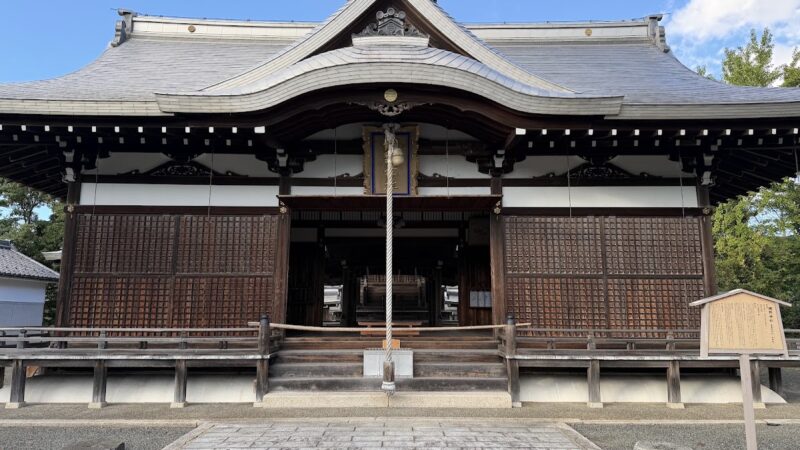
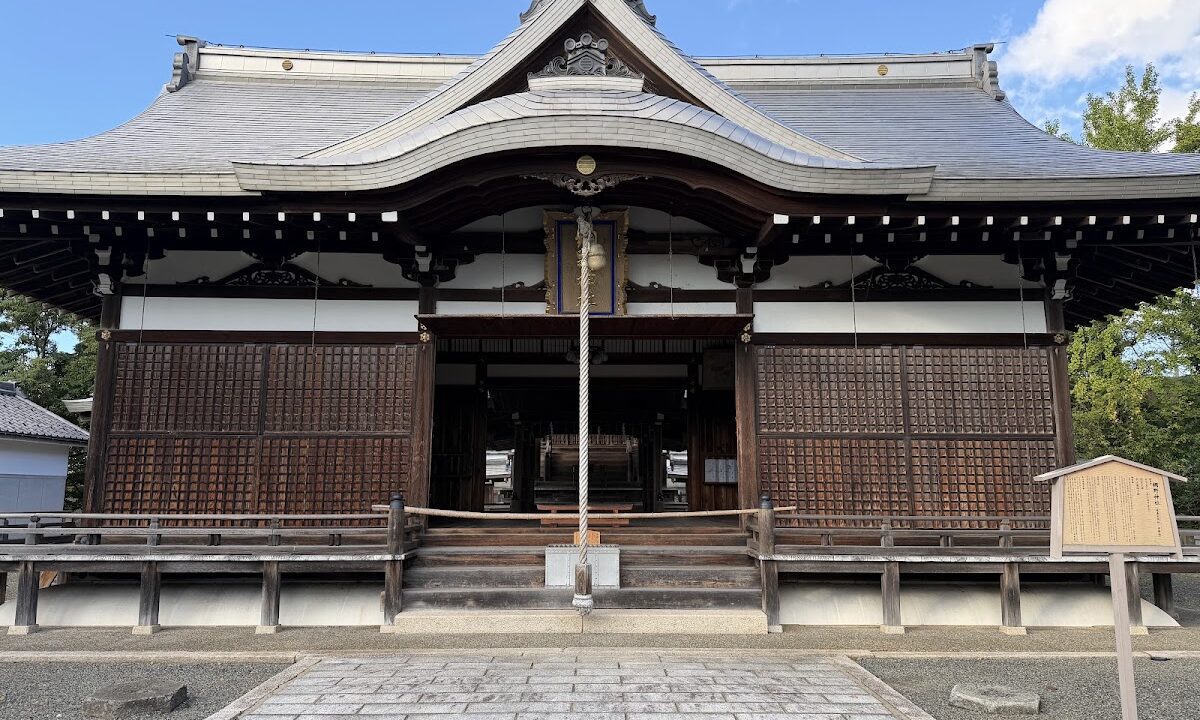
The main hall of Amino Shrine is a valuable structure that conveys the style of traditional shrine architecture. Characterized by its exquisite woodworking techniques and elegant roof curves, it has maintained its beautiful form despite years of weathering.
The worship hall is where worshippers offer their prayers and, together with the main hall, is a central building of the shrine. These buildings are regularly maintained and seasonal protective measures such as snow protection are also implemented.
Subsidiary Shrine: Sanshoku Shrine
Within the shrine grounds stands the Sanshoku Shrine, a subsidiary shrine. The enshrined deity is Amenoyukawatana-no-mikoto, worshipped as the god of sericulture and weaving.
The Tango region has long been known for its thriving textile industry, particularly for its “Tango Chirimen” silk crepe. The Sanori Shrine is a place of worship deeply intertwined with this local industry. People involved in the textile industry and those praying for improved skills visit the shrine.
Shrine Office and Gift Shop
The shrine office handles the administrative affairs of the shrine, including the distribution of Goshuin (shrine seals) and the acceptance of various prayers. At the gift shop, visitors can receive amulets and talismans.
Many visitors come to receive various gifts as a memento of their visit or to pray for daily protection.
Cultural Value
One of the most distinctive features of Amino Shrine is that many of its buildings are designated as National Registered Tangible Cultural Properties.
National Registered Tangible Cultural Property Buildings
At Amino Shrine, eight buildings, including the main hall, are registered as National Registered Tangible Cultural Properties. The Registered Tangible Cultural Property system is primarily aimed at preserving and utilizing modern buildings, but in the case of Amino Shrine, its value as a traditional shrine building has been recognized.
The registered buildings include the following:
- Main Hall
- Worship Hall
- Stone Torii Gate
- Other Shrine Grounds Buildings
These buildings are valuable cultural heritage that conveys the characteristics of shrine architecture in the Tango region and hold significant architectural historical value.
Architectural Style Characteristics
While Amino Shrine’s buildings follow the traditional style of shrine architecture, they also possess regional characteristics. The structures are adapted to the unique climatic conditions of the Sea of Japan side (strong winds and heavy snowfall), and the construction techniques utilize local timber, reflecting the climate and culture of the Tango region.
In particular, the snow protection measures during winter are a cultural property protection effort unique to heavy snowfall areas, utilizing traditional wisdom for long-term preservation of the buildings.
Preservation and Transmission Efforts
To pass on the buildings with cultural value to future generations, Amino Shrine carries out regular maintenance and repairs. With the cooperation of local residents and worshippers, preservation activities for cultural properties continue while passing on traditional architectural techniques.
Annual Events and Rituals
Amino Shrine holds various rituals and annual festivals throughout the year.
Atago Shrine Annual Festival
Every July, the annual festival of Atago Shrine, enshrined within the grounds, is held. Atago Shrine is worshipped as the god of fire prevention and is believed to have divine power to prevent and extinguish fires. During the festival, rituals are performed to pray for the safety and prosperity of the community.
Minazuki Shrine Annual Festival
The annual festival of Minazuki Shrine is also an important annual event. A portable shrine procession takes place, with the shrine, known as “Kawasso-san,” parading through the community. The ritual of stopping the shrine on a bridge and purifying the river is a traditional ceremony demonstrating faith in the water god.
This Shinto ritual reflects the unique characteristics of Amino, a region surrounded by the sea and rivers, and embodies gratitude for water and prayers for abundant harvests and bountiful catches.
Other Annual Events
- New Year’s Day Festival (January 1st): Prayers for peace in the new year
- Setsubun Festival (February): Prayers for protection from evil and for good fortune
- Autumn Grand Festival (Autumn): Prayers for a bountiful harvest and prosperity of the region
These rituals serve as important opportunities to strengthen community bonds and pass on traditional culture to future generations.
About Goshuin (Shrine Seals) and Goshuincho (Shrine Seal Books)
Issuance of Goshuin
Amino Shrine issues Goshuin as proof of worship. Goshuin can be obtained at the shrine office and are cherished as a record of the worshipper’s faith.
The Goshuin features the shrine’s name and the date of visit written in ink, and stamped with a red seal. The unique calligraphy style of the writer is also one of its charms.
About the Goshuincho (Stamp Book)
We recommend checking with the shrine office in advance to see if Amino Shrine has its own original goshuincho. The number of visitors to Amino Shrine as part of a goshuin pilgrimage around shrines in the Tango region is increasing.
Issuance Hours and Precautions
The hours for issuing goshuin are the same as the shrine office’s opening hours. We recommend checking by phone before your visit or checking the official information. Since they may not be able to accommodate requests during religious ceremonies or events, prior confirmation is essential.
Goshuin are proof of worship, not a stamp rally. First, worship with sincerity, and then receive the goshuin as proof of that worship; cherish the original meaning.
Items and Amulets
Various amulets and talismans are available at the Amino Shrine’s office.
Various Amulets
- Traffic Safety Amulet: Prayers for safety in vehicles and traffic.
- Family Safety Amulet: Prayers for the health and peace of the family.
- Academic Success Amulet: Prayers for academic improvement.
- Business Prosperity Amulet: Prayers for the development of business.
- Maritime Safety Amulet: Prayers for safety in fishing and maritime transport (Divine virtues of Sumiyoshi Okami).
- Longevity Amulet: Prayers for health and longevity (Divine virtues of Mizue Urashima Taro).
Talismans and Ema (Votive Tablets)
Talismans to be placed on the household altar and ema (votive tablets) on which wishes are written and offered are also available. The ema may feature designs based on the legend of Urashima Taro or landscapes of the Tango region.
Access Information
Access by Public Transportation
Using the Kyoto Tango Railway (Tantetsu)
- Get off at “Amino Station” on the Kyoto Tango Railway Miyazu Line
- Approximately 22 minutes on foot from the station (approx. 1.7 km)
- Approximately 5 minutes by taxi
From Kyoto, you can access Amino Station directly using express or local trains. It can also be visited as part of a tour of the Tango Peninsula, combined with other tourist destinations such as Amanohashidate and Ine.
Access by Car
Via the Kyoto Jukan Expressway
- Approximately 20 minutes from the “Kyotango Omiya IC” on the Kyoto Jukan Expressway
- Take National Route 312 and National Route 482 to Amino Town
Parking
- Parking spaces for visitors are available on the shrine grounds or nearby
- It is recommended to check details in advance
Nearby Tourist Attractions
Many attractive tourist spots in the Tango region are scattered around Amino Shrine.
- Kotohiki Beach: A beautiful beach famous for its singing sands (approximately 15 minutes by car)
- Yuhigaura Onsen: A hot spring resort with beautiful sunsets over the Sea of Japan (approximately 10 minutes by car)
- Tango Chirimen History Museum: A facility where you can learn about the textile culture of Tango
- Urashima Shrine: A shrine associated with the legend of Urashima Taro (Ine Town)
By visiting Amino Shrine, you can enjoy the nature and culture of the Tango region.
Manners and Points for Visiting a Shrine
Basic Worship Etiquette
- Bow before passing through the torii gate: A courtesy before entering the sacred area.
- Purify yourself at the water basin: Purify your left hand, right hand, and mouth in that order.
- Walk along the edge of the path: The center is the path for the gods.
- Bow twice, clap twice, and bow once at the main hall: Basic Shinto worship etiquette.
- Maintain silence within the shrine grounds: Show respect for the sacred space.
Photography
Photography is generally permitted within the shrine grounds, but may be restricted inside the main hall or during Shinto rituals. Please check before taking photos and be considerate of other worshippers.
Appropriate Attire for Worship
There are no specific dress code requirements, but please wear clean clothing appropriate for a sacred place like a shrine. In winter, take precautions against snow and cold; in summer, take precautions against sun and heat.
Summary of the Charms and Highlights of Amino Shrine
Amino Shrine is a shrine with diverse attractions, including:
- History of over 1000 years: Its status and tradition as a shrine listed in the Engishiki (an ancient Japanese legal code)
- Shrine associated with the Urashima legend: One of the few shrines dedicated to Mizue Urashima-ko-no-kami
- Nationally Registered Tangible Cultural Property: Eight buildings are designated as cultural properties
- Industrial Culture of Tango: The Sanori Shrine, linked to the textile industry
- Traditional Shinto rituals: Locally rooted events such as the Minazuki Shrine Festival
- Base for Tango tourism: Excellent access to surrounding tourist spots
History and Culture of Kyotango City and the Tango Region
Kyotango City, where Amino Shrine is located, is situated in the central part of the Tango Peninsula, a naturally rich area facing the Sea of Japan. It has flourished as the center of Tango Province since ancient times, forming its own unique cultural sphere.
The Tradition of Tango Chirimen Silk
The Tango region is nationally known as a production area for “Tango Chirimen” silk crepe. The textile industry, which has continued since the Edo period, remains an important industry in the region today, and the Sansho-jinja Shrine at Amino Shrine is deeply connected to this industrial culture.
The Hometown of the Urashima Legend
The Tango region has a story that served as the prototype for the legend of Urashima Taro, and its record is preserved in the “Tango no Kuni Fudoki Itsubun” (Lost Fragments of the Tango Province’s Topography). The fact that Amino Shrine enshrines Mizue Urashima-no-kami indicates that this region is the setting for the legend.
Blessings of the Sea and Mountains
The Tango region, facing the Sea of Japan, is blessed with abundant seafood. Seafood such as crab and yellowtail are highly regarded nationwide, and rice cultivation and vegetable farming are also thriving in the mountainous areas. The faith at Amino Shrine is also connected to gratitude for these natural blessings.
Summary: The Significance of Visiting Amino Shrine
Amino Shrine is a multifaceted shrine possessing historical value as a shrine listed in the Engishiki (an ancient Japanese legal code), cultural background related to the Urashima legend, architectural value as a nationally registered tangible cultural property, and a social role as the center of the local community.
When visiting Kyotango City, Kyoto Prefecture, be sure to visit Amino Shrine and experience the tranquil atmosphere of a shrine that has attracted the faith of local people for over a thousand years. It will be a valuable opportunity to feel the breeze of the Sea of Japan and connect with the history and culture of Tango.
Through your visit, you can receive the spirit of Hikosato-no-Ō’s regional development, the divine blessing of Sumiyoshi-Ōkami for maritime safety, and the blessing of Mizue-Urashima-no-Kami for longevity, allowing you to refresh both mind and body. Spend a meaningful time while experiencing the rich nature and historical culture of the Tango region.