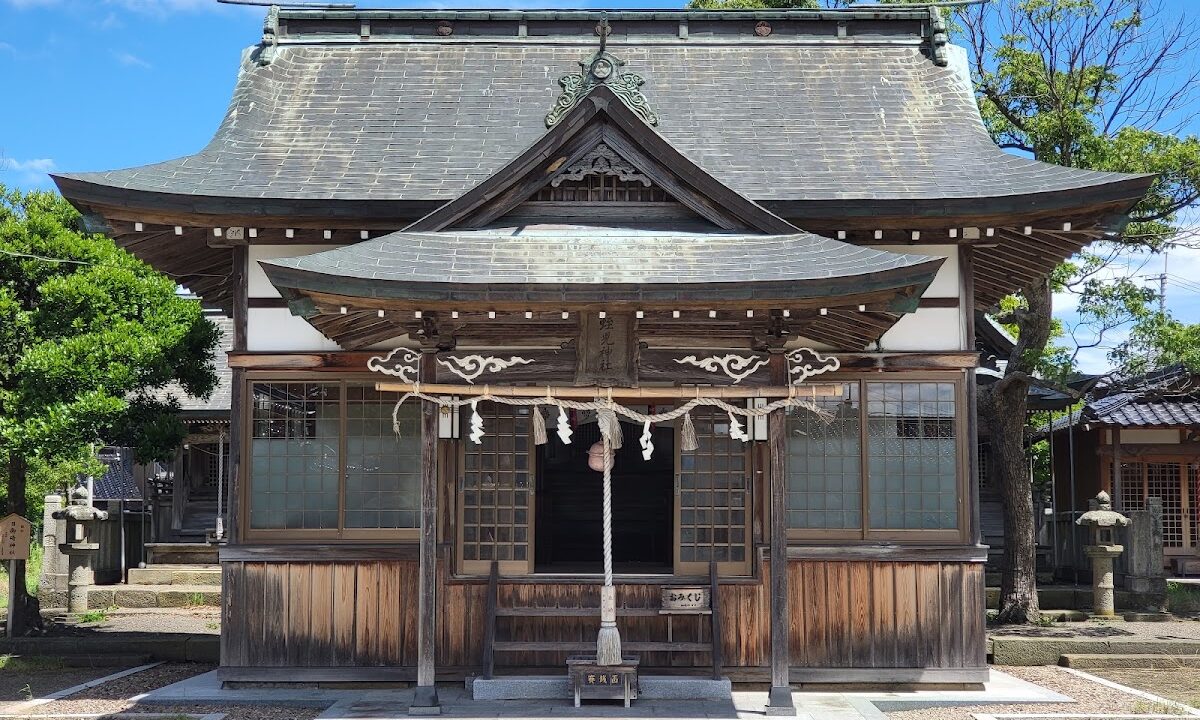
Complete Guide to Hiruko Shrine (Kyoto Prefecture) | Information on Deities, History, and Access to Multiple Hiruko/Ebisu Shrines
There are several shrines named “Hiruko Shrine” or “Ebisu Shrine” within Kyoto Prefecture. Each has a different history and origin, and has been cherished as a center of local faith. This article provides a detailed explanation of the main Hiruko/Ebisu shrines in Kyoto Prefecture, including their enshrined deities, history, grounds, and access methods.
What are Hiruko/Ebisu Shrines?
“Hiruko” or “Ebisu” is a deity appearing in Japanese mythology. He was born as the first child of Izanagi and Izanami, but according to legend, he was born deformed and set adrift in a reed boat. Later, he drifted ashore from across the sea and came to be worshipped as a god of fortune and business prosperity.
Hiruko-no-kami is often identified with Kotoshironushi-no-kami and is widely known as “Ebisu-sama,” one of the Seven Lucky Gods. Hiruko Shrines and Ebisu Shrines in Kyoto Prefecture have been revered in their respective regions as guardian deities of fishing, commerce, and maritime safety.
Major Hiruko Shrines in Kyoto Prefecture
Hiruko Shrine (Minatomiya, Kumihama-cho, Kyotango City)
Basic Information
Location: 1662 Minatomiya, Kumihama-cho, Kyotango City, Kyoto Prefecture
Phone Number: 0772-83-0032
Shrine Rank: Shikinaisha (Shrine listed in the Engishiki), Kumano-gun, Tango Province, Muradake Shrine, Former Village Shrine
Reading: Hiruko Jinja
Deities Enshrined
- Main Deity: Hoori-no-Mikoto
- Enshrined Deities: Toyotama-hime-no-Mikoto
Hoori-no-Mikoto is also known as Amatsu-Hikohiko-Hohodemi-no-Mikoto and is a deity known as Yamasachihiko. Toyotama-hime no Mikoto is the daughter of the sea god and the consort of Hoori no Mikoto.
History and Origins
Hiruko Shrine (Kumihama Town) was formerly known as “Hiruko Daimyojin” and was enshrined on Shijingatake Mountain. It is said that during the Kenryaku era of the Kamakura period (1211-1213), Shogun and Minister of the Right Minamoto no Sanetomo relocated it to its current location by imperial decree.
It is an ancient shrine identified as the Shikinaisha (a shrine listed in the Engishiki) Muradake Shrine, and is a venerable shrine with a history of over 800 years. Located near the mouth of Kumihama Bay, east of Minato Ohashi Bridge, it has long been worshipped as a guardian deity of maritime safety and the region.
Features of the Shrine Grounds
Located overlooking Kumihama Bay, this shrine has a deep connection to the sea. Beautiful views of Kumihama Bay can be enjoyed from the shrine grounds. The shrine buildings, including the main hall and worship hall, are well-maintained and carefully preserved as the center of local faith.
Access Information
- Nearest Station: Approximately 5 minutes by car from Kumihama Station on the Kyoto Tango Railway Miyazu Line
- By Car: Approximately 40 minutes from the Kyotango Omiya Interchange on the Kyoto Jukan Expressway via National Routes 312 and 482
- Parking: Parking available for visitors on the shrine grounds
Ebisu Shrine (Takeno, Tango-cho, Kyotango City)
Basic Information
Location: 10-Otsu-1, Takeno Koyahana, Tango-cho, Kyotango City, Kyoto Prefecture
Deities Enshrined: Kotoshironushi-no-kami, Hiruko-no-kami
Features
Ebisu Shrine, located in Takeno, Tango-cho, Kyotango City, enshrines Kotoshironushi-no-kami and Hiruko-no-kami as its principal deities. This shrine is a typical example of Ebisu worship, attracting visitors praying for business prosperity and safety in fishing.
The Takeno area faces the Sea of Japan and has long been a thriving fishing region. This Ebisu Shrine has also been revered by the local people as the god of the sea and guardian deity of fishing.
Access
- Nearest Station: Within walking distance from Tango-Kanno Station on the Kyoto Tango Railway Miyazu Line
- By Car: Approximately 30 minutes from the Kyotango-Omiya Interchange on the Kyoto Jukan Expressway via National Route 312
Ebisu Shrine (Seki, Kumihama-cho, Kyotango City)
Basic Information
Location: Seki, Kumihama-cho, Kyotango City, Kyoto Prefecture
Nearest Station: Tango-Kanno Station on the Kyoto Tango Railway Miyazu Line
Features
This Ebisu Shrine is located in the Seki area of Kumihama-cho. Even though it’s in the same Kumihama town, this is a different shrine from the Hiruko Shrine in Minatomiya, and is worshipped as the local guardian deity. Though small, it’s a shrine deeply rooted in the community and is carefully preserved by the local people.
Hiruko Shrine (Hiruko-mizu-cho, Shimogyo-ku, Kyoto City)
Basic Information
Location: Hiruuko-mizu-cho, Shimogyo-ku, Kyoto City, Kyoto Prefecture
Nearest Station: Within walking distance of Gojo Station on the Kyoto Municipal Subway Karasuma Line
Features and History
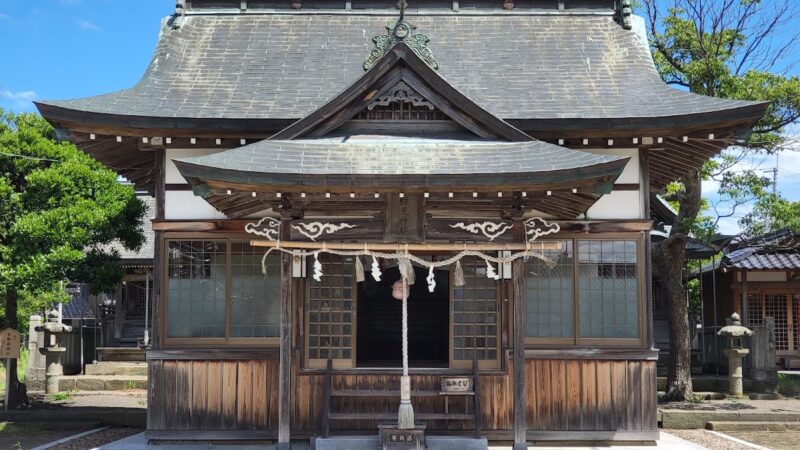
Hiruko Shrine is located in Shimogyo-ku, Kyoto City, facing the main street. It’s situated roughly halfway between Nishi Honganji and Higashi Honganji temples. Typical of shrines in the heart of Kyoto, it features a narrow frontage and a long, narrow “eel’s bed” shaped plot of land.
Although a small shrine in an urban area, it has been worshipped as the local guardian deity for a long time, and visitors come to pray for business prosperity and family safety. This is one of the precious shrines that preserves the townspeople’s culture of Kyoto.
Access Information
- Nearest Station: Approximately 5 minutes on foot from Gojo Station on the Kyoto Municipal Subway Karasuma Line
- City Bus: Within walking distance from several Kyoto City Bus stops such as Karasuma Gojo, Karasuma Shichijo, and Nishi Honganji-mae
- Car: Approximately 15 minutes from Kyoto Minami IC on the Meishin Expressway via National Route 1 (coin parking available nearby)
Ebisu Shrine (Nie, Sonobe-cho, Nantan City)
Basic Information
Location: 28 Tonogakiuchi, Nie, Sonobe-cho, Nantan City, Kyoto Prefecture
Nearest Station: Sonobe Station on the JR Sanin Main Line
Deity Enshrined: Yaekotoshironushi-no-Mikoto
Founded: Bunroku 3 (1594)
History and Origin
According to the “Funai County Shrine Records,” the shrine is said to have been founded in 1594 (Bunroku 3). During the medieval period, it was a direct parishioner of the Maki Shrine located in Takei, and later became an independent shrine, the Ebisu Shrine.
A distinctive feature of this shrine is that “Ebisu” is pronounced “Hiruko.” The enshrined deity is Yaekotoshironushi-no-Mikoto, and the shrine is believed to bestow blessings such as business prosperity, abundant harvests, and family safety.
Shrine Grounds
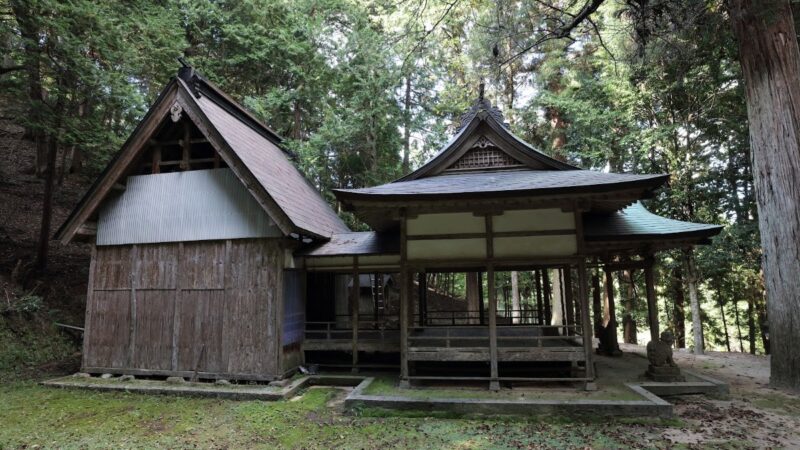
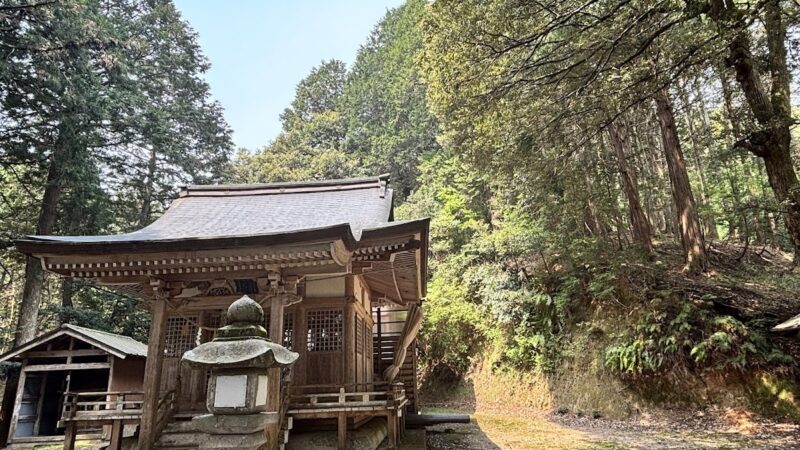
This shrine is situated in the naturally rich environment of Nantan City. The grounds have a quiet and peaceful atmosphere, and serve as a place of relaxation for local residents. The main hall, worship hall, and other shrine buildings are well-maintained, and regular festivals are held.
Access Information
- Nearest Station: Approximately 10 minutes by car or 30 minutes on foot from Sonobe Station on the JR San’in Main Line.
- By Car: Approximately 10 minutes from Sonobe Interchange on the Kyoto Jukan Expressway.
- Parking: Parking is available on the shrine grounds or nearby.
Divine Virtues of Hiruko Shrine
Hiruko Shrines in Kyoto Prefecture are believed to offer the following divine virtues:
Business Prosperity
Hiruko-no-kami and Kotoshironushi-no-kami are widely worshipped as “Ebisu-sama,” the god of business. Many visitors come to pray for the prosperity of shops and businesses.
Maritime Safety and Protection of Fisheries
Especially at Hiruko Shrines in Kyotango City, located along the coast, there is a strong belief in maritime safety and prayers for bountiful catches, and they are revered by those involved in the fishing industry.
Abundant Harvest
As a deity of agriculture, rituals have been performed to pray for a bountiful harvest and to express gratitude for the harvest.
Family Safety and Protection from Evil
As the guardian deity of the region, there is also a strong belief in praying for the health and safety of the family and protection from evil.
Etiquette and Manners for Visiting a Shrine
Here are the basic manners for visiting Hiruko Shrine:
Procedure for Visiting a Shrine
- Bow before passing through the torii gate: Bow before entering the sacred area, in front of the torii gate.
- Purify yourself at the water basin: Purify your left hand, then your right hand, then your mouth.
- Walk along the edge of the path: The center of the path is considered the path of the gods.
- Pray in front of the main hall: The basic procedure is two bows, two claps, and one bow.
- When leaving: After leaving the torii gate, turn around and bow.
Points to Note When Visiting a Shrine
- Please be quiet within the shrine grounds and refrain from speaking loudly.
- Please only take photographs in designated areas.
- If you wish to receive a goshuin (shrine stamp), please politely request it at the shrine office after your visit.
- Please be considerate of the neighbors, as this is also a living space for local residents.
About Goshuin (Shrine Seals)
Goshuin can be obtained at some Hiruko Shrines and Ebisu Shrines in Kyoto Prefecture. However, smaller shrines may not have a resident priest, so it is recommended to check in advance.
Manners for Receiving Goshuin
- Always pray before receiving a Goshuin.
- Don’t forget to bring your Goshuincho (stamp book).
- Prepare a donation (around 300-500 yen).
- Don’t forget to express your gratitude to the priest.
Annual Events and Festivals
Various festivals are held throughout the year at Hiruko Shrines and Ebisu Shrines.
Main Annual Events
- Hatsumode (January 1st-3rd): Prayers for safety and prosperity in the new year
- Toka Ebisu (around January 10th): A particularly important festival at shrines dedicated to Ebisu worship
- Reisai (Annual Festival) (Varies by shrine): The most important annual event at each shrine
- Autumn Festival (September-November): Prayers for harvest thanksgiving and regional prosperity
Please contact each shrine for detailed dates.
Nearby Tourist Attractions
Kyotango City Area
Kumihama Bay: A beautiful lagoon located near Hiruko Shrine (Minatomiya, Kumihama-cho). Also famous for oyster farming.
Kotenkyo: A beautiful sandy beach facing the Sea of Japan. It is bustling with swimmers in the summer.
Tango Chirimen History Museum: A facility where you can learn about the history of Tango Chirimen, a traditional industry of the Tango region.
Shimogyo Ward, Kyoto City Area
Nishi Honganji Temple: The head temple of the Jodo Shinshu Honganji sect, also registered as a World Heritage Site.
Higashi Honganji Temple: The head temple of the Shinshu Otani sect. Its magnificent temple complex is a highlight.
Kyoto Tower: A landmark in front of Kyoto Station. The observation deck offers panoramic views of Kyoto city.
Sonobe Town, Nantan City Area
Sonobe Castle Ruins: The ruins of the Sonobe domain’s castle. It is now maintained as Sonobe Park.
Rurikei Onsen: A hot spring resort facility located in a valley rich in nature.
Points to Note When Visiting Hiruko Shrine
Visiting Multiple Shrines
There are several Hiruko Shrines within Kyoto Prefecture. Each shrine has its own unique history and characteristics, so those interested are encouraged to visit several.
Learning about Local History
Each shrine is deeply connected to the history of its region. Learning about the local history and culture during your visit will lead to a deeper understanding.
Seasonal Charms
Some shrines show different expressions depending on the season, such as cherry blossoms in spring, lush greenery in summer, autumn leaves, and snowscapes in winter. You might discover something new by visiting multiple times.
Access Information Summary
Access to Hiruko Shrine in Kyotango City
Public Transportation: Use the Kyoto Tango Railway Miyazu Line. Approximately 2 hours and 30 minutes by express train from Kyoto Station.
Car: The Kyoto Jukan Expressway is convenient. Approximately 2 hours from Kyoto city center.
Access to Ebisu Shrine in Shimogyo-ku, Kyoto City
Public Transportation: Approximately 15 minutes on foot from JR Kyoto Station, or approximately 5 minutes on foot from Gojo Station on the Karasuma Subway Line.
By Car: As it is located in the central part of Kyoto City, we recommend using public transportation.
Access to Ebisu Shrine in Sonobe-cho, Nantan City
Public Transportation: Get off at Sonobe Station on the JR Sanin Main Line. Approximately 40 minutes by rapid train from Kyoto Station.
By Car: Approximately 10 minutes from the Sonobe Interchange on the Kyoto Jukan Expressway.
Attire and Items to Bring When Visiting a Shrine
Attire
While no special attire is required for visiting a shrine, please keep the following points in mind:
- Aim for clean and neat clothing.
- Avoid revealing clothing.
- Even in summer, keep skin exposure to a minimum.
- In winter, take proper precautions against the cold.
Items to Bring
- Goshuincho (if you wish to receive a Goshuin stamp)
- Hatsuhoryo (it’s convenient to have small change ready)
- Camera (use only in areas where photography is permitted)
- Drinks (especially in summer to prevent heatstroke)
Summary
The Hiruko Shrines in Kyoto Prefecture are fascinating shrines, each with its own unique history and characteristics. From the Hiruko Shrine, a Shikinaisha (a shrine listed in the Engishiki, an ancient Japanese legal code) situated along the coast of Kyotango City, to the Ebisu Shrine quietly nestled in the heart of Kyoto City, and the Ebisu Shrine nestled amidst the rich natural environment of Nantan City, these shrines present a diverse array of appearances.
These shrines, offering various divine blessings such as business prosperity, maritime safety, and family safety, serve as centers of faith for local people and are also valuable spots for tourists to experience Kyoto’s history and culture.
When visiting Kyoto, we highly recommend visiting these Hiruko and Ebisu Shrines. In their tranquil grounds, you can find peace of mind and offer prayers to the gods, providing a special escape from the hustle and bustle of everyday life.
For detailed information and the latest updates on each shrine, we recommend contacting the respective shrine or local tourism association in advance. We sincerely hope your visit will be fruitful.