Complete Guide to Ryojinja Shrines (Kyoto Prefecture): History, Access, and Goshuin Information
Kyoto Prefecture is home to numerous shrines, and among them, those bearing the name “Ryo” (mausoleum) hold special significance. This article provides a detailed explanation of Ryojinja shrines in Kyoto Prefecture, from their historical background to information on visiting them.
What are Ryojinja Shrines?
Ryojinja shrines are shrines associated with the mausoleums (imperial tombs) of emperors and members of the imperial family. Kyoto has a long history as the capital of Japan, and because of the many imperial tombs located there, numerous shrines related to these tombs can be found.
Historical Background of Ryojinja Shrines
Since the relocation of the capital to Heian-kyo, many emperors have reigned in Kyoto, and their mausoleums have been constructed there. Ryojinja shrines originated from shrines established to protect these mausoleums and perform rituals. They have a history of developing as objects of local worship, separate from the imperial mausoleums managed by the Imperial Household Agency.
From ancient times, protective facilities were established around the mausoleums, and over time, these were developed into shrines. Especially since the Meiji era, as reverence for the Imperial Family has increased, the importance of imperial mausoleum shrines has also been re-recognized.
Relationship between Imperial Mausoleums and Shrines
Numerous imperial mausoleums exist within Kyoto Prefecture, and in many cases, shrines have been built around them. The place name “Goryo” (御陵) remains in various locations, including the Goryo area of Yamashina Ward, and these areas have historically deep connections to imperial mausoleums.
Major Imperial Mausoleum Shrines in Kyoto Prefecture
Kyoto Prefecture has approximately 1,570 shrines, and among them, shrines related to imperial mausoleums hold a special position. Here, we introduce major imperial mausoleum shrines by region.
Imperial Mausoleum Shrines in Kyoto City
Imperial Mausoleum Shrines in Yamashina Ward
Yamashina Ward retains many place names related to “Goryo” (御陵), and is home to important imperial tombs, including the mausoleum of Emperor Tenji. Around Goryo Station, many place names related to mausoleums can be found, such as Goryo-shimo-Gobyono-cho.
The shrines in this region have a history dating back to ancient times and have been revered as local guardian deities. Shrines related to Emperor Tenji’s mausoleum, in particular, are important for understanding Japanese history. #### Ryōzen Gokoku Shrine in Higashiyama Ward
Kyoto Ryōzen Gokoku Shrine is known as a shrine dedicated to the patriots of the late Edo period. It enshrines key figures of the Meiji Restoration, such as Sakamoto Ryōma and Nakaoka Shintarō, and attracts many worshippers.
While not officially a “mausoleum shrine,” its name “Ryōzen” (meaning sacred mountain) and its spirit of national protection give it special significance. Located on a hill in Higashiyama, its panoramic view of Kyoto city is another of its attractions.
Mausoleum-Related Shrines in Kita Ward and Kamigyo Ward
Kyoto’s Kita Ward is home to Kamigamo Shrine (Kamo Wakeikazuchi Shrine), a prestigious shrine with a long history. The surrounding area also boasts many sites associated with successive emperors and has deep ties to imperial mausoleums.
Mausoleum Shrines in Uji City
Uji City is home to imperial mausoleums, including the Uji Mausoleum, and several related shrines can be found there. Uji was one of the centers of aristocratic culture during the Heian period, and many historical legacies remain.
It is home to shrines registered as World Heritage Sites, such as Ujigami Shrine and Uji Shrine, and is known as a region of high historical value. While these shrines do not have a direct connection to imperial tombs, they are important due to their deep ties to the Imperial family.
Imperial Mausoleum Shrines in Fukuchiyama City
Fukuchiyama City is located in the northern part of Kyoto Prefecture and has developed as a transportation hub since ancient times. This region also has shrines related to imperial mausoleums and shrines associated with the Imperial family.
Many shrines are closely intertwined with the region’s history and attract local devotion. There are over 100 shrines in Fukuchiyama City, each with its own unique history and tradition.
Imperial Mausoleum Shrines in Kameoka City
Kameoka City was the center of the ancient Tanba Province and is home to numerous historically significant shrines, including Izumo Grand Shrine. The shrines in this region have also been influenced by cultural influx from the continent, giving them a unique history.
Some shrines in Kameoka City have connections to the Imperial Family, making them important for understanding the region’s history.
Ryojinja Shrines in Yawata City
Yawata City is home to Iwashimizu Hachimangu Shrine, one of Japan’s most representative shrines. This shrine is deeply revered by the Imperial Family, and numerous visits by successive emperors are recorded.
The name Yawata City itself originates from Hachiman worship, and the town has a history of being built around the shrine. There are many historical sites in the surrounding area, including Otokoyama, allowing visitors to enjoy a stroll in conjunction with their shrine visit.
Characteristics and Charm of Ryojinja Shrines
Historical Value
Ryojinja shrines are closely intertwined with the history of the Japanese Imperial Family and possess extremely high historical value. Visiting these shrines allows for a deeper understanding of Japanese history.
Many Ryojinja shrines were founded from ancient to medieval times, and their architectural styles and ritual forms retain characteristics of that era. Many shrine buildings and treasures are designated as cultural properties, making them valuable resources for learning about Japanese culture.
Architectural Characteristics
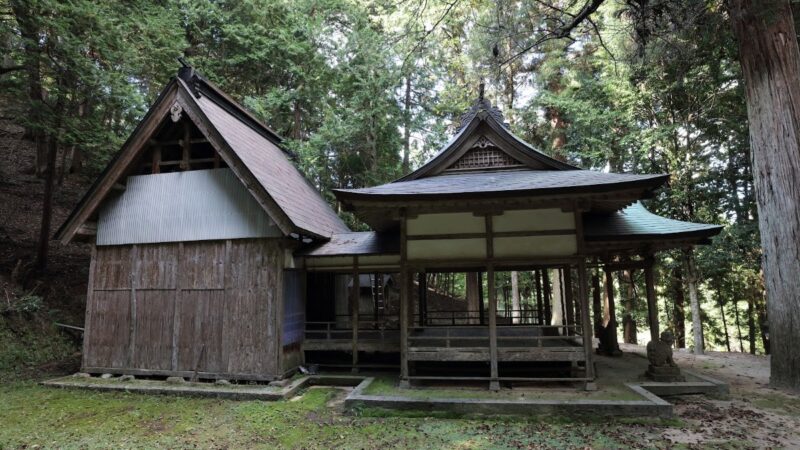
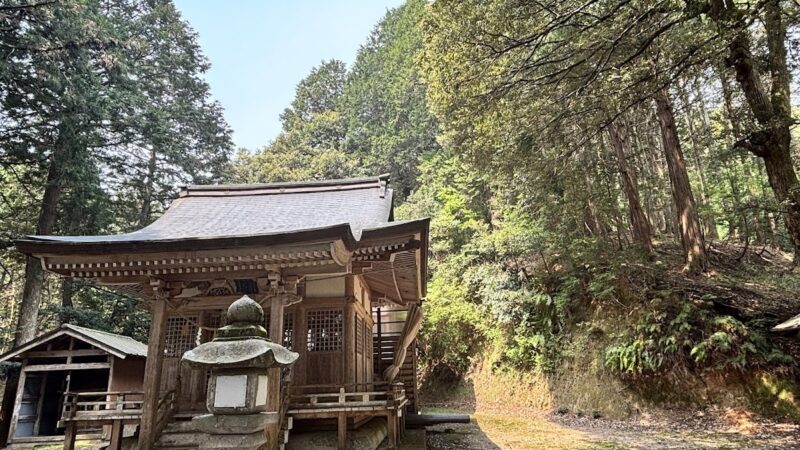
The architecture of Ryojin Shrine exhibits various characteristics depending on the era and region. Traditional Japanese shrine architectural styles such as Shinmei-zukuri, Nagare-zukuri, and Kasuga-zukuri are evident, each possessing its own meaning and beauty.
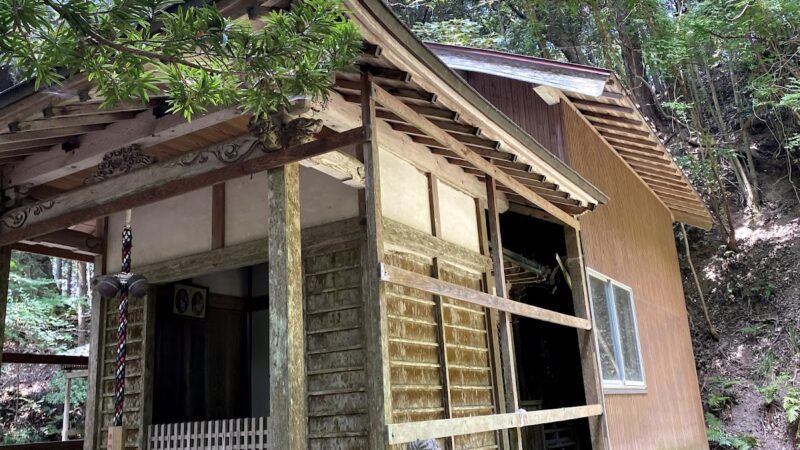
In particular, the decorations of the main hall and worship hall utilize the highest level of technology of the time, and many excellent works of carving and coloring remain. These buildings can be said to represent the pinnacle of Japanese wooden architecture.
Rituals and Annual Events
Ryojin Shrine holds various rituals and events throughout the year. These include the Spring and Autumn Grand Festivals, as well as monthly festivals and other regular ceremonies.
These rituals are conducted while preserving ancient traditions and play an important role in the transmission of local culture. Especially during the Grand Festivals, portable shrine processions and dedication ceremonies are held, attracting many worshippers.
Rituals and Annual Events
Ryojin Shrine holds various rituals and events throughout the year. ## Etiquette and Manners for Visiting Shrines
Basic Etiquette for Visiting Shrines
When visiting a Ryojinja shrine, follow the same etiquette as for any other shrine. Bow before passing through the torii gate, purify your hands and mouth at the water basin, and then proceed to the main hall.
The basic form of worship is “two bows, two claps, one bow.” Bow deeply twice, clap your hands twice, and finally bow deeply once. It is important to worship with sincerity.
Points to Note Specific to Ryojinja Shrines
Some Ryojinja shrines are adjacent to imperial tombs managed by the Imperial Household Agency. In such cases, access to the tombs is often restricted, so please worship from the designated worship area.
Photography may also be restricted depending on the location. It is good manners to check beforehand and refrain from taking pictures in prohibited areas.
Goshuin (Shrine Seals) and Amulets
About Goshuin (Shrine Seals)
Many Ryojinja shrines offer goshuin. Goshuin (temple/shrine stamps) are cherished as proof of worship and as a way to forge a connection with the shrine.
When receiving a goshuin, please prepare your goshuincho (stamp book) and respectfully request it at the shrine office. The offering fee is generally around 300 to 500 yen, but this may vary depending on the shrine.
Items and Amulets
At Ryojin Shrine, a variety of amulets and items are available. You can choose an amulet according to your purpose, such as traffic safety, academic success, or health prayers.
Especially at historical Ryojin Shrines, there are often amulets with unique designs and items related to the shrine’s history, making them popular as mementos of your visit.
Access and Visiting Information
Access to Ryojin Shrines in Kyoto City
Ryojin Shrines in Kyoto City are often easily accessible by public transportation. Using city buses and subways allows you to efficiently visit multiple shrines.
For the Goryo area in Yamashina Ward, the nearest station is Goryo Station on the Kyoto Municipal Subway Tozai Line. Several shrines are within walking distance of the station, allowing you to enjoy a stroll while visiting them.
Access to Ryojinja Shrines in Northern and Southern Kyoto Prefecture
To reach Ryojinja Shrines outside of Kyoto City, such as those in Fukuchiyama City, Kameoka City, and Yawata City, use JR or private railways. Each shrine is accessible on foot or by bus from its nearest station.
While access by car is possible, parking availability and capacity may be limited, so it’s recommended to check in advance. Especially during festival periods, congestion is expected, making public transportation the most convenient option.
Visiting Hours and Admission Fees
Many shrines are open for free visits during the day, but the shrine office is generally open from 9:00 AM to around 5:00 PM. If you wish to obtain a Goshuin (shrine stamp) or amulet, you must visit within these hours.
Generally, entry to the shrine grounds is free, but special facilities such as treasure halls may require a separate admission fee.
The Shrine Culture of Kyoto Prefecture and the Role of Imperial Mausoleum Shrines
Overview of Shrines in Kyoto Prefecture
Kyoto Prefecture has approximately 1,570 shrines, representing about 2.16% of all shrines nationwide. The Kyoto Prefectural Shrine Association, through its 21 branches, oversees these shrines and functions as a center of regional faith and culture.
Kyoto’s shrines attract many worshippers from both within Japan and abroad due to their historical value and cultural importance. Many shrines are registered as World Heritage Sites and are known as representatives of Japanese culture.
Shikinaisha and Imperial Mausoleum Shrines
Numerous Shikinaisha (ancient shrines listed in the Engishiki Jinmyocho) exist within Kyoto Prefecture. Some of these shrines have connections to imperial mausoleums, preserving the history of ancient faith.
Many shrines are of high status, including Myojin Taisha, such as Kamigamo Shrine, Shimogamo Shrine, and Matsuo Taisha, which are representative shrines of Kyoto.
Local Beliefs and Ryojin Shrine
Ryojin Shrine, while having ties to the Imperial Family, has also been revered by local people as the guardian deity of the region. As a central hub of the community, it plays a vital role in connecting people through festivals and events.
Even today, it continues to be a place of worship rooted in the community, serving as a site for important life events such as New Year’s visits, Shichi-Go-San (a traditional rite of passage for children), and exorcisms.
How to Enjoy Visiting Ryojin Shrine
Visiting as a Historical Exploration
When visiting Ryojin Shrine, learning about its historical background will lead to a deeper understanding and appreciation. Researching the enshrined deities and history beforehand will make the visit more meaningful.
Many shrines have historical explanations and information boards, so it is recommended to take your time and read them while you pray.
Seasonal Charms
Kyoto’s shrines offer the beauty of each season. From cherry blossoms in spring, to the fresh greenery of early summer, the autumn leaves, and the snowy landscapes of winter, each season presents a different face.
Many of the Imperial Mausoleum Shrines are located in lush natural environments, offering a charming experience where visitors can feel the changing seasons while praying. Each visit throughout the year offers new discoveries.
Visiting Multiple Shrines
Kyoto Prefecture boasts numerous shrines, making it enjoyable to visit several based on a specific theme. Focusing on Imperial Mausoleum Shrines and combining them with nearby historical sites provides a more comprehensive understanding of Kyoto’s history.
Collecting Goshuin (shrine stamps) while comparing the unique characteristics of each shrine is also a fascinating experience.
Summary
Imperial Mausoleum Shrines in Kyoto Prefecture are important symbols of Japanese history and culture. They have a history of developing as centers of local faith, closely connected to imperial mausoleums.
Shrines related to imperial mausoleums exist throughout Kyoto Prefecture, including in Kyoto City, Uji City, Fukuchiyama City, Kameoka City, and Yawata City, each possessing its own unique history and charm. Visiting these shrines allows you to experience Kyoto’s deep history and culture.
When visiting a shrine, observing basic etiquette and manners, and understanding its history and origins, will enhance your experience. Many shrines offer commemorative items such as goshuin (stamped seals) and amulets.
Kyoto Prefecture boasts approximately 1,570 shrines, and among them, Ryojinja Shrine holds special significance. Whether for historical exploration or to find peace of mind, we highly recommend visiting Ryojinja Shrine in Kyoto.