Complete Guide to Hachitachi Shrine (Kyoto Prefecture) | History, Blessings, and Access Information
While Kyoto Prefecture boasts numerous shrines, many searching for “Hachitachi Shrine” are likely looking for “Hachijinja Shrine” located in Sakyo Ward, Kyoto City. This article compiles information on shrines related to “Hachitachi” within Kyoto Prefecture, providing a detailed explanation of Hachijinja Shrine in particular.
Differences between Hachitachi Shrine and Hachijinja Shrine
Searching for “Hachitachi Shrine” often yields results for Hachitachi Shrine (Hachiryu Shrine) in Suwa City, Nagano Prefecture. However, the shrine with a similar name within Kyoto Prefecture is “Hachijinja Shrine.”
Hachijinja Shrine is a historical shrine located in Jōdoji Shinnyo-chō, Sakyo Ward, Kyoto City. It is called “Hachijinja Shrine” because it enshrines eight deities. Locally known as “Hassho-san,” it is widely revered as the guardian shrine of Jōdoji Temple and Ginkakuji Temple, and as the tutelary deity of the entire region.
Hachijinja Shrine is a historical shrine located in Jōdoji Shinnyo-chō, Sakyo Ward, Kyoto City. It is called “Hachijinja Shrine” because it enshrines eight deities. Locally, it is also known as “Hassho-san,” and is widely worshipped as the guardian shrine of Jōdoji Temple and Ginkakuji Temple, as well as the tutelary deity of the entire area. ## Basic Information about Hachijinja Shrine
Location and Access
Address: Jōdoji Shinnyo-chō, Sakyō-ku, Kyoto City, Kyoto Prefecture
Access Method:
- Approximately 5 minutes on foot from the “Ginkakuji-michi” bus stop
- Approximately 3 minutes on foot from the “Jōdoji” bus stop
- Convenient access by taking a city bus from Keihan Railway’s “Demachiyanagi Station”
Located near Ginkakuji Temple (Jishōji Temple), it’s easily accessible during Kyoto sightseeing. The shrine is situated northwest of Daimonji Mountain, nestled in a quiet residential area.
Opening Hours and Admission Fee
Visiting Hours: Grounds are freely accessible (24-hour worship available)
Admission Fee: Free
Shrine Office Hours: Usually 9:00 AM to 5:00 PM (for requests for Goshuin stamps, etc.)
History and Origins of Hachijinja Shrine
History of Founding
Hachijinja Shrine is said to have been established during the Daido era (806-810 AD) in the early Heian period, and in 2007, it celebrated its 1200th anniversary. One theory suggests it was founded during the Engi era (901-923 AD), but due to a fire in 1853 (Kaei 6) that completely destroyed the village of Jōdoji, ancient documents and other materials were lost, so the detailed history is unclear.
Historical Names
Hachijinja Shrine has been known by various names throughout history:
- Hassho Jinja (Hassho Shrine)
- Hassho Daimyojin (Hassho Great Deity)
- Sanno Juzenjisha (Sanno Ten Zen Masters Shrine): An older name
These names originate from the fact that the shrine enshrines eight deities.
Relationship with Jodo-ji and Ginkaku-ji Temples
Historically, Hachijinja Shrine has played an important role as the guardian shrine of Jodo-ji Temple and Ginkaku-ji Temple (Jisho-ji Temple). A guardian shrine is a shrine that protects a temple or a specific region, and during the era of syncretism of Shinto and Buddhism, temples and shrines had a close relationship.
Even after the Meiji-era separation of Shinto and Buddhism, Hachijinja Shrine continues to attract the faith of local residents as the tutelary deity of the former Jodo-ji Village.
Deities and Benefits
Eight Deities Enshrined
The following eight deities are enshrined at Hachijinja Shrine:
- Takamimusubi-no-kami
- Kamimusubi-no-kami
- Six other deities
Takamimusubi-no-kami and Kamimusubi-no-kami are part of the three creation deities who appeared at the time of the creation of heaven and earth in Japanese mythology, and are known as gods of generation and creation. These deities are believed to possess the power to create and nurture all things.
Expected Benefits
Main benefits you can expect at Hachijinja Shrine:
- Family Safety: As the local guardian deity, it protects the safety of your family.
- Good Fortune: Improved luck through the gods of creation.
- Prosperity of Descendants: Divine virtue as the god of creation.
- Academic Success: Worshipped as the god of learning due to its connection with Ginkaku-ji Temple.
- Protection from Evil: Protection from evil as the guardian shrine of the region.
Highlights of the Shrine Grounds
Main Hall and Worship Hall
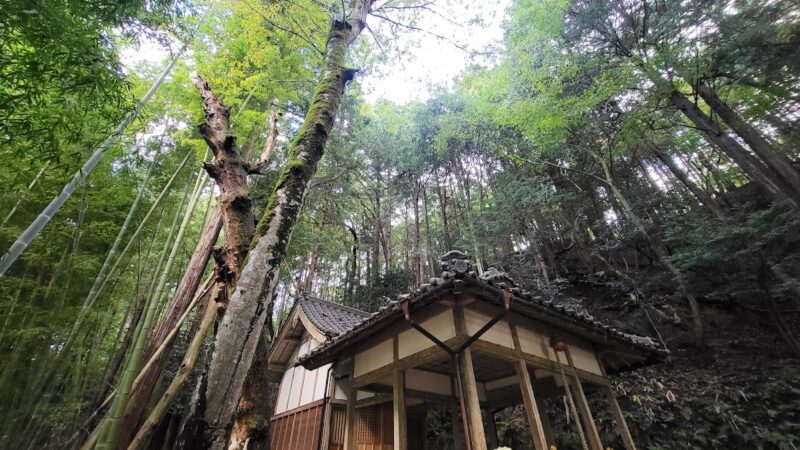
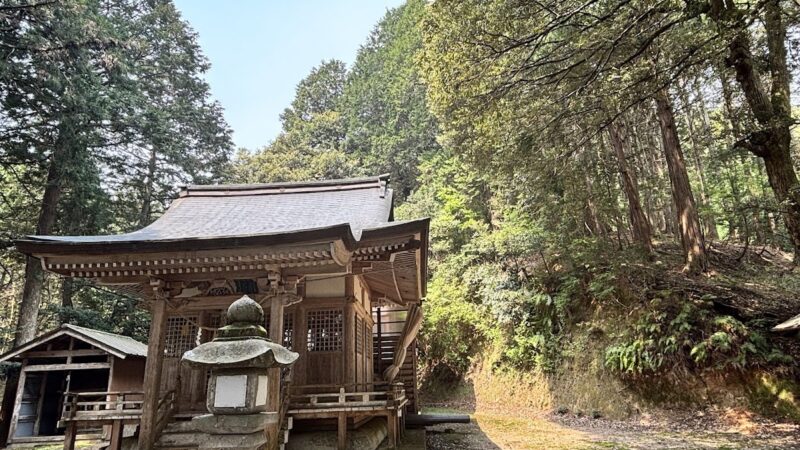
The main hall of Hachijinja Shrine retains architectural styles from the late Edo period to the Meiji period. It is believed to have been rebuilt after the Great Fire of Kaei, and is characterized by its simple yet dignified appearance.
Subsidiary Shrines
In addition to the main shrine, several subsidiary shrines are enshrined within the grounds, each offering different benefits. Small shrines that attract local faith are also scattered throughout.
Seasonal Scenery
The shrine grounds offer beautiful scenery throughout the four seasons:
- Spring: The grounds are bathed in a soft pink during cherry blossom season.
- Summer: The fresh greenery is beautiful, creating a cool and refreshing atmosphere.
- Autumn: The autumn leaves adorn the grounds, attracting many visitors during the Kyoto tourist season.
- Winter: The snow-covered grounds are enveloped in silence, creating a solemn atmosphere.
Annual Events and Festivals
Main Annual Events
Hachijinja Shrine holds various festivals and events throughout the year:
- New Year’s Day Festival (January 1st): Prayers for peace in the new year.
- Setsubun Festival (around February 3rd): Prayers for protection from evil and for good fortune.
- Annual Grand Festival (Autumn): The most important festival of the year.
- Monthly Festival: Regular monthly festivals.
As a shrine deeply rooted in the community, local residents continue to participate in and prepare for the festivals.
Nearby Tourist Attractions
When visiting Hachijinja Shrine, we recommend also visiting the nearby tourist attractions.
Ginkaku-ji Temple (Jisho-ji Temple)
Approximately 5 minutes on foot
A temple representative of Higashiyama culture, built by Ashikaga Yoshimasa, the 8th shogun of the Muromachi shogunate. It is famous for its Ginkaku (Kannon Hall) and beautiful gardens, and is registered as a World Heritage Site. A popular Kyoto tourist spot, often visited in conjunction with a visit to Hachijinja Shrine.
Philosopher’s Path
Approximately 3 minutes on foot
A walking path approximately 2 km long, leading from Ginkaku-ji Temple towards Nanzen-ji Temple. It was named after the philosopher Nishida Kitaro, who walked along it while lost in thought. It is especially beautiful during the cherry blossom season in spring and the autumn foliage season, and is a popular Kyoto tourist spot.
Honen-in Temple
Approximately 10 minutes on foot
A Jodo sect temple with an impressive thatched-roof gate. The temple grounds, enveloped in tranquility, are known as a hidden gem of Kyoto. ### Daimonji Mountain
Approximately 15-minute walk to the trailhead
This mountain is famous for the “大” (dai) character used in the Kyoto Gozan Okuribi (five mountain bonfires). The hiking trail is well-maintained, and the summit offers a panoramic view of Kyoto city.
Points to Note When Visiting Hachijinja Shrine
Shrine Visit Manners
- Bow before passing through the torii gate: A courtesy when entering the sacred area.
- Purify yourself at the water basin: Purify your left hand, right hand, and mouth in that order.
- Two bows, two claps, one bow: The general etiquette for visiting a shrine.
- Worship quietly: As the shrine is located in a residential area, please be considerate of the surroundings.
About Goshuin (Shrine Seals)
You can receive a Goshuin at Hachijinja Shrine. It is recommended to visit during the shrine office’s opening hours (usually 9:00 AM to 5:00 PM). However, the chief priest may be absent, so if you definitely want a Goshuin, it is recommended to check in advance.
Photography
Photography is generally permitted on the temple grounds, but please note the following:
- Refrain from taking photos inside the main hall.
- Be considerate of other visitors.
- Use a tripod responsibly to avoid disturbing others.
- Be mindful of location information when posting on social media.
The Role of Hachijinja Shrine in Kyoto Sightseeing
Walking Course Around Ginkaku-ji Temple
Hachijinja Shrine is recommended as part of a walking course around the Higashiyama area centered on Ginkaku-ji Temple:
Recommended Course Example:
- Get off at “Ginkaku-ji-michi” bus stop
- Visit Hachijinja Shrine (15 minutes)
- Visit Ginkaku-ji Temple (60 minutes)
- Stroll along the Philosopher’s Path (30 minutes)
- Visit Honen-in Temple (30 minutes)
- Take a break at a nearby cafe
Estimated time: Approximately 3 hours
Tips for Avoiding Crowds
- Early Morning Visit: Visiting before 8:00 AM is quiet and refreshing.
- Weekday Visit: Weekdays are recommended as the area around Ginkaku-ji Temple gets crowded on weekends and holidays.
- Avoid the Autumn Foliage Season: November is especially crowded, so spring or early summer are less busy times.
Hachijinja Shrine and Other Kyoto Shrines with “Hachi” in Their Name
There are several shrines in Kyoto with the character “Hachi” in their name. Since they are easily confused, let’s clarify the differences.
Yasaka Shrine
Location: Gion-cho, Higashiyama-ku, Kyoto City
Characteristics: The head shrine of all Yasaka Shrines and Gion faith shrines nationwide. A major shrine representing Kyoto, famous for the Gion Festival. It enshrines Susanoo-no-Mikoto as its main deity and is known for its blessings of warding off evil and disease.
This is a completely different shrine from Hachijinja Shrine, and its scale and character are vastly different.
Other Shrines with “Hachi” in Their Name
There are many other shrines in Kyoto Prefecture with the character “Hachi,” such as “Hachiman-gu.” Since each shrine has a different history and enshrined deities, we recommend checking before visiting.
Detailed Access Information to Hachijinja Shrine
Access by Public Transportation
From Kyoto Station:
- Take City Bus Route 5 bound for Ginkakuji/Iwakura, get off at Ginkakuji-michi bus stop, and walk for approximately 5 minutes (total travel time approximately 35 minutes).
- Take City Bus Route 17 bound for Ginkakuji/Kinrin Depot, get off at Ginkakuji-michi bus stop, and walk for approximately 5 minutes (total travel time approximately 35 minutes).
From Kawaramachi:
- Take City Bus Route 5 bound for Ginkakuji/Iwakura, get off at Ginkakuji-michi bus stop, and walk for approximately 5 minutes (total travel time approximately 20 minutes).
From Demachiyanagi Station:
- Take City Bus Route 203 bound for Ginkakuji-michi bus, get off at Ginkakuji-michi bus stop, and walk for approximately 5 minutes (total travel time approximately 10 minutes).
- Walking time is approximately 25 minutes.
Access by Car and Parking
Hachijinja Shrine does not have its own parking lot. The surrounding area is a residential neighborhood with narrow roads, so we strongly recommend using public transportation.
If you absolutely must come by car, you will need to use a coin-operated parking lot near Ginkaku-ji Temple and walk the rest of the way. However, parking lots get crowded during peak tourist season, so early arrival is necessary.
Taxi Access
Taking a taxi from Kyoto Station takes approximately 25 minutes and costs around 2,500 yen. This is a convenient option if you are traveling with multiple people or have a lot of luggage.
Nearby Cafes and Rest Spots
Around Hachijinja Shrine, there are many cafes and bars with a charming Kyoto atmosphere.
Recommended Cafes
The area around Ginkaku-ji Temple has many cafes housed in renovated old houses and restaurants where you can enjoy lunch using Kyoto ingredients. They are perfect for a rest after visiting the temple.
- A Japanese-style cafe where you can enjoy matcha sweets
- A townhouse cafe where you can relax while overlooking a garden
- A restaurant serving healthy lunches using locally sourced vegetables
Dining Options
Along the Philosopher’s Path, there are also restaurants where you can enjoy Yudofu (boiled tofu) and Kyoto cuisine. Enjoying local flavors is a great way to create lasting memories of your Kyoto trip.
Seasonal Recommendations for Visiting Hachijinja Shrine
Spring (March-May)
During cherry blossom season, the shrine grounds and the surrounding Philosopher’s Path are beautifully colored. Early April is especially the best time to see the cherry blossoms, making it the best season for Kyoto sightseeing. However, crowds are expected, so early morning visits are recommended.
Summer (June-August)
A beautiful season with fresh greenery, and relatively fewer tourists. You can also enjoy hydrangeas in June. Be sure to take precautions against the heat.
Autumn (September-November)
The autumn foliage season is the peak season for Kyoto sightseeing. The autumn leaves are particularly spectacular from mid- to late November. However, it gets very crowded, so you need to plan your visit with plenty of time to spare.
Winter (December-February)
This is a season with fewer tourists, allowing for a peaceful visit. The shrine grounds are breathtakingly beautiful on snowy days. Be sure to dress warmly when you visit.
Summary: The Charm of Hachijinja Shrine (Kyoto Prefecture)
Hachijinja Shrine is a shrine where you can worship in a quiet and peaceful atmosphere, despite being located very close to Ginkaku-ji Temple, a famous tourist spot in Kyoto. With a history of over 1200 years, it is still cherished by locals as the guardian deity of the region.
When visiting Ginkaku-ji Temple or the Philosopher’s Path, be sure to also visit Hachijinja Shrine. You will be able to experience a form of faith that breathes life into the daily life of Kyoto, different from large-scale tourist shrines.
Why not spend a peaceful moment at this quiet shrine watched over by eight deities? It will surely add a special page to your memories of Kyoto sightseeing.