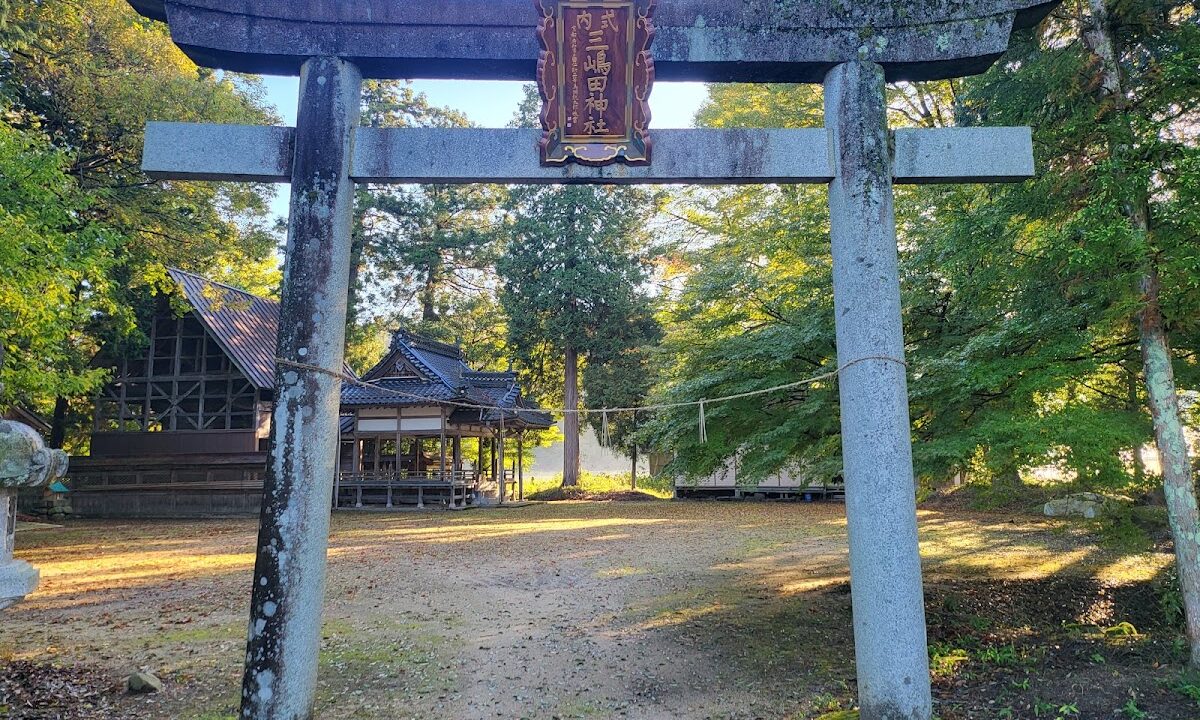
Mishimada Shrine (Kyotango City, Kyoto Prefecture) Complete Guide: A Thorough Explanation of the History and Cultural Assets of this Shikinaisha Shrine
Mishimada Shrine is a historic shrine located in Kanaya, Kumihama-cho, Kyotango City, Kyoto Prefecture. It is a Shikinaisha shrine listed in the Engishiki Jinmyocho (a list of shrines compiled in the Heian period), and its former rank was Gosha (village shrine), revered by the local people. This article provides a detailed explanation of the history, enshrined deities, cultural assets, and visiting information of Mishimada Shrine.
Overview of Mishimada Shrine
Mishimada Shrine is an ancient shrine listed in the Engishiki Jinmyocho as “Mishimada Shrine” (みしま田の神社) and belonging to Kumano District, Tango Province. Its current name is pronounced “Mishimada Jinja” (みしま田神社), and it is located at 791 Imagoda, Kanaya, Kumihama-cho, Kyotango City.
Located approximately 7km southeast of Kumihama Station on the Kitakinki Tango Railway Miyazu Line (now the Kyoto Tango Railway Miyatoyo Line), this shrine is known for its quiet, mountainous location. It has a history of being elevated to the status of a former village shrine during the Meiji era and continues to be carefully preserved as a center of local faith.
Location and Basic Information
- Location: 791 Kanaya Imagota, Kumihama-cho, Kyotango City, Kyoto Prefecture
- Former Shrine Rank: Village Shrine
- Shikinaisha: Mishimada Shrine, Kumano District, Tango Province
- Main Deity: Oyamatsumi-no-Mikoto
History of Mishimada Shrine
Founding and Ancient Legends
While there are no definitive records regarding the founding date of Mishimada Shrine, local histories such as the “Tango Kyujiki” suggest that it may date back to the reign of Emperor Suinin. As a shrine deeply connected to mountain worship in the ancient Tango region, it has attracted worshippers alongside the development of the region and the advancement of agriculture.
Its inclusion in the Engishiki Jinmyocho (compiled in 927) indicates that it was already a prestigious shrine recognized by the imperial court in the early Heian period. Regarding its identification as a Shikinaisha (shrine listed in the Engishiki), Edo period geographical records also identify this shrine as Mishimada Shrine, confirming its historical continuity.
Medieval Trends
During the medieval period, the shrine had close ties with the samurai families who ruled the Tango region, and is said to have received particular reverence from warlords, including Ashikaga Takauji. Records from the Eikyo era (1429-1441) mention donations to the shrine and repairs to the shrine buildings, suggesting that it was protected by influential local figures throughout the medieval period.
During the Muromachi period, local lords such as the Nomura clan, who ruled the Kawakami Valley, revered Mishimada Shrine as their tutelary deity and were involved in donating land to the shrine and performing festivals. These relationships with samurai families played a crucial role in the maintenance and development of the shrine.
From the Early Modern Period to the Modern Period
During the Edo period, the shrine was revered by the villagers as the tutelary deity of Kanaya Village, and rituals for bountiful harvests and rain were performed there as the guardian deity of agriculture. The fact that Oyamatsumi-no-Mikoto is the principal deity indicates that the shrine’s characteristics as a mountain god and agricultural god were emphasized.
With the reform of the shrine system during the Meiji era, Mishimada Shrine was elevated to the rank of a village shrine. This elevation signified the official recognition of the shrine’s importance and historical value in the region. Since then, it has continued to play a central role in the local community as a former village shrine.
Deities and Divine Status
Principal Deity: Oyamatsumi-no-Mikoto
The principal deity of Mishimada Shrine is Oyamatsumi-no-Mikoto. Oyamatsumi-no-Mikoto is a deity considered the supreme leader of mountain gods in Japanese mythology, and is an important deity appearing in the Kojiki and Nihon Shoki.
Oyamatsumi-no-Mikoto is believed to possess the following divine virtues:
- Guardian of Mountains: As the god who governs all mountains, he protects the safety and blessings of the mountains.
- Guardian of Agriculture: He protects agriculture through the water flowing from the mountains and the blessings of the mountains.
- God of Brewing: He is also worshipped as the god of sake brewing.
- Long-lasting Military Fortune: He also has an aspect as a god of war and was revered by military commanders.
Enshrined Deities and History
Some documents also mention the names of deities such as Takemorosumi-no-Mikoto and Kawakami-Masu. These are deities linked to the local pioneering traditions and are thought to reflect the ancient history of the Tango region.
The place name and deity name Ikushima also appear in related documents, suggesting that the faith of Mishimada Shrine was not merely mountain worship, but also linked to water source worship and worship of the source of life force.
Cultural Properties and Buildings
Architectural Style of the Main Hall
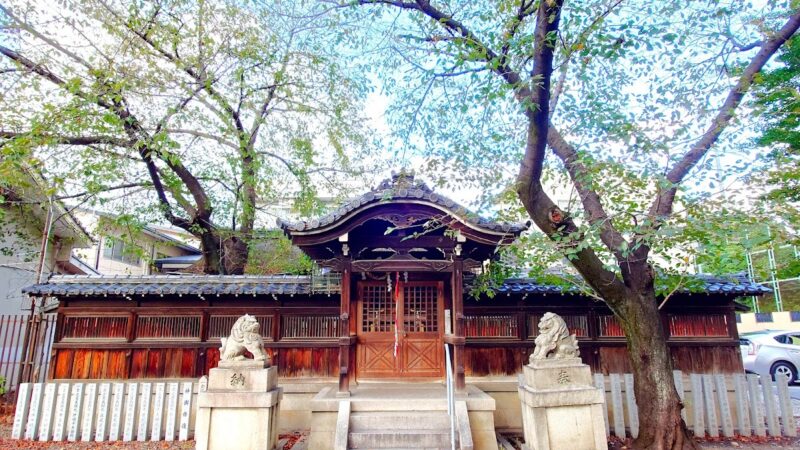
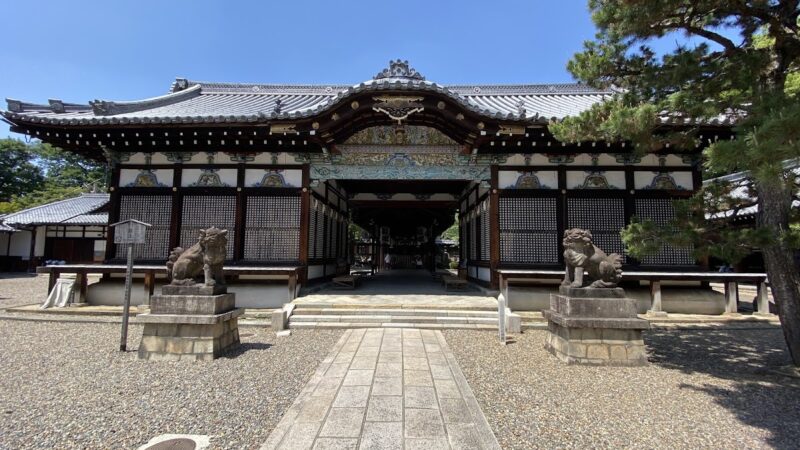
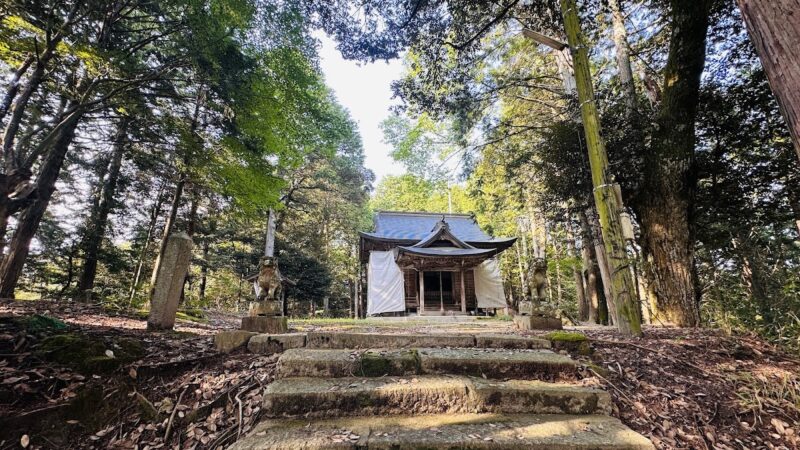
The main hall of Mishimada Shrine is a valuable building that retains the characteristics of traditional shrine architecture in the Tango region. It has a cypress bark or persimmon bark roof and is believed to be based on the one-bay nagare-zukuri or Kasuga-zukuri style.
While there are no clear records of its construction date, its style and structure suggest it was built in the mid-to-late Edo period. Regular repairs are carried out, ensuring the continuation of traditional architectural techniques.
City-Designated Cultural Property
Kyotango City protects Mishimada Shrine and the surrounding area as cultural properties. Specifically, the following designations have been made:
City-Designated Cultural Property Environmental Preservation Area
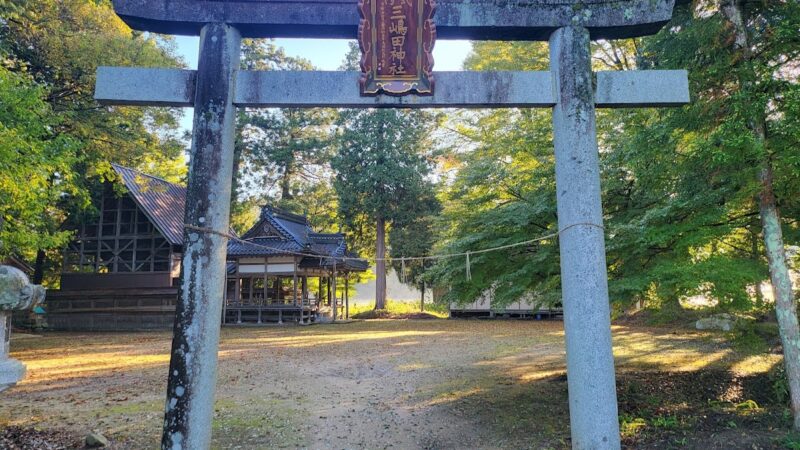
The grounds of Mishimada Shrine and its surrounding natural environment are designated as a city-designated cultural property environmental preservation area, ensuring the preservation of the historical landscape and natural environment. This designation protects the surrounding forests and topography as a whole, maintaining the atmosphere of the ancient shrine.
The shrine’s forest, known as the “shaso” (shrine grove), is densely populated with giant trees such as cedar and cypress, creating a sacred space. Some of these trees are hundreds of years old, serving as living cultural assets that tell the story of the shrine’s history.
Other Cultural Assets
Stone lanterns and guardian lion-dogs are placed throughout the shrine grounds, each bearing the inscription of its donation date and donor. Many of these stone structures date from the Edo period to the modern era, serving as historical records of the local people’s faith.
Ancient documents and ridgepole inscriptions are also preserved, serving as important historical sources for the study of the shrine’s history. These documents provide insights into the activities of successive priests and parishioners, as well as the evolution of festivals.
Annual Festivals and Beliefs
Major Festivals
Mishimada Shrine holds various festivals throughout the year. The most important festival is the annual grand festival, often held in autumn, where prayers are offered for a bountiful harvest and for the peace and prosperity of the region.
The annual festival includes traditional events such as a portable shrine procession and lion dances, providing an opportunity to strengthen community bonds. Parishioners and local residents participate in the preparation and execution of the festival, making it a place for intergenerational exchange.
Daily Worship
Mishimada Shrine is also an object of daily worship for local residents. Many people visit for life events such as New Year’s visits, Shichi-Go-San (a traditional rite of passage for children), and exorcisms, making it a beloved shrine deeply rooted in the community.
Given that agriculture is thriving in the area, visits based on the agricultural calendar, such as prayers for a bountiful harvest before rice planting and thanksgiving festivals after the harvest, continue to this day. The belief in the divine virtue of Oyamatsumi-no-Mikoto, the protector of agriculture, is still passed down among the local people today.
Differences between Mishimada Shrine and Mishima Shrine (Kyoto City)
There are several shrines in Kyoto Prefecture with “Mishima” in their name, which can sometimes lead to confusion. In particular, Mishima Shrine in Higashiyama Ward, Kyoto City, is known as a rare shrine that considers eels as its divine messengers, and is famous for its prayers for fertility and safe childbirth.
Main Differences
- Location: Mishimada Shrine is located in Kumihama-cho, Kyotango City; Mishima Shrine (Kyoto City) is located in Higashiyama-ku, Kyoto.
- Deity: Mishimada Shrine enshrines Oyamatsumi-no-Mikoto; Mishima Shrine (Kyoto City) also enshrines Oyamatsumi-no-Mikoto, but the nature of their worship differs.
- Shikinaisha: Mishimada Shrine is a Shikinaisha (a shrine listed in the Engishiki); Mishima Shrine (Kyoto City) is not.
- Founding: Mishimada Shrine was founded in ancient times; Mishima Shrine (Kyoto City) was founded in the late Heian period (1160).
- Characteristics: Mishimada Shrine is associated with mountain and agricultural worship; Mishima Shrine (Kyoto City) is associated with eel worship and safe childbirth worship.
These two shrines are separate shrines with their own unique histories and beliefs. It is important to confirm their locations before visiting.
Access and Visiting Information
Transportation Access
Public Transportation
- Get off at Kumihama Station on the Kyoto Tango Railway Miyazu Line, then take a taxi or car for approximately 15 minutes.
- Bus service from the station is limited, so please check in advance.
By Car
- Approximately 40 minutes from the Kyotango Omiya Interchange on the Kyoto Jukan Expressway via National Routes 312 and 482.
- Parking: There are several parking spaces on the shrine grounds or nearby.
Points to Note When Visiting
Mishimada Shrine is located in a quiet, mountainous area, so please note the following:
- In winter, there is a possibility of snow, so please check road conditions in advance.
- There are areas with weak cell phone reception, so please use the offline function of a map app.
- There may not be a permanent shrine office, so please check in advance if you wish to receive a Goshuin (shrine stamp).
- Due to the rich natural environment, insect repellent and appropriate clothing are recommended.
Nearby Attractions
Kumihama Town is known for the beautiful scenery of Kumihama Bay. In addition to visiting Mishimada Shrine, you can also visit the following spots:
- Kumihama Bay: A quiet inlet facing the Sea of Japan, famous for swimming and oyster farming.
- Nyoi-ji Temple: One of the 25 sacred flower temples of Kansai, known for its beautiful Rhododendron dilatatum.
- Kotenkyo: A sandbar separating Kumihama Bay from the Sea of Japan, a scenic spot.
- Kumihama Onsen: A local hot spring facility where you can relax and unwind after your travels.
Cultural Significance of Mishimada Shrine
Value as a Shikinaisha Shrine
The fact that Mishimada Shrine is listed in the Engishiki Jinmyocho (a list of shrines compiled in the Heian period) indicates that it was a prestigious shrine officially recognized by the imperial court during the Heian period. While several Shikinaisha shrines existed in Kumano District, Tango Province, shrines whose identification is still clearly established and whose worship continues today are rare.
The study of Shikinaisha shrines is crucial for understanding the religious system and local governance of ancient Japan, and Mishimada Shrine is a prime example of this, possessing high academic value.
Core of Regional Identity
As a former village shrine, Mishimada Shrine has been the core of the identity of the Kanaya district and surrounding areas. Its functions as a place for maintaining local communities through festivals, passing on traditional culture, and fostering intergenerational exchange are particularly significant in rural areas facing depopulation.
The community ties centered around the shrine also serve as a foundation for mutual assistance during disasters and collaborative efforts to address local issues, fulfilling a social role that transcends mere religious institutions.
Hub for Natural Environment Conservation
The shrine forest of Mishimada Shrine, designated as a city-designated cultural property environmental conservation area, plays a vital role in preserving regional biodiversity. In today’s rapidly developing world, the shrine’s forest serves as a habitat for many organisms and a source of ecosystem services.
Historically, shrines have protected the local natural environment as “guardian forests.” Mishimada Shrine also carries on this tradition, contributing to the community through both cultural property preservation and environmental conservation.
Current Status and Challenges of Mishimada Shrine Research
Historical Materials and Research
Research on Mishimada Shrine has primarily progressed through identification of the shrine as listed in the *Engishiki Jinmyocho* (a list of shrines compiled in the Heian period), geographical research such as the *Tango Kyujiki*, and archaeological investigations. However, many aspects of the shrine’s founding date and specific forms of ancient rituals remain unclear due to the limitations of historical materials.
In recent years, advances in local history research have gradually clarified the trends of shrines from the medieval to early modern periods. In particular, new insights are being gained from the analysis of ancient documents regarding the relationship with local samurai families and villages, and the changes in festivals.
Challenges of Preservation and Succession
In rural areas facing depopulation and an aging population, the maintenance and management of shrines and the continuation of festivals are major challenges. Mishimada Shrine also faces problems such as a decrease in parishioners and a lack of successors.
On the other hand, its value as a cultural property is being recognized, and support from the government and interest from outside the area are increasing. Efforts are underway to preserve and repair historical buildings, improve the shrine grounds, and record festivals, and sustainable preservation and transmission strategies are being explored.
Recommendation for Visiting
Mishimada Shrine may not have the glamour of a tourist destination, but as an ancient shrine nestled in a quiet mountain valley, it offers visitors a deep sense of spiritual fulfillment. It is a precious place where you can feel the weight of history as a Shikinaisha (a shrine listed in the Engishiki, an ancient Japanese legal code), the sacred atmosphere embraced by the nature of Tango, and the deep faith of the local people.
It possesses a unique charm that differs from the famous shrines and temples in Kyoto City, a charm unique to an ancient regional shrine. It is a shrine that we highly recommend visiting for those interested in history, those who enjoy visiting shrines, and those who want to find peace of mind in a quiet place.
Visiting it in conjunction with the beautiful natural scenery of Kumihama will allow you to comprehensively experience the history, culture, and natural beauty of the Tango region.
Summary
Mishimada Shrine (Kyotango City, Kyoto Prefecture) is a venerable shrine with a history of over a thousand years, listed in the Engishiki Jinmyocho (a list of shrines compiled in the Heian period). With Oyamatsumi-no-Mikoto as its principal deity, it has been a center of mountain and agricultural worship, and has been revered by the local people as a former village shrine.
The shrine grounds, protected as a city-designated cultural property and environmental preservation area, form a sacred space where historical buildings and abundant nature harmonize. Despite facing the challenge of depopulation, it continues to play an important role as the core of the region’s identity and as a base for cultural property and natural environment preservation.
To deeply understand the history and culture of Kyoto Prefecture, it is important to look not only at famous shrines and temples in Kyoto City, but also at ancient local shrines like Mishimada Shrine. With its status as a Engishiki shrine, deeply rooted local faith, and beautiful natural environment, Mishimada Shrine is a shrine well worth visiting.