Complete Guide to Shikobuchi Shrine (Kyoto Prefecture) | An Ancient Shrine in the Azumigawa River Basin Where Kappa Legends and the Kuta Hanagasa Dance Thrive
Located in Kuta-nakacho, Sakyo Ward, in the northernmost part of Kyoto City, Shikobuchi Shrine is a shrine deeply connected to the kappa legends of the Azumigawa River basin. Also written as “思古渕社” or “志古淵神社,” this ancient shrine has long been revered by the local community as a guardian deity of safe rafting. This article provides a detailed explanation of everything you need to know before visiting Shikobuchi Shrine, including its history, enshrined deities, cultural assets, traditional events, and access information.
Basic Information about Shikobuchi Shrine
Official Name: Shikobuchi-sha / Shikobuchi Jinja
Location: 362 Kuta-nakamachi, Sakyo-ku, Kyoto City, Kyoto Prefecture
Former Shrine Rank: Village Shrine
Deity Enshrined: Shikobuchi-no-kami / Shikobuchi-no-kami
Alternate Name: Also known as Takaokami-no-kami
Annual Festival Date: June 19th
Main Rituals: Kuta Hanagasa Dance (Sunday closest to August 24th)
Cultural Property Designation: Kyoto City Designated Tangible Cultural Property (Main Hall), Kyoto City Cultural Property Environmental Preservation Area (Shrine Grounds)
Shikobuchi Shrine has long been revered by local residents as one of the tutelary deities of the Kuta district, located at the northernmost tip of Kyoto City. Located on the banks of the Kuta River, which flows into the Azumigawa River, this shrine is known for its deep connection to the once-thriving raft-floating industry.
History and Origins of Shikobuchi Shrine
Founding and Ancient Records
The exact founding date of Shikobuchi Shrine is unclear, but one theory suggests it was established in the Heian period, in the 12th year of Enryaku (793 AD). According to a ridge beam inscription held at the shrine, it has been confirmed that a shrine building already existed during the Tenpuku era (1233-1234 AD), indicating that it was functioning as a shrine at least by the early Kamakura period.
There are seven shrines named “Shikobuchi” in the Azumigawa River basin, collectively known as the “Seven Shikobuchi.” Shikobuchi Shrine is the only one of these located within Kyoto Prefecture; the other six are distributed within Shiga Prefecture. These shrines form a network of local deity and water deity worship in the Azumigawa area, and Shikobuchi Shrine has played an important role as its base on the Kyoto side.
Deep Connection to Rafting
From the Edo period to the Meiji and Taisho periods, forestry flourished in the Kuta area, and rafting on the Azumigawa River was an important industry. Timber felled in the mountainous areas was assembled into rafts and transported down the river towards Lake Biwa. Shikobuchi Shrine attracted the deep faith of rafters as a deity to pray for safety during this dangerous rafting.
Shikobuchi-no-kami (Shikobuchi-no-kami) was revered as the guardian deity of rafting and as the protector of those engaged in forestry, and it was customary to visit the shrine and pray for safety before departure. Although rafting is no longer practiced, its history and beliefs are carefully preserved as a local memory.
Development Since the Modern Era
Under the Meiji era’s shrine ranking system, Shikobuchi Shrine was ranked as a village shrine. On June 1, 1984, the main hall, built during the Edo period, was designated a Kyoto City Designated Tangible Cultural Property, and the entire shrine grounds were designated a Kyoto City Cultural Property Environmental Preservation Area, officially recognizing its historical and cultural value.
Deities and Benefits
Shikobuchi-no-kami (Shikobuchi-no-kami)
Shikobuchi-no-kami, the deity enshrined at Shikobuchi Shrine, is a water deity and local guardian deity unique to the Azumigawa River basin. Also known as Takaokami-no-kami, it possesses the characteristics of a dragon god that controls water.
There are various theories regarding the origin of the name “Shikobuchi,” but it has a unique form of worship linked to the Kappa legend. In the Azumigawa River basin, kappa (water imps) are called “Gawataro,” and there is a legend that the person who punished this kappa was deified and became Shikobuchi-no-kami.
Benefits
- Safety Prayer for Rafting: Formerly a major benefit
- Protection from Water Disasters: Prevention of accidents in rivers
- Protection from Forestry: Safety in mountain work
- Regional Peace and Security: Protection as a tutelary deity
- Abundant Harvest: Prosperity in agriculture
In modern times, it is worshipped as a deity who prays for safety in water-related work and activities, and as the tutelary deity of the Kuta area, protecting the peace and security of the entire region.
Kappa Legend and the Seven Shikobuchi
Gawataro (Kappa) Legend
Shikobuchi Shrine is deeply connected to the kappa legend passed down in the Azumigawa River basin. In this region, kappa (water imps) were called “Gawataro” and feared as troublemakers who caused problems for those who floated rafts down the river.
According to legend, a raft operator was plagued by the mischief of a kappa, but bravely captured and punished it. Afterward, the kappa promised never to cause trouble again, and the raft operator came to be worshipped as a god who protects against water-related disasters. There is a theory that this person was deified and became Shikobuchi-no-kami.
The Seven Shikobuchi Shrines’ Religious Sphere
Seven “Shikobuchi” shrines, including Shikobuchi Shrine, are scattered throughout the Azumigawa River basin:
- Shikobuchi Shrine (Kuta, Sakyo-ku, Kyoto City, Kyoto Prefecture)
- Shikobuchi Shrine (Kutsuki, Takashima City, Shiga Prefecture)
- Shikobuchi Shrine (Kutsuki, Takashima City, Shiga Prefecture)
- Shikobuchi Shrine (Kutsuki, Takashima City, Shiga Prefecture)
- Shikobuchi Shrine (Azumigawa-cho, Takashima City, Shiga Prefecture)
- Shikobuchi Shrine (Azumigawa-cho, Takashima City, Shiga Prefecture)
- Shikobuchi Shrine (Azumigawa-cho, Takashima City, Shiga Prefecture)
These shrines are distributed along the Azumigawa River basin and share a common water deity worship and kappa legend, suggesting that they once formed a single religious sphere. Shikobuchi Shrine is located in the uppermost reaches of the seven Shikobuchi shrines and holds a special position as the only “Shikobuchi” shrine in Kyoto Prefecture.
Shrine Grounds and Buildings
Main Hall (Kyoto City Designated Tangible Cultural Property)
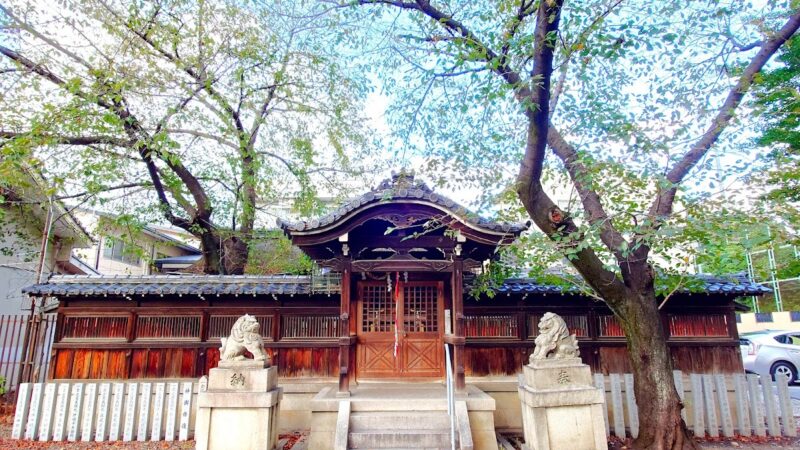
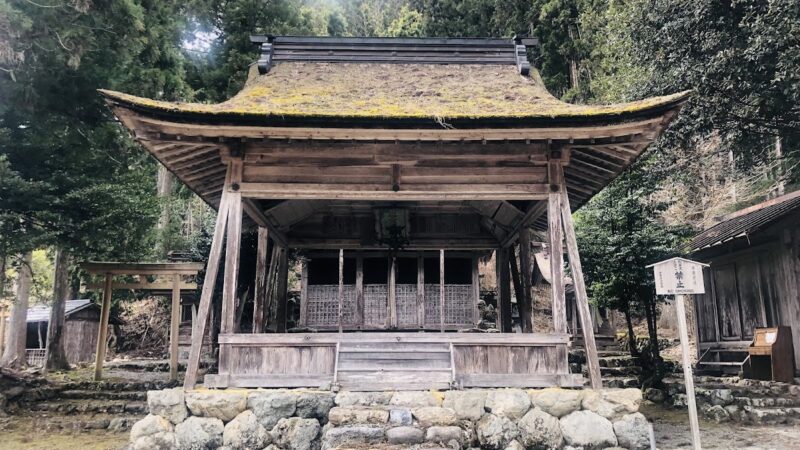
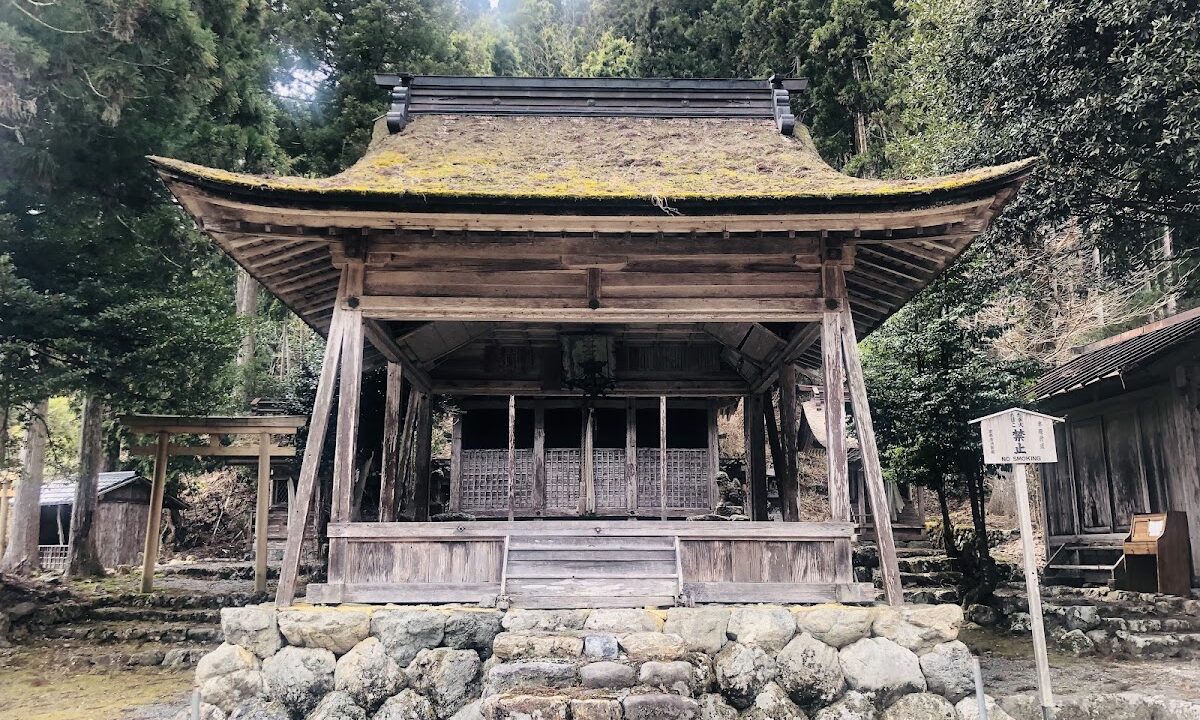
The main hall of Shikobuchi Shrine is an Edo period building with a three-bay nagare-zukuri (flowing roof) style and cedar bark roofing. It was designated a Kyoto City Designated Tangible Cultural Property on June 1, 1984.
Architectural Characteristics:
- Style: Three-bay nagare-zukuri
- Roof: Cedar bark roofing (retaining its original form)
- Decoration: Sculptural decorations such as kaerumata (frog-leg brackets)
- Period: Architectural style from the mid to late Edo period
The three-bay nagare-zukuri style is a nagare-zukuri style with a frontage of three bays (three bays between pillars), and is a style often seen in the main halls of medium-sized shrines. The cedar bark roof creates a simple yet powerful appearance characteristic of shrine architecture in mountainous areas. The decorative elements, such as the frog-leg brackets, showcase Edo period carving techniques, making this a valuable structure for understanding the level of craftsmanship of the time.
Worship Hall and Shrine Grounds
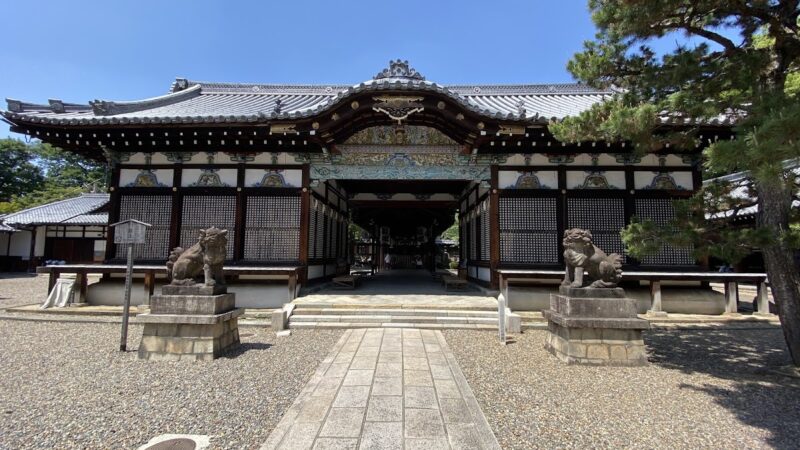
In front of the main shrine is the worship hall, a space where worshippers offer their prayers. The entire shrine grounds are designated as a Kyoto City Cultural Property Environmental Preservation Area, maintaining a sacred space integrated with the surrounding natural environment.
The clear waters of the Kuta River are nearby, creating a tranquil environment where the sound of flowing water can be heard. As befits a shrine nestled in a mountain village, it is surrounded by lush forests, allowing visitors to experience the changing seasons.
Kuta Hanagasa Dance (Important Intangible Folk Cultural Property)
Value as a Traditional Performing Art
The “Kuta Hanagasa Dance,” performed annually at Shikobuchi Shrine on the Sunday closest to August 24th, is a valuable traditional performing art designated as a National Important Intangible Folk Cultural Property. This dance is a type of Bon dance that has been passed down in the Kuta area for centuries, characterized by the graceful movements of dancers wearing colorful flower-decorated hats.
Characteristics of the Hanagasa Dance
- Time: The Sunday closest to August 24th
- Location: Grounds of Shikobuchi Shrine
- Characteristics: Brightly colored flower hats, unique choreography
- Participants: Passed down by local residents
- Cultural Property Designation: Important Intangible Folk Cultural Property
The Kuta Hanagasa Dance is particularly valuable as a folk performing art passed down in the mountainous areas of Kyoto City, and is a cultural heritage that symbolizes the identity of the region. Every year at this time, many spectators from both within and outside the region visit to admire the traditional dance.
Local Community and Inheritance
The Hanagasa Odori dance has been passed down through generations by the residents of the Kuta district. In this mountainous area facing depopulation, this traditional event plays an important role in strengthening community bonds and maintaining the community. Active efforts are made to pass on the skills to younger generations, and it is carefully preserved as a cultural identity of the region.
Access to Omikobuchi Shrine
Location
Address: 362 Kuta-nakamachi, Sakyo-ku, Kyoto City, Kyoto Prefecture 520-0464
Phone: 075-748-2175 (Inquiries)
Management: Sakyo Ward Office Kuta Branch Office 075-748-2020
Access by Public Transportation
Omikobuchi Shrine is located in the northernmost, mountainous area of Kyoto City, so access by public transportation is limited.
Nearest Station: Eizan Electric Railway “Kurama Station”
- Approximately 40 minutes by bus or taxi from Kurama Station
- Kyoto Bus service varies seasonally, so advance confirmation is necessary.
From Kyoto City Center:
- Approximately 1 hour 30 minutes by car from Kyoto Station
- Approximately 1 hour by car from Demachiyanagi Station
Access by Car
Access by car is the most convenient.
Route:
- Head north on National Route 367 from central Kyoto.
- Cross the Hanase Pass and head towards Kuta.
- Enter the Kuta area and follow the signs.
Parking: There is some space on the temple grounds or nearby (prior confirmation is recommended).
Notes:
- Snow and ice are possible in winter; studded tires or chains are necessary.
- Drive carefully on the mountain road.
- Navigation systems may not display the route accurately; checking a map is recommended.
Tips and Highlights for Visiting
Points to Note During Your Visit
- Tranquil Environment: You can visit the temple in a peaceful mountain setting to calm your mind.
- Main Hall Architecture: Admire the beautiful Edo-period three-bay nagare-zukuri style architecture.
- Harmony with Nature: A sacred space surrounded by the babbling of the Kuta River and forest.
- Kappa Legend: Reflect on the unique beliefs passed down in the Azumigawa River basin.
- Hanagasa Dance: During the August festival, you can enjoy this dance, designated as an Important Intangible Folk Cultural Property.
Nearby Attractions
Kuta District: A mountain village in the northernmost part of Kyoto City. Traditional mountain village scenery remains.
Azumigawa River: Known for its clear waters, it was once the site of raft floating.
Hanase Pass: A mountain pass connecting Kyoto city center and Kuta. A famous spot for autumn foliage.
Kifune Shrine: A well-known shrine in the same Sakyo Ward, dedicated to a water deity.
Cultural Significance of Shikobuchi Shrine
Role as a Local Guardian Deity
Shikobuchi Shrine has served as the local guardian deity of the Kuta district, a spiritual pillar for the local residents. A local guardian deity is a god that protects people born in that land throughout their lives and is the core of the region’s identity. Even in today’s era of depopulation, Shikobuchi Shrine remains a spiritual home for those from Kuta.
Memories of Forestry Culture
This site is a valuable record of the forestry and rafting culture that once flourished in the Kuta area. While rafting is now a thing of the past, its history and the lives of the people are preserved through the faith of Shikobuchi Shrine. This is an important cultural heritage for understanding Japanese mountain village culture and the history of forestry.
Center of Water Deity Worship
Within the Nanashikobuchi faith area that spreads across the Azumigawa River basin, Shikobuchi Shrine is an important center on the Kyoto Prefecture side. This wide-area faith network, centered on the river basin, is a valuable example of how local communities functioned from ancient to medieval times, and holds high value from both a folkloric and historical perspective.
Annual Events and Festivals
Annual Festival (June 19th)
The annual festival of Shikobuchi Shrine is held every year on June 19th. Local residents gather, and the Shinto rituals are solemnly performed. This is an important annual event expressing gratitude to the local guardian deity and praying for the peace and prosperity of the region.
Kuta Hanagasa Dance (August)
As mentioned above, this is a traditional performing art designated as an Important Intangible Folk Cultural Property, performed on the Sunday closest to August 24th. This day marks the largest festival in the Kuta district, attracting many worshippers and spectators.
Summary: The Charm of Shikobuchi Shrine
Shikobuchi Shrine is an ancient shrine nestled quietly in the mountains of the northernmost part of Kyoto City, yet it is a fascinating shrine with a rich history and culture. It possesses diverse cultural values, including the kappa legend passed down in the Azumigawa River basin, the worship of the guardian deity of rafting, the beautiful Edo-period main hall architecture, and the Kuta Hanagasa Dance, an Important Intangible Folk Cultural Property.
Access is not easy, but precisely because of this, the tranquil environment and the simple, locally rooted faith are preserved, leaving a deep impression on visitors. For those seeking a peaceful retreat from the hustle and bustle of Kyoto, and for those interested in traditional Japanese culture and folk beliefs, this shrine is a must-visit.
As one of the seven Shikobuchi shrines, Shikobuchi Shrine continues to preserve the water deity worship of the Azumigawa River basin and watches over the Kuta district as its tutelary deity. Its history and culture offer us a glimpse into the rich spiritual culture nurtured in Japan’s mountain villages.