Complete Guide to Jishu Shrine (Otsu City, Shiga Prefecture) | The History of the Important Cultural Property Kasuga-zukuri Main Hall and the Deity Omikobuchi Myojin
Located in Kuzukawa Bomura-cho, Otsu City, Shiga Prefecture, Jishu Shrine is a historic shrine boasting a valuable Kasuga-zukuri main hall, a Muromachi period architectural masterpiece. Founded in the early Heian period as the guardian shrine of Kuzukawa Myooin Temple, it has long been revered as the patron deity of raft operators in the Azumigawa River basin. This article provides a detailed overview of Jishu Shrine’s history, architectural value, the origin of its enshrined deity, and nearby attractions.
History and Origin of Jishu Shrine
Founded in the Early Heian Period
Jishu Shrine is said to have been founded in 859 (Jogan 1). Established as the guardian deity of Kuzukawa Myooin Temple, it became a central place of worship for the eight villages of Kuzukawa. From its founding, it has maintained a syncretic Shinto-Buddhist structure, a tradition that remains strongly evident today. ### A Central Presence in the Kuzukawa Region
Jinushi Shrine is situated in a central location in the Kuzukawa River basin, on the right bank of the Azumigawa River, at the foot of the Hira Mountains. This location is no coincidence; it was chosen as the guardian deity of the entire Kuzukawa region and as a god watching over a key point of water transport. It also has a deep connection with Myooin Temple, making it a valuable presence that conveys the history of Shinto-Buddhist syncretism.
Deities and Beliefs
Main Deity: Kunitokotachi-no-Mikoto
The main deity of Jinushi Shrine is Kunitokotachi-no-Mikoto. Kunitokotachi-no-Mikoto is a god of creation in Japanese mythology and is revered as the god who governs the foundation of the land. By enshrining this god, prayers have been offered for the peace and prosperity of the Kuzukawa region.
Beliefs of Shikobuchi Myojin
Jinushi Shrine also enshrines Shikobuchi Myojin (Shikobuchi Daimyojin), the local guardian deity of this area. Omikobuchi Myojin is a deity worshipped since ancient times as a water god, even before the founding of our shrine. He has garnered special devotion in the Azumigawa River basin as a water god, a deity associated with river flow and rafting.
For the raft operators working in the upper reaches of the Azumigawa River, Omikobuchi Myojin was a guardian deity and revered as the ancestral god of rafting. He was also worshipped as the ancestral god of pioneering, and is considered a deity deeply involved in the development and growth of the Kuzukawa region. Even today, he is carefully enshrined as a subsidiary shrine within the grounds and remains an object of worship for the local people.
Important Cultural Property Architecture
Unique Arrangement of Three Buildings in a Line
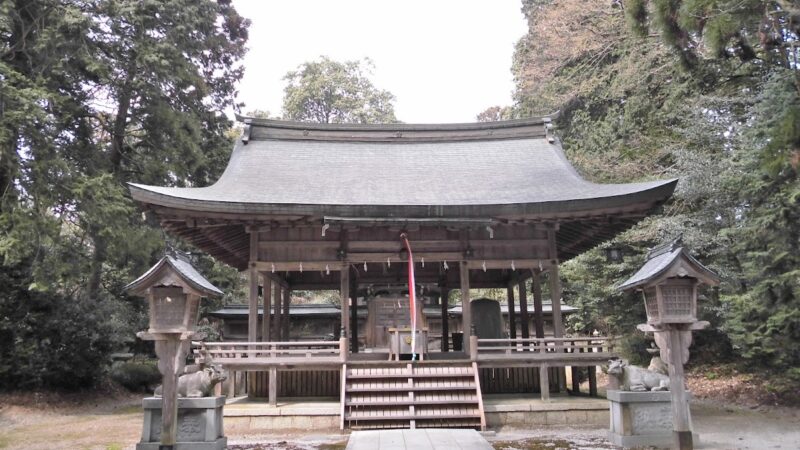
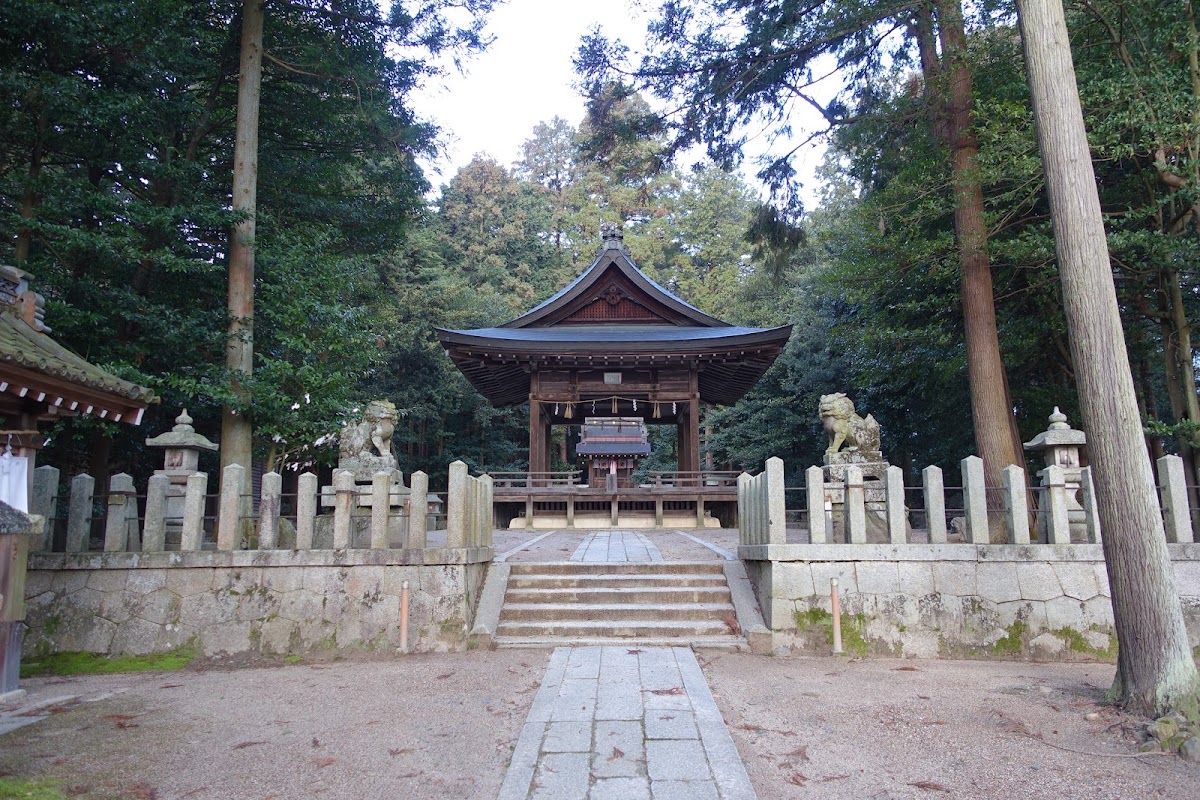
The shrine buildings of Jinushi Shrine have a unique arrangement, with the worship hall, offering hall, and main sanctuary aligned in a straight line facing west. This line arrangement allows the line of sight to extend from the approach to the main sanctuary, creating a sense of depth in the sacred space.
Shiga Prefecture’s Only Kasuga-Style Main Hall
The main hall of Jishu Shrine has been identified as having been built in 1502 (Bunki 2) based on a copy of the ridge beam inscription. As the only Kasuga-style main hall in Shiga Prefecture, it is an extremely valuable structure in architectural history.
The Kasuga-style is a style of shrine architecture exemplified by Kasuga Taisha Shrine in Nara, characterized by a gabled roof and a eaves structure at the front. This main hall, which preserves the architectural techniques of the Muromachi period, speaks to the high skill of the craftsmen of that time.
Magnificent Frog-Leg Carvings
The front and both sides of the main hall are adorned with magnificent frog-leg (kaerumata) carvings. Frog-leg are decorative elements placed on top of pillars, supporting the structure of the building while also adding an aesthetic element.
The frog-leg at Jishu Shrine features 12 different intricate carvings, making it a valuable work demonstrating the high level of sculptural skill of the Muromachi period. These sculptures, even after many years, retain their original appearance and continue to fascinate visitors.
Designated as Important Cultural Properties
The main hall and offering hall have been designated as Important Cultural Properties of Japan, recognized for their historical and architectural value. As Muromachi period buildings, they are in excellent condition and serve as valuable resources for studying the architectural techniques and forms of faith of that time.
Kuzukawa Festival and Traditional Events
Kuzukawa Festival on July 18th
The festival day of Jishu Shrine is July 18th every year, and the Kuzukawa Festival is an important local event. This festival is a valuable example of the syncretism of Shinto and Buddhism, preserving traditions dating back to the shrine’s founding in the early Heian period.
Tall Lanterns and Ise Ondo
As dusk falls, a procession of tall lanterns gathered from each district of the parishioners proceeds along the approach to the shrine accompanied by the Ise Ondo song, and the lanterns are offered as a tribute within the shrine grounds. This fantastical sight is one of the highlights of the Kuzukawa Festival.
Drumming Ceremony
After the young parishioners offer their prayers, they join forces with practitioners of the Tendai sect and other branches to perform the drumming ceremony at Myooin Temple. This ritual strongly reflects the tradition of syncretism between Shinto and Buddhism, preserving a unique form of worship where shrines and temples are integrated.
Highlights of the Shrine Grounds
Sanbo Bridge and Myoodani River
Jishu Shrine is located beside the Sanbo Bridge, which spans the Myoodani River flowing alongside Kuzukawa Myooin Temple. This river and bridge play an important role as an approach to the shrine, symbolizing the shrine’s harmonious location in nature.
Shrines within the Grounds
Behind the main shrine are three smaller shrines, each meticulously maintained. These smaller shrines are also objects of local worship, and visitors pay their respects not only to the main shrine but also to these smaller shrines. Omikobuchi Myojin is enshrined as one of these smaller shrines.
Worship Hall and Offering Hall
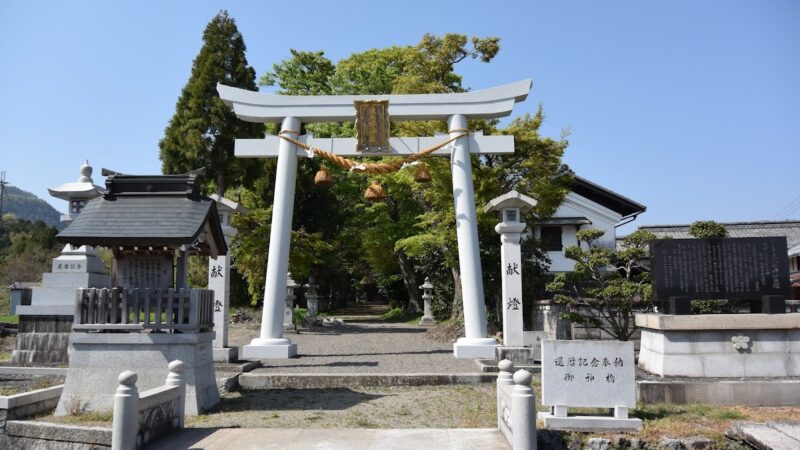
After passing through the torii gate and climbing the stairs, you will find the offering hall. This offering hall has an interesting structure, connected to the main shrine by a covered walkway. The series of buildings, from the worship hall to the offering hall and then to the main shrine, serve to guide worshippers into a sacred space.
Access Information
Access by Public Transportation
Train and Bus:
- Approximately 40 minutes by Kojaku Bus from JR Kosei Line “Katata Station”
- Get off at “Bomura” bus stop, approximately 3 minutes on foot
Since bus service is limited, it is recommended to check the timetable in advance.
Access by Car
Car:
- Approximately 30 minutes from Kosei Road “Mano IC”
- Parking available
The Kuzukawa area is located in a mountainous region, so caution is needed regarding snow and icy roads during winter.
Basic Information
Location: 116 Kuzukawa Bomura-cho, Otsu City, Shiga Prefecture
Visiting Hours: Free entry to the grounds
Admission Fee: Free
Inquiries: 077-599-2001
Nearby Tourist Attractions
Kuzukawa Myooin Temple
Located next to Jishu Shrine, Kuzukawa Myooin Temple is a Tendai sect temple with deep ties to Jishu Shrine. Visiting both is recommended for understanding the history of Shinto-Buddhist syncretism.
Hiking in the Hira Mountain Range
Jishu Shrine is located at the foot of the Hira Mountain Range, surrounded by abundant nature. Hiking while enjoying the scenery of the four seasons is popular.
Nature of the Azumigawa River Basin
The Azumigawa River, presided over by Shikobuchi Myojin, is a first-class river flowing from Kyoto to Shiga. Once a thriving rafting route, its clear waters still create a beautiful landscape.
Points to Note and Etiquette When Visiting
Etiquette for Worship
Jishu Shrine is a place of worship for the local people. Please worship quietly and treat the buildings and grounds with respect. Please be careful not to touch the main hall or offering hall, which are important cultural properties.
Photography
Photography is generally permitted on the grounds, but may be restricted during festivals. Also, please be considerate of other worshippers.
Seasonal Highlights
Spring: The shrine buildings are beautiful amidst the fresh greenery.
Summer: The Kuzukawa Festival on July 18th is a highlight.
Autumn: The grounds enveloped in autumn leaves are magnificent.
Winter: The snow-covered shrine buildings are fantastic (be careful of heavy snowfall).
Cultural Value of Jishu Shrine
History of Shinto-Buddhist Syncretism
Jishu Shrine is a valuable site that strongly retains the form of Shinto-Buddhist syncretism that existed before the Meiji-era separation of Shinto and Buddhism. The integrated festival of the shrine and Myooin temple at the Kuzukawa Festival is an important example for understanding Japanese religious history.
Center of Local Belief
As the main shrine for the eight villages of Kuzukawa, Jinushi Shrine has played a central role in the local community. It remains a cherished place of worship closely intertwined with the lives of the local people, encompassing the faith of the rafters, the history of settlement, and prayers to the water god.
Significance in Architectural History
As the only Kasuga-style main hall in Shiga Prefecture, Jinushi Shrine occupies an extremely important position in architectural history. The main hall, bearing a ridge beam inscription from 1502, is a valuable cultural asset that conveys the architectural techniques of the Muromachi period, and the carvings on the frog-leg brackets are outstanding examples demonstrating the high level of sculptural skill of the time.
Summary
Jishu Shrine (Otsu City, Shiga Prefecture) is a historic shrine with many attractions, including its Kasuga-style main hall, a nationally important cultural property built during the Muromachi period, its deep devotion to Shikobuchi Myojin, and the Kuzukawa Festival, which preserves the tradition of syncretism between Shinto and Buddhism.
Surrounded by the rich nature of Kuzukawa, the shrine grounds allow visitors to experience firsthand the history of faith that has continued since the early Heian period. The Kasuga-style main hall, the only one of its kind in Shiga Prefecture, and the exquisite carvings on the frog-leg brackets are a must-see for anyone interested in architecture or art.
While access is somewhat inconvenient, it can be considered a hidden gem offering a quiet and peaceful place to visit. When visiting Otsu City, why not extend your trip and experience the history and culture of Jishu Shrine? Along with the clear waters of the Azumigawa River and the natural beauty of the Hira Mountains, it will surely be a memorable visit.